
East African Coffee Origins: Mount Elgon, Kilimanjaro, Rwenzori and Kivu
East African coffee origins are closely connected to the region’s mountains, fertile soils, rainfall and farming traditions. Uganda, Tanzania, Rwanda and the Democratic Republic of Congo produce some of Africa’s most interesting coffees, with flavours influenced by altitude, climate and processing methods.
Four important coffee-growing regions are Mount Elgon, Mount Kilimanjaro, the Rwenzori Mountains and the Lake Kivu region. Each has distinctive growing conditions, farming communities and coffee production traditions.
If you enjoy coffee, visiting these regions can add an interesting experience to your East African holiday. You can meet local farmers, understand how coffee is produced and taste freshly prepared coffee close to where the beans were grown.
Understanding East African Coffee Origins
Coffee grows particularly well in many parts of East Africa because the region has suitable temperatures, regular seasonal rainfall and well-drained soils.
Highland areas are especially suitable for Arabica coffee, which generally grows best under relatively cool conditions. Robusta coffee tolerates warmer temperatures and is widely cultivated in lower-altitude regions, particularly in Uganda.
Altitude plays an important role in coffee production. Cooler mountain temperatures can slow the development of coffee cherries, allowing beans to mature gradually.
However, altitude alone does not determine coffee quality. Rainfall, soil conditions, coffee varieties, harvesting techniques and processing methods also influence the final flavour.
Some East African coffees have fruity or floral characteristics, while others offer chocolate, caramel or nutty flavours. These differences become easier to recognise when you compare coffees from several growing regions.
1. Mount Elgon Coffee: Eastern Uganda’s Highland Tradition
Mount Elgon stands along the border between Uganda and Kenya. Its fertile mountain slopes provide favourable conditions for growing Arabica coffee.
On the Ugandan side, coffee farming is particularly important in the Bugisu region, including communities around Mbale, Sironko and Bududa.
The area has a long history of producing Arabica coffee, and many families depend on coffee cultivation for household income.
What Makes Mount Elgon Coffee Different?
Mount Elgon is associated with Bugisu Arabica, one of Uganda’s best-known highland coffees.
Farmers cultivate coffee on mountain slopes, often alongside bananas and other crops. Many farms are relatively small and depend on family labour.
Carefully processed Mount Elgon Arabica may have several characteristics:
Bright acidity with citrus notes.
Mild floral flavours.
Chocolate or caramel characteristics.
Balanced sweetness.
A pleasant, clean finish.
The exact flavour depends on the farm, harvesting conditions, processing method and roasting technique.
Visiting Coffee Farms Around Mount Elgon
Mbale is a convenient starting point for travellers interested in learning about coffee cultivation.
Some organised coffee experiences introduce visitors to local farms, traditional harvesting techniques and coffee processing.
During a visit, you may observe farmers selecting ripe coffee cherries, removing the outer pulp and preparing beans for drying.
Some experiences also include roasting demonstrations and coffee tasting.
If you visit during the harvesting season, ask permission before photographing farmers at work.
You should also respect local farming activities and follow instructions from your guide.
2. Kilimanjaro Coffee: Arabica From Northern Tanzania
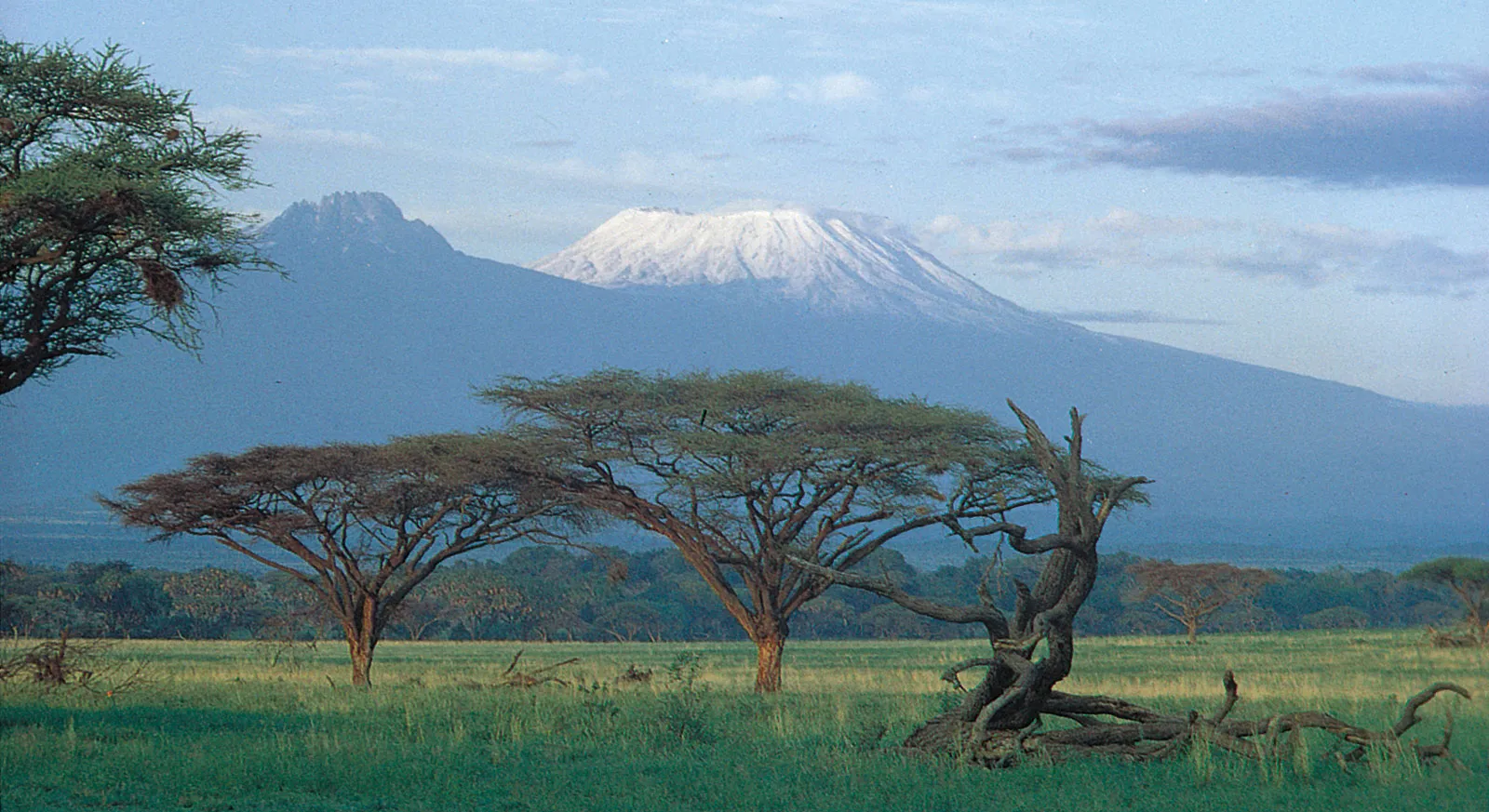
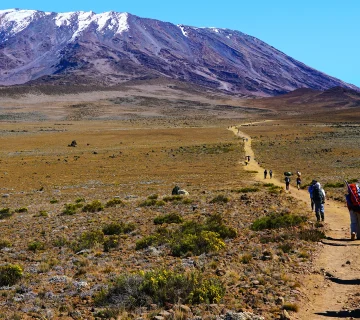
Mount Kilimanjaro is famous for being Africa’s highest mountain. However, its lower slopes also support important agricultural communities.
Coffee cultivation has a long history around Moshi and neighbouring districts in northern Tanzania.
The region produces Arabica coffee in suitable highland areas where farmers benefit from relatively cool temperatures, mountain rainfall and productive soils.
What Does Kilimanjaro Coffee Taste Like?
Kilimanjaro Arabica is often associated with lively acidity and balanced flavours.
Depending on the beans and processing methods, you may notice:
Citrus or other fruit characteristics.
Mild natural sweetness.
Chocolate flavours.
A clean aftertaste.
A balanced body.
Some Tanzanian coffees are also sold as peaberry coffee.
Peaberry refers to a coffee cherry that develops one rounded seed instead of the usual two flat-sided seeds. It is a physical characteristic rather than a separate coffee species.
Exploring Coffee Culture Near Moshi
Moshi provides opportunities to explore coffee-growing communities as part of a wider Kilimanjaro holiday.
Some organised activities include walking through coffee farms, learning about cultivation and watching demonstrations of traditional processing.
You may also participate in roasting and grinding coffee before tasting the finished drink.
Coffee experiences around Kilimanjaro can be combined with village visits, cultural activities and local meals.
Before booking, ask what the experience includes and whether participating farmers receive a fair payment.
3. Rwenzori Coffee: Western Uganda’s Mountain Harvest
The Rwenzori Mountains rise along the border between Uganda and the Democratic Republic of Congo.
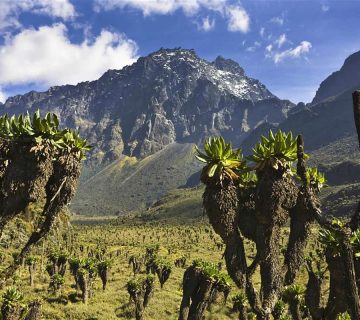
The mountains are famous for their high peaks, glaciers and remarkable vegetation. Their lower and middle slopes also support agricultural communities.
Coffee farming is an important activity in parts of western Uganda, including areas around Kasese and Bundibugyo.
Arabica and Robusta Around the Rwenzori Region
The wider Rwenzori region produces different types of coffee according to altitude and local growing conditions.
Arabica is cultivated in suitable highland areas, while Robusta is also grown in warmer, lower locations.
Some Rwenzori Arabica coffees are known for fruity characteristics, particularly when producers use natural processing methods.
Washed coffees may offer a cleaner flavour with noticeable acidity.
Farmers and processors continue developing techniques that improve quality, including careful cherry selection and controlled drying.
Coffee and Community Livelihoods
Many families in western Uganda depend on agriculture for their daily income.
Coffee provides an important source of earnings, although farmers face challenges such as changing weather conditions, crop diseases and fluctuating market prices.
Agricultural training, improved processing facilities and reliable buyers can help farmers produce better-quality coffee.
Travellers interested in coffee production should arrange visits through established local organisations.
A guided experience can explain how coffee cultivation supports households in communities around the Rwenzori Mountains.
4. Kivu Coffee: Rwanda and Eastern Congo
The Lake Kivu region occupies an important position in East African coffee production.
Lake Kivu lies between Rwanda and the Democratic Republic of Congo. Coffee is grown on suitable hillsides on both sides of the border.
In Rwanda, important coffee-growing areas include parts of the Western Province around Karongi, Nyamasheke, Rusizi and Rubavu.
Across the border, communities in North Kivu and South Kivu also cultivate Arabica coffee.
Rwanda’s Washed Arabica Coffee
Rwanda is particularly recognised for its carefully processed Arabica coffee.
Coffee washing stations play an important role in preparing beans for sale.
Farmers deliver harvested cherries to collection points or washing facilities, where workers sort and process them.
Quality washed coffees from the region may offer:
Citrus characteristics.
Floral flavours.
Balanced sweetness.
Tea-like notes.
A clean finish.
These characteristics vary depending on the producer and processing method.
Coffee Production in Eastern Congo
North Kivu and South Kivu have favourable coffee-growing areas and experienced farming communities.
Some cooperatives and processing businesses work to improve coffee quality and expand access to international markets.
However, farmers in parts of eastern Congo face serious difficulties associated with insecurity, damaged infrastructure and limited access to essential services.
Travellers interested in visiting coffee-producing communities should carefully consider current security conditions and official travel advice.
Comparing the Four Coffee Regions
The following table summarises the main characteristics of these East African coffee-growing regions.
| Coffee Region | Country | Main Coffee Type | Common Flavour Characteristics | Tourism Experience |
|---|---|---|---|---|
| Mount Elgon | Uganda and Kenya | Arabica | Citrus, floral and chocolate notes | Coffee farms around Mbale |
| Kilimanjaro | Tanzania | Arabica | Fruity acidity, sweetness and chocolate | Coffee experiences near Moshi |
| Rwenzori | Uganda and DRC | Arabica and regional Robusta | Fruity flavours and varied acidity | Highland farming communities |
| Kivu | Rwanda and DRC | Arabica | Floral, citrus, fruit and chocolate | Coffee washing stations and cooperatives |
These descriptions provide a general comparison. Individual farms within the same region may produce coffees with noticeably different characteristics.
How Coffee Processing Influences Flavour
Understanding processing methods can help you appreciate the differences between East African coffee origins.
After harvesting, farmers or processing facilities must prepare the coffee seeds for drying.
Three common approaches are washed, natural and honey processing.
Washed Coffee
Washed processing involves removing the outer fruit and using controlled steps to remove the remaining sticky material before drying.
This method often produces coffees with clear acidity and distinct flavour characteristics.
Washed Arabica is important in several East African coffee-growing regions.
Natural Coffee
Natural processing involves drying whole coffee cherries before removing the dried fruit.
When carefully managed, this method can produce noticeable fruity flavours and greater perceived sweetness.
However, poor drying practices can reduce coffee quality.
Honey Processing
Honey processing removes the outer skin while leaving some of the sticky fruit material on the beans during drying.
The amount retained and the drying conditions influence the finished coffee.
Each processing method can produce excellent results when properly managed.
Best Time to Visit East African Coffee Farms
Coffee harvesting periods vary according to rainfall, altitude and geographical location.
Some growing areas experience a main harvest and a smaller secondary harvest.
The most suitable time to visit depends on what you want to learn.
During harvesting periods, visitors may observe coffee cherry picking, sorting and processing.
Outside harvest season, you can still learn about pruning, nursery management, processing equipment and roasting.
Before arranging a visit, ask whether harvesting or processing demonstrations will be available.
A coffee farm can offer an informative experience throughout the year when visits are properly organised.
How to Taste Coffee From Different Origins
You do not need expensive equipment to compare coffee from different East African regions.
Start by selecting two or three coffees and preparing them using the same brewing method.
For example, compare a washed Mount Elgon Arabica with a washed Rwandan coffee from the Lake Kivu region.
Use approximately 15 grams of ground coffee for every 250 millilitres of water as a starting point.
Try to compare coffees with similar roast levels.
Dark roasting can make it more difficult to recognise differences between growing regions.
When tasting coffee, consider three questions:
Does the coffee taste bright and fruity or mild and chocolate-like?
Can you notice natural sweetness without adding sugar?
Does the flavour remain pleasant after swallowing?
You can record your observations in a notebook.
Remember that grinding, roasting and brewing methods can influence the flavour as much as the growing region.
Supporting Responsible Coffee Tourism
Coffee tourism can provide additional income opportunities for farming communities when activities are managed fairly.
If you visit a coffee-growing area, consider purchasing coffee directly from a recognised producer or cooperative.
Ask where the beans were grown and whether the packaging identifies the farmer, producer group or washing station.
You can also ask whether farmers receive payment according to coffee quality.
Expensive coffee does not automatically mean that farmers receive fair earnings.
Choose experiences that respect agricultural activities, provide clear information and allow community members to participate voluntarily.
If you purchase roasted coffee to take home, check its roasting date and storage instructions.
Keep the coffee sealed, dry and away from excessive heat.
Frequently Asked Questions About East African Coffee
Which East African coffee region produces the best coffee?
There is no single best region. Mount Elgon, Kilimanjaro, Rwenzori and Kivu produce coffees with different characteristics. Your preference will depend on flavour, processing and roasting.
Is Ugandan coffee mostly Arabica?
Uganda produces both Arabica and Robusta coffee. Robusta represents a substantial share of national production, while Mount Elgon and parts of the Rwenzori region are important Arabica-growing areas.
Can you visit coffee farms during an East African safari?
Yes. Coffee experiences can be included in suitable itineraries in Uganda, Tanzania and Rwanda. Arrange your visit in advance and allow sufficient time.
Is coffee grown around Lake Kivu?
Yes. Coffee is cultivated in suitable highland areas on both the Rwandan and Congolese sides of Lake Kivu.
Does high altitude always produce better coffee?
No. Altitude influences growing conditions, but coffee varieties, farming practices, harvesting, processing and roasting also determine quality.
Mount Elgon, Kilimanjaro, Rwenzori and Kivu contribute significantly to East Africa’s coffee-growing heritage.
Their mountain environments and farming communities produce coffees with a wide range of flavours and characteristics.
Understanding where coffee comes from can make each cup more interesting, particularly when you have visited the communities responsible for producing it.
If your East African travels take you near one of these regions, consider including an organised coffee experience.
Meeting local producers, learning about cultivation and tasting freshly prepared coffee can provide a memorable introduction to the region’s agricultural traditions.



No comment