
Building a Bird Photography Portfolio from a Safari
An African safari can give you much more than unforgettable memories. It can become the beginning of a photography portfolio that tells stories about wildlife, landscapes, behavior and the places that protect them. Every early morning drive, quiet wetland, open grassland and forest trail presents an opportunity to create images with purpose. The challenge is turning a collection of sightings into work that feels consistent personal and professionally presented.
Building a Bird Photography Portfolio from an African Safari starts with understanding that a strong portfolio rarely comes from one photograph. It develops through patience, observation, careful editing and a willingness to photograph species in different ways. Africa offers a range of habitats from Ugandas papyrus wetlands and montane forests to Kenyas Rift Valley lakes, Tanzanias savannas and Rwandas Albertine Rift landscapes. Each environment can add a visual chapter to your work.
Start With a Clear Photographic Purpose
Before your safari begins decide what you want your portfolio to communicate. You may want to focus on bird diversity, dramatic behavior, endangered species, habitats or the relationship between birds and their environments. Having a purpose helps you make choices when opportunities appear.
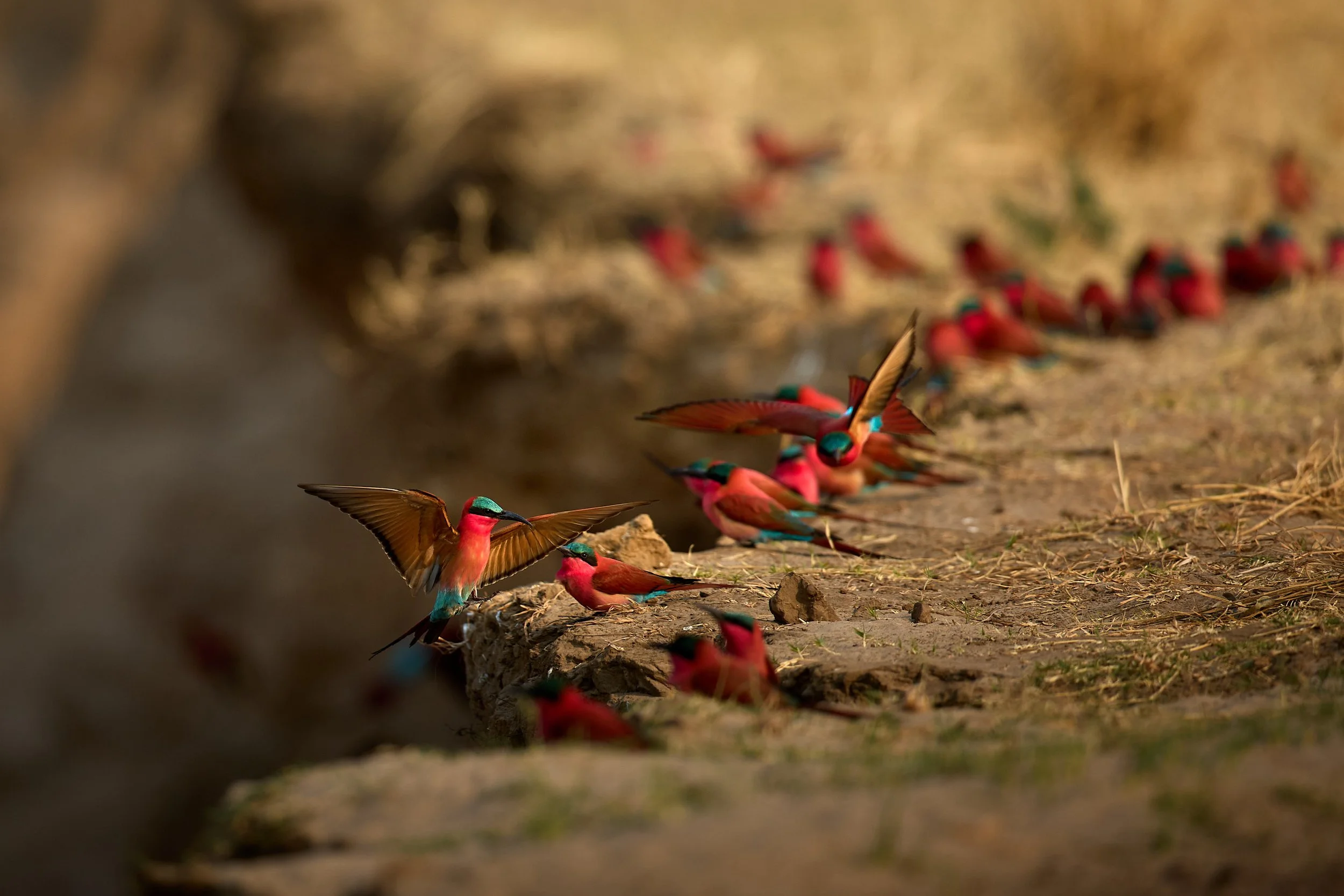
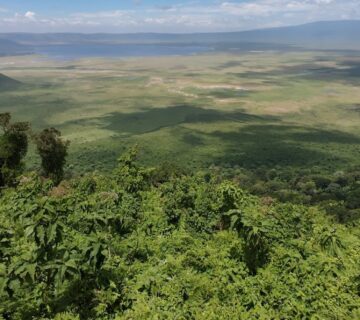
Avoid repetition by mixing portraits, environmental photographs, flight images, behavior and wider scenes. This gives viewers a sense of place. A habitat-focused photograph might show a shoebill surrounded by papyrus, a turaco hidden among rainforest foliage or an ostrich against a savanna horizon. These photographs become stronger when they work together as part of a story.
Research Your Safari Locations
Research the habitats and bird species you’re likely to encounter before you travel. Learn when they are active where they feed and how each habitat affects light, backgrounds and movement.
Early morning around a wetland can produce light and reflections while open savanna may provide clean backgrounds for birds in flight. Forest photography can be more difficult because branches and leaves compete for attention. Layered surroundings can create atmospheric images.
Tell your guide about your goals. A knowledgeable guide may anticipate where birds appear and help you find an angle without disturbing wildlife. Respect should always come before the photograph.
Photograph More Than Portraits
One of the useful lessons when Building a Bird Photography Portfolio from an African Safari is to stop treating every bird as a portrait subject. A sharp head-and-shoulders image can be beautiful. Your collection becomes more interesting when you photograph what the bird is doing and where it lives.
Look for behavior such as courtship, feeding, bathing, territorial displays, flight, grooming and interactions between species. These moments can communicate more than a portrait. Observe before pressing the shutter. Often the strongest photograph comes after minutes of watching the same subject.
Environmental photographs are equally important. Step back when the setting adds information. A small bird perched in a grassland can communicate scale. A kingfisher beside a river can show its habitat. A shoebill surrounded by reeds can connect the species, with the wetland it depends on.
Use Light as Part of the Story
Light can decide if a simple moment becomes a lasting picture. Morning and evening often bring light more interesting textures and nicer shadows. Focus on where the light’s coming from instead of just trying to take photos quickly.
Light that comes from behind can show feathers and shape wings. Light from the side brings out texture while light in front makes pictures of faces. Cloudy days make the light softer. Help keep the details of feathers visible.
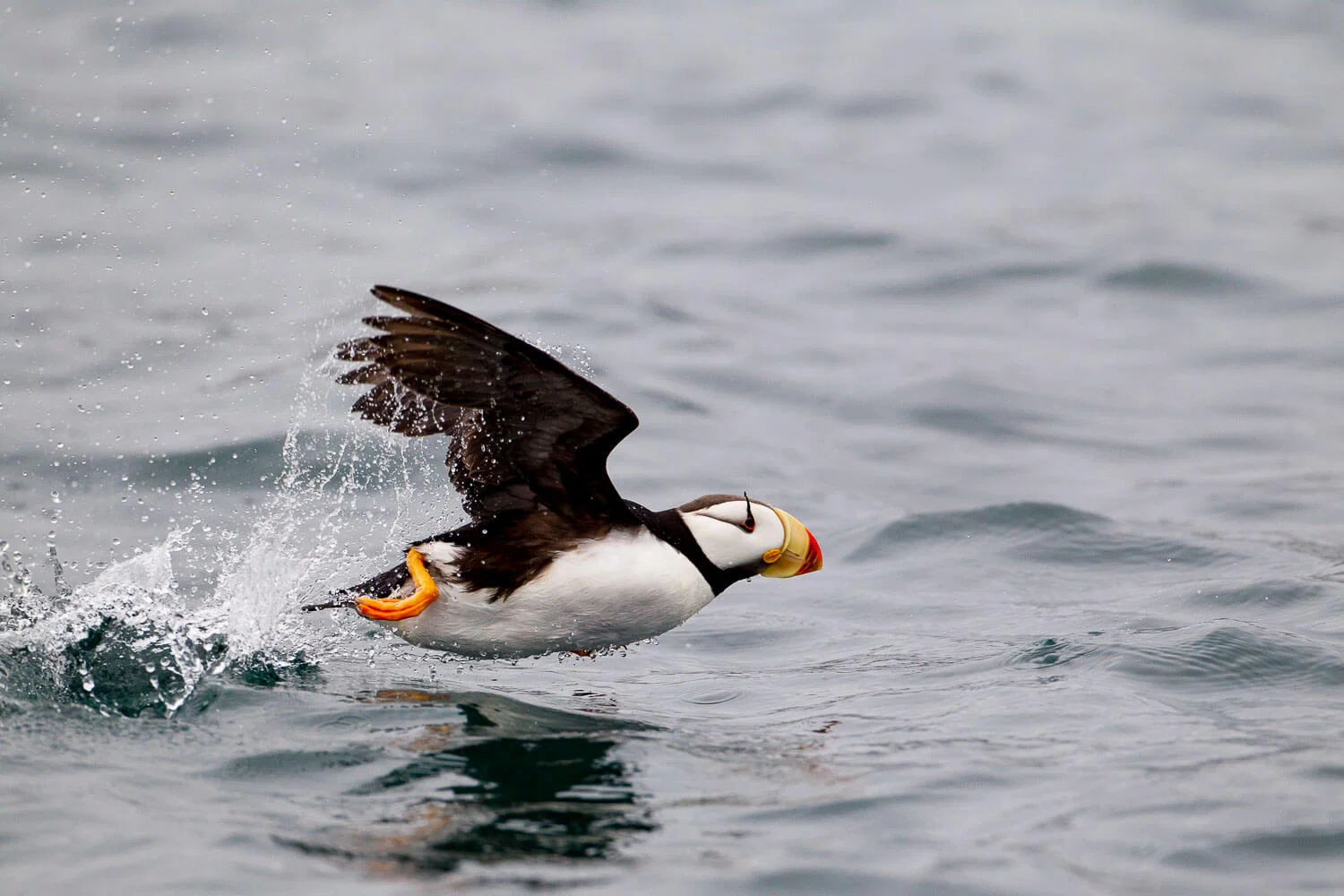
Birds fly fast. The speed of the camera shutter is important. Starting at around 1/1600 of a second can help stop movement while slower speeds can be used on purpose to show movement. Change the ISO and the opening of the lens depending on how light there is and what kind of result you want.
Create a Story During the Safari
A strong safari collection should feel like it all connects. Don’t just pick photos because they are clear. Think about how each image adds to the story.
Creating a bird photography collection from a safari is more satisfying when you think in groups of pictures. You might start with a scene then show the place where the birds live then a close-up of a bird then a picture of the bird doing something and end with a calm scene of the surroundings. This helps the person looking at the photos feel like they are in the place see the animals and understand the way life moves there.
Write down things during your trip. Note where you were, the dates, the names of the birds what they were doing and the environment around you. These notes can help with captions. Identifying the birds later.
Don’t be worried if you don’t get a bird. A good picture of a bird can be more interesting than a poor photo of a rare one. Your aim is to show your view.
Edit With Care
The editing part is when a big collection of photos turns into a clear set of pictures. You might come back with hundreds or even thousands of files. Only a few of them should be in the final set.
Start by getting rid of pictures that are not well taken have distracting backgrounds. Show awkward moments. Look at pictures and keep the best one or two.
Check for consistency. The light colors, cropping and contrast should feel across all the photos. Use changes that keep the details of feathers and real colors. Stay away, from much sharpening or color.
A final set of pictures might have 20 to 40 chosen photos instead of hundreds. The important things are the quality, the variety and how all the pictures fit together.
Let Conservation Become Part of Your Work
bird photography can show why habitats should be protected. Many birds live in wetlands, forests, grasslands, lakes and rivers that are under threat from activity. Your pictures can help people see these places as living ecosystems of just empty backgrounds.
A portfolio made from a safari can contain photos of habitat, conservation work, local guides and responsible tourism together with wildlife pictures. When it is appropriate and you have permission photos of people protecting areas can give extra context to your collection.
Always follow park rules and local photography guidelines. Never bait birds chase them for a picture disturb nests or push a guide to move than is safe. The strongest portfolio is one that does not harm the welfare of the birds.
Present Your Portfolio Professionally
When your selection is ready think about how you present it. Give the portfolio a title and a logical order. Use captions that name the species the place and the behavior.
Make versions for different audiences. A website might have 25 photos and captions while a professional submission may need fewer photos. Put your image first. Follow it with a mix of images. End with a photo that gives a sense of the place.
Keep Growing After the Safari
Your safari should start your bird photography growth not finish it. Look at your images weeks after you come back. You might see patterns that were hidden when you were excited by each sighting. Maybe you kept taking flight photos or maybe your best work came from quiet environmental scenes.
Use that information to plan your project. If rainforest photos were hard practice in a forest. If flight photos were hard take pictures of birds near water.
An African safari can also change how you watch. You start to notice movement in reeds, distant calls, changing small behaviors that would otherwise be missed. That attention becomes part of your identity.
Your safari photography is really about turning observation into a lasting record. You do not need the expensive camera, the rarest species or perfect weather. You need curiosity, patience, preparation and respect for wildlife.
Africa gives chances to grow those qualities. From a shoebill standing silently in a papyrus wetland to a sunbird catching morning light in a forest every encounter can become part of a story. When you photograph with intention edit with discipline and keep the landscape in the frame your safari photographs can grow into a portfolio that shows the beauty of bird photography and your growth, as a photographer.

No comment