
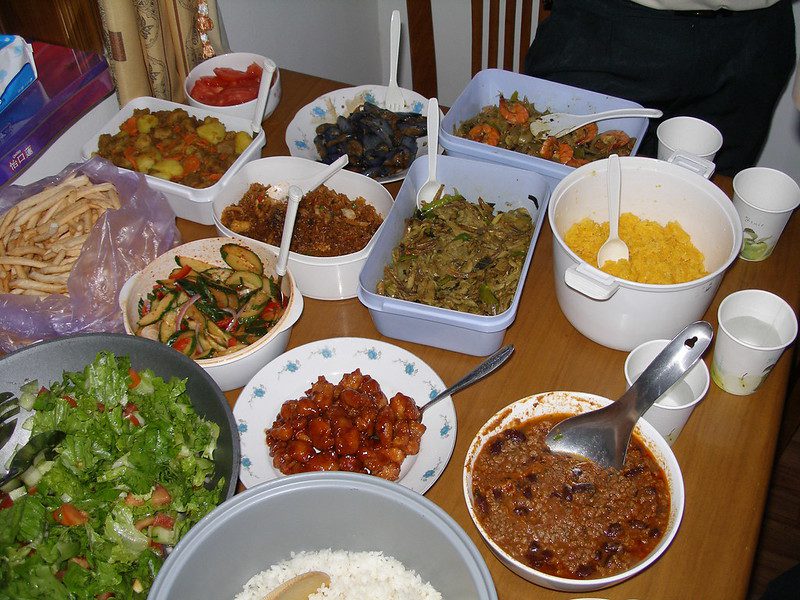
A Taste of Tanzania: Culinary Delights to Sample on an Adventure Safari Tour
Embarking on an adventure safari tour in Tanzania is not just about wildlife encounters and breathtaking landscapes; it’s also an opportunity to indulge in the vibrant and flavorful cuisine that reflects the country’s rich cultural heritage. From savoury stews to exotic fruits, Tanzania offers a gastronomic journey like no other. In this guide, we’ll explore some culinary delights that you must sample during your adventure safari tour, adding a delicious dimension to your African safari experience.
Ugali and Nyama Choma
A staple in Tanzanian cuisine, ugali is a simple yet satisfying dish made from maize flour and water, cooked to a thick consistency. Paired with nyama choma, which translates to “roasted meat,” typically goat, beef, or chicken, this combination is a favourite among locals and visitors alike. The tender, charcoal-grilled meat seasoned with local spices complements the hearty texture of ugali, creating a flavorful and filling meal that fuels your safari adventures.
Pilau Rice:
A fragrant and aromatic dish, pilau rice reflects Tanzania’s Indian influences in its preparation. Basmati rice is cooked with a blend of spices such as cinnamon, cloves, cardamom, and cumin, along with onions, garlic, and sometimes meat or vegetables. The result is a colourful and flavorful rice dish that pairs perfectly with grilled meats or vegetable curries, adding depth and complexity to your culinary experience.
Mchuzi wa Samaki:
For seafood lovers, mchuzi wa samaki is a must-try Tanzanian delicacy. This flavorful fish stew features tender fish fillets simmered in a rich tomato-based sauce infused with spices like ginger, garlic, and chilli peppers. Served with steamed rice or chapati (flatbread), mchuzi wa samaki showcases the bounty of Tanzania’s coastal waters and offers a taste of the seaside even in the heart of the savannah.
Chapati and Mahindi Choma:
Chapati, a type of unleavened flatbread, is a beloved accompaniment to many Tanzanian meals. Soft and flaky, chapati pairs well with a variety of dishes and can be enjoyed on its own or used to scoop up curries and stews. Another delightful snack is mahindi choma, which translates to “roasted corn.” Grilled corn on the cob, brushed with spices and lime juice, is a popular street food that captures the essence of Tanzania’s vibrant food scene.
Fruits of the Tropics:
No culinary journey in Tanzania is complete without sampling the fresh and exotic fruits abundant in the region. From juicy mangoes and sweet pineapple to creamy avocadoes and tangy passion fruit, indulge your taste buds with nature’s bounty. Don’t miss the chance to try baobab fruit, known for its tangy flavour and high nutritional value. It is often enjoyed in refreshing juices or as a snack.
Tanzanian Coffee and Tea:
Tanzania is renowned for its high-quality coffee beans, grown in regions like Arusha and Kilimanjaro. Savor a cup of freshly brewed Tanzanian coffee, characterized by its full-bodied flavor and hints of citrus and chocolate notes. If tea is your preference, Tanzania’s tea plantations produce aromatic blends that are perfect for a relaxing break during your safari adventures.
Mishkaki:
Grilled skewers of marinated meat or seafood, known as mishkaki, are a popular street food and barbecue dish in Tanzania. Whether it’s succulent cubes of beef, chicken, or flavorful skewers of shrimp or fish, mishkaki is a delicious and convenient snack to enjoy while on the go or as part of a traditional meal.
Kachumbari:
A fresh and vibrant salad or relish, kachumbari adds a burst of flavour to Tanzanian meals. Made with diced tomatoes, onions, cilantro, and sometimes green peppers, dressed with lime juice and salt, kachumbari offers a refreshing contrast to rich and spicy dishes, enhancing the overall dining experience.
As you embark on your Tanzania adventure safari tour, be sure to tantalise your taste buds with these culinary delights that showcase the diversity and richness of Tanzanian cuisine. Whether you’re dining at safari lodges, exploring local markets, or trying street food delicacies, each bite tells a story of culture, tradition, and the vibrant flavours of Africa.
Why Ugali and Nyama Choma Genuinely Represent Tanzania’s Everyday Food Culture
Beyond being a tourist highlight, this combination genuinely appears at family gatherings and roadside stalls alike, making it a true window into daily Tanzanian life. All in Africa Safaris can point you toward the best local spots to try it during your safari.
What Makes Pilau Rice a Genuinely Distinctive Dish Regionally
Its Indian-influenced spice blend genuinely sets pilau apart from rice dishes found elsewhere on the continent, reflecting Tanzania’s coastal trading history.
Why Coastal Seafood Dishes Genuinely Surprise Safari-Focused Travelers
Many visitors don’t expect fresh seafood inland, but mchuzi wa samaki genuinely brings coastal flavors into lodges and camps across the safari circuit.
How Street Food Genuinely Offers the Most Authentic Tasting Experience
Mahindi choma and mishkaki from roadside vendors genuinely capture flavors that formal restaurant settings sometimes soften for international palates.
Why Sampling Local Coffee Deserves Dedicated Time on Your Itinerary
Arusha and Kilimanjaro’s coffee-growing regions genuinely produce some of Africa’s most distinctive beans, worth a stop beyond just drinking a cup at your lodge. All in Africa Safaris can build a coffee farm visit into your broader Tanzania itinerary.
What Makes Baobab Fruit Worth Seeking Out Specifically
Its tangy flavor and notable nutritional density genuinely make baobab a distinctive regional specialty worth trying beyond the more familiar tropical fruits.
Why Kachumbari Genuinely Balances Tanzania’s Richer, Spicier Dishes
This fresh relish genuinely provides contrast to heavier stews and grilled meats, a role similar to how salsa functions in other global cuisines.
How Chapati Bridges Multiple Cultural Influences on One Plate
This flatbread genuinely reflects the layered South Asian and East African influences that define much of Tanzania’s coastal culinary identity.
Why Trying Food at Local Markets Adds Genuine Cultural Context
Beyond lodge dining, wandering a local market genuinely lets travelers see ingredients and vendors firsthand, deepening appreciation for what ends up on the plate. All in Africa Safaris can include market visits alongside your wildlife-focused itinerary.
What Makes Mishkaki a Genuinely Convenient Safari Snack
Easy to eat on the move, these grilled skewers genuinely suit travelers wanting quick, flavorful bites between game drives rather than a full sit-down meal.
Why Tea Plantations Offer a Genuinely Relaxing Break From Wildlife Viewing
A slower-paced visit to a tea estate genuinely provides contrast to the excitement of game drives, rounding out a well-balanced itinerary.
How Combining Food and Wildlife Experiences Creates a Fuller Trip
Pairing culinary exploration with standard safari activities genuinely gives travelers a more complete picture of Tanzania beyond just its animals.
Why Fresh Tropical Fruit Availability Genuinely Varies by Season
Mangoes and passion fruit peak at different times of year, genuinely rewarding travelers who check seasonal availability before their trip.
What Dietary Flexibility Travelers Should Genuinely Expect
Vegetable curries and rice-based dishes genuinely give vegetarian travelers solid options despite Tanzania’s strong grilled-meat reputation. All in Africa Safaris can flag dietary preferences with your lodges ahead of arrival.
Why Lodge Dining Still Delivers Genuinely Authentic Flavors
Many safari lodges genuinely employ local chefs cooking traditional recipes, meaning formal dining doesn’t have to mean sacrificing authenticity.
How Spice Blends Reflect Centuries of Indian Ocean Trade
Cinnamon, cardamom, and cumin appearing throughout Tanzanian cooking genuinely trace back to historic trade routes connecting East Africa with South Asia.
Why Grilled Corn Remains a Genuinely Beloved Everyday Snack
Simple, affordable, and found everywhere, mahindi choma genuinely represents the kind of humble street food locals enjoy daily rather than only for tourists.
What Makes Combining Multiple Dishes in One Meal Worthwhile
Ordering ugali, kachumbari, and grilled meat together genuinely lets travelers experience the balance of textures and flavors that defines a proper Tanzanian meal.
Why Food Genuinely Deserves Equal Billing With Wildlife on Your Itinerary
Treating cuisine as a core part of your trip, not an afterthought, genuinely enriches the overall cultural depth of a Tanzania safari.
Why Cooking Classes Add a Hands-On Layer to a Food-Focused Trip
Learning to prepare ugali or pilau yourself genuinely deepens appreciation for techniques that look simple but require real skill to master. All in Africa Safaris can arrange a cooking class alongside your safari itinerary.
How Regional Variation Shapes What You’ll Taste Across Tanzania
Coastal areas lean toward seafood-heavy dishes, while inland regions genuinely favor grilled meats and maize staples, giving each part of your trip distinct flavors.
Why Sharing Meals With Locals Genuinely Enriches the Experience
Beyond the food itself, eating alongside Tanzanian hosts genuinely opens conversations and connections that a purely observational safari wouldn’t offer.
What Makes Kilimanjaro-Grown Coffee Worth Bringing Home
Beans from this specific region genuinely carry a distinctive character, making a bag of local coffee a meaningful, practical souvenir from your trip.
Why Trying New Dishes Genuinely Builds Confidence for Future Travel
Stepping outside familiar food choices on this trip genuinely makes travelers more open to culinary exploration on future journeys elsewhere.
Planning Your Tanzania Culinary Safari
From grilled nyama choma to spiced pilau rice and fresh baobab juice, Tanzania’s cuisine genuinely adds a memorable layer to any wildlife-focused adventure. All in Africa Safaris can turn this overview into a fully confirmed itinerary tailored to your travel dates.







No comment