
When is the best time to visit Maasai Mara National Park
Maasai Mara National Park is located in Kenya’s southwest region and was first designated as a national reserve in 1948. It was officially designated as a national park in 1961 with the primary goal of protecting all wildlife animals in the park because it is home to approximately 5 mammal species and approximately 570 bird species that can be seen in various areas of the park. . The Maasai Mara National Park has a total surface area of approximately 1510 square kilometres, and exploring this game park always allows you to visit many tourist destinations such as the Narok Museum, the Mara River, the private Masai conservancies, the Musasira swamp, the Mara triangle, and many others. Furthermore, before visiting Maasai Mara National Park, people examine the park’s yearly climate to determine whether it suits them.
The best time to visit Masai Mara National Park to watch the Great Migration.
Without a doubt, the Great Migration is one of the most popular sights in the Masai Mara region. Furthermore, from July to October, the Mara is the legendary destination where the yearly migration of one million wildebeest from the Serengeti to the Masai Mara region takes place. The savannah is teeming with wildebeest, zebras, and other animals at this time of year. It is also the season for the spectacular Mara and Talek River crossings. There is less foliage this time of year since it is dryer, making animal viewing much simpler.
Although the Masai Mara is open all year for outstanding animal viewing, many visitors arrange their vacation around the Great Migration. This time of year, the Masai Mara National Reserve and its popular places may become rather busy. You could even find up-tailing someone in a safari vehicle and wait at some time. If you are stuck in traffic on your way to work and wish to escape it on vacation, you may either visit the Masai Mara at a different time of year or lodge at one of the more exclusive and less populated Masai Mara conservancies. Discover everything there is to know about the Great Migration.
Season of Lion viewing
The Masai Mara baby boom begins after a plentiful rainy season and an abundance of food and water. When the plains are teeming with life and young wildebeest, zebra, and other herbivore calves can be seen sprinting across them, the big cats appear. It’s all part of the cycle of life. The months when travellers may see the lion species in great numbers are January to March, which is known as the “Lion season.” Furthermore, once the rains subside, the grasses become less abundant and animals become easier to observe. As a result, this is an excellent time of year to view solitary lions or perhaps a pride of lions.
The green season
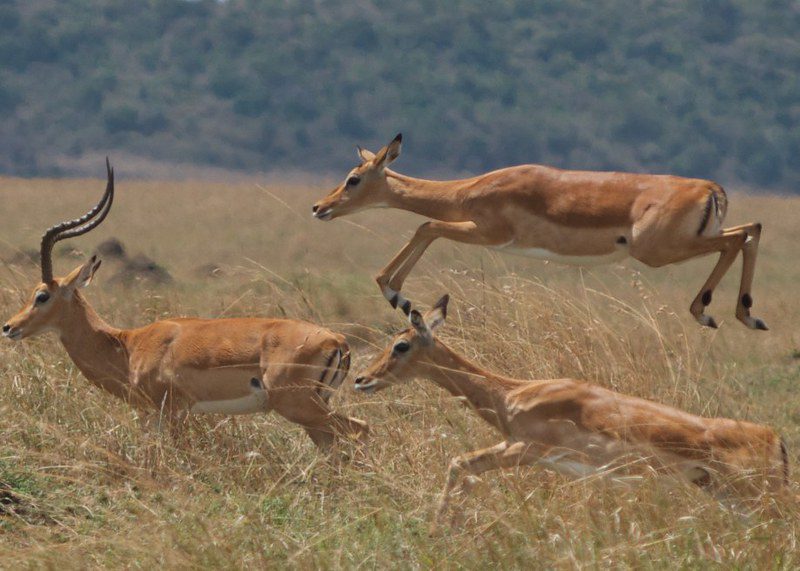
The green season, which lasts from March to May, heralds the advent of the ‘big rains’ in the Masai Mara. The spring rains are like a paintbrush, bringing life to the arid African savannah and painting it in fresh tones of green, gold, and other brilliant hues. The sandy savannah gives way to waving grasses, and the huge plains serve as a breeding ground for impalas, antelopes, and other animals. Predators of all kinds and sizes are drawn to the new arrivals, so don’t be shocked if you see a few high-speed chases on the plains this time of year. The green season is also prime time for bird viewing. Thousands of colourful migrating birds fly to the savannah, attracted by the newly awakened blossoming trees brought to life by the rains. This rainy season is often associated with cheaper prices at safari hotels and tented camps. Because most people visit the Masai Mara during the Great Migration, Maasai Mara hotels and camps offer large discounts at this time of year. Learn everything there is to know about the weather and climate in Maasai Mara.
Overview Of The Maasai Mara Climate.
January and February are the months when the weather appears to be hot and dry. Because water is more scarce this time of year owing to less rainfall during this period and between these months, travellers frequently miss numerous animal species as they drink water from lakes and rivers. Furthermore, bird watchers can witness a variety of birds.
Furthermore, it is considered the rainy season from March to May, when lengthy rains are received, and throughout this season, this grass vegetation is always giving the colours of green and is regarded as the bird migration season.
Why the July-to-October Migration Window Genuinely Delivers the Most Concentrated Wildlife Spectacle
This peak period genuinely brings together drama across multiple fronts simultaneously, dramatic river crossings, massed herds, and easier visibility from thinner vegetation, making it genuinely the single most reliable window for witnessing the migration’s most iconic moments. Travelers set specifically on seeing a river crossing genuinely need to prioritize these months above all others. All in Africa Safaris can time your Maasai Mara safari around the peak migration crossing period.
How Private Conservancies Genuinely Offer an Escape From Peak-Season Crowding Without Sacrificing Wildlife Quality
Since these conservancies genuinely limit vehicle numbers and visitor density more strictly than the main reserve, travelers who book them during migration season genuinely get comparable wildlife viewing with a noticeably less congested experience than the standard park areas during peak months.
Why January-to-March’s Lion Season Genuinely Rewards Travelers With Different Priorities Than Migration Season
Rather than chasing the migration itself, genuinely this window rewards visitors focused on predator behavior, with newborn herbivore calves drawing lions and other big cats into more frequent, visible activity across the plains. Travelers genuinely prioritizing big cat sightings over the migration spectacle find this season specifically worthwhile. All in Africa Safaris can time your safari around peak lion activity during calving season.
What Makes the Green Season Genuinely the Best-Kept Secret for Budget-Conscious Birders
Beyond the genuinely lower accommodation prices during March-to-May, this season genuinely coincides with peak migratory bird arrivals, meaning birders visiting during this discounted window genuinely get both cost savings and some of the year’s best birding simultaneously.
Why Understanding the Full Climate Picture Genuinely Helps Travelers Choose Based on Personal Priorities Rather Than Just Following the Crowd
Since Maasai Mara genuinely offers something worthwhile across nearly every season, migration drama, lion activity, lush scenery, or birding, genuinely the “best” time depends entirely on what a specific traveler values most, rather than there being one single objectively correct answer. All in Africa Safaris can help you choose the season that best matches your specific safari priorities.
How Combining a Migration-Season Visit With a Conservancy Stay Genuinely Balances Spectacle and Exclusivity
Splitting time between the main reserve during peak crossing activity and a quieter private conservancy genuinely gives travelers the best of both worlds, witnessing the migration’s biggest moments while still enjoying periods of uncrowded, exclusive wildlife viewing.
Why the Mara and Talek River Crossings Genuinely Rank Among Africa’s Most Dramatic Wildlife Events
Watching thousands of wildebeest hesitate at the riverbank before surging across water genuinely holding crocodiles delivers a spectacle few other wildlife encounters can match, and genuinely no amount of research or photos fully prepares first-time witnesses for the scale and intensity in person. All in Africa Safaris can position your itinerary around the most active river crossing points.
How January-February’s Drier, Hotter Conditions Genuinely Shape a Different Kind of Safari Experience
With water genuinely scarcer during these months, animals concentrate more predictably around remaining water sources, though genuinely some species become harder to spot as they range further in search of resources. This trade-off genuinely matters for travelers weighing this season against the wetter alternatives.
Why the Musiara Swamp and Mara Triangle Genuinely Deserve Attention Beyond the Headline Migration Sites
These lesser-discussed areas genuinely offer their own resident wildlife populations and distinct habitats, meaning travelers who explore beyond the most famous crossing points genuinely discover a fuller picture of the reserve’s ecological diversity. All in Africa Safaris can include lesser-visited areas like the Mara Triangle within your itinerary.
How Booking Well Ahead of Migration Season Genuinely Protects Access to the Best Camps
Since the most desirable lodges near active crossing points genuinely fill up months in advance for July through October, travelers set on this peak window genuinely need to book significantly earlier than they would for quieter, off-peak season travel.
Why the 570 Recorded Bird Species Genuinely Make the Mara a Serious Birding Destination Year-Round
While mammal viewing genuinely draws most visitors, this remarkable bird diversity genuinely means dedicated birders find worthwhile sightings regardless of which season they choose to visit, adding a valuable secondary dimension to any Maasai Mara safari. All in Africa Safaris can build birding time into your Maasai Mara itinerary regardless of season.
Planning Your Maasai Mara Safari
From the dramatic July migration crossings to the lush, birder-friendly green season, genuinely Maasai Mara offers a rewarding safari experience nearly year-round. All in Africa Safaris can turn this overview into a fully confirmed itinerary tailored to your travel dates and priorities.


No comment