
Combining Tanzania’s Plains With Uganda’s Forests
This nine-day itinerary pairs Tanzania’s northern circuit wildlife viewing with Uganda’s primate trekking highlights, typically gorilla trekking in Bwindi, giving travelers both classic savannah scenery and dense montane forest primate encounters within a single trip.
Connecting Tanzania and Uganda typically involves a regional flight given the distance between the two countries, and this itinerary is structured to make that connection efficient, preserving time for the parks themselves.
Practical Notes
Most nationalities can apply for a Tanzania e-visa online before travel. A yellow fever certificate is required for entry if arriving from a country with risk of transmission. Travel insurance covering wildlife or trekking activities and medical evacuation is strongly recommended.
Tanzanian shillings are useful for everyday purchases, tips and markets, while US dollars printed after 2009 are widely accepted for park fees, conservation fees and lodge bills.
Because lodge and permit availability tightens considerably during the June to October peak season, we recommend booking this itinerary at least three to four months in advance for travel during that window.
Tipping is customary though not compulsory. Your driver-guide is typically tipped at the end of the full trip, scaled to group size and length of stay, and we’re glad to advise on typical ranges when you book.
A private 4×4 safari vehicle with a pop-up roof and an experienced English-speaking driver-guide accompanies you throughout this itinerary.
Two Countries, Genuinely Different Landscapes
This itinerary’s appeal lies in the contrast between its two halves: Tanzania’s open savannah and the vast horizons of the Serengeti versus Uganda’s dense, misty montane forest and the close, quiet intensity of a gorilla trekking encounter, two experiences that could hardly feel more different within a single trip.
Because gorilla permits are limited and non-refundable once issued, we recommend booking this itinerary well in advance, particularly for travel during Uganda’s June to September or December to February peak trekking seasons.
US dollars printed after 2009 are widely accepted for park fees, permits and lodge bills across both countries, while local currency is more practical for tips and smaller purchases. A yellow fever certificate and appropriate visas for both Tanzania and Uganda are required for this itinerary.
Who This Itinerary Suits
This itinerary suits travelers with the time and interest to combine two genuinely different East African experiences on one trip, rather than choosing between a classic savannah safari and a primate trekking adventure. It works particularly well for travelers who have researched both destinations independently and want to avoid the cost and time of two separate international trips.
Given the number of logistics involved, two countries, two visa systems, a gorilla permit, and a regional flight connection, we coordinate every element of this itinerary directly, keeping you updated at each stage of planning rather than leaving the coordination to sort itself out closer to your travel dates.
Most travelers on this itinerary spend the Tanzania portion in the Serengeti and, depending on routing, Ngorongoro Crater, before connecting to Uganda for gorilla trekking in Bwindi Impenetrable National Park, though the specific balance of days between the two countries can be adjusted based on your priorities.
Packing for Two Very Different Climates
Because this itinerary moves between Tanzania’s open, sun-exposed savannah and Uganda’s cool, often misty montane forest, packing needs to cover a genuinely wide range of conditions within a single trip. For the Serengeti and Ngorongoro portion, lightweight, breathable clothing in neutral tones, a wide-brimmed hat and strong sun protection matter most, along with layers for cooler early morning game drives before the day warms up.
For the Uganda gorilla trekking portion, the packing list shifts considerably: waterproof hiking boots with good ankle support, gardening-style gloves for grabbing vegetation on steep sections, long trousers and sleeves to guard against nettles and safari ants, and a lightweight rain jacket regardless of season, since Bwindi’s forest canopy creates its own microclimate independent of the wider region’s dry or wet season classification.
A single versatile duffel bag that works for both a savannah lodge stay and a forest trekking lodge, rather than highly specialized gear for either environment alone, generally serves this itinerary best, and we’re glad to provide a detailed packing list tailored to your specific travel dates when you book.
Gorilla Trekking Sectors in Bwindi
Bwindi Impenetrable Forest is divided into four trekking sectors — Buhoma in the north, Ruhija in the east, and Rushaga and Nkuringo in the south — each with its own habituated gorilla families and its own character. Buhoma offers the gentlest terrain and is the most established sector, with lodges close to the park gate. Rushaga has the highest concentration of habituated families and is also where gorilla habituation experience permits are issued, allowing visitors extended time with a family that is still being acclimatised to human presence. Ruhija sits at higher altitude with cooler mornings, while Nkuringo is known for its steep ridgeline approach and rewarding views over the forest canopy. Your guide assigns you to a specific family the morning of the trek based on fitness level and permit allocation, and treks can last anywhere from 30 minutes to several hours of hiking through dense, humid rainforest before the encounter.
Wildlife and the Great Migration in the Serengeti
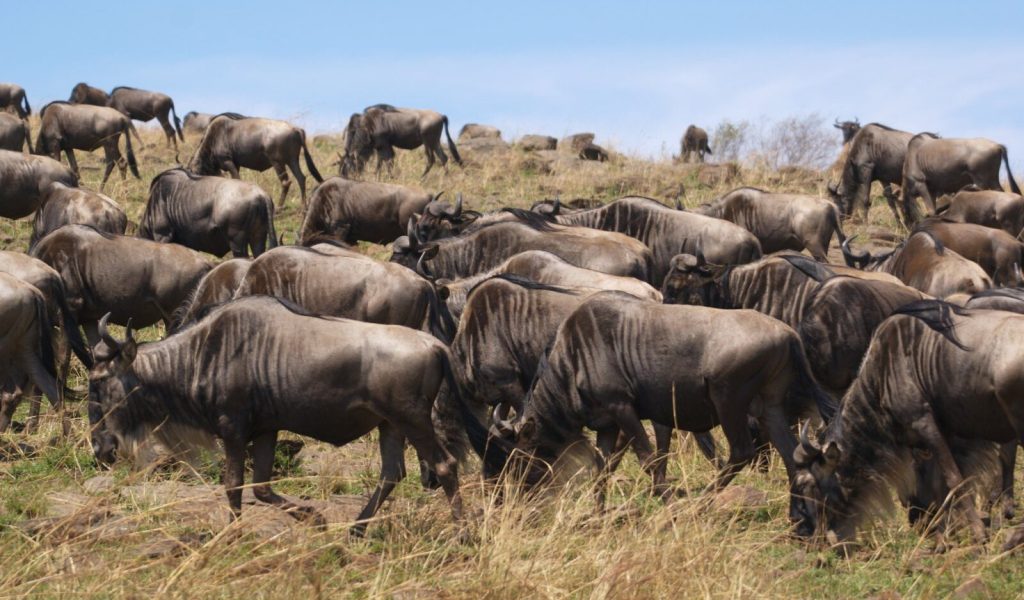
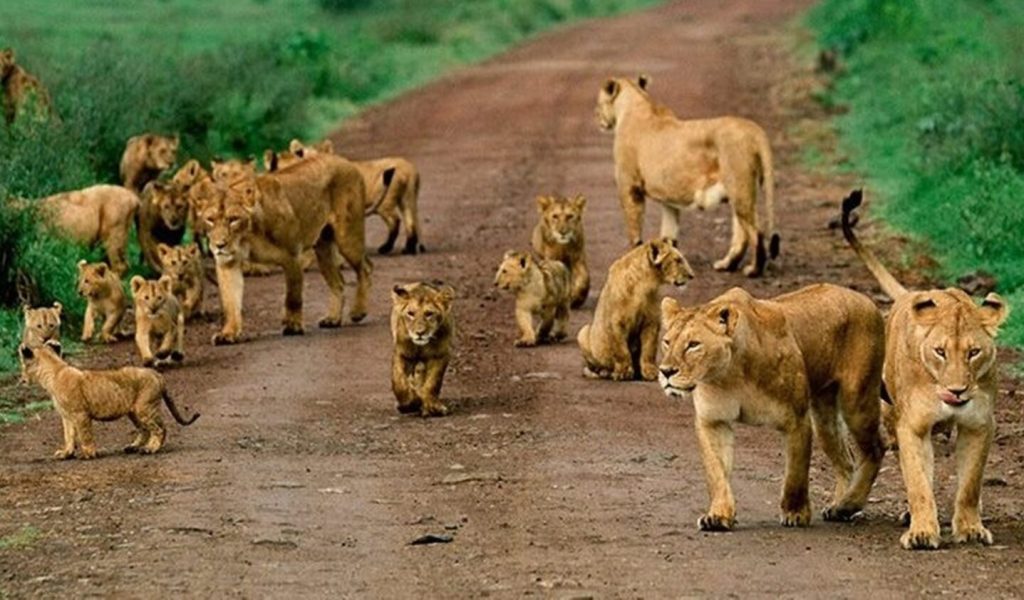
The Serengeti’s vast, open plains support one of the last great terrestrial wildlife migrations on earth, as roughly two million wildebeest, zebra and gazelle move in a broadly circular pattern through the ecosystem each year, following the rains in search of fresh grass. Depending on the season, this can mean vast herds spread across the southern plains during calving season, dramatic river crossings in the west and north, or smaller, more dispersed groups elsewhere in the park — so the exact experience varies considerably by month. Beyond the migration, the Serengeti’s year-round resident wildlife, including some of Africa’s largest lion prides and healthy cheetah and leopard populations, makes it a rewarding destination regardless of when the herds themselves are present.
Wildlife Density in the Ngorongoro Crater
The Ngorongoro Crater, the world’s largest intact volcanic caldera, contains an estimated 25,000 large mammals within its roughly 260-square-kilometre floor, a natural enclosure formed when a volcano larger than Kilimanjaro collapsed in on itself some two to three million years ago. Because the crater walls largely confine the resident wildlife year-round, sighting rates for lion, elephant, buffalo, hippo and the crater’s small but present population of black rhino are exceptionally high regardless of season, making it one of the most reliable single-day game drives in Africa. The descent into the crater floor along a steep access road, followed by a full day exploring the grassland, swamp and forest habitats within, is typically treated as its own dedicated day on a Tanzania itinerary.
Preparing for a Kilimanjaro Climb
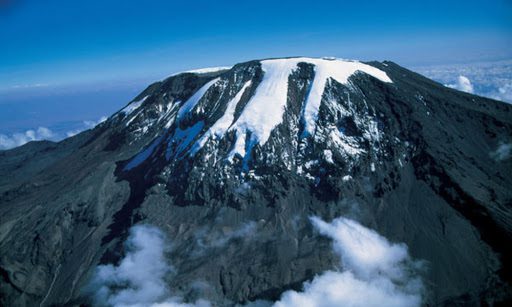
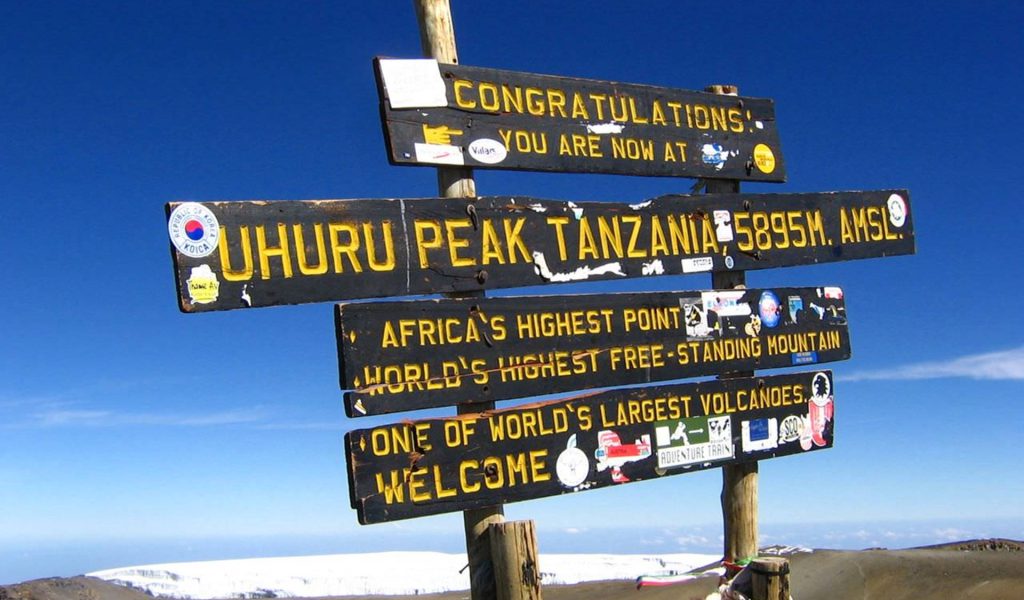
Altitude, not technical difficulty, is the main challenge on Kilimanjaro, since the mountain requires no climbing equipment or prior mountaineering experience but does demand a slow, deliberate pace to allow the body to acclimatise. Routes of six days or longer generally have meaningfully higher summit success rates than shorter five-day itineraries, simply because they allow more time for the body to adjust before the final push to Uhuru Peak. Good waterproof and insulated layers are essential given the temperature swings between the lower rainforest zone and the sub-zero summit night, and a reputable operator will provide a support crew of guides, cooks and porters, whose fair treatment and pay has become an important ethical consideration when choosing how to climb.
Choosing When to Travel
East Africa’s weather generally divides into two dry seasons — roughly December to February and June to October — and two wetter periods around March to May and November, though rainfall patterns vary by country and region and have become somewhat less predictable in recent years. Dry-season travel tends to concentrate wildlife around permanent water sources, making game viewing more predictable, while the wetter months bring lush scenery, fewer other travellers, and better rates at many lodges, along with the arrival of migratory bird species. Neither period is a bad time to travel; the right choice depends more on whether the priority is guaranteed dry trails and concentrated wildlife or a quieter, greener experience.
Health and Travel Preparation
Most countries in this region require proof of yellow fever vaccination for entry, particularly if arriving from or having transited another yellow-fever-endemic country, and it is worth checking current requirements with your airline or embassy well ahead of departure. Malaria is present across most safari areas at varying risk levels, so consulting a travel health clinic about prophylaxis, alongside practical measures like insect repellent and covering up at dawn and dusk when mosquitoes are most active, is standard advice for the region. Comprehensive travel insurance that explicitly covers emergency medical evacuation is strongly recommended for any itinerary involving remote parks, since the nearest advanced medical facility can be several hours away by road or air.
Money and Practical Travel Tips
US dollars are widely accepted for park fees, permits and larger payments across the region, though local currency is generally needed for smaller purchases, tips and market shopping, and it is worth carrying a mix of both. Bank notes printed before 2009 are frequently refused at borders and by vendors, so it is worth requesting newer notes from your bank before travel. Tipping guides, drivers and lodge staff is customary and appreciated, though not obligatory, and most lodges and safari operators can advise on appropriate amounts if it is your first visit to the region.
Safari Vehicles and Getting Around
Most game drives are conducted in a 4×4 safari vehicle with a pop-up roof, allowing you to stand for unobstructed photography and viewing while remaining shaded from direct sun. On itineraries that combine several parks across a wide area, internal flights on light aircraft are often used to cut down long road transfers, particularly between remote parks like Kidepo Valley or across the wider Serengeti-Mara ecosystem, while road transfers between closer parks allow more scenery and a chance to pass through local towns and villages along the way. Your guide-driver typically stays with you for the full ground portion of the trip, providing continuity and increasingly detailed local knowledge as the days progress.
Choosing Accommodation on Safari
Safari accommodation ranges from simple tented camps with shared facilities to luxury lodges with private plunge pools, and the right choice depends more on personal priorities than on the quality of wildlife viewing available at each level. Mid-range lodges and permanent tented camps generally strike a good balance of comfort, character and value, often built with open-sided common areas that let you watch wildlife from the dining area or deck without needing to leave camp. Because many of the best-located properties have limited rooms, especially inside national parks rather than on their boundaries, booking accommodation early is often more time-sensitive than booking the safari itself, particularly for travel during peak dry-season months.
Get Your Tailored 9-Day of Tanzania-Uganda Safari
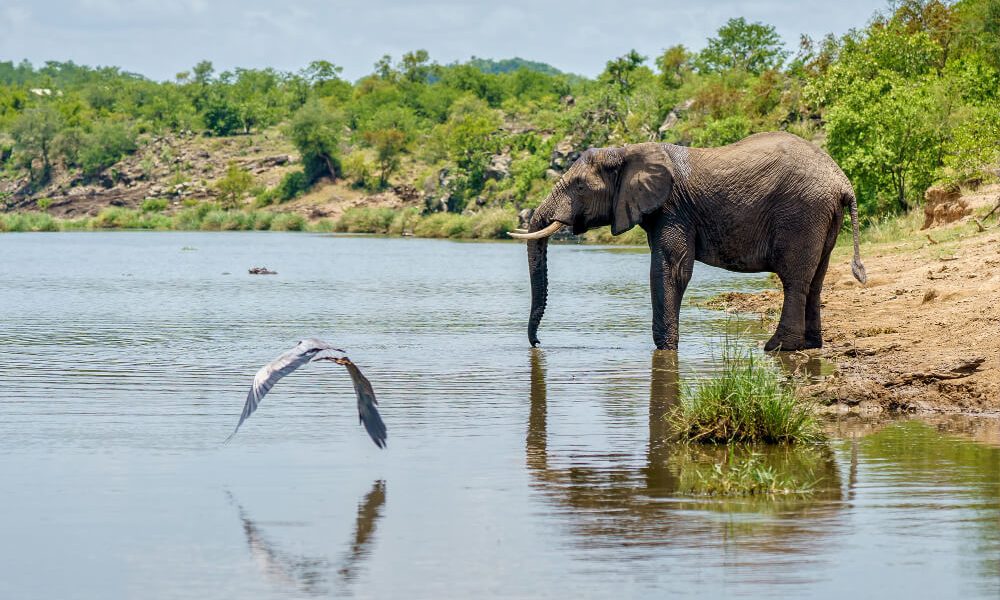
10 Days Tanzania Adventure
A comprehensive circuit through Tanzania’s northern parks for travellers with time to see the full picture.
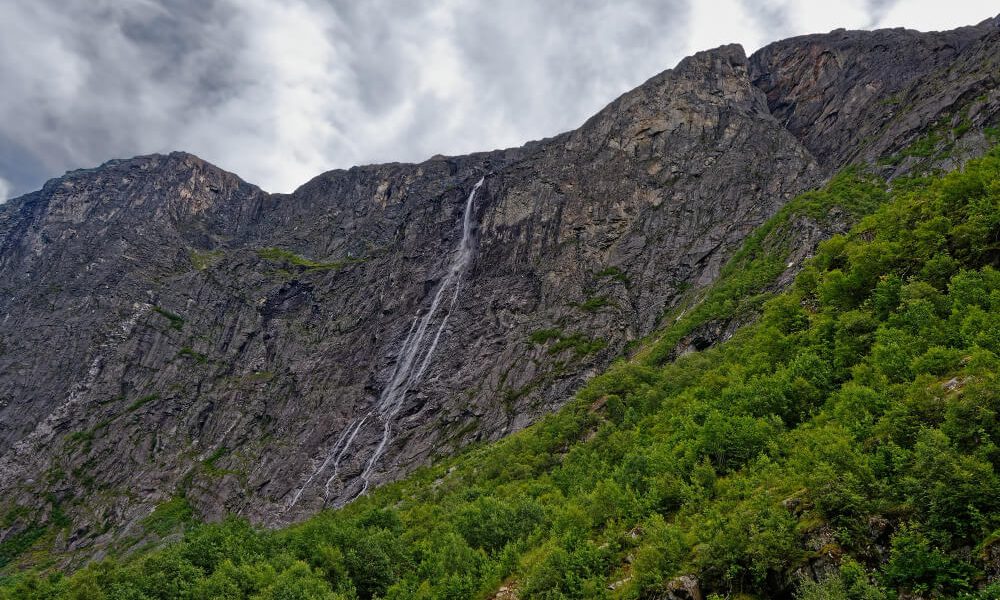
8 Days Kilimanjaro Trekking Adventure
A dedicated Kilimanjaro summit itinerary with a well-paced acclimatisation schedule.
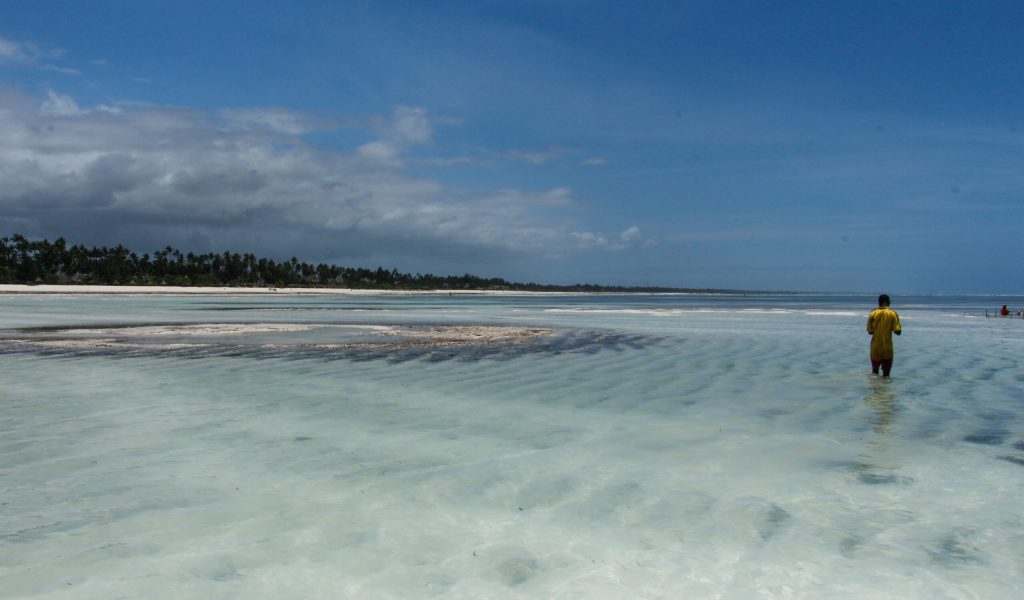
6 Days Spectacular Zanzibar
A relaxed week on Zanzibar’s beaches, with Stone Town history and marine activities included.
8 Days Serengeti, Ngorongoro & Zanzibar
The classic northern circuit paired with a closing beach stay on Zanzibar.
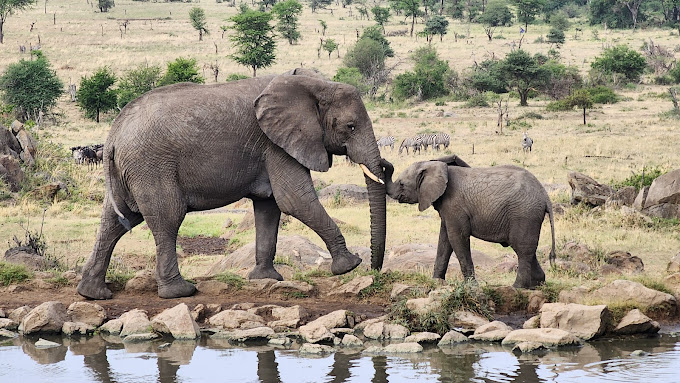
5 Days Serengeti & Ngorongoro
A focused five days covering Tanzania’s two most iconic wildlife destinations.
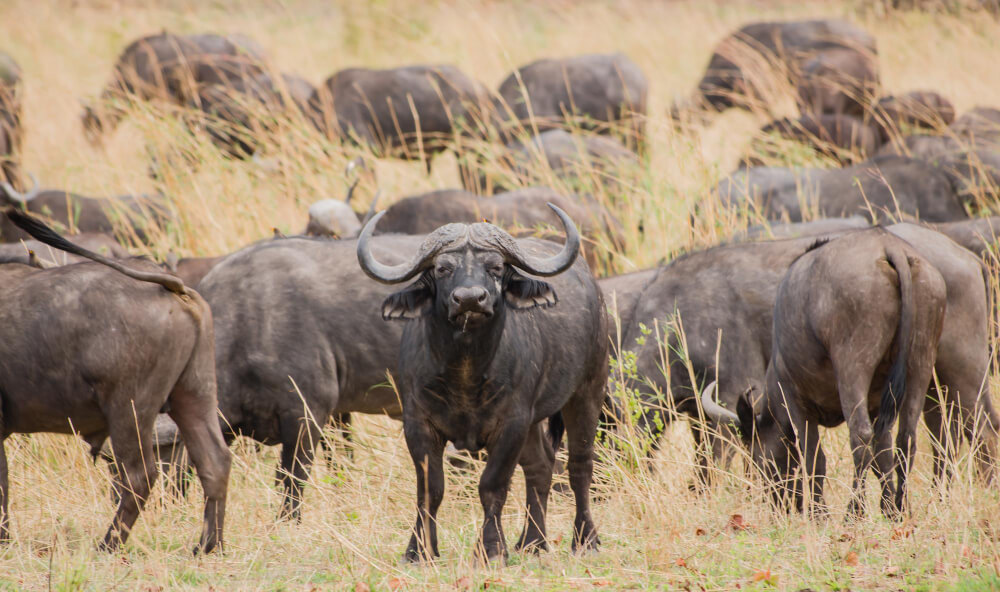
3 Days Serengeti Wildlife Safari
A concise introduction to the Serengeti for travellers with a short window of time.
9-Day Tanzania-Uganda Safari
A cross-border itinerary combining Tanzania’s northern circuit with Uganda’s primate trekking.
10 Day Ultimate Tanzania Safari
An in-depth circuit through Tanzania’s flagship northern parks with a well-paced itinerary.
7 Days Epic Northern Tanzania Safari
A full week across the northern circuit’s key wildlife areas.
8 Day Kilimanjaro Hiking Safari
An alternative Kilimanjaro route itinerary for climbers seeking a different trekking experience.
6 Days Ngorongoro, Serengeti & Tarangire
All three of Tanzania’s flagship northern circuit parks in a single well-paced week.
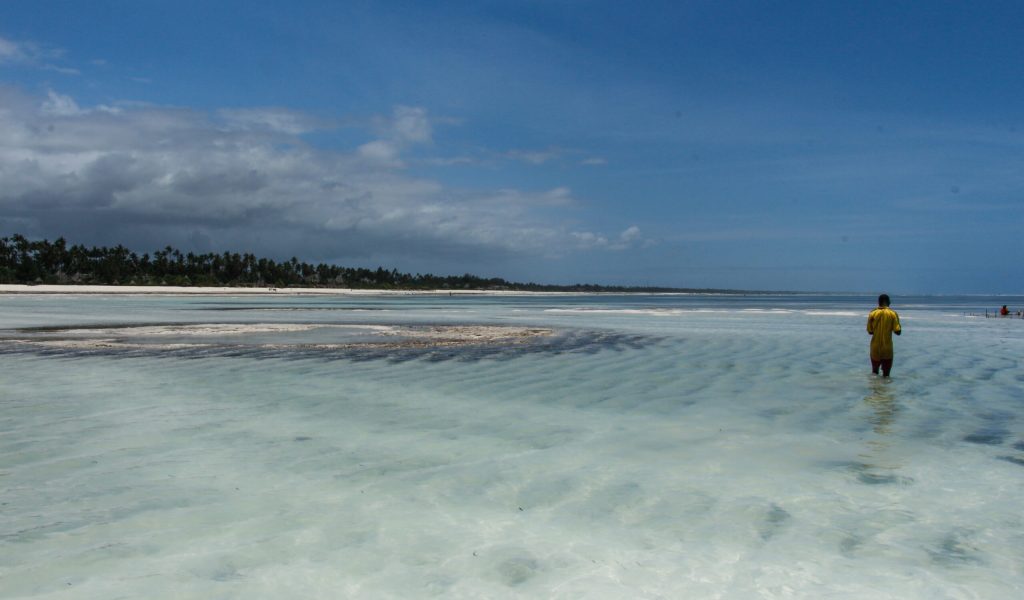
6 Day Zanzibar Stone Town & Snorkeling
Stone Town history paired with snorkelling and beach time on Zanzibar.