
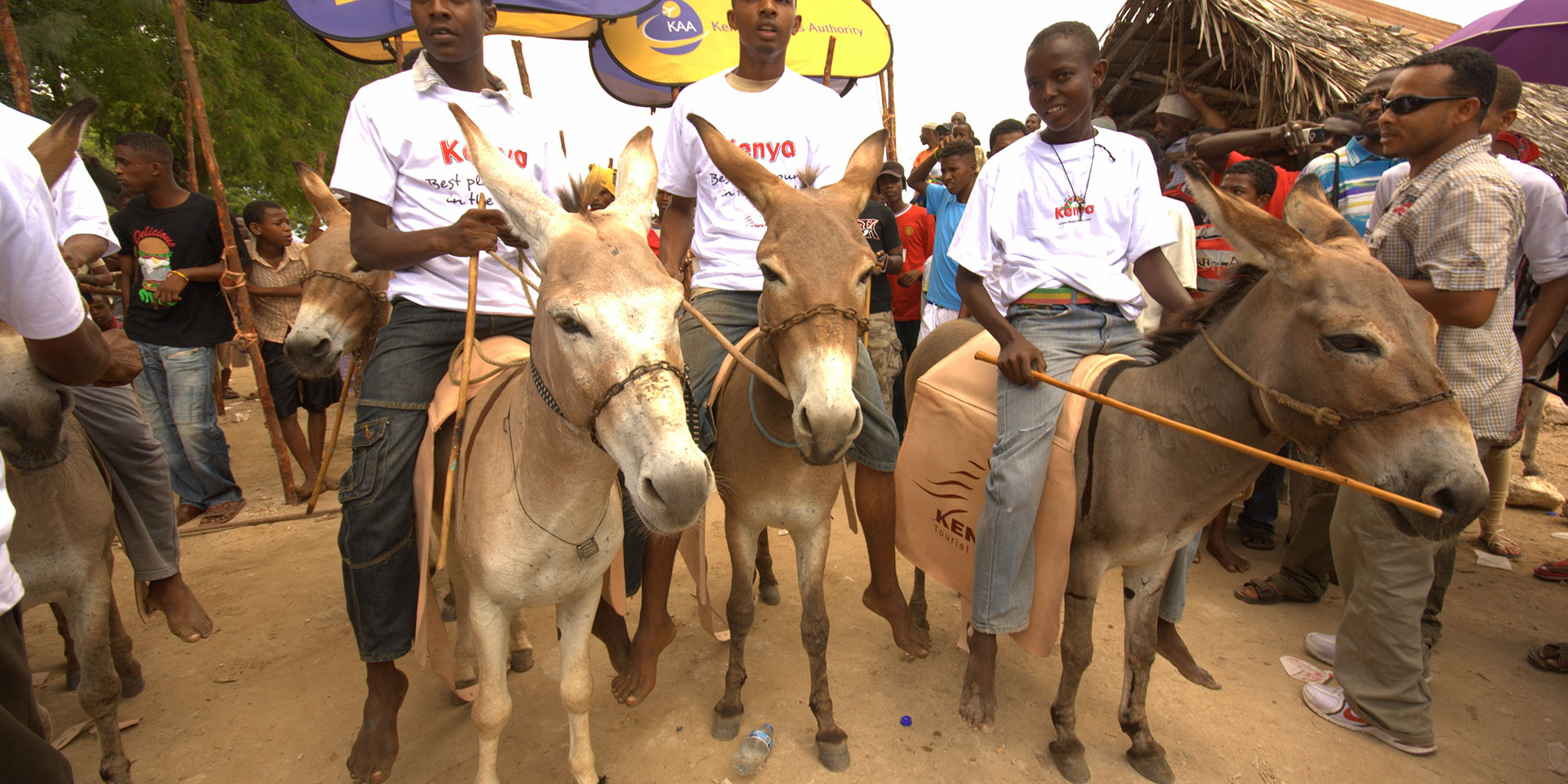
Lamu Cultural Festival: Donkey Races and Dhow Competitions
The Lamu Cultural Festival is one of Kenya’s most interesting cultural celebrations, bringing together traditional music, Swahili heritage, donkey races, dhow sailing competitions and local food. Held on Lamu Island along Kenya’s northern coast, the event attracts visitors interested in history, culture and traditional coastal lifestyles.
Unlike festivals centred mainly on modern entertainment, the Lamu Cultural Festival celebrates traditions that have shaped the island for generations.
Visitors can watch skilled sailors compete in traditional boats, enjoy exciting donkey races and learn about the customs of Lamu’s Swahili communities.
The festival also provides an opportunity to explore Lamu Old Town, a UNESCO World Heritage Site known for its historical buildings and narrow streets.
This guide explains what happens during the festival, when to visit, where to stay and how to plan your experience.
What Is the Lamu Cultural Festival?
The Lamu Cultural Festival is an annual celebration of Swahili culture organised through local cultural and tourism initiatives.
The festival promotes traditional activities associated with Lamu’s history, including sailing, poetry, music, handicrafts and community competitions.
Lamu has long been connected to Indian Ocean trade, fishing and coastal transport.
These activities influenced the development of its architecture, language, food and cultural traditions.
During the festival, residents and visitors gather to celebrate this heritage.
Many performances and competitions involve skills passed between generations.
The event helps preserve local traditions while supporting tourism businesses and cultural organisations.
When Is the Lamu Cultural Festival Held?
The festival is traditionally associated with November.
It commonly runs for approximately three days, although the exact dates and programme can change.
Several event calendars have published different dates for the 2026 edition. Travellers should therefore confirm the final schedule with the organisers or Lamu County authorities before booking.
Festival Information
| Detail | Information |
|---|---|
| Festival | Lamu Cultural Festival |
| Location | Lamu Island, Kenya |
| Usual period | November |
| Typical duration | Approximately 3 days |
| Main attractions | Donkey races and dhow competitions |
| Other activities | Traditional dances, poetry, crafts and food |
| Best accommodation area | Lamu Town or Shela |
Visitors should arrive at least one day before the main celebrations if possible.
This provides enough time to settle into their accommodation and understand the festival programme.
Donkey Races at the Lamu Cultural Festival
Donkey racing is one of the festival’s best-known attractions.
Donkeys have played an important role in Lamu’s daily life for generations.
Because the streets of Lamu Old Town are narrow and conventional motor vehicles are restricted, donkeys remain useful for transporting goods.
How Donkey Races Work
During the festival, riders compete along designated routes before crowds of spectators.
The competitions attract considerable local interest.
Participants demonstrate their ability to guide and control their animals while completing the course.
Spectators gather along suitable viewing areas to support their preferred competitors.
The races provide visitors with an opportunity to see a distinctive part of Lamu’s transport heritage.
Watching Donkey Races Responsibly
Visitors should follow instructions from organisers and avoid obstructing the racing route.
Do not approach moving animals or attempt to photograph them from unsafe positions.
Animal welfare should remain important during these activities.
If an animal appears injured, exhausted or distressed, spectators should report concerns to organisers rather than interfering directly.
Traditional Dhow Sailing Competitions
Dhow racing is another major attraction at the Lamu Cultural Festival.
Dhows are traditional sailing vessels associated with trade, fishing and transport along the East African coast.
They have been used throughout the Indian Ocean region for centuries.
What Happens During Dhow Races?
Teams compete by sailing traditional boats along designated routes.
Sailors depend on wind conditions, teamwork and navigation skills.
The competitions celebrate knowledge developed through generations of maritime activity.
Visitors can watch boats moving across the water while crews adjust their sails and compete for position.
Weather conditions influence sailing activities, and organisers may adjust schedules when necessary.
Best Places to Watch Dhow Competitions
Suitable viewing areas depend on the competition route.
Some visitors watch from the waterfront, while others may arrange boat excursions with established operators.
Always confirm that a viewing excursion is authorised and does not interfere with competitors.
If travelling by boat, wear a suitable life jacket and follow the crew’s instructions.
Other Cultural Activities at the Festival
The Lamu Cultural Festival includes several activities beyond donkey and dhow competitions.
Traditional Swahili Poetry
Poetry is an important part of Swahili cultural expression.
Festival programmes may include poetry recitations and competitions.
These performances offer visitors an introduction to traditional storytelling and artistic expression.
Traditional Dances and Music
Cultural groups perform dances associated with coastal communities.
Music may include traditional percussion, singing and performances influenced by the region’s history.
Visitors can enjoy these presentations while learning about local customs.
Henna Painting
Henna decoration is associated with celebrations and cultural traditions along the coast.
During the festival, visitors may see artists demonstrating decorative designs.
Those interested in henna should choose experienced artists using safe materials and avoid products containing potentially harmful additives.
Traditional Food
Lamu’s food reflects African, Arab and Indian Ocean influences.
Popular dishes include:
Pilau rice.
Coconut-based fish dishes.
Chapati.
Samosas.
Seafood.
Swahili-style curries.
Food stalls and restaurants provide opportunities to sample local cooking.
Choose establishments with good food hygiene practices.
Why Lamu Old Town Is Worth Visiting
Lamu Old Town is among East Africa’s best-preserved historical Swahili settlements.
Its architecture includes coral-stone buildings, carved wooden doors and narrow streets.
The town’s historical importance contributed to its recognition as a UNESCO World Heritage Site in 2001.
Visitors can explore traditional buildings, local markets and historical attractions.
A guided walking tour is particularly useful for understanding the town’s history.
Local guides can explain how trade, religion and maritime activities influenced Lamu’s development.
How to Travel to Lamu Island
Lamu is located along Kenya’s northern coast.
Visitors can reach the area by air or through a combination of road and boat transport.
Flying to Lamu
Flights serve Manda Airport, which is located on Manda Island.
After landing, visitors take a boat transfer to Lamu Island.
This is generally the most convenient option for travellers arriving from Nairobi.
Travelling by Road
Road travel is possible towards the Lamu area, followed by a boat transfer.
However, journeys can be lengthy.
Visitors should check current security and road conditions before choosing this option.
Getting Around Lamu
Walking is the main way to explore Lamu Old Town.
Boats connect nearby islands and coastal settlements.
Donkeys are also used for transporting goods.
Comfortable footwear is recommended because many streets have uneven surfaces.
Where to Stay During the Festival
Accommodation options include traditional guesthouses, boutique hotels and coastal lodges.
| Area | Accommodation experience | Best for |
|---|---|---|
| Lamu Town | Historic guesthouses and convenient access | Festival visitors |
| Shela | Beachside hotels and quieter surroundings | Couples and relaxation |
| Manda Island | Waterfront accommodation | Secluded stays |
| Nearby coastal properties | Resort-style accommodation | Longer holidays |
Lamu Town is convenient for visitors who want to attend several festival activities.
Shela offers a quieter atmosphere while remaining accessible by boat or on foot.
Accommodation can become limited during popular events.
Booking several weeks ahead is advisable.
What Is the Weather Like in November?
November falls within a period when Kenya’s coast may experience short rains.
Temperatures are generally warm, although humidity can be noticeable.
Rain showers may affect outdoor activities and boat departures.
Visitors should pack:
Lightweight clothing.
Comfortable walking shoes.
A waterproof jacket.
Sunscreen.
A hat.
Insect repellent.
A reusable drinking bottle.
Check weather conditions before arranging boat activities.
Practical Tips for Attending the Lamu Cultural Festival
Confirm the Festival Programme
Competition times and locations can change.
Ask your accommodation or local tourism representatives for the latest arrangements.
Respect Local Traditions
Lamu has a predominantly Muslim population.
Visitors should dress modestly when walking through residential areas.
Ask permission before photographing residents or private celebrations.
Protect Your Belongings
Crowded events require extra awareness.
Carry essential valuables securely and avoid displaying large amounts of money.
Arrange Boat Transfers Carefully
Choose established boat operators.
Confirm fares before travelling and avoid boarding overloaded vessels.
Support Local Businesses
Consider hiring local guides, purchasing locally made crafts and eating at established restaurants.
This helps tourism spending reach businesses operating within the community.
Suggested 4-Day Lamu Festival Itinerary
| Day | Suggested activity |
|---|---|
| Day 1 | Arrive in Lamu and explore the Old Town |
| Day 2 | Attend cultural performances and donkey races |
| Day 3 | Watch dhow competitions and enjoy local food |
| Day 4 | Visit Shela Beach before departure |
Adjust activities according to the confirmed festival programme.
Frequently Asked Questions
When Is the Lamu Cultural Festival?
The festival is traditionally held in November, although exact dates vary.
What Are the Main Festival Attractions?
Donkey races, dhow competitions, Swahili music, poetry, traditional dances and cultural displays are among the main attractions.
Can International Visitors Attend?
Yes. The festival welcomes visitors interested in Lamu’s cultural heritage.
Is Lamu Suitable for Family Travel?
Lamu can be suitable for families, although parents should supervise children around crowds, animals and waterfront areas.
The Lamu Cultural Festival provides an opportunity to experience Kenya’s Swahili heritage through traditional competitions, music, food and community celebrations.
Donkey races and dhow sailing competitions remain two of its most distinctive attractions.
Visitors can combine festival activities with historical sightseeing, local cuisine and coastal relaxation.
With advance accommodation bookings, reliable transport and respect for local customs, Lamu offers an enjoyable cultural travel experience.


No comment