
Kinyarwanda Greetings and Manners: Starting Conversations in Rwanda
Kinyarwanda greetings and manners are an important part of everyday life in Rwanda. Whether you are visiting Kigali, trekking mountain gorillas in Volcanoes National Park or exploring villages around Lake Kivu, learning a few local expressions can help you communicate respectfully. Simple words such as Muraho, Mwaramutse, Murakoze and Amakuru are useful when meeting guides, hotel staff, market traders and local families.
Kinyarwanda is widely spoken throughout Rwanda. Although English, French and Swahili are also official languages, Kinyarwanda remains the main language of everyday communication for most Rwandans.
You do not need to speak Kinyarwanda fluently to enjoy your holiday. Learning a few greetings and understanding basic manners can make conversations more comfortable.
Understanding Kinyarwanda in Rwanda
Kinyarwanda belongs to the Bantu language family and is closely related to Kirundi, which is widely spoken in neighbouring Burundi.
Unlike some East African countries where many different local languages are used, Rwanda has a widely shared national language.
You will hear Kinyarwanda in shops, markets, schools, restaurants and rural communities.
Languages You May Hear in Rwanda
| Language | Common use | Useful for travellers |
|---|---|---|
| Kinyarwanda | Everyday conversations throughout Rwanda | Greetings and cultural interactions |
| English | Tourism, education and business | Hotels, guides and visitor services |
| French | Business and some professional settings | Conversations with French-speaking residents |
| Swahili | Regional trade and some urban communities | Markets and cross-border travel |
English is commonly used in organised tourism, but language ability varies between individuals.
Common Kinyarwanda Greetings Travellers Hear
Greetings are an important part of polite communication in Rwanda.
People often acknowledge each other before discussing business or asking questions.
Muraho: Hello
Muraho is one of the most useful Kinyarwanda greetings.
It is a polite expression suitable when meeting someone, particularly in a respectful or formal setting.
You can use it when greeting your safari guide, hotel receptionist or a community member.
Example:
Traveller: Muraho!
Guide: Muraho!
Both people exchange a polite greeting.
Mwaramutse: Good Morning
Mwaramutse is a common morning greeting.
You may hear it when meeting your guide before an early game drive or leaving your accommodation for gorilla trekking.
The other person can respond with the same greeting.
For example:
Traveller: Mwaramutse!
Guide: Mwaramutse!
This is a simple exchange to practise before your holiday.
Mwiriwe: Good Afternoon or Evening
Mwiriwe is commonly used later in the day.
You might hear it when arriving at a restaurant, visiting a local market or returning to your lodge.
Like other greetings, it can be repeated in response.
Amakuru: How Are Things?
Amakuru literally refers to news but is commonly used to ask how someone is doing.
A suitable response is Ni meza, meaning things are good.
You can also say Ni meza, murakoze, meaning “Fine, thank you.”
Useful Kinyarwanda Greetings and Responses
| Kinyarwanda | English meaning | Suggested response |
|---|---|---|
| Muraho | Hello | Muraho |
| Mwaramutse | Good morning | Mwaramutse |
| Mwiriwe | Good afternoon or evening | Mwiriwe |
| Amakuru? | How are things? | Ni meza |
| Amakuru ki? | What’s new? | Ni meza |
| Bite? | How are things? Informal | Ni byiza |
| Murakoze | Thank you | A polite acknowledgement |
| Murakoze cyane | Thank you very much | A polite acknowledgement |
| Murabeho | Goodbye | Murabeho |
| Yego | Yes | Used to agree |
| Oya | No | Used to disagree |
Some expressions change depending on whether you address one person, several people or someone respectfully.
When uncertain, ask your guide which form is most appropriate.
Polite Kinyarwanda Expressions for Travellers
Greetings help start conversations, but polite expressions are equally useful.
Murakoze: Thank You
Murakoze means thank you.
You can use it when someone helps with your luggage, serves a meal or provides information.
Murakoze cyane expresses stronger appreciation and means thank you very much.
These are especially useful expressions for travellers.
Nyabuneka: Please
Nyabuneka is a polite way to say please when making requests.
For example, you might use it while asking for assistance at a hotel or restaurant.
A respectful tone remains important even when your pronunciation is imperfect.
Mbabarira: Sorry or Excuse Me
Mbabarira is used when apologising or asking forgiveness.
You might use it after accidentally disturbing someone or making a mistake.
If you are unsure whether the expression fits a particular situation, your guide can help.
Murabeho: Goodbye
Murabeho is a farewell expression, particularly when leaving someone.
You may hear it after visiting a community or saying goodbye to people you do not expect to meet again soon.
Kinyarwanda Manners and Respectful Communication
Understanding local manners can help you avoid uncomfortable situations.
Although personal preferences differ, respectful greetings and considerate behaviour are widely appreciated.
Greet People Before Asking Questions
When entering a small shop or approaching someone for directions, begin with a greeting.
For example, say Muraho before asking whether someone can help you.
This acknowledges the other person and makes the conversation more polite.
Respect Older People
Respect for elders is important in many Rwandan families and communities.
Use a polite greeting and listen carefully when an older person speaks.
Avoid assuming that informal expressions are appropriate for everyone.
Ask Before Taking Photographs
Always request permission before photographing people.
This is particularly important during village visits, market tours and cultural activities.
Some residents may prefer not to be photographed.
If someone declines, respect their decision.
Avoid Sensitive Personal Questions
Rwanda has experienced difficult historical events, including the 1994 genocide against the Tutsi.
Travellers should approach discussions about identity, family history and national tragedy carefully.
Allow people to decide whether they wish to discuss personal experiences.
Kinyarwanda Greetings During Different Travel Activities
Different travel situations provide opportunities to practise local expressions.
| Travel activity | Useful expression | When to use it |
|---|---|---|
| Hotel arrival | Muraho | Greeting reception staff |
| Morning game drive | Mwaramutse | Meeting your guide |
| Restaurant service | Murakoze | Thanking staff |
| Market shopping | Amakuru? | Beginning a conversation |
| Community visit | Muraho | Greeting local residents |
| After receiving assistance | Murakoze cyane | Expressing appreciation |
| Leaving a village | Murabeho | Saying goodbye |
These expressions are practical starting points. Local speakers may use additional words or respond differently.
Starting Conversations in Kigali
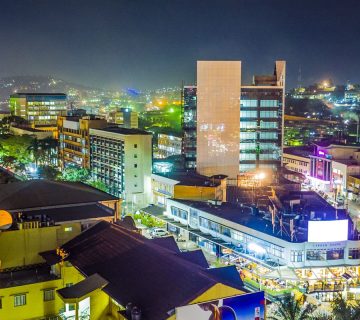
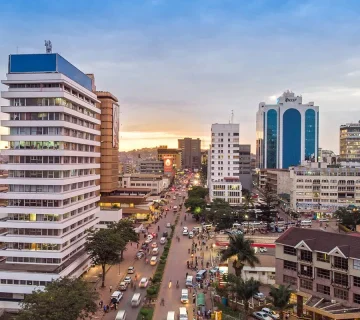
Kigali is often the first destination for international visitors arriving in Rwanda.
The city offers opportunities to practise greetings in hotels, shops, restaurants and cultural centres.
Greeting Hotel Staff
When arriving at your accommodation, you can begin with Muraho.
If someone assists with your bags, respond with Murakoze cyane.
Using these expressions shows that you have made an effort to learn basic local communication.
Speaking With Market Traders
Kigali’s markets offer opportunities to interact with local traders.
Begin with a greeting before asking about products.
Avoid taking photographs without permission.
If you need help translating prices or product descriptions, ask your guide.
Visiting Cultural Centres
Cultural centres may offer opportunities to learn traditional crafts, dance and everyday customs.
Listen to your host’s introduction before asking questions.
Showing interest in the activity and thanking the instructor afterwards are simple ways to participate respectfully.
Using Kinyarwanda During Gorilla Trekking
Gorilla trekking in Volcanoes National Park is one of Rwanda’s best-known tourism experiences.
You will usually communicate with your professional guide in English or another arranged language.
However, learning basic Kinyarwanda can help you greet porters, trackers and other local staff.
Before the Trek
You may meet your guide early in the morning.
A simple Mwaramutse is an appropriate greeting.
Listen carefully during the safety briefing and follow the instructions provided.
During the Forest Walk
You may hear guides or trackers communicating in Kinyarwanda.
Avoid interpreting unfamiliar instructions yourself.
Your guide will explain important information in your agreed language.
After the Trek
You can thank your guide, trackers and porters by saying Murakoze cyane.
This expresses appreciation for their assistance.
Pronouncing Basic Kinyarwanda Words
Kinyarwanda pronunciation can feel unfamiliar to English speakers.
The language uses sounds and speech patterns that do not always match English.
The following guide provides approximate pronunciations.
| Kinyarwanda word | Approximate pronunciation |
|---|---|
| Muraho | Moo-rah-ho |
| Mwaramutse | Mwah-rah-moot-seh |
| Mwiriwe | Mwee-ree-weh |
| Amakuru | Ah-mah-koo-roo |
| Murakoze | Moo-rah-ko-zeh |
| Yego | Yeh-go |
| Oya | Oh-yah |
These English spellings are only rough guides. Kinyarwanda also uses tone, which simple pronunciation tables cannot fully explain.
Ask a local speaker to demonstrate unfamiliar words and repeat them naturally.
Simple Kinyarwanda Conversations to Practise
Conversation One: Meeting Your Guide
Traveller: Muraho!
Guide: Muraho!
Traveller: Amakuru?
Guide: Ni meza.
Meaning: The traveller greets the guide and asks how things are going. The guide replies that everything is fine.
Conversation Two: Morning at the Lodge
Traveller: Mwaramutse!
Receptionist: Mwaramutse!
Traveller: Murakoze.
Meaning: Both people exchange morning greetings, followed by an expression of thanks.
Conversation Three: Saying Goodbye
Traveller: Murakoze cyane.
Host: Murabeho.
Traveller: Murabeho.
Meaning: The visitor thanks the host before they exchange farewells.
Common Mistakes to Avoid
Travellers sometimes try to memorise many expressions without understanding when to use them.
Learning fewer phrases correctly is usually more useful.
Avoid using informal greetings with everyone, particularly when speaking to elders or meeting someone formally.
Do not assume Kinyarwanda is interchangeable with Swahili. They are different languages.
Also remember that not every Rwandan speaks English fluently, particularly in rural areas.
When communication becomes difficult, speak slowly and ask your guide for assistance.
Learning Kinyarwanda Before Your Rwanda Safari
You can begin learning basic Kinyarwanda several days before travelling.
Start with five expressions:
Muraho: Hello.
Mwaramutse: Good morning.
Amakuru?: How are things?
Murakoze: Thank you.
Murabeho: Goodbye.
Practise them aloud for five minutes each day.
During your safari, ask your guide to teach you additional expressions.
You may gradually become comfortable recognising words used around you.
Kinyarwanda greetings and manners provide a useful introduction to Rwanda’s language and everyday culture.
Learning expressions such as Muraho, Mwaramutse, Amakuru and Murakoze can help you begin conversations and respond politely.
Respectful communication also involves listening carefully, asking permission before taking photographs and understanding appropriate behaviour during cultural visits.
Whether you are exploring Kigali, visiting Lake Kivu or trekking gorillas in Volcanoes National Park, basic Kinyarwanda can make your interactions with local people more comfortable and rewarding.
No comment