
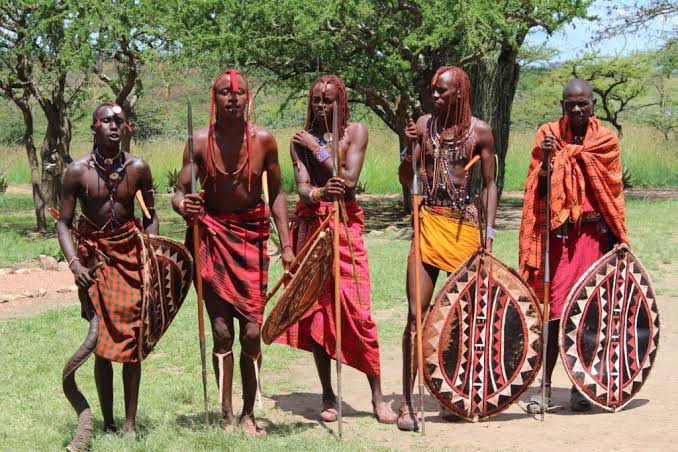
Maasai Age Sets: Warriors, Elders and Rites of Passage
The Maasai are among East Africa’s best-known pastoral communities, recognised for their distinctive clothing, cattle-keeping traditions and cultural ceremonies. However, understanding Maasai society involves more than observing traditional dress or watching cultural performances. Maasai age sets form an important part of the community’s traditional social organisation, connecting generations through shared responsibilities, ceremonies and stages of life.
The Maasai mainly inhabit areas of southern Kenya and northern Tanzania, including regions surrounding the Maasai Mara, Amboseli and Ngorongoro.
Traditionally, boys and young men join age groups that progress through different stages of social responsibility. These stages have historically included youth, warriorhood and elderhood.
Ceremonies mark important transitions, while elders help preserve cultural knowledge and guide community decisions.
Today, Maasai traditions continue to develop alongside formal education, modern employment, changing livelihoods and new social expectations.
This guide explains Maasai age sets, the responsibilities of warriors and elders, traditional rites of passage and respectful ways travellers can learn about Maasai culture.
Who Are the Maasai People?
The Maasai are a Nilotic-speaking community living primarily in Kenya and Tanzania.
They speak Maa, although many also use Swahili, English or other languages.
Cattle have traditionally played a central role in Maasai livelihoods, social relationships and cultural identity.
However, Maasai communities are diverse, and many people now work in education, tourism, business and other professions.
Important Features of Maasai Culture
| Cultural aspect | Description |
|---|---|
| Community | Maasai |
| Language | Maa |
| Main countries | Kenya and Tanzania |
| Traditional livelihood | Pastoralism |
| Social organisation | Age sets and community leadership |
| Warrior title | Moran or Ilmurran |
| Cultural leadership | Elders |
| Cultural expressions | Singing, dancing, beadwork and ceremonies |
Customs vary between Maasai sections, communities and generations.
What Are Maasai Age Sets?
Maasai age sets traditionally organise groups of males who enter recognised stages of adulthood during the same general period.
Members of an age set share a social identity and progress through important transitions together.
An age set is therefore more than a collection of people of similar ages.
It creates relationships associated with responsibility, cooperation and community belonging.
Understanding Age Sets and Age Grades
An age set refers to a recognised group of people initiated during a particular period.
An age grade describes the stage of social responsibility occupied by that group.
For example, members of an age set may spend part of their lives as warriors before progressing towards elderhood.
Traditional Maasai Life Stages
| Stage | Main association |
|---|---|
| Childhood | Family learning and early responsibilities |
| Youth | Preparation for initiation |
| Warriorhood | Community service and shared identity |
| Transition to elderhood | Increasing family and social responsibilities |
| Elderhood | Leadership, advice and cultural knowledge |
The timing and details of transitions vary between communities.
The Importance of Age Sets in Maasai Society
Age sets traditionally help organise responsibilities and relationships between generations.
Members may share experiences during initiation, training and ceremonial events.
These relationships can remain important throughout life.
Responsibilities Associated With Age Sets
Age-set traditions may encourage:
Cooperation between members.
Respect for elders.
Community responsibility.
Leadership development.
Cultural learning.
Social discipline.
Support during important ceremonies.
The system has changed over time, but it remains culturally significant in many Maasai communities.
Maasai Warriors: Understanding the Moran Stage
The warrior stage is one of the most recognised aspects of traditional Maasai society.
Young men who enter this stage are commonly called morans, or Ilmurran.
Historically, warriors had responsibilities connected with livestock protection and community security.
They also developed social relationships through shared activities and ceremonies.
Traditional Warrior Responsibilities
| Responsibility | Traditional importance |
|---|---|
| Livestock protection | Protecting valuable animals |
| Community security | Supporting community safety |
| Shared activities | Strengthening age-set relationships |
| Cultural ceremonies | Maintaining traditions |
| Learning from elders | Developing social knowledge |
| Physical discipline | Preparing for responsibilities |
Modern warriorhood does not necessarily involve the same activities practised in earlier generations.
Many young Maasai combine cultural responsibilities with education and employment.
Enkipaata: Preparing Young Men for Initiation
Enkipaata is an important traditional ceremony associated with preparing boys for entry into a new age set.
It introduces participants to cultural expectations and responsibilities.
The ceremony can involve community gatherings, instruction and activities organised by recognised cultural leaders.
What Young Participants Learn
Traditional preparation may include lessons about:
Respect for community members.
Cooperation.
Responsibility.
Cultural history.
Leadership.
Relationships between generations.
Some communities have adapted ceremonies to fit school calendars and modern circumstances.
Emuratare: Initiation and Adulthood
Emuratare is associated with male initiation traditions.
Historically, circumcision formed part of the transition towards recognised adult responsibilities.
The ceremony carries important social meaning in communities where it continues.
However, initiation practices vary, and not every Maasai person follows identical traditions.
Visitors should approach this subject respectfully.
Private initiation procedures are not ordinary tourism performances.
Eunoto: Transition From Warriorhood
Eunoto is one of the most important Maasai rites of passage.
It is traditionally associated with the transition of warriors towards a new stage of adulthood.
Ceremonies may involve gatherings, singing, blessings and symbolic acts.
The Meaning of Eunoto
Eunoto represents a change in social responsibility.
Participants begin moving away from the traditional warrior stage towards responsibilities connected with family and community life.
Hair shaving is among the symbolic practices associated with the ceremony.
However, the organisation and details of Eunoto differ between communities.
Olng’esherr: Moving Towards Elderhood
Olng’esherr is another important ceremony associated with Maasai male rites of passage.
It traditionally marks a significant transition towards elder status.
The ceremony reflects changing responsibilities and the importance of cultural leadership.
Comparing Major Maasai Rites of Passage
| Ceremony | Traditional association |
|---|---|
| Enkipaata | Preparation and induction |
| Emuratare | Initiation |
| Eunoto | Transition from warriorhood |
| Olng’esherr | Progression towards elderhood |
Enkipaata, Eunoto and Olng’esherr have received international recognition as important cultural heritage requiring safeguarding.
Maasai Elders and Their Responsibilities
Elders traditionally hold respected positions within Maasai social organisation.
Their responsibilities may include advising younger generations, participating in community discussions and preserving cultural knowledge.
Traditional Roles of Elders
Elders may contribute to:
Community leadership.
Cultural education.
Family discussions.
Traditional ceremonies.
Conflict resolution.
Preservation of oral history.
Guidance for younger age sets.
However, modern Maasai communities also participate in elected government institutions and formal administrative systems.
Traditional leadership operates alongside these structures.
The Relationship Between Warriors and Elders
The age-set system creates relationships between generations.
Younger men learn from older community members, while elders pass on knowledge and expectations.
Historically, this process helped maintain cultural continuity.
Generational Responsibilities
| Group | Main traditional emphasis |
|---|---|
| Children | Learning family and community customs |
| Young men | Preparing for adult responsibilities |
| Warriors | Shared service and discipline |
| Emerging elders | Family and community responsibilities |
| Senior elders | Advice and cultural leadership |
These roles describe traditional patterns rather than fixed rules followed by every Maasai individual today.
Maasai Women and Cultural Traditions
Women play important roles in Maasai family life, economic activities and cultural heritage.
Their contributions include household organisation, beadwork, agriculture in some communities, livestock-related activities and participation in ceremonies.
However, the male age-set system does not describe women’s lives in the same way.
Women and Rites of Passage
Historically, some Maasai communities practised female genital mutilation as part of initiation traditions.
This practice causes serious harm and has no health benefits.
It is prohibited under Kenyan and Tanzanian law.
Community organisations, educators and local leaders have supported alternative rites of passage that celebrate growing up without genital cutting.
Visitors should recognise these efforts and avoid treating harmful practices as cultural attractions.
Maasai Ceremonial Clothing and Beadwork
Clothing and decorative items are important elements of Maasai cultural expression.
Red and other brightly coloured garments are widely associated with Maasai dress.
Beadwork may communicate personal identity, aesthetic preferences and cultural relationships.
Common Cultural Items
| Item | Cultural association |
|---|---|
| Shuka | Traditional-style clothing |
| Beaded necklaces | Decoration and cultural expression |
| Bracelets | Personal adornment |
| Earrings | Decorative traditions |
| Walking sticks | Practical and cultural use |
| Ceremonial ornaments | Special occasions |
Designs and meanings vary between communities.
Ask local craftspeople about their work rather than assuming every colour has one universal meaning.
Traditional Maasai Singing and Dancing
Music accompanies many social and ceremonial occasions.
Group singing may involve coordinated vocal patterns and movement.
One widely recognised performance style includes vertical jumping, often associated with young men.
However, Maasai musical traditions extend beyond jumping demonstrations arranged for visitors.
Understanding Cultural Performances
A responsible cultural guide can explain:
The occasion associated with a song.
The role of participants.
Traditional clothing.
Musical patterns.
Cultural meaning.
Visitors should respect performers and avoid interrupting ceremonies.
Where to Learn About Maasai Age Sets
Travellers visiting Kenya and Tanzania may arrange cultural experiences through recognised local community organisations.
Kenya: Maasai Mara Region
Communities around the Maasai Mara offer opportunities to learn about pastoral life and cultural traditions.
Choose visits organised with community consent.
Kenya: Amboseli Region
The Amboseli area provides opportunities to combine wildlife viewing with suitable Maasai cultural experiences.
Tanzania: Ngorongoro Region
Maasai communities live in and around parts of the Ngorongoro region.
Cultural experiences should be arranged through authorised providers and follow local access regulations.
Comparing Maasai Cultural Destinations
| Destination | Country | Cultural experience |
|---|---|---|
| Maasai Mara region | Kenya | Community visits and cultural learning |
| Amboseli region | Kenya | Pastoral traditions |
| Kajiado | Kenya | Maasai heritage |
| Ngorongoro region | Tanzania | Community history and pastoral culture |
| Arusha region | Tanzania | Cultural programmes and local experiences |
How Maasai Traditions Are Changing
Education, migration, environmental pressures and changing livelihoods influence modern Maasai society.
Many young people maintain cultural identities while attending school or working outside traditional pastoral occupations.
Ceremonies may be shortened, rescheduled or adapted.
Some communities continue to place strong importance on age-set traditions.
Others practise them differently.
Avoid assuming that traditional Maasai life has remained unchanged.
Responsible Maasai Cultural Tourism
Cultural tourism should benefit participating communities and respect their choices.
Visitor Guidelines
Arrange visits through responsible local operators.
Ask permission before photography.
Respect private ceremonies.
Pay agreed cultural activity fees.
Purchase crafts fairly.
Avoid requesting demonstrations of harmful practices.
Listen to community members’ explanations.
Respect individual differences.
Maasai Age Sets
Understanding Maasai age sets provides a useful introduction to traditional social organisation in Kenya and Tanzania.
The movement between youth, warriorhood and elderhood reflects cultural values associated with responsibility, learning and community relationships.
Ceremonies such as Enkipaata, Eunoto and Olng’esherr help preserve important aspects of Maasai heritage.
However, modern Maasai communities are diverse, and cultural practices continue to change.
Travellers can learn about these traditions through respectful community visits, conversations and authorised cultural experiences.
Understanding the people and their history can make a Kenya or Tanzania safari more informative and rewarding.

No comment