
West Nile Culture: Lugbara Music, Food and Market Days
Uganda’s West Nile region offers travellers an opportunity to discover cultural traditions, local food, traditional music and busy trading communities. Located in northwestern Uganda, the region is home to several ethnic groups, including the Lugbara, Alur, Madi, Kakwa and other communities. West Nile culture is particularly interesting for visitors who want to explore destinations beyond Uganda’s better-known national parks.
The Lugbara are one of the major communities in West Nile, with a strong cultural presence around Arua, Maracha, Terego and neighbouring areas. Their heritage includes traditional music, storytelling, family customs, farming practices and local food preparation.
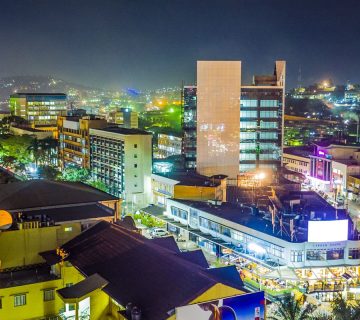
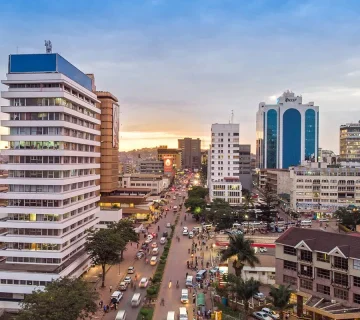
Arua City serves as an important commercial centre where visitors can experience daily trading activities, local markets and regional food traditions.
Market days are especially interesting because traders bring agricultural produce, household goods and handmade products from surrounding communities.
This guide explores Lugbara cultural traditions, music, food, markets and practical ways to experience everyday life in Uganda’s West Nile region.
Understanding West Nile Culture in Uganda
West Nile is a culturally diverse region in northwestern Uganda.
It lies near the borders with the Democratic Republic of Congo and South Sudan.
The region’s location has contributed to long-established trading relationships and cultural exchanges between neighbouring communities.
Major Cultural Communities in West Nile
| Community | Cultural presence |
|---|---|
| Lugbara | Arua, Maracha, Terego and surrounding areas |
| Alur | Nebbi, Zombo and neighbouring districts |
| Madi | Moyo, Adjumani and nearby communities |
| Kakwa | Koboko and surrounding areas |
| Other communities | Various towns and settlements |
Each community has its own language, traditions and historical experiences.
Visitors should avoid treating all West Nile cultures as identical.
Who Are the Lugbara People?
The Lugbara are a Central Sudanic-speaking community living mainly in northwestern Uganda and neighbouring parts of the Democratic Republic of Congo.
Their language, also called Lugbara, remains important in everyday communication and cultural identity.
Traditionally, Lugbara communities have relied heavily on agriculture.
Family relationships, clan histories and community customs have also played significant roles in social organisation.
Important Features of Lugbara Culture
| Cultural feature | Description |
|---|---|
| People | Lugbara |
| Language | Lugbara |
| Main Ugandan centre | Arua |
| Traditional livelihoods | Farming and livestock keeping |
| Staple food | Cassava |
| Cultural expressions | Music, dance and storytelling |
| Traditional organisation | Family and clan relationships |
| Regional activities | Agriculture, trade and crafts |
Modern Lugbara communities include farmers, traders, teachers, business owners and people working in many other professions.
Traditional Lugbara Music
Music is an important form of cultural expression among Lugbara communities.
Traditional songs may communicate messages about family life, relationships, community values and historical experiences.
Music can accompany celebrations, social gatherings and organised cultural performances.
Traditional Musical Instruments
Different instruments contribute to music in the West Nile region.
Some are shared between neighbouring communities, reflecting the region’s cultural connections.
| Instrument | Musical role |
|---|---|
| Adungu | Melodic accompaniment |
| Traditional drums | Rhythm |
| Gourd trumpets | Ceremonial or traditional music |
| Rattles | Rhythmic accompaniment |
| Handclapping | Group participation |
| Voice | Songs and storytelling |
The adungu is an arched harp particularly associated with musical traditions in northwestern Uganda.
It is used among several communities, including the Alur and Lugbara.
Lugbara Traditional Dance
Traditional dance provides opportunities for communities to celebrate important occasions and express cultural identity.
Performances may include coordinated movements, drumming and singing.
Gaze Dance
Gaze is associated with Lugbara dance traditions in the West Nile region.
Performances may take place during cultural events and organised celebrations.
The movements, costumes and musical accompaniment depend on the performing group.
Dance and Community Celebrations
Traditional music and dance can feature during:
Marriage celebrations.
Community gatherings.
Cultural festivals.
Family occasions.
Organised tourism performances.
Visitors should ask local performers to explain the meaning of particular dances.
A staged performance may differ from how a dance is used during community ceremonies.
Comparing West Nile Musical Traditions
| Cultural expression | Main feature |
|---|---|
| Adungu music | Arched harp melodies |
| Gaze dance | Lugbara dance tradition |
| Traditional drumming | Rhythmic performance |
| Storytelling songs | Cultural messages |
| Community dance | Social participation |
Lugbara Food and Traditional Cooking
Food is an important part of everyday life in West Nile.
Agriculture provides many ingredients used in household meals.
Cassava is a major staple crop, alongside millet, beans, groundnuts and vegetables.
Cassava and Enyasa
Cassava is widely grown and consumed in Lugbara communities.
It can be processed into flour and prepared as a firm staple food.
Enyasa is a traditional cassava-based food associated with Lugbara cooking.
Cassava preparation requires appropriate processing because some varieties contain naturally occurring substances that can be harmful if not properly removed.
Visitors should eat food prepared by experienced cooks.
Millet and Other Staple Foods
Millet has long been cultivated in the region.
It may be prepared into different foods depending on household preferences.
Beans and groundnut sauces commonly accompany staple dishes.
Traditional Foods Found in West Nile
| Food | Description |
|---|---|
| Cassava | Major staple crop |
| Enyasa | Traditional cassava-based food |
| Millet | Grain used in local meals |
| Beans | Common household food |
| Groundnut sauce | Sauce prepared using groundnuts |
| Sweet potatoes | Staple food |
| Vegetables | Seasonal dishes |
| Simsim | Sesame used in various foods |
Cooking methods vary between communities and households.
A guided food experience can introduce travellers to local ingredients and preparation techniques.
Farming and Everyday Life in Lugbara Communities
Agriculture remains an important livelihood in many rural areas.
Families cultivate crops for household consumption and local markets.
Common crops include cassava, beans, groundnuts, maize and millet.
Understanding Local Farming
During a community visit, travellers may learn about:
Crop cultivation.
Harvesting.
Cassava processing.
Food storage.
Local trading.
Seasonal farming activities.
Farming practices differ according to rainfall, land availability and household resources.
Market Days in West Nile
Markets are an important part of economic and social life.
In many communities, particular days attract traders from surrounding villages.
People bring agricultural produce, household goods and other products for sale.
Market schedules vary between locations.
Some urban markets operate daily, while smaller rural trading centres may have designated market days.
What Happens on Market Days?
Visitors may observe:
Farmers selling fresh produce.
Traders displaying household items.
Food vendors preparing local meals.
People purchasing agricultural supplies.
Transporters delivering goods.
Craftspeople selling handmade products.
Markets provide opportunities to understand everyday trade and community interaction.
Popular Market Areas Around Arua
Arua is one of the main commercial centres in northwestern Uganda.
Its markets attract traders and customers from different communities.
The city’s location supports regional trading connections.
Markets and Trading Centres
| Location | Main interest |
|---|---|
| Arua City | Urban trade and daily markets |
| Maracha | Rural community trading |
| Terego | Agricultural markets |
| Koboko | Regional trade |
| Nebbi | Local commerce |
| Smaller village markets | Agricultural produce and community activity |
Specific market days should be confirmed locally because schedules can change.
What Travellers Can Buy in West Nile Markets
Markets offer a range of practical products.
Some are produced locally, while others arrive through regional trade.
Common Market Products
| Product | Common purpose |
|---|---|
| Cassava flour | Household food |
| Beans | Cooking |
| Groundnuts | Food preparation |
| Fresh vegetables | Daily meals |
| Fruit | Household consumption |
| Baskets | Storage and household use |
| Clothing | Personal use |
| Handmade items | Practical and decorative purposes |
Visitors interested in buying crafts should ask about their materials and origin.
Not every product sold in a market is locally manufactured.
How to Visit Markets Respectfully
Markets are working environments where people earn their livelihoods.
Visitors should avoid blocking stalls or interrupting transactions.
Ask permission before photographing traders.
If purchasing goods, negotiate politely where bargaining is customary.
Do not photograph children without appropriate permission.
Responsible Market Visit Checklist
Use a knowledgeable local guide.
Carry suitable small cash denominations.
Ask before taking photographs.
Respect business activities.
Avoid unnecessary crowding.
Buy products at fair prices.
Keep personal belongings secure.
Lugbara Family and Community Traditions
Family relationships are important in Lugbara society.
Traditional social structures have included clan relationships and respect for elders.
Oral histories help preserve knowledge of ancestry and community customs.
Storytelling and Cultural Knowledge
Stories may explain historical events, family relationships and traditional beliefs.
Some stories are shared during family gatherings.
Visitors can learn about these traditions through community educators and local guides.
However, not every cultural subject is appropriate for public discussion.
Respect personal and family boundaries.
Where to Experience Lugbara Culture
Travellers interested in Lugbara heritage can arrange community experiences around Arua and neighbouring districts.
Arua City
Arua provides accommodation, markets and opportunities to explore contemporary West Nile life.
Maracha
Maracha offers opportunities to learn about rural livelihoods and Lugbara community heritage.
Terego
Terego is another area associated with Lugbara communities and agricultural activities.
Community Cultural Experiences
Suitable local organisers may arrange:
Guided village walks.
Traditional food experiences.
Music performances.
Craft demonstrations.
Market visits.
Cultural storytelling.
Availability depends on community schedules and local providers.
Combining West Nile Culture With Uganda Safaris
West Nile can be included in a longer northern Uganda itinerary.
Travellers visiting Murchison Falls National Park may continue towards Arua when their schedule allows.
However, driving distances are considerable.
Allow enough time for transfers and cultural activities.
Example 4-Day West Nile Cultural Itinerary
| Day | Suggested activity |
|---|---|
| Day 1 | Arrival in Arua and relaxation |
| Day 2 | Guided city and market experience |
| Day 3 | Lugbara community and food experience |
| Day 4 | Cultural activity and departure |
This programme can be adjusted according to local arrangements.
Best Time to Visit West Nile
The region can be visited throughout the year.
Weather conditions vary, with wetter periods affecting some rural roads.
For cultural experiences, market schedules and community availability are important considerations.
Ask your guide about suitable travel dates.
How Much Do Cultural Visits Cost?
Cultural activities vary in price according to duration and arrangements.
Some experiences involve guiding, transport and meals.
Others charge separately for performances or demonstrations.
| Expense | Possible inclusion |
|---|---|
| Local guide | Cultural interpretation |
| Transport | Travel between communities |
| Traditional meal | Food experience |
| Music performance | Organised presentation |
| Market visit | Guided interpretation |
| Craft purchase | Handmade products |
Request an itemised quotation before booking.
Common Cultural Travel Mistakes
Assuming all West Nile communities share identical customs: Recognise cultural differences.
Visiting markets without checking schedules: Confirm market days.
Photographing people without permission: Respect privacy.
Expecting performances without arrangements: Book suitable experiences.
Ignoring long driving distances: Plan sufficient travel time.
Treating communities as attractions: Approach visits respectfully.
West Nile Culture
Exploring West Nile culture offers opportunities to understand Lugbara traditions, regional music, local food and everyday market activities.
Arua provides a practical starting point for travellers interested in northwestern Uganda.
Traditional instruments, dance performances, cassava-based meals and community markets contribute to the region’s cultural identity.
Choose responsible local guides, support community businesses and respect cultural customs.
A visit to West Nile can provide a rewarding introduction to one of Uganda’s culturally diverse regions.
No comment