
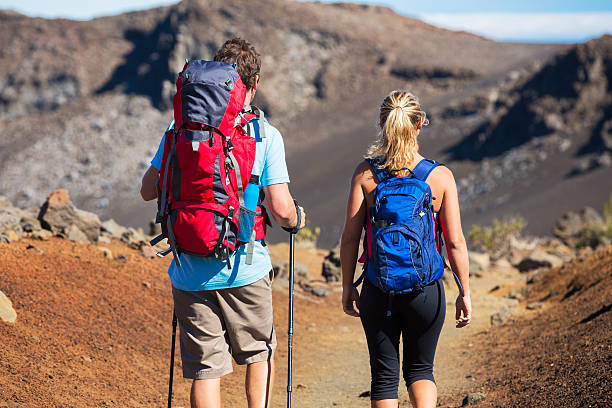
Choosing a Safari Daypack: Size, Pockets and Water Capacity
Choosing a safari daypack is an important part of preparing for a wildlife holiday in Uganda, Kenya, Tanzania and Rwanda. Whether you are exploring the savannah on a game drive, trekking through tropical rainforest or enjoying a guided nature walk, a comfortable and practical backpack helps keep essential belongings organised and accessible.
Safari activities often involve long hours away from accommodation. Travellers may need drinking water, cameras, snacks, rain jackets, insect repellent, binoculars and personal medication.
However, carrying an oversized backpack can become uncomfortable, particularly during gorilla trekking or long walking safaris.
A daypack should provide enough storage for essential equipment without adding unnecessary weight. Features such as adjustable shoulder straps, organised pockets, breathable back panels and convenient water compartments can make a significant difference.
The best safari daypack depends on your planned activities, the duration of outings and the amount of equipment you intend to carry.
This guide explains how to choose the right backpack size, organise your belongings, plan water capacity and select practical features for East African safari adventures.
Why Do You Need a Safari Daypack?
A daypack is a smaller backpack designed to carry personal belongings during daytime activities.
Unlike a large travel bag or suitcase, it remains accessible throughout the day.
Common Safari Daypack Uses
| Activity | Typical belongings |
|---|---|
| Game drive | Camera, binoculars, water and sunscreen |
| Gorilla trekking | Rain jacket, snacks and drinking water |
| Chimpanzee tracking | Water, camera and personal essentials |
| Walking safari | Water, protective clothing and medication |
| Boat safari | Camera, sun protection and waterproof pouch |
| Cultural excursion | Phone, documents and personal items |
| Nature walk | Water, snacks and field guide |
A well-organised daypack reduces the need to repeatedly search through luggage.
What Size Daypack Is Best for Safari?
Backpack capacity is usually measured in litres.
The ideal size depends on how much equipment you need and how long you expect to remain outdoors.
Safari Daypack Size Comparison
| Capacity | Best suited for |
|---|---|
| 5–10 litres | Minimal personal items |
| 10–15 litres | Short game drives |
| 15–20 litres | General safari activities |
| 20–25 litres | Gorilla trekking and nature walks |
| 25–30 litres | Longer hikes or bulky equipment |
| 30–40 litres | Specialist outings with additional gear |
For most travellers, a 15–25-litre daypack provides a good balance between storage capacity and comfort.
Larger backpacks are useful only when additional equipment is necessary.
Is a 20-Litre Daypack Enough?
A 20-litre backpack is suitable for many safari activities.
It can accommodate essential items without becoming excessively bulky.
Example 20-Litre Daypack Contents
| Item | Purpose |
|---|---|
| Water bottle | Hydration |
| Lightweight rain jacket | Weather protection |
| Camera or phone | Photography |
| Snacks | Energy |
| Sunscreen | Sun protection |
| Insect repellent | Bite prevention |
| Personal medication | Health requirements |
| Small first-aid supplies | Minor needs |
| Binoculars | Wildlife viewing |
Actual capacity depends on the size and shape of individual belongings.
Daypack Size for Gorilla Trekking
Gorilla trekking in Uganda’s Bwindi and Mgahinga national parks and Rwanda’s Volcanoes National Park often involves several hours of walking.
Trails may be muddy, steep or covered with thick vegetation.
A comfortable backpack is particularly important.
Recommended Gorilla Trekking Features
| Feature | Why it matters |
|---|---|
| 20–25-litre capacity | Room for essentials |
| Adjustable shoulder straps | Improved fit |
| Chest strap | Better stability |
| Hip belt | Additional load support |
| Rain cover | Protects contents |
| Water compartment | Convenient hydration |
| Lightweight construction | Reduces fatigue |
Travellers should choose a backpack they can carry comfortably over uneven terrain.
Daypack Size for Game Drives
Game drives generally involve travelling in a safari vehicle.
Because visitors are not usually carrying their backpacks continuously, a compact daypack is often sufficient.
Game Drive Packing
Carry binoculars.
Bring a camera or smartphone.
Pack drinking water.
Include sunscreen and sunglasses.
Keep a lightweight jacket available.
Carry essential medication.
Avoid bringing unnecessary bulky equipment.
A 10–20-litre daypack is often suitable for ordinary vehicle-based safaris.
Why Backpack Pockets Matter
Good pocket organisation makes it easier to find frequently used items.
A backpack with one large compartment may hold everything but can become inconvenient when searching for smaller belongings.
Useful Safari Backpack Pockets
| Recommended contents | |
|---|---|
| Main compartment | Clothing and larger equipment |
| Front organiser pocket | Small accessories |
| Side bottle pocket | Drinking water |
| Internal zipped pocket | Documents and valuables |
| Top pocket | Sunglasses or headlamp |
| Padded compartment | Compatible electronics |
| Hip-belt pocket | Small frequently used items |
Choose pockets that are practical rather than selecting a backpack simply because it has many compartments.
Are Side Water Bottle Pockets Important?
Side pockets provide convenient access to water during outdoor activities.
Many daypacks include elastic mesh or fabric bottle holders.
Water Bottle Pocket Benefits
Easy access.
Separate storage from electronics.
Convenient refilling.
Less need to open the main compartment.
However, bottles should fit securely and should not fall out when bending or walking over uneven terrain.
How Much Water Should You Carry?
Water requirements vary according to temperature, activity intensity, duration, altitude and individual health needs.
A short morning game drive generally requires less carried water than a demanding forest trek.
Practical Water Planning Guide
| Activity | Suggested starting provision |
|---|---|
| Short vehicle game drive | Approximately 500 ml–1 litre |
| Half-day outdoor activity | Approximately 1–2 litres |
| Gorilla trekking | Often 2 litres or more, depending on conditions |
| Extended walking safari | Guide-directed supply based on duration and weather |
| Hot-weather hiking | Additional water may be necessary |
These are planning examples, not fixed medical requirements. Ask your guide about suitable water quantities, refill opportunities and expected conditions.
Drink according to your needs and avoid relying on a single universal quantity.
Water Bottles vs Hydration Bladders
Safari travellers can carry water using bottles or a hydration reservoir.
Both systems have advantages.
Hydration System Comparison
| Feature | Water bottle | Hydration bladder |
|---|---|---|
| Easy refilling | Excellent | Depends on design |
| Drinking while walking | Requires handling | Convenient |
| Cleaning | Usually simple | Requires more care |
| Monitoring water remaining | Often easy | Less convenient |
| Leakage risk | Cap-dependent | Connection-dependent |
| Suitable for trekking | Yes | Yes |
For gorilla trekking, a hydration bladder can be convenient because it allows drinking without repeatedly removing the backpack.
Is a Hydration Bladder Necessary?
No. Many travellers complete forest treks using ordinary reusable water bottles.
Hydration bladders are useful for people who prefer frequent small drinks while walking.
However, they require regular cleaning.
Hydration Bladder Precautions
Fill with safe drinking water.
Check for leaks.
Clean the drinking tube.
Dry the reservoir after use.
Avoid storing water inside for extended periods.
Carry a suitable backup when required.
Choosing Comfortable Shoulder Straps
Backpack comfort becomes particularly important during long hikes.
Poorly fitted shoulder straps can create pressure and discomfort.
Features to Look For
Adjustable strap length.
Suitable padding.
Comfortable shoulder positioning.
Strong stitching.
Breathable material.
Easy adjustment while wearing the pack.
Try the backpack with some weight inside before departure.
Do You Need a Chest Strap and Hip Belt?
A chest strap helps prevent shoulder straps from spreading apart.
A hip belt can transfer some backpack weight towards the hips.
Support Features
| Feature | Main benefit |
|---|---|
| Chest strap | Stabilises shoulder straps |
| Hip belt | Supports heavier loads |
| Padded back panel | Improves comfort |
| Adjustable harness | Improves fit |
| Compression straps | Reduces load movement |
For short game drives, these features may be less important.
For demanding gorilla hikes, they can improve comfort.
Waterproof vs Water-Resistant Daypacks
East African weather can change unexpectedly.
Rain is particularly common in tropical forest destinations.
Rain Protection Comparison
| Feature | Water-resistant pack | Waterproof pack |
|---|---|---|
| Light rain | Often suitable | Suitable |
| Heavy rainfall | May leak | Depends on construction |
| Sealed seams | Not always | Often included |
| Submersion | Generally unsuitable | Only rated designs |
| General safari use | Practical with rain cover | Useful for wet activities |
Even waterproof backpacks require correct closure and maintenance.
Should You Buy a Backpack Rain Cover?
A rain cover provides an additional layer of protection.
It is particularly useful for gorilla trekking, chimpanzee tracking and wet-season walks.
However, water may still enter through uncovered sections.
For important electronics and documents, use waterproof internal storage bags as well.
What Backpack Material Is Best?
Daypacks are commonly manufactured using nylon, polyester and other synthetic materials.
Material Comparison
| Material | Main characteristic |
|---|---|
| Nylon | Often lightweight and durable |
| Polyester | Practical and commonly available |
| Ripstop fabric | Designed to resist tear propagation |
| Coated synthetic fabric | Additional water resistance |
| Heavy canvas | Durable but may retain moisture |
A lightweight, durable synthetic backpack is suitable for most safari travellers.
Safari Daypacks in Uganda
Uganda offers several different safari environments.
Daypack requirements vary between savannah game drives and rainforest trekking.
Uganda Daypack Recommendations
| Destination | Suggested daypack |
|---|---|
| Bwindi | 20–25 litres |
| Mgahinga | 20–25 litres |
| Kibale | 15–25 litres |
| Queen Elizabeth | 10–20 litres |
| Murchison Falls | 10–20 litres |
| Kidepo Valley | 10–20 litres |
| Lake Mburo | 10–20 litres |
These sizes are practical suggestions rather than park requirements.
Safari Daypacks in Kenya
Kenya’s Maasai Mara, Amboseli and Samburu are popular for vehicle-based wildlife safaris.
A compact backpack is usually sufficient for personal equipment.
For travellers combining game drives with guided walking activities, a more supportive daypack may be useful.
Avoid leaving food accessible to wildlife around camps and picnic areas.
Safari Daypacks in Tanzania
Tanzania’s Serengeti, Tarangire and Ngorongoro provide extensive game-drive opportunities.
Visitors may spend long hours inside safari vehicles.
A daypack should keep water, cameras, personal medication and protective clothing readily accessible.
For walking safaris, follow the operator’s advice about equipment and permitted personal belongings.
Safari Daypacks in Rwanda
Rwanda’s Volcanoes National Park offers gorilla trekking, while Akagera provides savannah wildlife viewing.
Rwanda Packing Considerations
Gorilla trekking requires comfortable carrying support.
Akagera game drives suit smaller daypacks.
Nyungwe forest walks may require rain protection.
Water capacity should match activity duration.
Visitors should select backpacks according to the actual itinerary rather than country alone.
What Colour Daypack Should You Choose?
Neutral colours such as olive, khaki, brown, grey and dark green are popular for safari activities.
However, backpack comfort and functionality matter more than colour.
Avoid selecting a poorly designed pack simply because it looks suitable for safari.
Some guided walking activities may have specific clothing or equipment recommendations, so confirm with your operator.
Packing Camera Equipment in a Daypack
Photography equipment requires additional protection.
Camera Packing Tips
Use padded inserts.
Protect spare lenses.
Keep batteries in suitable cases.
Separate water bottles from electronics.
Use waterproof internal pouches.
Avoid overloading the backpack.
For specialist photographic safaris, a dedicated camera backpack may be preferable.
Safety and Security Features
Safari travellers should keep important belongings secure.
Useful Security Features
| Feature | Benefit |
|---|---|
| Internal zipped pocket | Protects small valuables |
| Strong zips | Reduces accidental opening |
| Secure bottle holders | Prevents dropped items |
| Simple compartments | Easier organisation |
| Comfortable straps | Better control while walking |
Avoid storing passports or large amounts of cash in easily accessible exterior pockets.
Common Daypack Mistakes
Some travellers purchase backpacks that are too large for their activities.
Others choose fashionable designs without considering comfort.
Mistakes to Avoid
Overpacking.
Choosing inadequate shoulder straps.
Carrying insufficient drinking water.
Ignoring rain protection.
Buying uncomfortable backpacks.
Packing heavy items unevenly.
Leaving valuables in external pockets.
Failing to test the backpack before travel.
A comfortable daypack should support your safari activities rather than become an additional burden.
Frequently Asked Questions
What Size Daypack Is Best for an African Safari?
A 15–25-litre backpack is suitable for many travellers, although game drives may require less capacity.
Is a 20-Litre Backpack Enough for Gorilla Trekking?
For many visitors, yes, provided it accommodates sufficient water, protective clothing, snacks and personal essentials.
Should I Carry a Hydration Bladder?
It is optional. Reusable bottles are also suitable when properly secured.
Do I Need a Waterproof Backpack?
Not necessarily. A water-resistant backpack with a rain cover and internal dry bags can provide practical protection.
Can I Carry a Camera in an Ordinary Daypack?
Yes, provided the camera receives suitable padding and protection from moisture and impacts.
Choosing the Right Safari Daypack
A well-designed safari daypack makes wildlife adventures more comfortable and organised.
Whether exploring Uganda’s rainforest trails, Kenya’s savannahs, Tanzania’s national parks or Rwanda’s mountain landscapes, travellers benefit from practical storage and dependable carrying comfort.
The ideal backpack should provide sufficient space for water, personal equipment and weather protection without adding unnecessary weight.
For most East African safari travellers, a comfortable 15–25-litre daypack with organised pockets, secure water storage, adjustable straps and suitable rain protection is an excellent choice.

No comment