
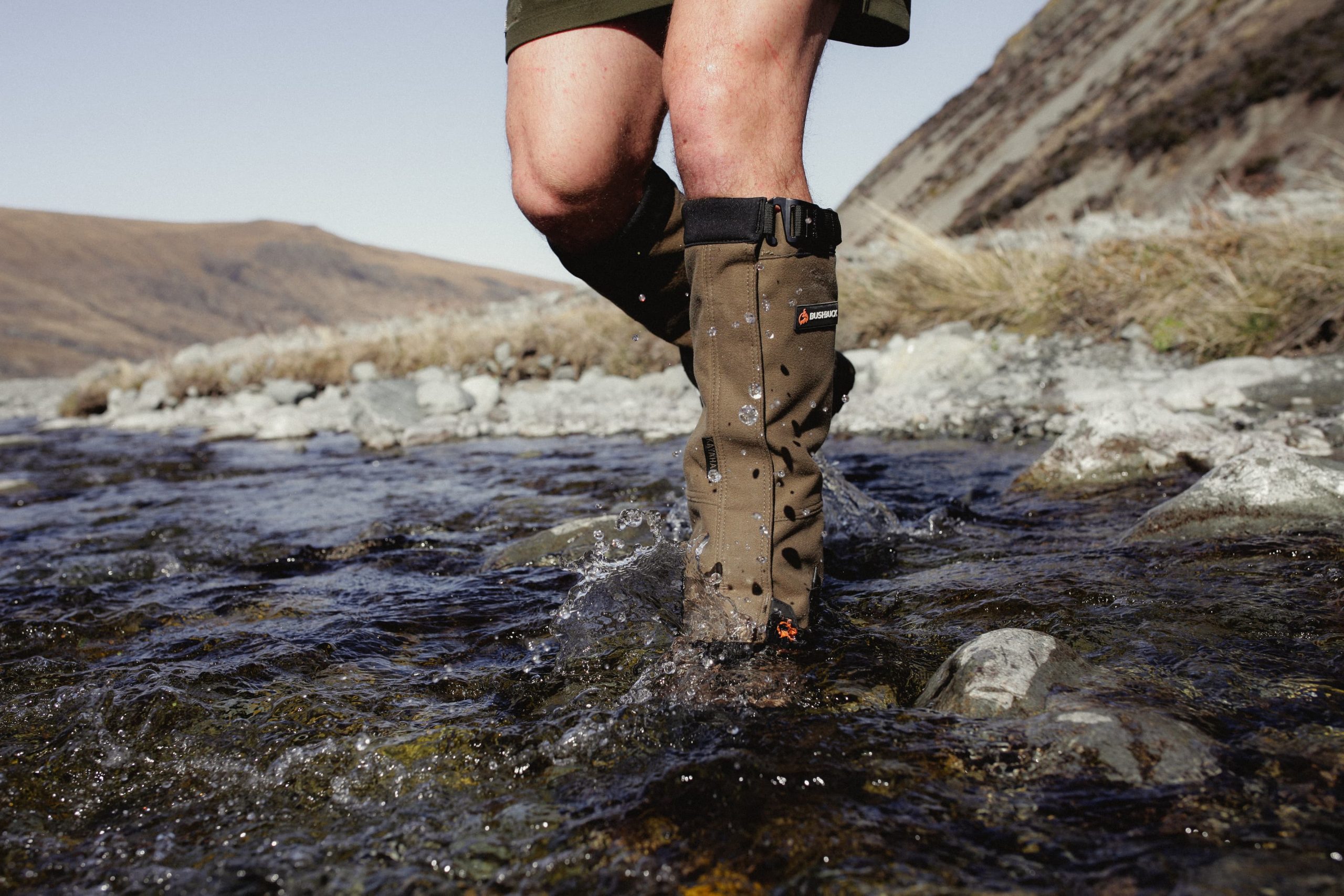
Gaiters vs Long Socks for Muddy Forest Trails
Gaiters vs long socks for muddy forest trails is an important comparison for travellers preparing for gorilla trekking, chimpanzee tracking and guided forest walks in East Africa. Uganda and Rwanda are particularly famous for their rainforest experiences, where visitors encounter mountain gorillas, chimpanzees, colourful birds and beautiful natural landscapes.
However, walking through tropical forests can be challenging, especially during rainy months. Muddy paths, thick vegetation, exposed roots, insects and wet grass can make ordinary walking clothes uncomfortable.
Travellers visiting Bwindi Impenetrable National Park, Mgahinga Gorilla National Park, Kibale Forest and Rwanda’s Volcanoes National Park often wonder whether to pack waterproof gaiters, long socks or both.
Gaiters protect the lower legs and help prevent mud, water and debris from entering hiking boots. Long socks provide comfort, reduce friction and offer some protection against vegetation and insects.
Understanding their differences helps travellers choose practical equipment without carrying unnecessary items.
What Are Hiking Gaiters?
Hiking gaiters are protective coverings worn over the lower legs and the upper part of hiking boots.
They create a barrier between footwear and surrounding vegetation, mud and loose debris.
Most gaiters use lightweight synthetic materials, adjustable straps and fastening systems.
Main Features of Hiking Gaiters
| Feature | Purpose |
|---|---|
| Water-resistant fabric | Reduces moisture exposure |
| Adjustable straps | Secures the gaiter |
| Boot attachment | Helps prevent movement |
| Front fastening | Allows easy fitting |
| Elastic sections | Improves comfort |
| Lower-leg coverage | Protects against vegetation |
| Reinforced material | Increases durability |
Some gaiters are designed for light hiking, while others provide more substantial protection for wet and muddy terrain.
What Are Long Hiking Socks?
Long hiking socks extend above the ankle and may reach the calf or knee.
They are commonly made from wool blends, synthetic fibres or other moisture-managing materials.
Unlike gaiters, socks are worn directly against the skin.
Main Benefits of Long Socks
Long socks can reduce friction between boots and feet.
They help manage moisture.
They provide cushioning during long walks.
They protect part of the lower leg from rubbing against clothing.
They can also help keep trouser legs tucked away from vegetation.
However, ordinary hiking socks are not waterproof barriers.
Gaiters vs Long Socks: Main Differences
| Feature | Gaiters | Long socks |
|---|---|---|
| Main function | External leg protection | Comfort and cushioning |
| Mud protection | Good | Limited |
| Water resistance | Depends on material | Usually limited |
| Insect barrier | Additional coverage | Partial coverage |
| Foot comfort | Indirect | Important |
| Boot protection | Covers boot opening | Does not seal boot |
| Weight | Additional equipment | Lightweight |
| Best use | Wet, muddy trails | Everyday hiking |
For challenging rainforest treks, wearing both can provide complementary protection.
Why Forest Trails Become Muddy
East African rainforests receive substantial rainfall.
Moisture can remain in shaded areas for extended periods because sunlight does not always reach the forest floor.
Common Trail Conditions
| Condition | Walking challenge |
|---|---|
| Wet clay | Slippery surfaces |
| Deep mud | Difficult footing |
| Exposed roots | Trip hazards |
| Dense undergrowth | Restricted movement |
| Wet leaves | Reduced traction |
| Steep slopes | Greater effort |
| Shallow streams | Water exposure |
Suitable footwear remains more important than either gaiters or long socks alone.
Gaiters for Gorilla Trekking in Bwindi
Bwindi Impenetrable National Park is one of Uganda’s best-known gorilla trekking destinations.
The forest contains steep hillsides, thick vegetation and uneven paths.
Visitors may spend several hours walking before reaching their assigned gorilla family.
Why Gaiters Can Help
Gaiters reduce the amount of mud reaching socks and trousers.
They help keep leaves and small debris out of hiking boots.
They provide additional protection when walking through wet grass.
For travellers trekking during rainy periods, gaiters can make clothing easier to manage.
Long Socks for Gorilla Trekking
Long socks are commonly recommended for gorilla trekking because they improve comfort and help protect the lower legs.
Some guides suggest tucking trousers into socks to reduce exposed skin.
Benefits of Long Socks
They reduce direct contact between trousers and skin.
They provide cushioning inside hiking boots.
They help absorb or move moisture away from feet, depending on fabric.
They can make extended walking more comfortable.
However, socks may become wet when exposed to heavy rain or deep mud.
Gaiters in Rwanda’s Volcanoes National Park
Volcanoes National Park has volcanic slopes, bamboo vegetation and mountain forest.
Rainfall can make paths slippery, particularly on steep sections.
Rwanda Trekking Considerations
Lightweight gaiters can help protect the lower legs during muddy walks.
Long socks remain useful for comfort inside hiking boots.
Travellers should choose breathable materials because prolonged walking can produce perspiration even in cooler conditions.
Gaiters for Chimpanzee Tracking
Chimpanzee tracking in Uganda’s Kibale Forest and other forest destinations may involve walking through vegetation and damp trails.
However, not every chimpanzee trek requires substantial protective gaiters.
Equipment Recommendations
| Trekking activity | Suggested equipment |
|---|---|
| Gorilla trekking | Long socks; gaiters useful |
| Chimpanzee tracking | Long socks; optional gaiters |
| Rainforest birdwatching | Long socks and suitable footwear |
| Mountain hiking | Gaiters according to conditions |
| Short nature walk | Comfortable hiking socks |
| Wet-season forest trek | Consider both |
Ask your guide about expected conditions before choosing equipment.
Are Waterproof Gaiters Better?
Waterproof gaiters can provide stronger protection against rain and wet vegetation.
However, they may feel warmer than breathable alternatives.
Gaiter Material Comparison
| Type | Main advantage |
|---|---|
| Waterproof gaiters | Better moisture protection |
| Water-resistant gaiters | Suitable for moderate wet conditions |
| Lightweight breathable gaiters | Greater comfort in warm weather |
| Heavy-duty gaiters | Additional durability |
Waterproof gaiters do not make ordinary hiking boots completely waterproof.
Water may still enter footwear from above or through unsuitable boot materials.
Do Gaiters Protect Against Insects?
Gaiters can reduce exposed skin and provide a physical barrier against some insects and vegetation.
However, they are not guaranteed protection against insect bites.
Forest Insect Precautions
Wear long trousers.
Use suitable insect repellent.
Keep clothing properly fitted.
Avoid brushing unnecessarily against dense vegetation.
Check exposed skin after trekking.
Gaiters should not be considered snake-proof or completely insect-proof equipment.
Can Long Socks Prevent Insect Bites?
Long socks provide some physical coverage, but thin fabric may not prevent every bite.
Their effectiveness depends on thickness, fit and material.
Sock Protection Tips
Choose tightly woven materials.
Avoid very thin socks in dense vegetation.
Use appropriate insect repellent according to product instructions.
Keep trouser legs properly positioned.
Change wet socks after trekking.
Socks improve coverage but cannot eliminate insect exposure.
Which Option Is More Comfortable?
Comfort depends on the traveller and expected conditions.
Some hikers find gaiters restrictive, especially when wearing them for the first time.
Others appreciate the protection they provide.
Comfort Comparison
| Consideration | Gaiters | Long socks |
|---|---|---|
| Skin contact | Usually worn over clothing | Direct |
| Heat | Can increase warmth | Depends on fabric |
| Adjustment | Requires fitting | Simple |
| Walking flexibility | Depends on design | Generally good |
| Moisture management | External protection | Fabric-dependent |
| Packing space | Additional item | Essential clothing |
Testing equipment before departure helps prevent discomfort.
How to Choose the Right Gaiter Size
Gaiters should fit securely without restricting circulation or normal movement.
Gaiter Fitting Checklist
Check the calf circumference.
Confirm the gaiter’s height.
Ensure compatibility with hiking boots.
Test the lower strap.
Walk around to check movement.
Avoid excessively tight fastening.
Poorly fitted gaiters can slip, rub against the skin or become uncomfortable during long treks.
Choosing the Best Long Socks
Good hiking socks should fit closely without excessive pressure.
Sock Material Comparison
| Material | Main characteristic |
|---|---|
| Merino wool blend | Comfort and moisture management |
| Synthetic blend | Quick drying |
| Cotton | Absorbs and retains moisture |
| Wool-synthetic blend | Balanced performance |
For wet forest conditions, wool blends and suitable synthetic hiking socks are often preferable to ordinary cotton socks.
How to Wear Gaiters Correctly
Correct fitting improves their effectiveness.
Step-by-Step Gaiter Fitting
Put on hiking socks and trousers.
Wear and fasten your hiking boots.
Position the gaiter around the lower leg.
Fasten the front closure.
Secure the strap beneath the boot.
Attach the front hook where provided.
Adjust the upper fastening comfortably.
The gaiter should cover the boot opening without restricting movement.
Can You Wear Gaiters and Long Socks Together?
Yes. This combination is particularly practical for demanding rainforest treks.
Long socks provide cushioning and manage moisture inside footwear.
Gaiters protect the outside of boots and lower trousers.
Combined Protection
| Equipment | Main role |
|---|---|
| Hiking boots | Traction and support |
| Long socks | Comfort and cushioning |
| Long trousers | Skin protection |
| Gaiters | Mud and debris barrier |
| Rain jacket | Upper-body weather protection |
Together, these items create a practical clothing system for wet forest conditions.
Rainy-Season Trekking Preparation
Rainfall can make forest trails more difficult.
Uganda and Rwanda experience wetter periods, although rain is possible throughout the year.
Rainy-Season Packing
Carry waterproof or water-resistant hiking boots.
Bring spare socks.
Pack suitable gaiters when conditions justify them.
Wear a lightweight rain jacket.
Protect valuables inside waterproof bags.
Avoid carrying unnecessary heavy clothing.
The aim is to remain comfortable while keeping luggage manageable.
Are Gaiters Necessary During Dry Months?
Not always.
During drier conditions, long socks and suitable hiking boots may provide adequate comfort for many travellers.
However, shaded rainforest sections can remain muddy even after several dry days.
Gaiters may therefore still be useful, especially for visitors trekking through dense vegetation.
How Much Do Gaiters and Socks Cost?
Prices vary according to material, brand and quality.
Illustrative Equipment Budgets
| Item | General price range |
|---|---|
| Basic hiking gaiters | $10–$25 |
| Mid-range gaiters | $25–$50 |
| Premium gaiters | $50–$100+ |
| Hiking socks | $8–$25 per pair |
| Premium wool socks | $20–$40 per pair |
These are general budgeting estimates rather than verified retail quotations.
Expensive equipment is not always necessary for an occasional gorilla trek.
What Should First-Time Trekkers Buy?
First-time visitors should prioritise comfortable hiking boots and suitable long socks.
Gaiters are a useful additional purchase when expecting muddy conditions.
Recommended Buying Order
| Priority | Equipment |
|---|---|
| Essential | Proper hiking boots |
| Essential | Comfortable long socks |
| Important | Long trousers |
| Important | Rain jacket |
| Optional but useful | Gaiters |
| Optional | Trekking poles |
A balanced equipment selection is more useful than purchasing expensive accessories without testing them.
How to Clean Gaiters After Trekking
Mud and moisture should be removed after each trekking day.
Equipment Care
Brush off dried mud where appropriate.
Rinse according to the manufacturer’s instructions.
Allow gaiters to air dry.
Clean straps and fasteners.
Avoid direct high heat.
Wash socks according to fabric instructions.
Never pack damp clothing in sealed luggage for extended periods.
Common Mistakes Travellers Make
Some trekkers assume that long socks alone will keep their feet dry.
Others purchase waterproof gaiters but wear unsuitable shoes.
Mistakes to Avoid
Wearing cotton socks during prolonged wet walking.
Using gaiters that do not fit.
Choosing slippery footwear.
Forgetting spare socks.
Packing wet equipment without drying it.
Overtightening gaiter straps.
Ignoring weather forecasts.
Proper preparation improves comfort throughout the trekking experience.
Frequently Asked Questions
Are Gaiters Compulsory for Gorilla Trekking?
No. They are optional equipment, although they can be useful during wet or muddy conditions.
Are Long Socks Enough for Bwindi?
Long socks may be sufficient for some visitors, particularly when paired with appropriate hiking boots and trousers.
Do Gaiters Keep Feet Completely Dry?
No. They reduce water and debris entering from above but cannot guarantee dry feet.
Should I Wear Both During Rainy Months?
Wearing both is a practical option for travellers expecting muddy trails and prolonged forest walking.
Gaiters or Long Socks?
Gaiters and long socks perform different functions during East African forest trekking.
Long socks provide comfort, cushioning and basic lower-leg coverage.
Gaiters offer additional protection against mud, wet vegetation and debris entering hiking boots.
For gorilla trekking in Bwindi, Mgahinga or Volcanoes National Park, both can be useful, especially during rainy months.
The best combination is comfortable hiking boots, suitable long socks and optional gaiters selected according to trail conditions.
With appropriate equipment, travellers can enjoy East Africa’s beautiful rainforest trails more comfortably and confidently.



No comment