
Ice, Salad and Fruit: What to Skip in Remote East African Camps
Food safety in remote East African safari camps is an important consideration for travellers exploring Uganda, Kenya, Tanzania and Rwanda. While safari lodges and tented camps often serve delicious meals prepared with fresh local ingredients, visitors should understand how food and drinking water are handled in remote destinations.
Many safari camps are located far from major towns, supermarkets and hospitals. Some rely on transported supplies, stored water and independent electricity systems. These conditions can make food storage and hygiene particularly important.
Ice cubes, uncooked salads and fresh fruit are commonly discussed when travellers consider food safety. However, not all raw foods are unsafe, and not every remote camp has poor hygiene.
The real concern is whether food has been washed, prepared, stored and served safely.
This guide explains which foods require extra attention, how to choose safer meals and what precautions can help travellers avoid stomach illness during an African safari.
Why Food Safety Matters on Safari
Traveller’s diarrhoea and other foodborne illnesses can interrupt an otherwise enjoyable wildlife holiday.
An illness that causes vomiting, stomach cramps or frequent diarrhoea becomes especially uncomfortable during long road transfers.
Remote destinations may also have limited medical facilities.
Common Food Safety Concerns
| Concern | Possible health risk |
|---|---|
| Contaminated water | Diarrhoeal infections |
| Improper food storage | Bacterial growth |
| Undercooked meat | Foodborne illness |
| Unwashed vegetables | Harmful microorganisms |
| Unpasteurised dairy | Bacterial infections |
| Unsafe ice | Contaminated drinking water |
| Poor hand hygiene | Germ transmission |
Most food-related risks can be reduced through appropriate preparation and sensible choices.
Is Ice Safe in Safari Camps?
Ice is not automatically unsafe. The main issue is the water used to produce it and how it is handled.
Ice prepared from reliably treated drinking water using clean equipment is generally safer.
However, freezing contaminated water does not reliably kill harmful microorganisms.
When to Avoid Ice
Avoid ice when staff cannot confirm its water source.
Be cautious when ice is handled with unclean hands or stored in open containers.
Do not assume commercially attractive drinks contain safe ice.
Ice Safety Comparison
| Situation | Recommended choice |
|---|---|
| Ice from verified treated water | Generally acceptable |
| Ice from untreated tap water | Avoid |
| Unknown ice source | Request no ice |
| Ice stored hygienically | Lower contamination risk |
| Ice handled improperly | Avoid |
When uncertain, choose a drink served without ice.
Are Raw Salads Safe on Safari?
Raw vegetables can carry microorganisms when washed with contaminated water or handled improperly.
Salads deserve particular attention because they are usually served without cooking.
Common Salad Ingredients
Lettuce, tomatoes, cucumbers, cabbage and carrots frequently appear in safari lodge meals.
These vegetables can be safe when washed and prepared correctly.
However, appearance alone cannot confirm hygienic handling.
Salad Safety Guide
| Salad situation | Recommended approach |
|---|---|
| Prepared with safe water | Lower risk |
| Prepared in a reputable kitchen | Ask about hygiene |
| Washed with untreated water | Avoid |
| Left outdoors in heat | Avoid |
| Exposed to insects | Avoid |
| Unknown preparation conditions | Choose cooked vegetables |
Travellers with sensitive stomachs may prefer freshly cooked vegetables when food preparation standards are uncertain.
Which Fruits Are Safer to Eat?
Fresh fruit is widely available across East Africa.
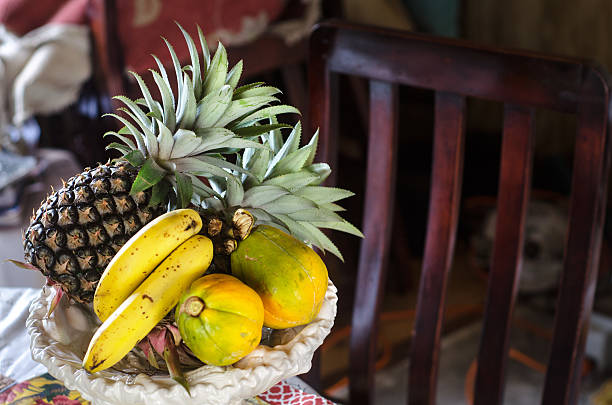
Uganda, Kenya, Tanzania and Rwanda produce bananas, pineapples, mangoes, papayas, avocados and many other fruits.
Fruit can be an enjoyable part of a safari diet.
Fruit Safety Comparison
| Fruit | Practical advice |
|---|---|
| Banana | Peel it yourself |
| Orange | Wash and peel |
| Mandarin | Peel before eating |
| Mango | Wash with safe water and peel |
| Papaya | Choose hygienically prepared portions |
| Pineapple | Prefer freshly cut, hygienically handled fruit |
| Watermelon | Avoid pieces left unrefrigerated |
| Mixed fruit salad | Check preparation and storage |
Fruit that can be peeled personally is often a practical choice when sanitation is uncertain.
Why Pre-Cut Fruit Needs Extra Care
Pre-cut fruit is convenient during breakfast and buffet meals.
However, cutting exposes the edible surface to utensils, hands and surrounding conditions.
If fruit remains unrefrigerated for extended periods, microorganisms may multiply.
Safer Fruit Habits
Choose freshly prepared fruit.
Avoid fruit exposed to insects.
Prefer properly chilled portions.
Do not eat cut fruit that smells unusual or appears spoiled.
When uncertain, select whole fruit that you can wash safely and peel yourself.
Drinking Water in Remote Safari Camps
Safe drinking water is one of the most important aspects of safari health.
Some lodges provide sealed bottled water, while others use filtration or purification systems.
Both arrangements can provide safe drinking water when properly managed.
Water Safety Checklist
| Water source | Recommended action |
|---|---|
| Sealed bottled water | Check the seal |
| Properly treated water | Confirm drinking suitability |
| Untreated tap water | Avoid |
| River or lake water | Never drink untreated |
| Unknown water supply | Request reliable alternatives |
| Water from clean refill stations | Confirm treatment procedures |
Do not assume clear water is safe simply because it looks clean.
Hot Drinks: Tea and Coffee
Tea and coffee are popular at safari camps, particularly before early morning game drives.
Drinks prepared with water that has been brought to a proper boil are generally safer.
However, additional ingredients can introduce contamination.
Hot Drink Precautions
Choose freshly prepared tea or coffee.
Use pasteurised milk where available.
Avoid unpasteurised dairy products.
Ensure drinking cups and utensils are clean.
Be cautious with drinks prepared using water that was only warmed rather than boiled.
Buffet Meals in Safari Lodges
Buffets are common at larger lodges and some tented camps.
They offer convenient meal choices but require proper food temperature control.
Buffet Food Safety
| Food | Recommended approach |
|---|---|
| Freshly cooked hot meals | Generally preferable |
| Hot food left lukewarm | Avoid |
| Refrigerated desserts | Check proper chilling |
| Raw salads | Assess preparation |
| Cooked vegetables | Choose freshly served portions |
| Exposed food | Avoid if insects are present |
Hot food should remain properly hot, while chilled food should stay cold.
Food that has been sitting at room temperature for too long may become unsafe.
Meat, Fish and Chicken Safety
Many safari lodges serve beef, chicken, fish and other proteins.
Thorough cooking is particularly important.
Meat Safety Precautions
Choose properly cooked chicken.
Avoid undercooked minced meat.
Ensure fish is thoroughly cooked.
Avoid meat that appears raw in the centre when full cooking is required.
Be cautious with food left unrefrigerated.
Travellers should not assume that meat is safe simply because it has been grilled on the outside.
Dairy Products and Breakfast Foods
Milk, yoghurt, cheese and other dairy products are common in lodge breakfasts.
Pasteurised products are generally safer than unpasteurised alternatives.
Dairy Safety Guide
| Product | Recommendation |
|---|---|
| Pasteurised milk | Generally suitable |
| Unpasteurised milk | Avoid |
| Properly refrigerated yoghurt | Generally suitable |
| Unrefrigerated dairy desserts | Avoid |
| Cheese from unknown milk sources | Use caution |
| Freshly cooked eggs | Prefer thoroughly cooked |
Pregnant travellers and people with weakened immune systems should take particular care with unpasteurised dairy and undercooked foods.
Food Safety in Uganda Safari Camps
Uganda’s national parks include Bwindi, Queen Elizabeth, Murchison Falls, Kibale and Kidepo Valley.
Accommodation standards vary from simple camps to luxury lodges.
Remote properties may transport ingredients over considerable distances.
Uganda Food Safety Tips
Confirm drinking water arrangements.
Choose freshly cooked meals.
Ask how salads are washed.
Prefer fruit you can peel.
Avoid untreated lake or river water.
Keep snacks stored securely to prevent contamination by insects or wildlife.
Food Safety in Kenya Safari Camps
Kenya’s Maasai Mara, Amboseli and Samburu offer numerous safari camps.
Many properties provide carefully prepared meals, but visitors should still use sensible precautions.
Kenya Camp Dining Advice
Choose hygienically prepared food.
Confirm ice and drinking water sources.
Avoid buffets where food has been left exposed.
Wash hands before eating.
Request dietary adjustments when necessary.
Food Safety in Tanzania Safari Camps
Tanzania’s Serengeti, Tarangire and Ngorongoro regions include lodges and mobile tented camps.
Some remote camps operate with limited infrastructure.
Tanzania Camp Food Considerations
Ask whether drinking water is treated.
Choose properly cooked meals.
Be cautious with unrefrigerated dairy.
Check how fresh produce is handled.
Avoid consuming food stored at unsuitable temperatures.
A remote location does not necessarily indicate poor hygiene, but preparation and storage standards remain important.
Food Safety in Rwanda Safari Lodges
Rwanda offers accommodation around Volcanoes National Park, Akagera, Nyungwe and Lake Kivu.
Travellers can enjoy local produce and international cuisine.
Rwanda Food Safety Precautions
Choose reliable drinking water.
Wash hands regularly.
Eat thoroughly cooked meals.
Avoid untreated freshwater.
Select hygienically prepared fruit.
Ask lodge staff about food allergies and dietary requirements before arrival.
What About Street Food?
Street food offers opportunities to experience East African cuisine.
However, preparation conditions vary.
Choosing Safer Street Food
Look for freshly cooked food served hot.
Choose vendors with clean equipment.
Avoid uncooked toppings when hygiene is uncertain.
Be cautious with sauces left unrefrigerated.
Avoid food exposed to insects.
Popular vendors with high turnover may offer freshly prepared meals, but popularity alone does not guarantee safety.
How to Wash Your Hands Before Meals
Hand hygiene reduces the spread of many gastrointestinal infections.
Wash hands thoroughly with soap and safe running water before eating.
Hand sanitiser can help when proper facilities are unavailable.
However, soap and water are preferable, particularly when hands are visibly dirty.
Avoid touching ready-to-eat food with unwashed hands.
What If You Develop Traveller’s Diarrhoea?
Despite careful preparation, some travellers experience stomach illness.
Most mild cases improve, but dehydration can become serious.
Initial Care
Drink safe fluids regularly.
Use correctly prepared oral rehydration solution when needed.
Eat tolerable meals.
Rest when necessary.
Avoid excessive alcohol.
Seek medical attention for serious symptoms.
When to Visit a Doctor
| Symptom | Recommended action |
|---|---|
| Blood in stool | Prompt medical assessment |
| High fever | Medical evaluation |
| Severe abdominal pain | Urgent assessment |
| Persistent vomiting | Seek medical care |
| Very little urine | Urgent dehydration assessment |
| Confusion or fainting | Emergency treatment |
| Symptoms not improving | Arrange medical review |
Children, older adults and vulnerable travellers may require medical attention earlier.
What Should You Pack for Food Safety?
A few practical items can help travellers maintain hygiene.
Safari Food Safety Packing List
| Item | Purpose |
|---|---|
| Hand sanitiser | Hygiene |
| Soap | Handwashing |
| Refillable bottle | Safe drinking water |
| Oral rehydration salts | Fluid replacement |
| Personal medication | Existing health needs |
| Reusable food container | Keeping snacks protected |
| Travel health documents | Medical assistance |
| Small tissues | Personal hygiene |
Avoid carrying medicines that have not been recommended for your circumstances.
Common Food Safety Mistakes
Travellers sometimes assume that all bottled drinks, raw salads or fresh fruit are equally safe.
Others believe freezing water destroys every harmful microorganism.
Mistakes to Avoid
Drinking untreated water.
Accepting ice from unknown sources.
Eating unwashed raw vegetables.
Leaving food in hot vehicles.
Eating fruit handled with dirty utensils.
Ignoring unusual food smells.
Failing to wash hands.
Small precautions can prevent significant discomfort.
Frequently Asked Questions
Is Ice Safe in Luxury Safari Lodges?
It can be safe when produced from treated water and handled hygienically. Ask the lodge if uncertain.
Should I Avoid Every Salad in East Africa?
No. Properly washed and prepared salads can be safe. When preparation conditions are uncertain, cooked vegetables are a more cautious choice.
Can I Eat Bananas and Mangoes?
Yes. Fruit washed with safe water and peeled personally is generally a practical option.
Are Hot Meals Always Safe?
Not automatically. Food should be thoroughly cooked, handled hygienically and served at suitable temperatures.
Eating Safely in Remote Safari Camps
East African safari camps offer wonderful opportunities to enjoy fresh local ingredients and regional cuisine.
However, travellers should pay attention to water quality, food preparation and storage conditions.
Ice made from untreated water, salads washed in unsafe water and unrefrigerated pre-cut fruit can create avoidable health risks.
The best approach is to choose safe drinking water, freshly prepared meals and fruit that you can wash and peel yourself when hygiene conditions are uncertain.
With sensible food choices, visitors can enjoy Uganda, Kenya, Tanzania and Rwanda while reducing the likelihood of stomach illness.



No comment