

Are Safari Lodges Suitable for Vegetarians and Vegans?
travelling through africa on safari does not mean giving up your dietary preferences. whether you are vegetarian, vegan, or simply prefer eating more plant-based meals, many safari lodges across east africa can provide suitable food throughout your stay. from freshly prepared vegetable dishes to local meals made with beans, lentils, bananas, potatoes, and seasonal produce, there are several options for travellers who do not eat meat.
however, the experience depends on where you stay, how remote your accommodation is, and whether you inform the kitchen about your dietary requirements before arrival. vegetarian meals are generally straightforward to arrange, while vegan meals may require more detailed planning because dairy products, eggs, butter, and cream can be included in dishes that otherwise appear plant-based.
understanding how safari lodges handle special diets helps you choose accommodation confidently, plan meals for long game drives, and enjoy your journey without unnecessary food-related concerns.
Can safari lodges provide vegetarian meals?
yes. many established safari lodges in uganda, kenya, tanzania, and rwanda can prepare vegetarian meals. some already include meat-free dishes on their menus, while others adjust existing recipes or prepare separate meals when guests request them.
vegetarian travellers commonly have access to rice, potatoes, beans, lentils, vegetable stews, salads, pasta, bread, fruit, and cooked greens. properties serving international cuisine may also offer vegetable curries, cheese-based dishes, omelettes, and other familiar options.
local cuisine provides additional variety. in uganda, matoke, beans, sweet potatoes, cassava, groundnut sauce, rice, and seasonal vegetables can form the basis of filling meals. in kenya and tanzania, beans, maize-based dishes, lentils, rice, and cooked vegetables are also widely used. rwanda offers plant-based staples such as beans, potatoes, sweet potatoes, cassava, and plantains.
these ingredients allow chefs to prepare complete meals rather than simply removing meat from a standard plate.
for example, a vegetarian dinner might include vegetable soup, rice with bean stew and greens, followed by fresh fruit. another property might prepare vegetable pasta, a lentil curry, or a potato dish with a fresh salad.
the quality and variety will differ between properties, but vegetarian travellers should have several options when the lodge receives clear information in advance.
Are safari lodges suitable for vegans?
vegan travellers can also enjoy safari lodges, although their meals may require more careful preparation. a vegan diet excludes meat, fish, eggs, dairy products, and other animal-derived ingredients.
this distinction is important because vegetarian food is not necessarily vegan. vegetable soup may contain cream, potatoes may be cooked with butter, bread may contain milk or eggs, and a vegetable curry may be prepared using ghee. salad dressings and sauces can also contain dairy or egg products.
most established lodges can prepare vegan dishes when they know about the requirement beforehand. suitable meals may include bean stew with rice, vegetable curry prepared without dairy, lentil soup, roasted vegetables, chickpea dishes, and fruit.
breakfast can require additional attention. fruit and some porridge may be suitable, but guests should check whether the porridge is made with water or plant-based milk and whether bread contains animal-derived ingredients. plant-based milk and specialised vegan products may not be available at every remote camp.
larger lodges may have more ingredients and a wider range of menu choices, but price alone does not guarantee a better vegan menu. a smaller property with an organised kitchen can provide excellent meals when it receives the correct information early enough.
when booking, ask whether the kitchen can provide complete vegan meals for breakfast, lunch, dinner, and snacks rather than simply removing meat and dairy from existing dishes.
What food can vegetarians and vegans expect?
the meals available depend on the destination, accommodation, and daily safari schedule. most itineraries include breakfast, lunch, and dinner, although some excursions require packed meals.
Breakfast at the lodge
breakfast is often relatively easy to arrange for vegetarians. common options include fresh fruit, porridge, cereals, bread, eggs, potatoes, tea, and coffee.
vegan guests can request fruit, suitable porridge, and other plant-based options. however, it is worth checking the ingredients in bread, spreads, cereals, and cooked dishes. some products contain milk, butter, or eggs even when these ingredients are not immediately obvious.
if you prefer a substantial breakfast before a long game drive, let the kitchen know in advance. beans, potatoes, porridge, and other suitable dishes can help provide a more filling meal.
Lunch during game drives
lunch may be served at the lodge or packed for a game drive. packed lunches commonly include sandwiches, wraps, fruit, snacks, and drinks.
vegetarians can request cheese and vegetable sandwiches, egg fillings, or suitable plant-based alternatives. vegans should specify that their lunch must not contain cheese, mayonnaise made with eggs, butter, or other unsuitable ingredients.
a vegan packed lunch could include a vegetable or bean wrap, fresh fruit, and additional snacks. if you are spending most of the day in a national park, ask for enough food to keep you comfortable until you return to the lodge.
confirm the arrangements the evening before an excursion. this is particularly useful on group safaris, where several guests may have different dietary needs.
Dinner at the lodge
dinner often provides the greatest variety because guests usually return to their accommodation after the afternoon game drive.
vegetarian meals may include soups, vegetable stews, pasta, rice, beans, lentils, and seasonal vegetables. vegan meals can use many of the same ingredients, provided the kitchen avoids butter, cream, eggs, and other animal-derived products.
buffet dining gives guests the opportunity to choose between several dishes, but not every item is automatically suitable. vegetables may have been cooked in butter, soups may contain cream, and sauces may be made with meat stock.
ask a member of staff which dishes meet your requirements. if the lodge serves a set menu, advance notice gives the chef time to prepare an appropriate starter, main course, and dessert.
Does the type of safari lodge matter?
yes. accommodation type affects the availability of ingredients, menu variety, and the amount of preparation required.
larger lodges near towns or established supply routes may have access to a wider selection of fresh produce and packaged ingredients. they may also have kitchen teams accustomed to serving guests with different dietary preferences.
smaller lodges can provide excellent vegetarian and vegan meals, but their kitchens may depend more heavily on seasonal produce and scheduled deliveries. remote camps may have limited storage space and fewer opportunities to purchase additional ingredients at short notice.
luxury lodges sometimes offer personalised dining and greater flexibility, although this should never be assumed without confirmation. mid-range and budget properties can also accommodate special diets when they receive clear instructions.
mobile tented camps and fly-in camps deserve particular attention. supplies may arrive according to a fixed schedule, so a chef cannot always obtain a particular plant-based milk, meat substitute, or specialised product immediately.
if you are staying at a remote camp for several nights, explain your dietary needs when booking and ask whether the kitchen can provide suitable meals throughout the stay.
Why should you inform the lodge before arrival?
advance notice is one of the most important parts of arranging vegetarian or vegan meals on safari.
lodges often plan menus and purchase supplies before guests arrive. this is particularly important in remote wildlife areas where supermarkets and other suppliers may be several hours away.
inform your safari operator about your diet when you first discuss the itinerary. ask them to communicate your requirements to every lodge, camp, and hotel included in the trip. if you are changing accommodation frequently, make sure the information is passed to each property rather than only the first one.
be specific about what you eat. for a vegetarian diet, explain whether you consume eggs and dairy products. for a vegan diet, state that you avoid meat, fish, eggs, milk, butter, cream, cheese, and other animal-derived ingredients.
if you have additional restrictions, mention them separately. a dietary preference is different from a food allergy, and a medical requirement may need more careful handling.
it is also useful to remind the staff when you check in. a short conversation with the manager, host, or chef can help prevent misunderstandings at breakfast and dinner.
Can you get enough protein on safari?
yes, but it helps to ensure that meals contain more than vegetables and starches.
beans, lentils, chickpeas, peas, and groundnuts are useful plant-based protein sources. depending on the lodge, other options may be available, but tofu, plant-based meat alternatives, and specialised vegan products should not be expected everywhere.
a meal combining rice, beans, and vegetables can provide a satisfying balance of ingredients. other possibilities include lentil curry with potatoes, chickpea stew with rice, or beans served with matoke and greens.
if you are travelling for several days, ask whether the kitchen can vary its meals rather than serving plain vegetables and rice repeatedly. a little planning can make a noticeable difference to the variety and nutritional value of your meals.
travellers who rely on specific protein products may wish to bring suitable shelf-stable snacks as a backup. check the relevant customs rules before carrying food across international borders, especially fresh produce, seeds, or restricted products.
What about food during gorilla trekking and chimpanzee tracking?
gorilla trekking in uganda and rwanda, chimpanzee tracking, and other forest excursions can involve several hours of walking. suitable food is important because you may leave the lodge early and remain away until the afternoon.
many lodges can prepare packed lunches for trekking days, but you should request a meal that matches your diet. a standard lunch box may contain an egg sandwich, cheese, mayonnaise, or other ingredients unsuitable for a vegan guest.
ask for a substantial plant-based lunch and confirm what it contains. a vegetable or bean wrap, fruit, and additional snacks can be useful, depending on the duration and demands of the excursion.
if you have particular energy requirements or prefer familiar snacks, carry suitable items that comply with park regulations. follow your guide’s instructions about food, litter, and wildlife interactions.
it is best to discuss these arrangements before the trekking day rather than waiting until everyone is preparing to leave.
Are vegetarian and vegan meals available on camping safaris?
yes, although camping safaris may require more planning than lodge-based trips.
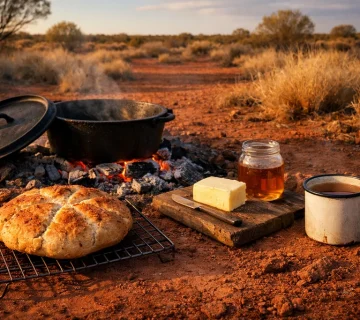
on a camping safari, meals may be prepared by a travelling cook or safari crew using supplies purchased before departure. storage space, cooking equipment, and access to fresh ingredients may be limited, especially on routes through remote areas.
vegetarian camping meals can include beans, rice, potatoes, pasta, and vegetable dishes. vegan meals can use similar ingredients as long as the cook avoids animal-derived products and checks packaged sauces and other ingredients.
before booking, ask who prepares the food, whether they have experience catering for vegan travellers, and how meals will be planned during the trip. for a multi-day journey, requesting a sample menu can help you identify any gaps.
the more remote the route, the more useful advance preparation becomes. the crew needs enough time to purchase suitable ingredients and plan meals that remain varied throughout the safari.
Will special diets cost extra?
not necessarily. many lodges can provide ordinary vegetarian and vegan meals using ingredients already stocked in their kitchens.
additional charges may apply if the property needs to purchase specialised products, arrange separate supplies, or transport ingredients to a remote camp. policies vary between accommodation providers, so ask about possible charges before confirming your booking.
if your safari includes several properties, check whether any special arrangements could affect the overall cost. request a clear explanation of any additional fees rather than assuming that all dietary requirements are included automatically.
for most travellers, the simplest way to manage costs is to communicate their needs early and choose accommodation that can meet them using readily available ingredients.
How to choose a suitable safari lodge
when comparing accommodation, consider food arrangements alongside location, comfort, wildlife activities, and transport.
start by explaining your dietary needs to the safari operator. ask them to confirm that each property on the itinerary can provide suitable meals, including packed lunches and early breakfasts when required.
if you follow a vegan diet, ask specific questions about cooking oils, sauces, soups, bread, and breakfast options. if you have an allergy, explain its severity and ask how the kitchen manages ingredients and possible cross-contact.
check whether laundry, meals, and other services are included in the accommodation price, but do not assume that full-board accommodation automatically covers special food products.
if food is an important part of your trip, ask whether the chef can prepare local plant-based dishes. this can provide variety while allowing you to experience regional cooking.
most importantly, obtain confirmation from the property rather than relying only on a general statement that dietary requirements can be accommodated.
Practical tips for vegetarian and vegan travellers
share your dietary requirements when booking and ask your operator to confirm the arrangements with every lodge. remind staff when you arrive, especially if your itinerary includes several accommodation changes.
carry a small supply of suitable snacks if you rely on particular products or expect to spend long days away from the lodge. packaged snacks can provide a useful backup, but they should not replace proper meals.
check packed lunches before leaving for a game drive or trek. confirm that the ingredients are suitable and that the portions are sufficient for the day’s activities.
be open to local ingredients. beans, matoke, sweet potatoes, cassava, rice, groundnuts, seasonal vegetables, and tropical fruits can provide satisfying meals when prepared thoughtfully.
if you have a strict vegan diet, explain exactly what that means rather than assuming that every kitchen interprets the term in the same way. clear communication makes it easier for staff to prepare meals that suit you.
Frequently asked questions
Are vegetarian meals easy to find at safari lodges?
yes. many established safari lodges can provide vegetarian meals, especially when they receive advance notice. the variety depends on the property’s menu, location, and available ingredients.
Can i follow a vegan diet on an african safari?
yes. many lodges can prepare vegan meals using beans, lentils, vegetables, rice, potatoes, and fruit. remote camps may have fewer ingredients, so advance planning is important.
Should i tell the lodge or my safari operator?
tell your safari operator when booking and ask them to communicate your requirements to every property on your itinerary. remind the lodge staff when you arrive.
Can lodges prepare vegan packed lunches?
many can. request a suitable lunch in advance and ask the kitchen to avoid dairy, eggs, mayonnaise, and other animal-derived ingredients.
Do i need to bring my own food?
most travellers do not need to bring all their meals. however, a few suitable packaged snacks can be useful when travelling to remote camps or when you depend on specific foods.
Are budget lodges suitable for vegans?
some budget lodges can provide suitable meals, but options may be simpler than those at properties with larger kitchens or broader supplies. confirm the menu and preparation arrangements before booking.
Enjoying your safari with confidence
vegetarian and vegan travellers can enjoy safaris across east africa without giving up their dietary choices. many established lodges can prepare satisfying plant-based meals, and local ingredients provide a useful foundation for varied breakfasts, lunches, and dinners.
the key is to plan ahead, communicate your requirements clearly, and confirm arrangements at every property on your itinerary. vegetarian meals are generally straightforward to arrange, while vegan meals benefit from more detailed discussions about cooking methods, sauces, breakfast ingredients, and packed lunches.
with suitable accommodation and a little preparation, you can focus on wildlife viewing, forest treks, and the landscapes of africa while enjoying meals that match your preferences.


No comment