
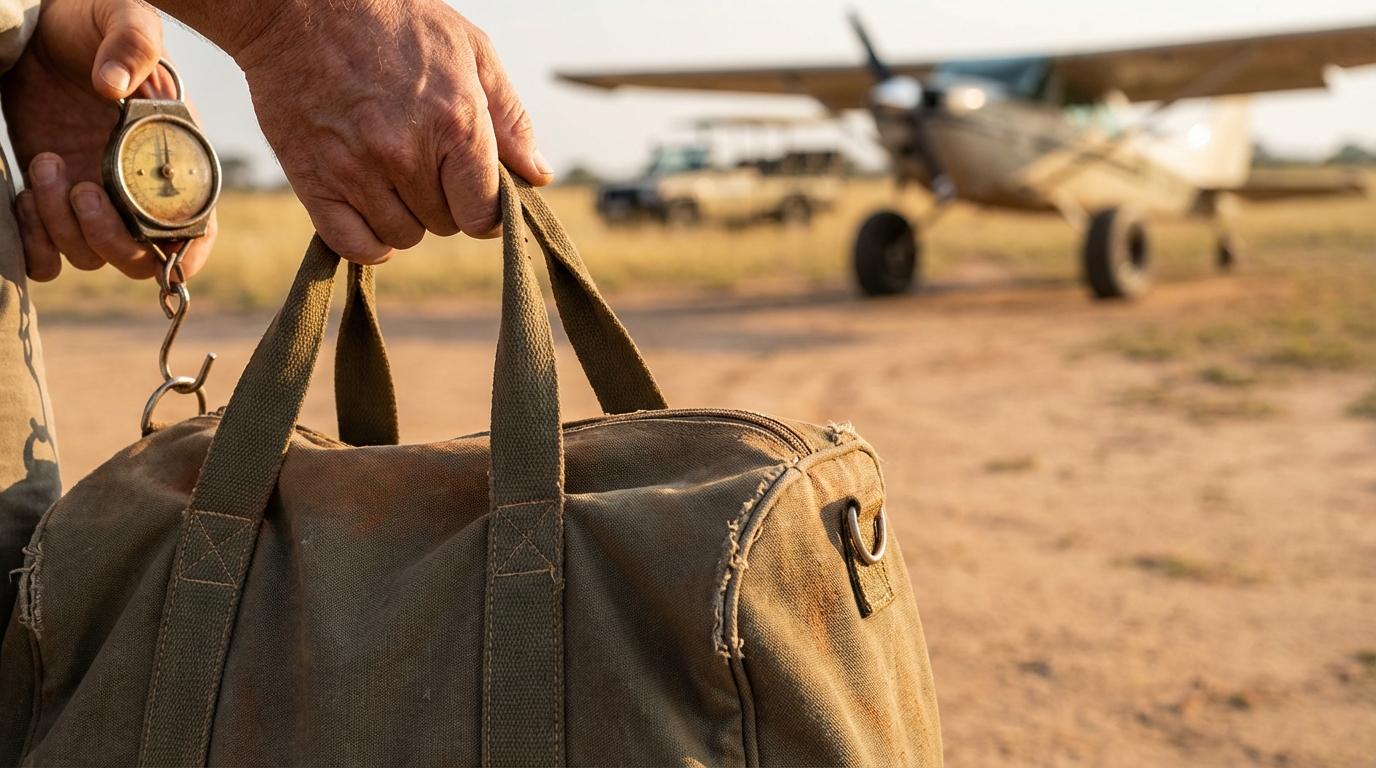
Safari Spending Money: How Much Cash You Need Beyond the Package
Planning an African safari involves more than paying for accommodation, wildlife activities and transport. Safari spending money is an important part of your travel budget because even an all-inclusive package may leave certain personal expenses for you to pay during the journey.
Travellers visiting Uganda, Kenya, Tanzania or Rwanda often wonder how much extra cash to carry for guide tips, drinks, souvenirs, laundry, additional activities and unexpected purchases.
Although many safari packages include meals, national park fees, accommodation and professional guiding, they do not always cover every expense. Some travellers spend very little beyond their package, while others enjoy shopping, optional excursions and premium services.
Carrying too much cash creates unnecessary security concerns, but arriving without enough money can also be inconvenient, particularly in remote national parks where cash machines are unavailable.
This guide explains how much spending money to prepare, which expenses are commonly excluded and how to manage safari cash safely.
How Much Extra Money Should You Budget for a Safari?
The amount depends on your travel style, package inclusions and personal preferences.
For a safari where accommodation, main meals, park fees and transport are already included, a reasonable starting budget is $20–$50 per person per day for ordinary extras.
Travellers planning extensive shopping, additional excursions or generous gratuities may need more.
Estimated Safari Spending Money Per Person
| Traveller type | Daily budget | Seven-day budget |
|---|---|---|
| Minimal spending | $10–$20 | $70–$140 |
| Moderate spending | $20–$50 | $140–$350 |
| Comfortable spending | $50–$100 | $350–$700 |
| Additional activities and shopping | $100+ | $700+ |
These are illustrative planning allowances, not fixed prices. Expensive optional experiences should be budgeted separately.
What Does Your Safari Package Usually Include?
Before calculating extra spending money, examine your booking confirmation carefully.
A safari advertised as all-inclusive may cover different services from another company’s package.
Common Package Inclusions
| Service | Common arrangement |
|---|---|
| Accommodation | Usually included |
| Main meals | Often included |
| Safari vehicle | Usually included |
| Driver-guide | Usually included |
| National park fees | Depends on package |
| Scheduled game drives | Commonly included |
| Airport transfers | Often included |
| Bottled drinking water | Varies |
| Alcoholic drinks | Frequently excluded |
| Tips | Usually excluded |
| Personal shopping | Excluded |
The most useful document is a detailed quotation showing both included and excluded services.
Safari Guide Tips: How Much Should You Allow?
Guide gratuities are among the most common expenses beyond the safari package.
An experienced driver-guide helps visitors identify wildlife, understand animal behaviour and travel safely between destinations.
Tipping is generally voluntary and should reflect the quality of service received.
Illustrative Safari Tipping Budget
| Service | Suggested planning allowance |
|---|---|
| Private safari driver-guide | $10–$20 per guest per day |
| Shared game-drive guide | $5–$10 per guest per drive |
| Specialist activity guide | $5–$15 per guest |
| Lodge staff gratuity | $5–$10 per guest per day |
| Porter | Small locally appropriate gratuity |
These are flexible examples, not compulsory gratuities. Ask your operator about local expectations, whether tips are pooled and whether specialist activities involve several guides or porters.
How Much Money for Drinks?
Some lodges include drinking water, tea and coffee but charge separately for other beverages.
Luxury all-inclusive camps may cover selected drinks, while budget lodges often charge individually.
Drinks Spending Guide
| Drink | Budget consideration |
|---|---|
| Drinking water | May already be included |
| Tea and coffee | Often included with meals |
| Soft drinks | Usually modest extra cost |
| Fresh juice | Depends on lodge |
| Alcoholic beverages | Often charged separately |
| Premium drinks | May be expensive |
Check which beverages are included before setting your daily allowance.
Budgeting for Souvenirs and Local Crafts
Souvenir shopping is one of the most enjoyable ways to support local artisans.
East African markets sell handmade baskets, jewellery, wood carvings, textiles and other products.
Suggested Souvenir Budget
| Shopping preference | Allowance per trip |
|---|---|
| A few small gifts | $20–$50 |
| Moderate souvenir shopping | $50–$150 |
| Several handmade items | $150–$300 |
| Larger artwork or premium crafts | $300+ |
Prices vary widely. Buy responsibly and avoid wildlife products or objects whose sale or export is restricted.
Laundry and Personal Services
Laundry charges are easy to overlook when budgeting for longer safaris.
Some luxury lodges include laundry services, while mid-range and budget properties may charge separately.
Laundry Planning
Ask whether laundry is available at each property and whether the service can be completed before departure.
Travellers visiting several lodges may find it convenient to arrange laundry midway through the journey.
For a week-long safari, packing enough clothing may eliminate the expense entirely.
Optional Activities Beyond Your Safari Package
Additional activities can make a holiday more memorable but may increase the overall cost significantly.
Common Optional Safari Experiences
| Activity | Budget consideration |
|---|---|
| Community visit | Check agreed activity fee |
| Cultural performance | Confirm whether included |
| Guided nature walk | May require guide and park charges |
| Boat excursion | Depends on destination |
| Hot-air balloon safari | Significant additional expense |
| Extra game drive | Vehicle and guide charges |
| Spa treatment | Lodge-specific pricing |
Always agree on prices before participating.
Some activities require advance reservations and cannot be arranged spontaneously.
Uganda Safari Spending Money
Uganda offers gorilla trekking, chimpanzee tracking and wildlife safaris in several national parks.
Many organised packages include major activities and accommodation, leaving travellers to cover personal expenses.
Common Extra Expenses in Uganda
| Expense | Recommended approach |
|---|---|
| Guide tips | Carry suitable cash |
| Gorilla trekking porter | Allow extra if hiring |
| Local crafts | Use Ugandan shillings |
| Restaurant purchases | Local currency preferred |
| Additional drinks | Confirm lodge policy |
| Community experiences | Agree on charges beforehand |
Travellers visiting Bwindi should pay particular attention to porter arrangements and whether their trekking permit is already included.
Kenya Safari Spending Money
Kenya’s Maasai Mara, Amboseli and other national parks offer numerous opportunities for personal spending.
Travellers may purchase souvenirs, enjoy additional lodge services or book optional experiences.
Kenya Spending Considerations
Kenyan shillings are convenient for local purchases.
Established accommodation providers may accept cards.
Small cash amounts remain useful for tips and markets.
A Maasai Mara balloon safari, if not included, requires a separate substantial budget rather than ordinary daily spending money.
Tanzania Safari Spending Money
Tanzania’s Serengeti, Ngorongoro and Tarangire attract travellers staying in lodges and tented camps.
Some remote properties provide few opportunities for shopping or cash withdrawals.
Tanzania Money Planning
Carry Tanzanian shillings for domestic purchases.
Check current payment rules because Tanzania regulates the use of foreign currency for local transactions.
Ask whether lodge expenses can be settled electronically.
If visiting Zanzibar afterwards, budget separately for restaurants, beach activities and shopping.
Rwanda Safari Spending Money
Rwanda is particularly popular for mountain gorilla trekking, cultural experiences and scenic destinations such as Lake Kivu.
Travellers may need money for refreshments, crafts, tips and optional activities.
Rwanda Spending Guide
Rwandan francs are practical for everyday purchases.
Kigali offers more payment facilities than remote tourism areas.
For Volcanoes National Park, confirm whether your gorilla permit, accommodation and transfers have already been paid.
Keep a small reserve for additional services.
How Much Cash Should You Carry for Seven Days?
A seven-day safari provides a useful example for calculating personal spending money.
Assume that accommodation, meals, transport and major wildlife activities are prepaid.
Example Seven-Day Spending Budget
| Expense | Estimated amount |
|---|---|
| Driver-guide tips | $70 |
| Lodge staff tips | $35 |
| Drinks and snacks | $45 |
| Souvenirs | $50 |
| Laundry and small purchases | $20 |
| Contingency allowance | $80 |
| Total | $300 |
This equals approximately $43 per day.
The contingency allowance is a reserve, not money that must be spent.
For a couple, some costs can be shared, while tips and personal purchases depend on individual preferences.
Should You Carry US Dollars or Local Currency?
US dollars are useful for exchanging money and certain international tourism payments.
However, local currency is usually more convenient for everyday spending.
East African Currency Guide
| Country | Local currency |
|---|---|
| Uganda | Ugandan shilling |
| Kenya | Kenyan shilling |
| Tanzania | Tanzanian shilling |
| Rwanda | Rwandan franc |
Tanzania has foreign-currency regulations affecting local transactions, with specific arrangements for some international tourism payments. Tanzanian shillings are the practical default for ordinary local purchases.
Use authorised banks or exchange bureaux and confirm acceptable payment methods in advance.
Are Credit Cards Accepted on Safari?
Major cards are accepted at many established hotels, larger lodges and urban businesses.
However, some remote properties have unreliable connectivity.
Cash remains useful for small purchases and gratuities.
Before departure, ask your bank about overseas transaction charges and available withdrawal limits.
Keep a backup card separate from your main wallet.
Where Can You Withdraw Cash?
ATMs are available in major towns and cities such as Kampala, Nairobi, Arusha and Kigali.
They may be unavailable near remote national parks.
Withdraw sufficient local currency before leaving a major town, but avoid carrying unnecessarily large amounts.
Use secure machines associated with established banks whenever practical.
How to Keep Safari Cash Safe
Safari travellers should divide money between secure storage locations.
Carry only the cash needed for daily activities.
Keep larger amounts in appropriate accommodation security facilities when available.
Avoid displaying bundles of money in public.
Never leave cash unattended in safari vehicles.
Record emergency card contact details separately from your wallet.
Common Safari Spending Mistakes
Some travellers underestimate tips and optional activities.
Others carry too much foreign currency or assume every lodge accepts cashless payments.
Another common mistake is forgetting that expensive activities may be excluded from an otherwise comprehensive safari package.
Always check the itinerary’s exclusions before departure.
Frequently Asked Questions
Is $300 Enough for a Seven-Day Safari?
For many travellers with prepaid accommodation, meals and major activities, $300 can provide a reasonable personal spending allowance. Individual preferences may require more.
Do I Need Cash for Gorilla Trekking?
The permit should normally be arranged in advance. Cash may be useful for an optional porter, gratuities and personal purchases.
Should I Tip Safari Guides Every Day?
Some travellers tip at the end of the trip, while others tip after individual activities. Ask your operator about customary arrangements.
Can I Spend US Dollars Everywhere?
No. Acceptance varies by country, business and transaction type. Local currency is generally preferable for everyday purchases.
Preparing Your Safari Spending Money
Safari spending money should cover personal extras rather than major services already included in your package.
For many travellers, approximately $20–$50 per person per day provides a useful starting allowance for tips, refreshments and modest purchases.
Those planning extensive shopping, premium drinks or additional activities should budget more.
The best approach is to review your package inclusions, carry a modest amount of local cash and keep a separate financial reserve for unexpected needs.
With sensible preparation, you can enjoy your African safari without worrying unnecessarily about everyday expenses.



No comment