
Gorongosa National Park: Mozambique’s Wildlife Recovery Story
Gorongosa National Park in Mozambique is one of Africa’s most inspiring wildlife conservation destinations, famous for its remarkable recovery after decades of conflict, wildlife losses and environmental destruction. Located in central Mozambique, Gorongosa combines beautiful savannah landscapes, seasonal wetlands, forests and an increasing diversity of wild animals.
Once considered among Africa’s finest wildlife parks, Gorongosa suffered devastating losses during Mozambique’s civil war. Elephants, buffalo, hippos and other large mammals declined dramatically, while conservation facilities were damaged or abandoned.
Today, long-term restoration efforts are helping rebuild wildlife populations, restore ecosystems and support surrounding communities.
Unlike traditional safari destinations known primarily for large animal concentrations, Gorongosa offers an opportunity to understand how scientific research, community development and conservation can work together to rebuild a damaged wilderness.
Where Is Gorongosa National Park Located?
Gorongosa National Park lies in Mozambique’s Sofala Province, within the southern section of the Great African Rift Valley.
The park protects grasslands, woodland, rivers, wetlands and sections of the surrounding mountain ecosystem.
Chitengo is the principal tourism and administrative centre.
Quick Facts About Gorongosa National Park
| Feature | Description |
|---|---|
| Country | Mozambique |
| Province | Sofala |
| Established | 1960 |
| Main gateway | Chitengo |
| Famous attraction | Wildlife restoration |
| Main habitats | Savannah, woodland and wetlands |
| Major water system | Lake Urema |
| Main activities | Game drives and birdwatching |
| Wildlife | Lions, elephants and antelope |
| Recommended stay | 3–4 nights |
| Best visiting season | Generally April–November |
Why Is Gorongosa Famous?
Gorongosa is internationally recognised for its wildlife restoration programme.
Before Mozambique’s civil war, the park supported enormous populations of large mammals.
Visitors could encounter extensive buffalo herds, elephants, hippos, lions and numerous antelope species.
However, conflict transformed this once-prosperous wilderness.
A Remarkable Conservation Story
Gorongosa’s recovery demonstrates that damaged ecosystems can improve when wildlife protection, scientific research and community participation receive sustained support.
The park has become an important example of conservation extending beyond wildlife tourism.
Gorongosa Before the Civil War
During the 1960s and early 1970s, Gorongosa was one of southern Africa’s best-known safari destinations.
Its floodplains supported large grazing herds.
Predators followed the movements of herbivores across the landscape.
Wildlife Before the Conflict
| Animal | Historical importance |
|---|---|
| African buffalo | Large grazing herds |
| Elephant | Woodland and floodplain wildlife |
| Hippopotamus | Lake and river populations |
| Lion | Important predator |
| Zebra | Open grassland species |
| Wildebeest | Seasonal grazing herds |
| Waterbuck | Wetland-associated antelope |
The diversity and abundance of animals made Gorongosa an outstanding wildlife destination.
How Mozambique’s Civil War Affected Wildlife
Mozambique experienced a devastating civil war between 1977 and 1992.
Gorongosa became affected by military activity, insecurity and widespread hunting.
Why Did Animal Numbers Collapse?
Wildlife was killed for meat during periods of hardship.
Some animals were hunted for valuable products, including ivory.
Conservation patrols and park management were disrupted.
Tourism facilities deteriorated, while local communities experienced serious social and economic challenges.
By the end of the conflict and its aftermath, populations of many large mammals had fallen by more than 90%.
The Beginning of Gorongosa’s Recovery
Restoration efforts gradually developed after the civil war.
An important milestone came in 2008 when the Government of Mozambique established a long-term partnership with the Carr Foundation.
The agreement supported wildlife protection, ecological restoration and community development.
Main Conservation Priorities
The programme focused on rebuilding wildlife populations.
Ranger teams received training and equipment.
Researchers began monitoring ecological changes.
Damaged tourism infrastructure was rehabilitated.
Education, healthcare and agricultural initiatives also became important components of the restoration programme.
Bringing Wildlife Back to Gorongosa
Restoring Gorongosa required more than simply releasing animals.
Conservation teams needed to understand habitat conditions, food availability and ecological relationships.
Wildlife Restoration Activities
| Activity | Conservation purpose |
|---|---|
| Wildlife surveys | Monitor population changes |
| Anti-poaching patrols | Reduce illegal hunting |
| Animal reintroductions | Restore missing species |
| Habitat protection | Maintain healthy ecosystems |
| Predator monitoring | Understand food-web recovery |
| Community programmes | Support local livelihoods |
These activities continue to contribute to the park’s long-term recovery.
The Return of Elephants
Elephants are among Gorongosa’s most important wildlife species.
Their populations were severely reduced during the conflict.
Conservation efforts have helped numbers recover.
Why Elephants Matter
Elephants shape woodland and grassland habitats through feeding and movement.
They disperse seeds and influence vegetation structure.
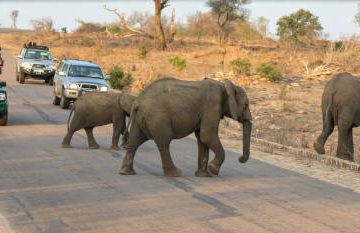
Visitors may encounter elephant groups during guided game drives.
However, some elephants have historically displayed defensive behaviour associated with past persecution, making experienced guiding particularly important.
Lions and Predator Conservation
Lions are another significant part of Gorongosa’s recovery story.
As herbivore populations increase, predator conservation becomes increasingly important.
Why Predators Are Essential
Lions help regulate prey populations and influence animal movements.
Their presence contributes to ecological relationships across the savannah.
Conservation teams monitor lion populations and their behaviour.
Visitors may see lions during game drives, although sightings are not guaranteed.
The Return of Leopards and Hyenas
Gorongosa’s restoration programme has also focused on rebuilding populations of other carnivores.
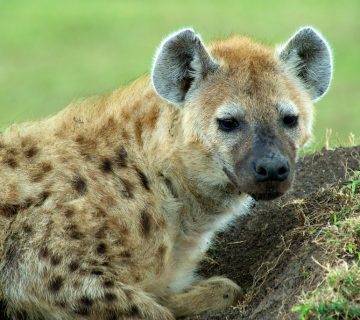
In 2024, two leopards and seven spotted hyenas were introduced as part of continued restoration efforts.
Why These Species Matter
Leopards help regulate smaller and medium-sized prey populations.
Spotted hyenas function as both predators and scavengers.
Together, these animals contribute to a more complete food web.
Reintroductions require careful monitoring to understand how animals adapt to their new environment.
African Wild Dogs in Gorongosa
African wild dogs are among the continent’s most endangered large carnivores.
Gorongosa has supported efforts to restore this species to the ecosystem.
What Makes Wild Dogs Special?
They live in highly cooperative packs.
Pack members participate in hunting and caring for young animals.
Their distinctive coats make individuals recognisable.
Wild dog sightings are unpredictable, making any encounter particularly memorable.
Gorongosa’s Recovering Antelope Populations
Large herbivores are essential to the park’s ecosystem.
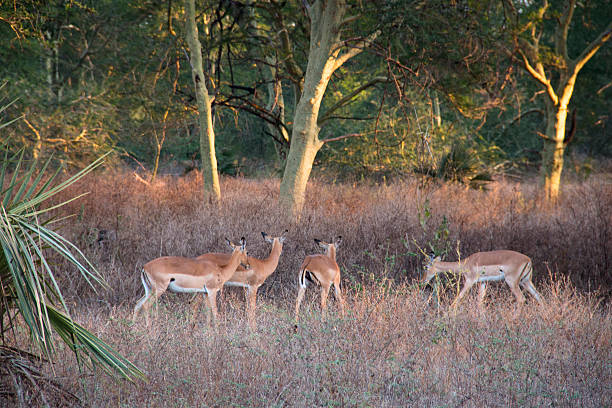
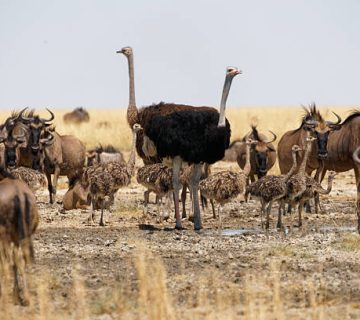
Waterbuck, impala, bushbuck and other antelope species occupy different habitats.
Wildlife Watching
| Animal | Typical habitat |
|---|---|
| Waterbuck | Floodplains and wetlands |
| Impala | Savannah and woodland |
| Bushbuck | Dense vegetation |
| Sable antelope | Woodland and grassland |
| Reedbuck | Wetland margins |
| Zebra | Open grazing areas |
| Wildebeest | Grassland |
The recovery of grazing animals supports predators and influences vegetation.
Lake Urema: Heart of the Wetlands
Lake Urema is one of Gorongosa’s most important natural features.
The lake and its surrounding floodplains provide habitats for numerous animals.
Why Visit Lake Urema?
The wetlands attract waterbirds, hippos and antelope.
Seasonal flooding creates changing wildlife habitats.
The surrounding landscape offers attractive photographic scenery.
Water levels vary with rainfall and seasonal conditions.
Birdwatching in Gorongosa
Gorongosa supports hundreds of bird species.
Its combination of grasslands, rivers, forests and wetlands creates diverse birdwatching opportunities.
Birds Worth Looking For
| Bird | Habitat |
|---|---|
| African fish eagle | Lakes and rivers |
| Saddle-billed stork | Wetlands |
| African jacana | Shallow water |
| Lilac-breasted roller | Open woodland |
| Southern ground hornbill | Savannah |
| Various kingfishers | Waterways |
| Forest birds | Mountain and woodland habitats |
Birdwatching is especially rewarding when guided by someone familiar with local habitats.
Mount Gorongosa and Rainforest Conservation
Mount Gorongosa rises above the surrounding lowlands and supports important forest habitats.
These forests influence water systems and regional biodiversity.
Why the Mountain Matters
Mountain forests help protect water catchments.
They support specialised plants, birds and other wildlife.
Conservation initiatives encourage more sustainable land management around sensitive forest areas.
Mountain excursions, where available, require separate planning and local authorisation.
Game Drives in Gorongosa
Guided game drives provide the main wildlife-viewing experience.
Visitors explore woodland tracks, open grasslands and wetland areas.
What Happens During a Game Drive?
Guides search for animal movements and explain ecological relationships.
Morning and afternoon excursions may reveal different wildlife activity.
Visitors can observe elephants, antelope, birds and occasional predators.
As Gorongosa is still recovering, wildlife concentrations vary considerably between areas.
Best Time to Visit Gorongosa
The dry season generally provides more convenient safari conditions.
Park tourism traditionally operates mainly from April to December, depending on rainfall and road accessibility.
Seasonal Visiting Guide
| Period | General experience |
|---|---|
| January–March | Heavy rains and restricted access |
| April–May | Green landscapes |
| June–August | Comfortable safari weather |
| September–October | Productive wildlife viewing |
| November–December | Increasing heat and rainfall |
Confirm current opening dates before booking because seasonal operations may change.
How to Reach Gorongosa National Park
Gorongosa is accessible through central Mozambique.
Beira is an important regional transport gateway, while road connections serve communities near the park.
Transport Options
| Transport | Planning advice |
|---|---|
| Domestic flight | Check services to Beira |
| Private vehicle | Suitable for flexible travel |
| Organised transfer | Convenient for safari visitors |
| Safari vehicle | Recommended for park activities |
Road conditions may deteriorate during heavy rainfall.
Travellers should also check current regional security advice before departure.
Accommodation at Gorongosa
Chitengo has traditionally provided the main accommodation facilities for visitors.
Options have included comfortable safari accommodation and camping.
Some specialised experiences may operate through separate arrangements.
Choosing Accommodation
Ask whether meals, transfers and safari activities are included.
Confirm available facilities before booking.
Reserve accommodation in advance during popular visiting months.
Suggested Three-Day Gorongosa Safari
Day One: Arrival and Conservation Introduction
Arrive at your accommodation and meet your safari guide.
Learn about Gorongosa’s conservation history.
Enjoy an afternoon wildlife-viewing excursion.
Day Two: Game Drives and Wildlife
Begin with an early morning game drive.
Search for elephants, waterbuck, lions and other wildlife.
Explore suitable floodplain and woodland habitats.
Spend the afternoon learning about restoration activities.
Day Three: Birdwatching and Departure
Enjoy a morning birdwatching excursion.
Observe the surrounding landscapes.
Return to camp before continuing your Mozambique journey.
How Tourism Supports Conservation
Responsible tourism provides income that can support park operations and local livelihoods.
Visitors contribute through accommodation, guiding and conservation charges.
Employment opportunities help connect surrounding communities with wildlife protection.
Gorongosa demonstrates that conservation becomes stronger when local people share in its benefits.
Why Gorongosa National Park Is Worth Visiting
Gorongosa National Park represents one of Africa’s most remarkable wildlife recovery stories.
Its journey from a devastated protected area to a recovering ecosystem demonstrates the importance of long-term conservation investment.
Elephants, lions, antelope, birds and returning predators reveal how wildlife populations can recover when habitats are protected.
For travellers interested in conservation, natural history and authentic African wilderness, Gorongosa offers something beyond an ordinary safari: the opportunity to discover a landscape being restored for future generations.


No comment