
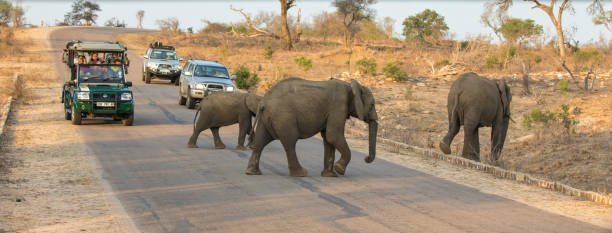
Kruger National Park Self-Drive: Rules, Gates and Rest Camps
A Kruger National Park self-drive safari is one of the most exciting ways to explore South Africa’s wildlife. Located in the northeastern part of the country, Kruger offers travellers the freedom to discover elephants, lions, leopards, rhinos, buffalo and hundreds of bird species while driving through beautiful African wilderness.
Unlike guided safaris, self-driving allows visitors to choose their routes, spend longer at interesting wildlife sightings and explore different habitats at their own pace.
However, planning is essential. Kruger has strict driving regulations, seasonal gate opening times, designated rest camps and restrictions designed to protect visitors and wildlife.
This guide explains how to organise a successful self-drive safari, including entrance gates, speed limits, accommodation, wildlife-viewing routes and practical safety advice.
Where Is Kruger National Park Located?
Kruger National Park lies in northeastern South Africa, extending across Limpopo and Mpumalanga provinces.
The park borders Mozambique and Zimbabwe and covers approximately 19,485 square kilometres.
Its landscapes include rivers, savannah grasslands, woodland and rocky hills.
Quick Facts About Kruger National Park
| Feature | Description |
|---|---|
| Country | South Africa |
| Provinces | Limpopo and Mpumalanga |
| Park size | Approximately 19,485 km² |
| Established | 1926 |
| Main activity | Self-drive wildlife safaris |
| Famous wildlife | Africa’s Big Five |
| Maximum tar-road speed | 50 km/h |
| Maximum gravel-road speed | 40 km/h |
| Main accommodation | Rest camps and bush camps |
| Recommended visit | 3–5 nights |
| Best wildlife season | May–September |
Why Choose a Self-Drive Safari?
Kruger is particularly suitable for independent travellers because it has an extensive network of maintained roads.
Many routes are accessible using ordinary passenger vehicles.
Visitors can stop at wildlife sightings, explore different areas and take breaks at designated rest camps.
Advantages of Self-Driving
A self-drive safari offers flexibility and privacy.
Travellers can choose when to begin their morning excursion.
Families can organise shorter drives around children’s needs.
Wildlife photographers can spend more time observing animal behaviour.
However, visitors must follow park regulations and remain responsible for their own navigation.
Kruger National Park Driving Rules
South African National Parks enforces strict regulations throughout Kruger.
These rules protect both wildlife and visitors.
Essential Self-Drive Rules
| Rule | Requirement |
|---|---|
| Tar-road speed limit | 50 km/h |
| Gravel-road speed limit | 40 km/h |
| Leaving the vehicle | Only at designated locations |
| Off-road driving | Prohibited |
| Feeding wildlife | Prohibited |
| Driving after gate closure | Prohibited |
| Drones | Prohibited |
| Vehicle doors | Keep closed near wildlife |
| Wildlife viewing | Maintain safe distances |
Drivers who break regulations may face fines or other penalties.
Can You Leave Your Vehicle?
Visitors must remain inside their vehicles except at authorised places.
These include designated rest camps, picnic sites and approved viewpoints.
Why This Rule Matters
Kruger contains dangerous wild animals, including lions, elephants, buffalo and leopards.
Animals can remain hidden in tall grass or woodland.
Never step outside simply to take a better photograph.
Passengers must not lean or extend body parts through open windows or sunroofs.
Understanding Kruger’s Speed Limits
The maximum speed is 50 kilometres per hour on tarred roads and 40 kilometres per hour on gravel roads.
Lower limits may apply in specific locations.
Why Drive Slowly?
Slow driving improves wildlife observation.
Animals sometimes cross roads unexpectedly.
Smaller species, including tortoises and birds, can be difficult to see.
Reduced speed also helps prevent accidents and improves photography opportunities.
Kruger National Park Entrance Gates
Kruger has nine main public entrance gates.
Choosing the right entrance helps reduce unnecessary driving.
Main Entrance Gates
| Gate | Suitable destination |
|---|---|
| Paul Kruger Gate | Skukuza and southern Kruger |
| Phabeni Gate | Skukuza area |
| Numbi Gate | Pretoriuskop |
| Malelane Gate | Berg-en-Dal |
| Crocodile Bridge Gate | Southeastern Kruger |
| Orpen Gate | Satara and central Kruger |
| Phalaborwa Gate | Letaba area |
| Punda Maria Gate | Northern Kruger |
| Pafuri Gate | Far northern Kruger |
Road access and gate availability can be affected by weather or maintenance.
Kruger National Park Gate Opening Times
Gate hours change throughout the year according to daylight.
Visitors must enter and leave before the applicable closing time.
Main Entrance Gate Hours
| Month | Opening | Closing |
|---|---|---|
| January–February | 5:30 am | 6:30 pm |
| March | 5:30 am | 6:00 pm |
| April | 6:00 am | 6:00 pm |
| May–July | 6:00 am | 5:30 pm |
| August–September | 6:00 am | 6:00 pm |
| October | 5:30 am | 6:00 pm |
| November–December | 5:30 am | 6:30 pm |
Rest-camp gates may open earlier during certain months. Always check the times shown on your entry permit.
What Happens If You Arrive Late?
Late arrivals can face refused entry or penalties.
Limited emergency arrangements may exist for overnight guests at certain camps, but these must not be relied upon.
Avoiding Gate Problems
Plan your route before departure.
Allow time for wildlife sightings.
Avoid scheduling long drives near closing time.
Remember that animals may block roads unexpectedly.
Aim to reach your destination well before the gate closes.
Kruger National Park Rest Camps
Rest camps provide accommodation, food services, fuel or basic visitor facilities, depending on the location.
Some camps are particularly suitable for first-time visitors.
Popular Rest Camps
| Rest camp | Main advantage |
|---|---|
| Skukuza | Largest camp and extensive services |
| Lower Sabie | Excellent river scenery |
| Satara | Popular predator-viewing region |
| Berg-en-Dal | Southern woodland habitats |
| Pretoriuskop | Scenic surroundings |
| Olifants | Elevated river views |
| Letaba | Elephant viewing and museum |
| Mopani | Northern landscapes |
| Shingwedzi | Riverine woodland |
| Punda Maria | Northern birdwatching |
Services and operational conditions should be confirmed before booking.
Skukuza: Best for First-Time Visitors
Skukuza is Kruger’s largest rest camp.
It offers extensive visitor facilities and convenient access to productive southern wildlife routes.
Why Stay at Skukuza?
The surrounding area supports elephants, lions, buffalo and other animals.
The camp has restaurants, shops and accommodation options.
Its central position within southern Kruger makes it convenient for exploring several routes.
Lower Sabie: Excellent River Wildlife
Lower Sabie overlooks the Sabie River.
This river attracts numerous animals and provides attractive scenery.
What Makes Lower Sabie Special?
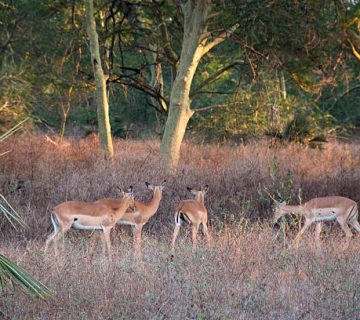
Visitors may observe elephants, hippos, crocodiles and various antelope species.
The surrounding roads are popular for predator sightings.
Its riverside setting makes Lower Sabie particularly attractive to wildlife photographers.
Satara: Lion and Predator Country
Satara lies in central Kruger.
The surrounding grasslands and open woodland support large herbivores and predators.
Why Choose Satara?
The area is particularly popular for lion sightings.
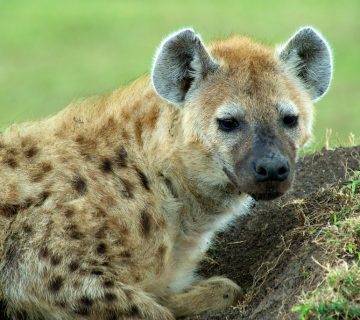
Visitors may also encounter elephants, buffalo, giraffes and hyenas.
Early morning game drives can be rewarding, although wildlife sightings remain unpredictable.
Olifants and Letaba Rest Camps
Olifants is famous for elevated views overlooking the Olifants River.
Letaba offers a peaceful setting and an elephant-focused museum.
Both camps provide interesting alternatives to the busier southern region.
Best Roads for Self-Drive Wildlife Viewing
Kruger contains numerous tarred and gravel roads.
Different routes pass through grasslands, riverine vegetation and woodland.
Suggested Wildlife Areas
| Area | Possible highlights |
|---|---|
| Skukuza–Lower Sabie | Elephants, lions and river wildlife |
| Satara surroundings | Lions and large herbivores |
| Crocodile Bridge region | Mixed wildlife |
| Berg-en-Dal | Woodland species and rhinos |
| Letaba surroundings | Elephants |
| Northern Kruger | Birdlife and quieter scenery |
Wildlife sightings cannot be guaranteed.
Best Time to Visit Kruger
The dry season, generally May to September, is particularly popular for wildlife viewing.
Vegetation becomes thinner, making animals easier to observe.
Seasonal Safari Guide
| Period | General experience |
|---|---|
| January–March | Green scenery and birdlife |
| April–May | Transition into dry season |
| June–August | Cooler, dry conditions |
| September–October | Excellent waterhole activity |
| November–December | Increasing rain and lush vegetation |
Summer often provides excellent birdwatching opportunities.
Booking a Day Visit to Kruger
Day visitors are welcome, but the park limits the number of vehicles entering each day.
During school holidays and busy weekends, available spaces may fill quickly.
Advance reservations are recommended, particularly during peak travel periods.
Visitors should carry identification, booking confirmation and the required gate registration information.
Kruger Entrance and Conservation Fees
Kruger charges daily conservation fees according to residency and age.
Indicative Fees for 2025–2026
| Visitor category | Adult daily fee |
|---|---|
| International visitors | R602 |
| SADC nationals | R275 |
| South African residents | R134 |
These rates apply to the tariff period ending 31 October 2026. New rates may apply afterwards, and additional charges can affect the final total.
Self-Drive Safari Safety
Kruger is a wilderness area where animals move freely.
Drivers should never approach elephants too closely or block animals crossing the road.
Maintain sufficient fuel, carry drinking water and use recognised stopping areas.
Mobile coverage is unreliable in some locations.
Kruger is also a malaria-risk area, so obtain appropriate medical advice before travelling.
Suggested Three-Day Kruger Itinerary
Day One: Southern Kruger
Enter through Phabeni or Paul Kruger Gate.
Explore roads around Skukuza.
Enjoy an afternoon drive before returning to camp.
Day Two: Lower Sabie
Depart early for the Sabie River area.
Watch for elephants, predators and waterbirds.
Enjoy a designated picnic stop before continuing your game drive.
Day Three: Central Kruger
Travel towards Satara if your accommodation and driving schedule permit.
Explore the surrounding grasslands.
Finish your safari with a final wildlife-viewing excursion.
Responsible Wildlife Tourism
Kruger’s wildlife depends on effective conservation and responsible visitor behaviour.
Never feed animals, throw rubbish from vehicles or drive beyond authorised roads.
Avoid crowding wildlife sightings.
Respect other drivers and maintain safe viewing distances.
Responsible self-driving protects animals and ensures a better experience for everyone.
Why Kruger National Park Is Worth Visiting
Kruger National Park offers one of Africa’s most accessible and rewarding self-drive safari experiences.
Its extensive road network, established rest camps and remarkable wildlife diversity allow visitors to explore the wilderness independently.
From elephants gathering beside rivers to lions resting beneath shady trees, each day brings different opportunities.
With careful planning, respect for park rules and realistic driving schedules, a Kruger self-drive safari can become an unforgettable South African adventure.

No comment