
Sossusvlei Dunes at Sunrise: Practical Tips for Namibia’s Red Dunes
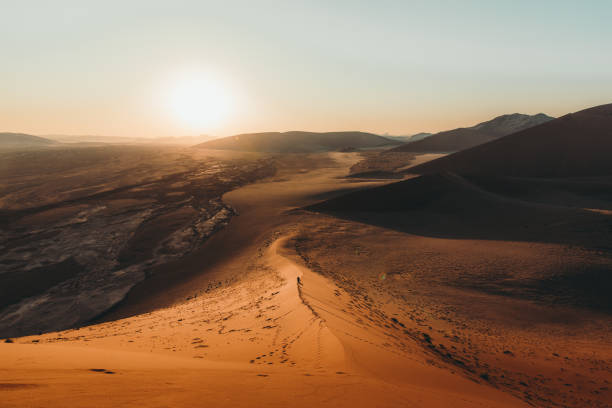
Sossusvlei dunes at sunrise offer one of Namibia’s most spectacular natural experiences, with enormous red sand dunes glowing orange beneath the first light of morning. Located in the Namib Desert, Sossusvlei is famous for its dramatic landscapes, towering dunes, ancient clay pans and remarkable photographic scenery.
As sunlight reaches the dunes, their curved ridges create striking contrasts between bright orange slopes and deep shadows. The surrounding desert gradually changes colour, revealing an extraordinary landscape shaped by wind over thousands of years.
Unlike an ordinary desert excursion, visiting Sossusvlei requires careful planning. Entrance gate times, accommodation location, road conditions, seasonal temperatures and the final sandy approach can determine whether travellers reach their preferred viewpoint at sunrise.
For photographers, nature enthusiasts and travellers exploring Namibia, Sossusvlei provides an unforgettable desert adventure.
Where Is Sossusvlei Located?
Sossusvlei lies within Namib-Naukluft National Park in central-western Namibia.
The area forms part of the Namib Sand Sea, recognised as a UNESCO World Heritage Site in 2013.
Sesriem is the main entrance point for visitors exploring the dunes.
Quick Facts About Sossusvlei
| Feature | Description |
|---|---|
| Country | Namibia |
| Desert | Namib Desert |
| Protected area | Namib-Naukluft National Park |
| Main gateway | Sesriem |
| UNESCO designation | 2013, Namib Sand Sea |
| Famous attraction | Deadvlei |
| Popular dune | Dune 45 |
| Challenging climb | Big Daddy |
| Recommended visit | 1–2 nights |
| Best activity | Sunrise photography |
Why Are Sossusvlei’s Dunes Red?
The famous red colour comes largely from iron-bearing minerals in the sand.
Over time, oxidation creates reddish coatings on individual sand grains.
Why Do the Colours Change?
During sunrise, low-angle sunlight illuminates the dunes and creates long shadows.
Some slopes appear orange or golden, while others remain dark red.
As the sun rises higher, the shadows shorten and the landscape becomes more evenly illuminated.
This changing light explains why early morning is especially popular with photographers.
Why Sunrise Is the Best Time to Visit
Sunrise offers several advantages beyond beautiful photographs.
Temperatures are generally cooler, making walking and climbing more comfortable.
The first light also reveals the shapes of the dunes particularly clearly.
Sunrise Versus Midday
| Sunrise | Midday |
|---|---|
| Cooler temperatures | Strong desert heat |
| Long dramatic shadows | Shorter shadows |
| Rich orange colours | Brighter, flatter lighting |
| Better hiking conditions | Greater heat exposure |
| Excellent photography | Harsh photographic contrasts |
Visitors should still carry sufficient water and sun protection during early excursions.
Understanding the Sesriem Entrance Gates
One of the most important planning details is that Sesriem has two entrance gates.
The outer gate generally opens around sunrise, while the inner gate provides earlier access to eligible guests staying inside the park’s outer boundary.
How the Gates Work
| Gate | Typical access |
|---|---|
| Outer Sesriem Gate | Opens around sunrise |
| Inner Gate | Usually opens approximately one hour earlier |
| Outer Gate closing | Around sunset |
| Inner Gate closing | Usually later than the outer gate |
Exact opening times vary seasonally and should be confirmed locally.
Why Accommodation Location Matters
Travellers staying inside the outer park gate have an important advantage.
They can normally access the dune road earlier than visitors staying outside.
Where Should You Stay?
Sesriem Campsite and selected lodges within the permitted area provide early-access advantages.
Accommodation outside the gate may offer comfort and beautiful desert scenery but requires waiting for public entry.
If photographing sunrise at the distant dunes is your main priority, accommodation location deserves careful attention.
Dune 45: Namibia’s Famous Sunrise Climb
Dune 45 is among the most recognisable dunes in Sossusvlei.
Its name comes from its position approximately 45 kilometres along the road from Sesriem.
Why Climb Dune 45?
The dune has a beautiful curved ridge and relatively accessible walking route.
Visitors can follow the crest towards elevated viewpoints.
The surrounding desert creates attractive photographic compositions.
A typical climb may take 30–60 minutes, depending on fitness and walking conditions.
Is Climbing Dune 45 Difficult?
Climbing through soft sand requires more energy than walking on firm ground.
Each step may slide backwards slightly.
Climbing Tips
Begin early.
Follow established routes.
Walk slowly and steadily.
Carry drinking water.
Avoid racing towards the summit.
If conditions become uncomfortable, turn around rather than continuing unnecessarily.
Deadvlei: Namibia’s Most Photographed Landscape
Deadvlei is one of the most extraordinary attractions near Sossusvlei.
This ancient clay pan contains dark, dead camel thorn trees standing against pale ground and enormous orange dunes.
Why Are the Trees Dead?
The trees once grew when water from the Tsauchab River reached the area.
Changes in the surrounding dunes eventually restricted the water supply.
The trees died centuries ago, but the extremely dry environment has slowed their decay.
Today, their silhouettes create one of Namibia’s most distinctive landscapes.
How to Reach Deadvlei
The main paved road from Sesriem continues approximately 60 kilometres towards the Sossusvlei parking area.
The final section consists of deep sand.
Road Access
| Section | Conditions |
|---|---|
| Sesriem to main parking | Approximately 60 km paved road |
| Final sandy section | Approximately 5 km |
| Recommended transport | Suitable 4WD or authorised shuttle |
| Deadvlei access | Walk from final parking |
| Walking distance | Approximately 1 km |
The final sandy section is unsuitable for ordinary two-wheel-drive vehicles.
Rules for private 4WD access changed during 2026, so confirm current arrangements before driving.
Big Daddy: Climbing One of the Tallest Dunes
Big Daddy is among the tallest dunes in the Sossusvlei area.
It rises approximately 325 metres above the surrounding landscape.
The dune overlooks Deadvlei and offers spectacular desert views.
What Makes Big Daddy Challenging?
The climb involves steep slopes and soft sand.
Reaching the upper ridge can take one to two hours or longer.
The descent may be quicker but requires care.
This activity is best suited to reasonably fit travellers with sufficient water and suitable footwear.
Big Daddy or Dune 45?
Both dunes offer rewarding experiences, but they suit different travellers.
Dune Comparison
| Feature | Dune 45 | Big Daddy |
|---|---|---|
| Difficulty | Moderate | Challenging |
| Climbing time | 30–60 minutes | 1–2+ hours |
| Main attraction | Classic curved dune | High panoramic views |
| Location | Beside main road | Near Deadvlei |
| Best for | Most visitors | Experienced hikers |
| Photography | Sunrise landscapes | Elevated desert scenery |
Visitors with limited time may prefer Dune 45.
Best Time of Year to Visit Sossusvlei
Sossusvlei can be explored throughout the year, but seasonal temperatures affect comfort.
May to September generally offers cooler conditions.
Seasonal Travel Guide
| Period | General conditions |
|---|---|
| January–March | Very hot, occasional rainfall |
| April–May | Temperatures begin cooling |
| June–August | Cool mornings and comfortable days |
| September–October | Increasing temperatures |
| November–December | Very hot conditions |
Winter mornings can be surprisingly cold, so lightweight warm clothing is useful.
How Hot Does Sossusvlei Get?
Summer temperatures can exceed 40°C.
Even during cooler months, exposed dunes become uncomfortable under strong midday sunshine.
Avoiding Heat-Related Problems
Carry sufficient drinking water.
Wear sun-protective clothing.
Use sunscreen and sunglasses.
Avoid demanding dune climbs during extreme heat.
Recognise symptoms of dehydration and heat exhaustion.
Never underestimate the desert environment.
Driving to Sossusvlei
Most visitors reach Sesriem by road.
Common starting points include Windhoek, Swakopmund and Walvis Bay.
Approximate Driving Distances
| Starting point | Distance |
|---|---|
| Windhoek | 300–370 km |
| Swakopmund | 330–370 km |
| Walvis Bay | 300–350 km |
| Sesriem to Sossusvlei | Approximately 60–65 km |
Distances vary according to the selected route.
Many access roads are gravel, requiring cautious driving.
Self-Drive Safety in Namibia
Namibia is popular for self-drive holidays, but desert roads require preparation.
Important Driving Rules
Check tyre condition.
Carry a spare tyre.
Maintain appropriate speeds.
Avoid unnecessary night driving.
Carry sufficient fuel and drinking water.
Follow park regulations.
Never attempt deep sand in an unsuitable vehicle.
What to Bring for Sunrise Photography
Sunrise photography requires preparation because the best lighting changes quickly.
Photography Equipment
| Item | Purpose |
|---|---|
| Wide-angle lens | Landscape photographs |
| Zoom lens | Isolated dune patterns |
| Tripod | Stable compositions |
| Lens cloth | Removing sand and dust |
| Spare batteries | Extended shooting |
| Camera bag | Equipment protection |
| Head torch | Early departures |
Protect cameras carefully because wind can carry fine sand.
Photography Tips for Red Dunes
The most attractive compositions often combine illuminated ridges with shaded slopes.
Taking Better Photographs
Arrive before the strongest sunlight.
Look for simple dune shapes.
Include a person occasionally to show scale.
Avoid unnecessary footprints in untouched sand.
Photograph the same dune from different angles.
Respect designated walking areas.
Sesriem Canyon: Another Attraction Worth Visiting
Sesriem Canyon lies near the national park entrance.
The narrow canyon was shaped by water erosion over a long geological period.
What Can Visitors See?
Rock walls reveal different layers of sediment.
Visitors can explore selected sections when conditions permit.
The canyon provides an interesting contrast to the surrounding sand dunes.
Avoid entering during unsafe weather or flash-flood conditions.
Suggested Sossusvlei Sunrise Itinerary
Before Sunrise
Leave your accommodation according to the applicable gate arrangements.
Drive towards your chosen dune viewpoint.
Prepare your camera and hiking equipment.
Early Morning
Enjoy sunrise photography.
Visit Deadvlei or climb a suitable dune.
Take regular breaks and drink water.
Late Morning
Return towards Sesriem.
Stop at selected viewpoints along the road.
Explore Sesriem Canyon if conditions permit.
Avoid strenuous activities during the hottest hours.
Entrance Fees and Park Permits
Sossusvlei visitors require a valid Namib-Naukluft National Park permit.
Entrance fees vary by visitor category, and vehicle charges apply separately.
2026 Fee Planning
Published information following April 2026 tariff changes indicates an international adult admission charge of approximately N$280 per day, excluding vehicle and additional transport charges.
Verify the current tariff with the park authorities before travelling.
Shuttle fees for the final sandy section are normally separate.
Responsible Desert Tourism
The Namib Desert contains fragile ecosystems that require careful protection.
Visitors should remain on permitted routes.
Never drive across unmarked dunes.
Avoid damaging ancient trees or removing natural materials.
Carry all rubbish away.
Respect wildlife and other visitors.
Why Sossusvlei Is Worth Visiting
Sossusvlei offers one of Africa’s most unforgettable desert landscapes.
Its enormous red dunes, ancient clay pans and spectacular sunrise colours create extraordinary opportunities for exploration and photography.
Dune 45 provides a classic climbing experience, while Deadvlei and Big Daddy reward travellers seeking more dramatic scenery.
With careful planning, suitable accommodation and responsible desert travel, visitors can enjoy the remarkable beauty of Namibia’s famous red dunes.




No comment