
Chobe National Park Boat Safaris: Watching Elephants Cross the River
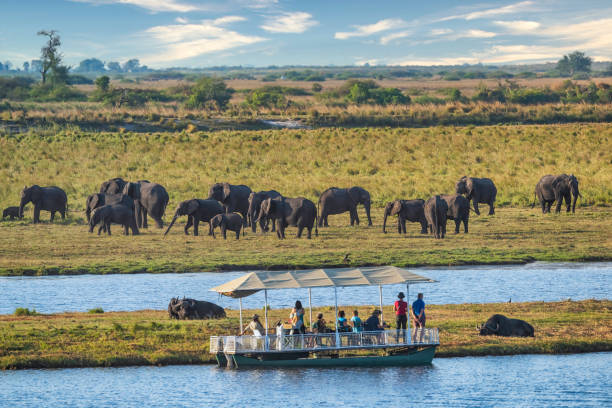
Chobe National Park boat safaris in Botswana offer one of Africa’s most remarkable wildlife experiences, allowing visitors to watch elephants drinking, bathing and sometimes swimming across the Chobe River. Located in northern Botswana, Chobe is famous for its large elephant herds, beautiful river scenery and exceptional opportunities to observe wildlife from the water.
Unlike traditional game drives, where travellers search for animals along dusty tracks, boat safaris provide a peaceful perspective of the African wilderness. Visitors can watch elephants approaching the river, hippopotamuses resting in shallow water and crocodiles basking along sandy banks.
The river also attracts buffalo, antelope and hundreds of bird species, creating excellent opportunities for wildlife photography.
For travellers exploring Botswana or visiting nearby Victoria Falls, a Chobe River boat safari is an unforgettable addition to an African holiday.
Where Is Chobe National Park Located?
Chobe National Park lies in northern Botswana, near the borders with Namibia, Zambia and Zimbabwe.
The park covers approximately 11,700 square kilometres and protects woodland, floodplains, wetlands and savannah habitats.
Kasane is the main tourism gateway and a popular departure point for boat safaris.
Quick Facts About Chobe National Park
| Feature | Description |
|---|---|
| Country | Botswana |
| Location | Northern Botswana |
| Established | 1968 |
| Park size | Approximately 11,700 km² |
| Main river | Chobe River |
| Main gateway | Kasane |
| Famous wildlife | African elephants |
| Popular activities | Boat safaris and game drives |
| Recommended stay | 2–3 nights |
| Best elephant-viewing period | July–October |
Why Is Chobe Famous for Elephants?
Chobe is internationally recognised for its impressive elephant concentrations.
During the dry season, elephants travel towards the Chobe River from surrounding woodland habitats.
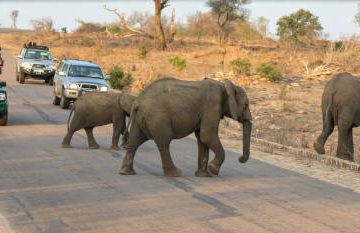
Large family groups gather along the riverbanks to drink, bathe and feed.
What Makes Elephant Viewing Special?
Visitors may encounter herds containing adult females, calves and younger elephants.
Some animals spray water over their bodies, while others feed on vegetation beside the river.
At suitable crossing points, elephants may enter the water and swim towards islands or opposite banks.
Their natural behaviour creates memorable wildlife encounters.
Watching Elephants Cross the Chobe River
An elephant river crossing is among the most exciting experiences available during a Chobe boat safari.
Elephants are capable swimmers and may cross waterways while searching for food or moving between habitats.
What Happens During a Crossing?
A herd may approach the river slowly.
Adult elephants assess the surroundings before entering the water.
Younger animals often remain close to older family members.
As the elephants move into deeper water, their heads and trunks may remain visible above the surface.
Watching an entire family cross the river is an extraordinary sight.
However, crossings occur naturally and cannot be guaranteed.
How Do Elephants Swim?
Elephants are surprisingly capable swimmers despite their enormous size.
Their bodies provide buoyancy, while their legs help propel them through the water.
Using Their Trunks
Elephants can extend their trunks above the surface to breathe.
This allows them to move through deeper water.
Young calves may receive assistance from adults during difficult crossings.
Visitors should never encourage boat operators to approach swimming elephants closely.
Best Time to See Elephants Crossing
The dry season offers particularly rewarding elephant-viewing opportunities.
From approximately May to October, animals increasingly concentrate around permanent water sources.
Seasonal Elephant Viewing
| Period | General experience |
|---|---|
| January–March | Green landscapes and dispersed herds |
| April–May | Transition towards the dry season |
| June–July | Increasing river activity |
| August–September | Large elephant concentrations |
| October | Excellent viewing, intense heat |
| November–December | Rainfall and changing movements |
August to October is often particularly productive for observing large herds near the river.
What Happens During a Chobe Boat Safari?
Boat safaris generally begin from Kasane or nearby riverfront lodges.
Visitors board a motorboat with an experienced guide.
The boat follows approved waterways while the guide searches for wildlife.
Typical Safari Experience
The excursion may begin with waterbirds feeding along the shore.
Hippopotamuses may appear in sheltered channels.
Crocodiles sometimes rest on sandy banks.
As the boat continues, visitors may encounter elephants drinking or feeding near the river.
The exact route depends on water conditions and wildlife movements.
Morning Versus Afternoon Boat Safaris
Both morning and afternoon excursions offer interesting experiences.
Which Time Is Better?
| Morning safari | Afternoon safari |
|---|---|
| Cooler temperatures | Warmer conditions |
| Excellent bird activity | Attractive sunset lighting |
| Quieter atmosphere possible | Popular elephant-viewing period |
| Soft morning light | Golden-hour photography |
| Suitable for families | Excellent scenic experience |
Afternoon cruises are particularly popular because wildlife frequently gathers near the river during warmer hours.
How Long Does a Boat Safari Last?
Most standard Chobe boat safaris last approximately two to three hours.
Longer excursions may include additional wildlife viewing and refreshments.
Available Excursion Types
| Tour | Typical duration |
|---|---|
| Short river cruise | 2 hours |
| Standard boat safari | 3 hours |
| Extended river safari | 4–5 hours |
| Full-day excursion | 6–8 hours |
| Private photographic safari | Flexible |
Private tours allow greater flexibility but generally cost more.
Other Wildlife Along the Chobe River
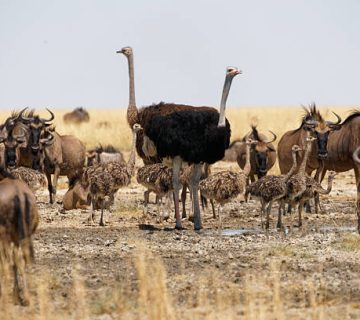
Although elephants are the main attraction, the river supports many other animals.
Wildlife Viewing Guide
| Animal | Where visitors may see it |
|---|---|
| African buffalo | Floodplains and riverbanks |
| Hippopotamus | Deep pools and channels |
| Nile crocodile | Sandy banks |
| Impala | Woodland edges |
| Waterbuck | Riverine habitats |
| Red lechwe | Wet grasslands |
| Puku | Floodplain vegetation |
| Giraffe | Woodland near the river |
Wildlife sightings change according to season and water availability.
Hippopotamuses in the Chobe River
Hippopotamuses are among the river’s most impressive residents.
They spend much of the day submerged in water.
Watching Hippos Safely
Visitors may observe hippos surfacing to breathe.
Some animals gather in groups within deeper channels.
Despite their appearance, hippos are powerful and potentially dangerous.
Boats should maintain appropriate distances and avoid blocking their movements.
Nile Crocodiles Along the River
Nile crocodiles occur throughout suitable Chobe River habitats.
They may rest on exposed sandbanks or remain partly submerged.
Crocodile Behaviour
Crocodiles often bask in sunlight to regulate body temperature.
They are also capable of remaining motionless for extended periods.
Photographers should use zoom lenses rather than approaching closely.
Visitors must never enter the river without explicit authorisation.
Birdwatching on a Chobe Boat Safari
Chobe is an outstanding birdwatching destination.
More than 460 bird species have been recorded within the national park.
The river attracts both resident and migratory birds.
Birds Worth Looking For
| Bird | Main attraction |
|---|---|
| African fish eagle | Fishing and distinctive calls |
| African jacana | Walking across floating vegetation |
| Malachite kingfisher | Brilliant colours |
| African darter | Diving for fish |
| Goliath heron | Large wetland bird |
| Pied kingfisher | Hovering above water |
| Southern carmine bee-eater | Colourful seasonal colonies |
Binoculars are useful for observing smaller species.
Combining Boat Safaris With Game Drives
A Chobe visit becomes more rewarding when travellers combine river excursions with land-based game drives.
The two activities provide different views of the same ecosystem.
Why Combine Them?
Game drives explore woodland tracks and open floodplains.
Boat safaris focus on waterways and riverbanks.
Lions, leopards and other predators are generally easier to search for during game drives.
Elephants, hippos and waterbirds are often particularly rewarding from boats.
How Much Does a Chobe Boat Safari Cost?
Prices vary according to the operator, season, boat type and included services.
For 2026, advertised shared three-hour excursions commonly range from approximately BWP 500 to BWP 800 per person.
Private and full-day excursions cost more.
Tour Cost Considerations
| Expense | What to confirm |
|---|---|
| Boat transport | Shared or private |
| Guide | Included |
| Park fees | Included or additional |
| Hotel pickup | Confirm |
| Drinks and snacks | Package-dependent |
| Private photography arrangements | Additional cost |
Always request a complete quotation before booking.
How to Book a Chobe Boat Safari
Boat safaris can be arranged through lodges, local operators and established travel companies.
Before Confirming
Ask about group size.
Check whether life jackets are provided.
Confirm the departure location.
Understand cancellation conditions.
Request information about park charges.
Choose an operator who respects wildlife-viewing regulations.
Is a Chobe Boat Safari Safe?
Boat safaris operate in an environment containing large wild animals.
Responsible operators follow safety procedures and maintain appropriate viewing distances.
Important Safety Rules
Wear a properly fitted life jacket.
Remain seated when instructed.
Avoid sudden movements.
Keep arms inside the boat near wildlife.
Never feed animals.
Follow the guide’s instructions.
Avoid approaching swimming elephants.
Do not enter the water.
Safety must always take priority over photography.
Photography Tips for Elephant Crossings
Chobe provides excellent wildlife photography opportunities.
The river’s reflective surface and warm evening light create beautiful compositions.
Taking Better Photographs
Use a zoom lens.
Keep your camera secure.
Photograph natural behaviour without disturbing animals.
Avoid flash photography near wildlife.
Leave enough space in the frame to show elephants and their surrounding landscape.
Afternoon light can be particularly attractive for capturing elephants against the river.
How to Reach Chobe National Park
Kasane provides convenient access to the Chobe Riverfront.
Travellers can reach the town through Kasane International Airport or road transfers from neighbouring destinations.
Common Travel Connections
| Starting point | Transport |
|---|---|
| Kasane Airport | Short road transfer |
| Victoria Falls, Zimbabwe | Cross-border road transfer |
| Livingstone, Zambia | Road transfer via Kazungula |
| Maun, Botswana | Domestic flight or road journey |
| Nearby river lodges | Lodge transfer |
Border requirements depend on nationality and the chosen route.
Where to Stay Near Chobe
Kasane offers hotels, guesthouses and safari lodges.
Some properties overlook the Chobe River, while others provide convenient access to the park.
Choosing Accommodation
Riverfront lodges are suitable for travellers prioritising boat activities.
Properties within Kasane provide access to restaurants and local services.
More exclusive lodges offer quieter surroundings and specialised safari experiences.
Suggested Two-Day Chobe Safari Itinerary
Day One: River Safari
Arrive in Kasane and settle into your accommodation.
Enjoy lunch before an afternoon boat safari.
Watch elephants, hippos and waterbirds.
Return after enjoying the evening scenery.
Day Two: Game Drive
Begin with an early morning game drive.
Search for lions, buffalo, giraffes and other animals.
Return for breakfast before continuing your journey.
Responsible Wildlife Tourism
Chobe’s wildlife depends on effective conservation and responsible guiding.
Visitors should respect animal behaviour and avoid encouraging close approaches.
Never interfere with elephant crossings.
Do not throw rubbish into the river.
Support operators who follow national park regulations.
Responsible tourism helps protect the ecosystem and surrounding communities.
Why Chobe Boat Safaris Are Worth Experiencing
Chobe National Park boat safaris offer one of Africa’s finest opportunities to observe elephants in their natural environment.
Watching a family herd drink, bathe or swim across the Chobe River provides a remarkable perspective on elephant behaviour.
The experience also introduces visitors to hippos, crocodiles, waterbirds and beautiful river landscapes.
For travellers seeking an unforgettable Botswana safari, exploring Chobe by boat provides a peaceful and rewarding alternative to traditional game drives.

No comment