
Prison Island Giant Tortoises: Visiting Changuu Island
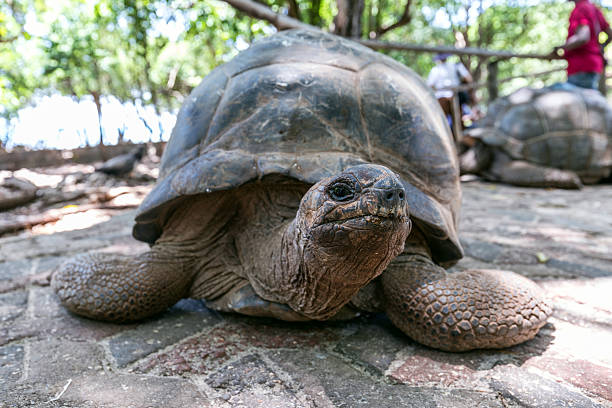
Prison Island giant tortoises in Zanzibar are among Tanzania’s most fascinating wildlife attractions. Located a short boat journey from Stone Town, Changuu Island is famous for its enormous Aldabra tortoises, historic quarantine buildings, turquoise waters and peaceful coastal scenery.
Unlike Zanzibar’s busy beaches, Prison Island combines wildlife conservation with an interesting chapter of Indian Ocean history. Visitors can observe giant tortoises, learn about their origins and explore buildings associated with the island’s colonial past.
Some tortoises are more than 100 years old, making the sanctuary particularly interesting for families, wildlife photographers and conservation enthusiasts.
For travellers exploring Zanzibar, visiting Changuu Island provides an enjoyable half-day excursion combining nature, history and beautiful ocean scenery.
Where Is Prison Island Located?
Prison Island, officially called Changuu Island, lies approximately 5.6 kilometres northwest of Stone Town on Zanzibar’s main island, Unguja.
The island measures approximately 800 metres long and 230 metres across at its widest point.
Visitors usually reach it by organised boat excursion from Stone Town’s waterfront.
Quick Facts About Prison Island
| Feature | Description |
|---|---|
| Country | Tanzania |
| Destination | Zanzibar |
| Official name | Changuu Island |
| Popular name | Prison Island |
| Distance from Stone Town | Approximately 5.6 km |
| Boat journey | 20–30 minutes |
| Main attraction | Aldabra giant tortoises |
| Historical attraction | Former quarantine station |
| Popular activities | Wildlife viewing and snorkelling |
| Recommended visit | Half-day |
Why Is Changuu Called Prison Island?
The island’s name reflects its complicated history.
During the nineteenth century, Changuu became associated with Zanzibar’s slave-trading era.
Historical accounts describe its use for holding enslaved people, although details of this early period remain debated.
In 1893, British administrator Lloyd Mathews acquired the island and arranged construction of a prison.
Was the Prison Ever Used?
The colonial prison was never used for its intended purpose of housing convicted prisoners.
Instead, the buildings became associated with quarantine arrangements for people arriving by sea.
Today, visitors can observe surviving historic structures and learn about this period through local guides.
The History of Changuu Island
Changuu’s history reflects Zanzibar’s importance within Indian Ocean trading networks.
For centuries, ships travelled between East Africa, Arabia, India and other coastal destinations.
As maritime connections expanded, controlling infectious diseases became increasingly important.
The Quarantine Station
The island’s isolated location made it suitable for separating arriving travellers from the main population.
Facilities were developed to accommodate people requiring medical observation.
The quarantine station became an important part of Zanzibar’s historical public health system.
Its buildings remain reminders of the island’s changing uses.
The Giant Tortoises of Prison Island
Today, the island is best known for its colony of Aldabra giant tortoises.
These impressive reptiles are native to the Aldabra Atoll in the Seychelles.
They are among the world’s largest living tortoise species.
How Did the Tortoises Arrive?
The colony originated from tortoises presented to Zanzibar by authorities in the Seychelles during the early twentieth century.
A commonly cited account records four tortoises arriving in 1919.
The animals reproduced, eventually establishing the island’s well-known sanctuary population.
Their descendants remain the main attraction for visitors.
How Big Are Aldabra Giant Tortoises?
Aldabra giant tortoises are enormous land reptiles with heavy shells, powerful legs and long necks.
Large adults can weigh more than 200 kilograms.
Their impressive size makes them memorable animals to observe.
Giant Tortoise Facts
| Feature | Description |
|---|---|
| Scientific name | Aldabrachelys gigantea |
| Native habitat | Seychelles |
| Main diet | Grasses, leaves and vegetation |
| Maximum weight | More than 200 kg in large individuals |
| Lifespan | Commonly exceeds 100 years |
| Movement | Slow terrestrial walking |
| Conservation status | Vulnerable |
Individual size and longevity vary considerably.
How Old Are Prison Island’s Tortoises?
Several tortoises on Changuu are believed to be more than a century old.
Some have painted identification numbers on their shells.
However, exact ages for the oldest individuals may rely on historical records and estimates.
Why Do Giant Tortoises Live So Long?
Giant tortoises grow slowly and have relatively low metabolic rates.
Their protective shells help defend them against some predators.
Their long lives make them particularly interesting subjects for conservation research.
Visiting the Tortoise Sanctuary
The sanctuary is the highlight of most Prison Island excursions.
Visitors walk through designated areas where tortoises rest, feed and move around.
Some animals remain stationary for long periods, while others slowly explore their surroundings.
What Can Visitors Expect?
Guides introduce the tortoises and explain their conservation history.
Visitors may observe feeding behaviour and interactions between animals.
Younger tortoises can sometimes be seen in protected sections.
The experience provides excellent opportunities for learning and photography.
Can Visitors Feed the Giant Tortoises?
Supervised feeding is permitted under the sanctuary’s visitor arrangements.
Staff may provide suitable leaves or other approved vegetation.
Responsible Feeding Rules
Visitors should use only food supplied or approved by keepers.
Never offer bread, sweets or ordinary human snacks.
Avoid placing fingers near the tortoises’ mouths.
Do not force an animal to eat.
Follow all instructions from sanctuary staff.
Feeding arrangements may change according to animal welfare requirements.
Can You Touch or Ride the Tortoises?
Giant tortoises are wild animals deserving respectful treatment.
Visitors should avoid unnecessary touching, even when animals appear comfortable around people.
Never sit on, ride, lift or stand over a tortoise.
Why Careful Behaviour Matters
Excessive handling can cause stress.
Climbing onto tortoises may injure their shells, limbs or internal structures.
Children should remain supervised.
Photographs can be taken without disturbing the animals.
How Do Giant Tortoises Behave?
Aldabra giant tortoises are generally calm, slow-moving herbivores.
They spend considerable time feeding, resting and regulating their body temperature.
Common Behaviours
| Behaviour | Explanation |
|---|---|
| Grazing | Feeding on vegetation |
| Resting | Conserving energy |
| Stretching necks | Reaching suitable food |
| Walking | Moving between feeding areas |
| Seeking shade | Avoiding excessive heat |
| Social interaction | Responding to nearby tortoises |
Their slow movements make them fascinating to observe patiently.
The Importance of Tortoise Conservation
Aldabra giant tortoises represent an important part of Indian Ocean biodiversity.
Historically, giant tortoise populations across several islands declined because of hunting and habitat disturbance.
Protected populations have contributed to conservation education.
Why Protection Matters
Giant tortoises influence vegetation through feeding.
They can also disperse seeds.
Maintaining healthy populations supports island ecosystems.
Visitors should choose experiences that prioritise genuine animal welfare.
Exploring the Historic Buildings
Beyond the tortoises, Prison Island contains structures associated with its former quarantine station.
The buildings reflect Zanzibar’s colonial-era maritime history.
What Can You Discover?
Visitors can observe historic walls, courtyards and architectural features.
Guides explain how the island was used during different periods.
Some buildings have been adapted for tourism and hospitality.
Respect restricted areas and avoid damaging fragile structures.
Beaches and Coastal Scenery
Changuu Island is surrounded by attractive Indian Ocean waters.
Small sandy beaches and rocky shorelines provide beautiful scenery.
Palm trees and coastal vegetation create a peaceful tropical atmosphere.
Can Visitors Swim?
Swimming may be possible in designated areas when sea conditions permit.
However, tides, currents and rocky seabeds require caution.
Ask your guide about suitable locations.
Do not enter unfamiliar waters independently.
Snorkelling Near Prison Island
Some boat operators combine the island visit with snorkelling.
Nearby reefs support tropical fish and other marine wildlife.
What Might You See?
Visitors may encounter colourful reef fish, coral formations and small marine creatures.
Underwater visibility depends on weather and tides.
Avoid touching coral or disturbing marine animals.
Beginners should use suitable flotation equipment and follow their guide’s instructions.
How to Reach Prison Island
The island is accessible by boat from Stone Town.
Excursions commonly depart from waterfront areas near Forodhani Gardens.
Boat Transfer Information
| Item | Details |
|---|---|
| Departure | Stone Town waterfront |
| Transport | Motorboat or arranged excursion |
| Crossing time | Approximately 20–30 minutes |
| Tour duration | Generally 3–4 hours |
| Guide | Recommended |
| Safety equipment | Properly fitted life jackets |
Confirm departure arrangements before boarding.
Prison Island Entrance Fees
Visitors may pay separate charges for boat transport, island admission and marine conservation.
Published 2026 travel information indicates that updated marine conservation charges may apply.
Budgeting for a Visit
| Expense | Planning advice |
|---|---|
| Boat transfer | Confirm return journey |
| Island admission | Ask whether included |
| Marine conservation charge | Confirm current tariff |
| Guide | Check tour inclusion |
| Snorkelling equipment | May cost extra |
Request the complete price before booking because operator packages vary.
Best Time to Visit Prison Island
Changuu can be visited throughout the year.
Morning excursions are generally enjoyable because temperatures may be more comfortable.
Arriving early can also help avoid the busiest periods.
Seasonal Conditions
| Period | General conditions |
|---|---|
| January–February | Warm, often relatively dry |
| March–May | Increased rainfall |
| June–October | Generally comfortable |
| November–December | Variable rainfall |
Boat departures depend on actual sea conditions.
Combining Prison Island With Nakupenda Sandbank
Nakupenda Sandbank is a popular excursion near Stone Town.
Its white sand and shallow turquoise waters attract visitors interested in swimming and relaxation.
Suggested Combination
Begin with a morning trip to Prison Island.
Visit the tortoise sanctuary and historic buildings.
Continue to Nakupenda when tides permit.
Enjoy beach relaxation before returning to Stone Town.
The sandbank’s accessibility changes with tides.
Visiting Prison Island With Children
The tortoise sanctuary is particularly attractive for families.
Children can learn about animal lifespans, conservation and island ecology.
Parents should supervise feeding activities and ensure children follow staff instructions.
Boat safety is equally important.
What to Bring
Recommended items include sunscreen, a sun hat, drinking water, comfortable shoes and a camera.
Travellers planning to snorkel should bring suitable swimwear.
A waterproof bag helps protect phones and personal belongings during boat transfers.
Carry money for charges not included in the excursion.
Responsible Tourism on Changuu Island
Visitors should treat tortoises respectfully and protect the island’s coastal environment.
Never ride or lift animals.
Avoid littering.
Do not damage historical structures.
Use responsible boat operators.
Support conservation activities that place animal welfare before entertainment.
Why Prison Island Is Worth Visiting
Prison Island offers a memorable combination of wildlife, history and coastal scenery.
Its enormous Aldabra tortoises provide opportunities to appreciate some of the world’s longest-living reptiles.
The former quarantine buildings introduce an important chapter of Zanzibar’s maritime past.
With a short boat journey from Stone Town, Changuu Island is an accessible excursion for families, photographers and travellers interested in conservation.
For visitors seeking experiences beyond Zanzibar’s beaches, Prison Island provides an enjoyable introduction to the island’s remarkable natural and cultural heritage.



No comment