
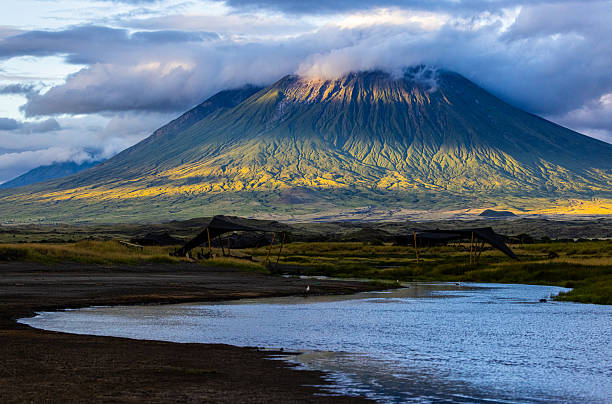
Ol Doinyo Lengai: Climbing the Maasai Mountain of God at Night
Ol Doinyo Lengai in Tanzania is one of Africa’s most extraordinary volcanic mountains, offering adventurous travellers a demanding night climb through steep volcanic slopes towards an active summit crater. Rising above the dramatic Lake Natron landscape in northern Tanzania, the mountain is known among the Maasai as the Mountain of God.
Unlike Mount Kilimanjaro, where climbers follow established multi-day trekking routes, Ol Doinyo Lengai is usually attempted during a single overnight expedition. Hikers begin around midnight, climb through darkness and aim to reach a safe viewpoint near sunrise.
The mountain is famous for producing exceptionally unusual volcanic lava, making it important to geologists and adventure travellers.
However, Ol Doinyo Lengai is an active volcano, and climbing conditions can change rapidly. A summit attempt should only proceed when current volcanic activity, weather and local safety assessments permit.
Where Is Ol Doinyo Lengai Located?
Ol Doinyo Lengai stands south of Lake Natron in northern Tanzania’s Great Rift Valley, within Arusha Region.
The mountain rises approximately 2,962 metres above sea level.
Its isolated volcanic cone dominates the surrounding dry plains, with views towards Lake Natron and the Gregory Rift.
Quick Facts About Ol Doinyo Lengai
| Feature | Description |
|---|---|
| Country | Tanzania |
| Region | Arusha |
| Elevation | 2,962 metres |
| Mountain type | Active stratovolcano |
| Maasai meaning | Mountain of God |
| Main gateway | Lake Natron |
| Typical climbing start | Around midnight |
| Approximate ascent | 5–7 hours |
| Hiking difficulty | Very challenging |
| Main attraction | Active volcanic landscape |
| Essential requirement | Experienced local guide |
Why Is It Called the Mountain of God?
Ol Doinyo Lengai holds deep cultural and spiritual significance for the Maasai people.
The name is associated with Engai, a divine presence in Maasai religious traditions.
For generations, the mountain has occupied an important place in local beliefs and ceremonies.
Respecting Maasai Traditions
Visitors should recognise that the mountain is more than a tourist attraction.
Its cultural importance deserves respect.
Travellers can learn about local traditions through community-approved experiences and knowledgeable Maasai guides.
Permission should always be requested before photographing ceremonies or sacred activities.
What Makes Ol Doinyo Lengai Unique?
Ol Doinyo Lengai is scientifically remarkable because it is the world’s only volcano known to erupt natrocarbonatite lava.
Most volcanic lava is rich in silicate minerals.
Lengai’s unusual lava contains carbonate minerals and has very different physical characteristics.
The World’s Unusual Lava
Fresh natrocarbonatite lava can appear dark and flow at temperatures much lower than ordinary basaltic lava.
After exposure to moisture and air, its appearance changes as minerals react.
This can create pale grey or whitish surfaces.
Despite its relatively low eruptive temperature, the lava is still dangerously hot and must never be approached or touched.
Is Ol Doinyo Lengai Still Active?
Yes. Ol Doinyo Lengai is an active volcano with a history of eruptions and changing summit conditions.
Significant explosive activity occurred during 2007–2008.
More recent observations have documented continuing volcanic activity.
Why Volcanic Activity Matters
Fresh lava, unstable ground, volcanic gases and sudden eruptions can threaten climbers.
The summit’s shape can also change after eruptions.
A route considered accessible previously may no longer be safe.
Visitors must confirm current volcanic conditions with qualified local authorities and guides before attempting an ascent.
Why Do Climbers Start at Night?
Most climbing groups begin around midnight.
This unusual schedule helps avoid the intense daytime heat experienced around Lake Natron.
The mountain’s exposed slopes provide little shade.
Advantages of Night Climbing
Cooler temperatures reduce heat exposure.
An overnight ascent may allow hikers to reach a safe viewpoint around sunrise.
The early morning light creates excellent views across the Rift Valley.
However, darkness introduces additional risks, including reduced visibility and difficult footing.
Strong headlamps and experienced guiding are essential.
Understanding the Climbing Route
The standard ascent begins from a trailhead reached by four-wheel-drive vehicle from the Lake Natron area.
The route follows steep volcanic slopes covered with loose rock, ash and gravel.
Main Climbing Stages
| Stage | Approximate experience |
|---|---|
| Evening | Rest and prepare |
| Around midnight | Begin climbing |
| Early morning | Continue up steep volcanic slopes |
| Near sunrise | Reach a permitted safe viewpoint |
| Morning | Begin careful descent |
| Late morning or afternoon | Return to accommodation |
Actual times depend on fitness, weather, trail conditions and volcanic activity.
How Difficult Is the Climb?
Ol Doinyo Lengai is a strenuous mountain expedition.
The climb involves sustained uphill walking on unstable volcanic material.
Some sections are extremely steep and physically exhausting.
Main Challenges
Loose volcanic ash and gravel.
Steep and exposed slopes.
Limited visibility at night.
High physical exertion.
Strong winds.
Difficult downhill walking.
Potential volcanic hazards.
The mountain is unsuitable for inexperienced hikers without substantial preparation.
Reaching the Summit Area
For many climbers, the greatest reward is the view across the Great Rift Valley at sunrise.
The surrounding plains, Lake Natron and distant volcanic formations create spectacular scenery.
What Can You See?
On clear mornings, visitors may observe Lake Natron’s broad shoreline and the rugged surrounding landscape.
Volcanic formations reveal the mountain’s unusual geological history.
However, reaching the actual crater rim is not always possible or safe.
A guide may require climbers to stop below the summit because of volcanic activity, unstable terrain or dangerous gases.
Is It Safe to Enter the Crater?
Entering an active volcanic crater is extremely dangerous.
Ol Doinyo Lengai’s crater may contain fresh lava, unstable surfaces and hazardous gases.
Conditions can change without warning.
Visitors should never enter a restricted crater or approach active vents.
Even apparently solid volcanic surfaces can be unstable.
A successful expedition does not require standing beside lava.
Descending Ol Doinyo Lengai
Descending can be as demanding as climbing.
Loose volcanic material may slide beneath hiking boots.
Steep slopes place considerable pressure on knees and ankles.
Descent Safety
Walk slowly and follow the guide’s route.
Avoid running downhill.
Maintain distance between hikers.
Use trekking poles when appropriate.
Take breaks before fatigue affects balance.
Morning sunshine can make the descent increasingly uncomfortable.
Best Time to Climb Ol Doinyo Lengai
Relatively dry periods generally offer better trekking conditions.
June to October and January to February are commonly considered convenient months.
However, weather suitability does not mean volcanic conditions are safe.
Seasonal Climbing Guide
| Period | General conditions |
|---|---|
| January–February | Often hot and relatively dry |
| March–May | Increased rainfall |
| June–October | Generally drier conditions |
| November–December | Variable rainfall |
Heavy rain can make volcanic slopes particularly slippery.
What to Pack for the Night Climb
Proper equipment is essential because the route is steep, dark and remote.
Recommended Equipment
| Item | Purpose |
|---|---|
| Strong hiking boots | Grip and ankle support |
| Headlamp | Night visibility |
| Spare batteries | Emergency lighting |
| Warm jacket | Wind and cooler summit temperatures |
| Gloves | Hand protection |
| Trekking poles | Stability |
| Drinking water | Hydration |
| Energy snacks | Sustained energy |
| Dust protection | Volcanic ash |
| First-aid kit | Minor emergencies |
Carry enough water for the entire expedition because reliable drinking-water sources are absent along the route.
Do You Need a Guide?
An experienced local Maasai mountain guide is essential.
Guides understand the terrain and established access routes.
They also help coordinate community arrangements and monitor conditions.
Choosing a Responsible Operator
Ask about guide experience, emergency communication and evacuation arrangements.
Confirm whether the operator checks volcanic activity before departure.
Avoid companies guaranteeing summit access regardless of conditions.
A responsible guide must be willing to cancel an unsafe climb.
How to Reach Ol Doinyo Lengai
Most expeditions begin in Arusha.
Travellers continue by four-wheel-drive vehicle towards Lake Natron, often through Mto wa Mbu or other northern Tanzania routes.
The journey crosses remote landscapes with limited services.
Transport Planning
A high-clearance vehicle is recommended.
Road conditions can deteriorate after rainfall.
Carry drinking water and essential supplies.
Allow sufficient time to rest before the overnight climb.
Accommodation Near Lake Natron
Visitors usually stay at camps or lodges around the southern Lake Natron region.
These properties provide a convenient base for hiking arrangements.
Accommodation varies from simple campsites to comfortable safari lodges.
Why Stay Before Climbing?
An afternoon rest helps prepare for the overnight ascent.
Visitors can organise equipment, discuss safety and eat before departure.
After the climb, returning to accommodation provides an opportunity to recover.
Exploring Lake Natron
Lake Natron is one of northern Tanzania’s most unusual natural attractions.
Its highly alkaline waters support microorganisms that contribute to the lake’s distinctive colours.
The surrounding landscape is also an important breeding environment for lesser flamingos.
Other Activities
Visitors can enjoy guided birdwatching, scenic photography and community experiences.
Some itineraries include walking excursions to waterfalls in the wider Ngare Sero area.
These activities provide rewarding alternatives when climbing conditions are unsuitable.
Suggested Two-Day Expedition
Day One: Arrival at Lake Natron
Travel from Arusha towards Lake Natron.
Check into accommodation and rest.
Meet the mountain guide for a detailed briefing.
Prepare equipment and confirm current safety conditions.
Day Two: Overnight Climb and Recovery
Begin the ascent around midnight if conditions permit.
Climb steadily towards the authorised turnaround point.
Enjoy sunrise views where safe.
Descend carefully and return to accommodation.
Rest before undertaking further travel.
Responsible Tourism and Conservation
Ol Doinyo Lengai lies within a landscape closely connected to Maasai communities.
Visitors should support locally guided tourism and respect community arrangements.
Do not remove volcanic rocks or disturb sensitive habitats.
Carry away rubbish.
Avoid entering restricted geological areas.
Responsible tourism helps protect the mountain’s natural and cultural importance.
Why Ol Doinyo Lengai Is Worth Experiencing
Ol Doinyo Lengai combines extraordinary geology, Maasai cultural heritage and dramatic Rift Valley scenery.
Its unusual lava and active volcanic character make it one of Tanzania’s most distinctive mountains.
Climbing at night adds another dimension, with the possibility of enjoying sunrise above Lake Natron.
However, safety must always take priority over reaching the summit.
For experienced hikers who prepare carefully and travel with qualified local guides, Ol Doinyo Lengai offers a remarkable adventure into one of Africa’s most fascinating volcanic landscapes.


No comment