
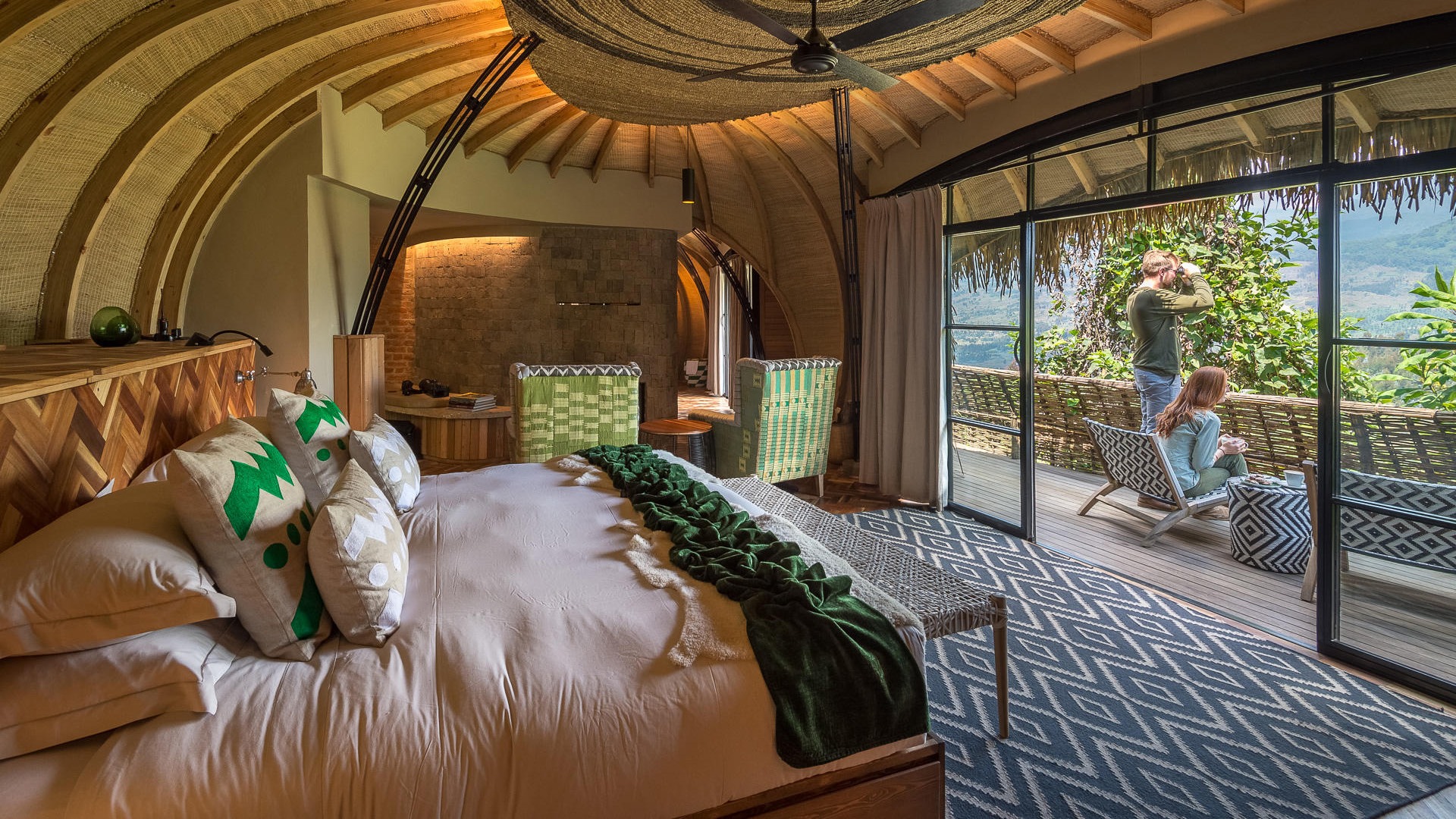
Lodge Etiquette: Rules You Should Know Before Check-In
Staying at a lodge is an important part of any holiday, whether you are visiting a wildlife reserve, exploring the mountains, relaxing beside a lake, or travelling through East Africa. A good lodge provides a comfortable place to rest, enjoy local hospitality, and prepare for the next day’s activities. However, every property has its own rules, routines, and expectations. Understanding lodge etiquette before check-in helps you avoid unnecessary misunderstandings, respect the people around you, and enjoy your stay without problems.
Lodge etiquette goes beyond following instructions at reception. It includes respecting staff, keeping noise under control, using shared facilities responsibly, understanding meal arrangements, protecting wildlife, conserving water and electricity, and treating local communities with consideration. These expectations are particularly important in safari lodges, mountain retreats, eco-lodges, and remote properties where resources may be limited and daily routines depend on weather, wildlife activity, or transport arrangements.
Understand Your Booking Before Arrival
Good lodge etiquette begins before you reach the property. Read your booking confirmation carefully and check what your reservation includes. Confirm the room category, number of guests, meal plan, check-in time, check-out time, and any activities or transfers arranged through the lodge. Some properties offer bed and breakfast, while others provide half-board or full-board packages. Safari lodges may include scheduled game drives, guided walks, or transport to a park entrance, but these services should never be assumed unless they appear in your booking details.
If you expect to arrive late, inform the lodge as early as possible. Staff may need to arrange dinner, organise transport, or ensure someone is available to welcome you. At remote properties, reception may not operate around the clock. Arriving without notice after the normal check-in period can create difficulties, especially when the lodge is far from the nearest town.
You should also communicate important requirements in advance. If you need a vegetarian meal, have a food allergy, require a ground-floor room, or are travelling with a child, contact the property before arrival. Advance notice gives staff a better chance to prepare suitable arrangements. Although a lodge may try to accommodate last-minute requests, it cannot always guarantee them.
If your plans change, update the lodge rather than simply failing to arrive at the expected time. Clear communication helps staff manage rooms, meals, transport, and other bookings.
Arrive at the Correct Check-In Time
Most lodges have set check-in and check-out times to allow staff to clean rooms, prepare beds, inspect facilities, and welcome incoming guests. Arriving before the official check-in time does not automatically mean your room will be ready. If you reach the property early, ask politely whether early check-in is possible.
Some lodges may allow you to leave your luggage at reception while you wait. Others may offer access to a lounge, restaurant, garden, or other shared area. If the room is still occupied or undergoing cleaning, do not pressure staff to release it before it is ready. A short wait helps ensure that the room meets the property’s cleanliness and safety standards.
If you arrive late at night, keep your voice low and follow the instructions given by reception. Avoid sounding an unnecessary car horn, playing loud music, or calling loudly across the property. Other guests may already be asleep, and staff may be working with limited lighting or transport options.
At small family-run lodges, the owner or manager may personally handle check-in. A friendly greeting and patience can make the process easier for everyone. Have your booking details and identification ready if requested, and ask any important questions before leaving reception.
Respect the Lodge Staff
Lodge staff work in several departments, including housekeeping, reception, food service, maintenance, guiding, security, and management. Their work often begins early and continues late, particularly in safari destinations where guests leave before sunrise or return after evening activities.
Treat every staff member with courtesy, regardless of their position. Greet people politely, listen to instructions, and make requests respectfully. If something is not working properly, explain the problem clearly rather than blaming the person who receives your complaint.
For example, if your shower has no hot water, contact reception and describe what is happening. The problem may involve a solar water-heating system, a generator schedule, or a temporary supply issue. Staff can investigate more effectively when they receive clear information.
Remember that staff members may be handling several requests at once. If you need assistance, ask where possible rather than assuming someone is available immediately. This is especially relevant at remote lodges, where a small team may be responsible for reception, meals, room preparation, and guest activities.
Avoid making disrespectful comments about staff members’ accents, appearance, income, or background. Do not treat employees as if they are available for personal errands unrelated to their duties. Professional hospitality is based on mutual respect.
If you are unhappy with a service, raise the matter calmly with the appropriate manager. A clear explanation usually produces a better result than an argument in front of other guests.
Keep Noise Under Control
Noise is one of the most common causes of disagreement in accommodation settings. Guests visit lodges for different reasons. Some want to socialise, while others need quiet time after a long drive or an early morning activity.
Keep conversations, television volume, music, and phone calls at a reasonable level, especially in the evening and early morning. If your room has a balcony or veranda, remember that sound can travel easily across open grounds. A conversation that seems quiet inside your room may be clearly audible to guests nearby.
Shared lounges, restaurants, swimming pools, and outdoor seating areas require particular consideration. Avoid taking loud calls in places where other visitors are eating, reading, or resting. If you need to have a lengthy conversation, move to a suitable area.
At safari lodges, quiet behaviour is also important because wildlife may move close to accommodation. Loud music, shouting, and unnecessary movement can disturb animals and affect the experience of other guests. Follow any instructions concerning quiet hours or wildlife viewing.
If you are travelling in a group, agree on basic expectations before arrival. Group members should avoid turning corridors, verandas, or shared dining areas into noisy gathering places late at night. Enjoying a lodge with friends does not mean everyone else should have to participate.
Follow the Rules for Wildlife and Outdoor Areas
Wildlife lodges operate in environments where animals may roam freely around the property. Depending on the destination, guests may encounter monkeys, antelope, birds, elephants, or other animals near paths, gardens, viewing decks, and accommodation areas.
Never assume that an animal is harmless because it appears calm or is accustomed to seeing people. Keep a safe distance and follow the instructions of lodge staff and guides. Do not approach, chase, corner, or attempt to touch wild animals.
Feeding wildlife is generally prohibited unless an authorised activity specifically permits it under professional supervision. Giving animals bread, fruit, biscuits, or leftovers can change their behaviour, encourage them to approach people, and expose them to unsuitable food. Animals that learn to associate humans with food may become aggressive or create safety problems.
Do not leave food, rubbish, or open containers outside your room. Secure waste in the designated bins and follow the lodge’s instructions for storing snacks. At properties where monkeys or other animals regularly visit, staff may ask guests to keep windows closed or avoid carrying food outdoors.
If you see wildlife near your accommodation, observe quietly from the permitted area. Never block an animal’s route or try to create a closer photograph. If an animal approaches, follow the lodge’s safety guidance rather than making sudden movements.
Some lodges require guests to remain inside designated areas after dark or use an escort when walking between rooms and the restaurant. These rules are designed to reduce the risk of encounters with wildlife. Follow them even if the distance appears short.
Use Water and Electricity Responsibly
Water and electricity may be readily available at large hotels, but remote lodges often depend on solar systems, generators, rainwater collection, boreholes, or limited local supplies. Responsible use helps maintain essential services for guests and staff.
Take reasonable showers rather than allowing water to run unnecessarily. Turn off taps while brushing your teeth, and report leaking pipes or faulty toilets to reception. If the lodge asks guests to reuse towels or limit laundry, follow the instructions where practical.
Electricity may operate on a schedule at some eco-lodges. A property might provide lighting and charging facilities during certain hours or use a generator for part of the day. Ask staff about the system when you arrive, particularly if you need to charge camera batteries, a laptop, or medical equipment.
Switch off lights, fans, air conditioning, and other appliances when leaving the room, unless staff advise otherwise. Keep doors and windows closed when using air conditioning, and avoid leaving cooling equipment running in an empty room.
Do not overload sockets or connect equipment that may exceed the available power supply. If you need to use a high-powered appliance, check with reception first. Guests travelling with cameras, drones, laptops, and several electronic devices should plan their charging around the lodge’s facilities.
These practices are not simply about saving money. They help prevent disruptions and support the operation of accommodation in places where replacing supplies or repairing equipment can take longer than it would in a city.
Observe Dining Room Etiquette
Meals are an important part of the lodge experience. Some properties provide buffet service, while others serve meals at set times or offer a limited menu prepared by a small kitchen team. Before sitting down, ask whether you should wait to be seated or order directly from the staff.
Arrive on time for meals, especially when the lodge serves guests on a shared schedule. At safari properties, breakfast may be arranged before an early game drive, and dinner may be prepared for a particular sitting. If you know you will be late, notify the staff so they can advise whether food can be kept or another arrangement made.
If your package includes meals, confirm what is covered. Special drinks, premium beverages, packed lunches, room service, and certain menu items may cost extra. Ask before ordering if you are uncertain about additional charges.
Inform the lodge about allergies and dietary restrictions as early as possible. When speaking with staff, explain the specific ingredients you need to avoid. Do not assume that a dish is suitable simply because its name suggests it contains no meat, dairy, nuts, or gluten. If you have a serious allergy, confirm how the kitchen can accommodate it.
At a buffet, take a reasonable portion and return for more if needed. Avoid touching food with your hands or using the same serving utensil for different dishes. Do not fill your plate with more than you can comfortably eat, particularly when food is prepared in limited quantities at a remote property.
If the lodge offers local dishes, consider trying them when they suit your preferences and dietary needs. Meals can provide an opportunity to learn about the region’s food traditions. However, do not criticise unfamiliar dishes or compare them disrespectfully with food from your home country.
Respect Local Customs and Cultural Differences
Lodges often reflect the culture and traditions of the surrounding community. This may be visible in the architecture, food, music, artwork, staff uniforms, language, and daily routines. Travellers should approach these differences with curiosity and respect.
In Rwanda and other East African destinations, a polite greeting can help establish a friendly interaction. Learn a few local expressions when possible, and listen carefully when staff explain a custom or request. You do not need to know every cultural rule before travelling, but you should be willing to learn.
Dress appropriately for the setting. Swimwear is generally suitable around a swimming pool, but it may not be appropriate in reception, restaurants, or nearby communities. If you visit a religious site or participate in a cultural activity, ask your guide whether particular clothing is expected.
Photography requires care. Do not photograph staff members, local residents, children, or cultural activities without permission. A person working at a lodge may not wish to appear in your holiday photographs, and being present in a public area does not automatically mean someone has consented to be photographed.
If the lodge organises a village visit, cooking session, craft demonstration, or community walk, follow the guidance of the host or local guide. Ask questions respectfully and avoid treating people as attractions to be observed without their participation.
Cultural experiences should be arranged through responsible hosts who explain the activity and ensure that participants understand what is expected. If a custom differs from what you are familiar with, ask politely rather than assuming it is wrong.
Keep Your Room Clean and Respect Housekeeping
You do not need to clean your room as if you were preparing it for the next guest, but basic consideration makes housekeeping easier. Place rubbish in the bins provided, avoid leaving food waste around the room, and report spills or breakages when they occur.
Use towels, bedding, furniture, and bathroom fittings appropriately. Do not remove lodge property from the room unless staff have confirmed that an item is provided for guests to take. Towels, blankets, robes, lamps, and decorative objects usually belong to the property.
If you need extra towels, pillows, blankets, or toiletries, ask housekeeping or reception. Do not enter staff-only areas or search storage rooms yourself.
Some lodges offer daily housekeeping, while others clean rooms on request or follow an environmental policy that reduces unnecessary laundry. Check the arrangements at check-in. If you prefer not to have staff enter your room at a particular time, communicate that preference clearly.
Keep valuables secure and use the safe if one is available. If the lodge does not provide a safe, ask about the recommended storage arrangements. Do not leave cash, passports, jewellery, cameras, or electronics in an exposed location.
When checking out, make sure you have collected your belongings, chargers, toiletries, and travel documents. Leave the room in reasonable condition and return keys or access cards as instructed.
Understand Tipping and Service Charges
Tipping practices vary between countries, lodges, and service arrangements. Some properties include a service charge in the bill, while others allow guests to tip individual staff members or contribute to a shared staff tip box.
Ask reception or your tour operator about the lodge’s tipping policy if you are unsure. This is especially useful on a multi-day safari, where you may interact with drivers, guides, restaurant staff, housekeepers, and porters.
A tip should reflect the service you received and your own budget. You do not need to give money simply because you feel pressured, and you should not assume that every property follows the same system. If a communal tip box is available, staff can explain how contributions are distributed.
Carry some local currency in small denominations if you expect to tip. However, check whether the lodge accepts card payments or offers another preferred method. Do not leave money in an unusual place unless staff have explained that arrangement.
Tipping is separate from paying your bill. If a service charge or mandatory fee applies, review the invoice so you understand what you are paying for. If a charge seems unclear, ask for an explanation before settling the account.
Follow Pool, Spa and Shared Facility Rules
Lodges may provide swimming pools, fitness areas, spas, lounges, libraries, outdoor fire pits, or shared viewing decks. Each facility may have its own operating hours, safety requirements, and booking procedures.
Check pool opening times and follow any posted rules. Do not swim when the pool is closed, ignore depth markings, or allow children to use the facility without suitable supervision. Avoid entering the water while intoxicated, and do not bring glass containers into areas where broken glass could injure someone.
If you use a spa or book a massage, arrive at the agreed time and give staff reasonable notice if you need to cancel. Ask about the price and duration before the treatment begins. Some services require advance reservations because the lodge has only a small number of therapists or treatment rooms.
Keep shared facilities tidy. Return books or equipment where they belong, dispose of rubbish properly, and leave communal seating available for other guests. If a fire pit or outdoor fireplace is provided, use it only according to the lodge’s instructions. Do not start your own fire in an unauthorised location.
If a facility is reserved for a particular group or activity, respect the booking schedule. A friendly request to share space may be welcome, but do not assume that you can use an area that is closed or privately booked.
Respect Check-Out Time and Payment Procedures
Check-out time is important because staff need to prepare rooms for incoming guests. Confirm the deadline during check-in and plan your departure accordingly. If you need extra time, ask reception whether a late check-out is available and whether an additional fee applies.
Do not assume that leaving your luggage in the room after check-out is acceptable. Ask whether the lodge has a secure luggage-storage area, especially if you have a later flight or plan to continue sightseeing.
Review your bill before departure. Check room charges, meals, drinks, laundry, activities, transfers, and any other services you used. If something appears incorrect, ask the reception team to explain the charge. It is easier to resolve discrepancies before you leave than after travelling to another destination.
If you booked through a tour operator, clarify which expenses were prepaid and which you must settle directly with the lodge. For example, your accommodation may be included in a safari package while drinks, laundry, spa treatments, and personal purchases remain your responsibility.
Pay using an accepted method and request a receipt when appropriate. If you need an invoice for business or travel records, tell reception before completing the transaction.
Before leaving, return keys, settle outstanding charges, and confirm transport arrangements. If a lodge vehicle or guide is scheduled to collect you, be ready at the agreed time.
Be Considerate When Travelling With Children or in Groups
Families and groups can enjoy lodges comfortably when everyone understands the shared rules. Parents and guardians should supervise children around pools, stairways, balconies, wildlife areas, and unfamiliar terrain. Do not assume that a lodge is childproof simply because it welcomes families.
Explain basic safety rules before allowing children to explore. They should know not to feed animals, enter staff areas, run through corridors, or approach other guests’ rooms without permission. At wildlife lodges, children must follow the same animal-safety instructions as adults.
Group leaders should communicate meal times, activity schedules, and quiet hours to everyone in the party. If several rooms have been booked, avoid gathering loudly outside individual rooms late at night. Shared accommodation spaces should remain accessible to other visitors.
When arranging a group dinner or celebration, ask the lodge whether special decorations, music, or activities are permitted. Some properties have strict fire rules, environmental policies, or noise restrictions. Request permission before bringing outside food, arranging entertainment, or changing the layout of a shared area.
If a member of your group damages property or causes a disturbance, take responsibility and work with management to resolve the issue. Clear communication prevents one person’s behaviour from affecting the entire group’s stay.
Avoid Bringing Unapproved Items or Activities
Some lodges restrict outside food, alcoholic drinks, portable cooking equipment, candles, incense, fireworks, or other items that may create safety, hygiene, or environmental concerns. Policies differ, so check before bringing anything that could affect other guests or the property.
Never smoke in a room marked as non-smoking. If smoking is permitted, use the designated area and dispose of cigarette ends safely. Do not throw cigarette butts into gardens, paths, water sources, or the surrounding bush.
Drone use is another issue to clarify before travelling. A drone may disturb wildlife, invade other guests’ privacy, or violate local regulations and protected-area rules. Obtain all necessary permissions before operating one, and never assume that a lodge’s remote location makes drone use acceptable.
If you need to use a speaker, outdoor lighting, or specialist equipment for photography, ask staff where and when it is permitted. The same principle applies to decorations, birthday surprises, and private events.
Following these rules helps protect the lodge, its guests, wildlife, and surrounding community.
What to Do When Something Goes Wrong
Even well-managed lodges can experience problems. Hot water may stop working, a room may not match the booking, a meal may arrive late, or a transfer may be delayed. How you respond can influence how quickly the issue is resolved.
Start by contacting reception or the duty manager. Explain what happened, when you noticed it, and what assistance you need. If possible, describe the specific problem rather than making broad accusations. For example, saying that the room’s air conditioning has stopped working is more useful than simply saying the room is unacceptable.
Give staff a reasonable opportunity to investigate. In remote destinations, spare parts, replacement vehicles, and specialist technicians may not be available immediately. Ask what solution is possible and whether there is an estimated time for resolving the problem.
If the issue affects your safety, health, or ability to use the accommodation, communicate that clearly and request urgent assistance. Keep a record of important booking details, payments, and agreed changes if a significant dispute arises.
If the first staff member cannot help, ask politely to speak with a manager. Remain calm and avoid arguing in public or posting accusations online before giving the property an opportunity to respond.
You are entitled to raise legitimate concerns, but respectful communication makes it easier to identify a fair solution.
Lodge Etiquette for Safari and Eco-Lodges
Safari lodges and eco-lodges may have additional rules because of their location, environmental responsibilities, and relationship with wildlife. These requirements can differ from those at conventional hotels.
Follow instructions about walking routes, vehicle movements, animal sightings, and night-time access. Some lodges allow guests to walk freely within a fenced compound, while others require an escort because animals can move through the grounds. Never leave the designated area without permission.
Respect the natural environment by staying on marked paths, avoiding damage to vegetation, and keeping rubbish contained. Do not collect plants, stones, feathers, bones, or other natural objects from protected areas. Items that appear abandoned may form part of a regulated ecosystem or be protected under local rules.
At lodges near national parks, conservation areas, or community-managed reserves, follow the rules provided by park authorities and professional guides. Do not ask staff to break wildlife regulations to provide a closer encounter or a more dramatic photograph.
Eco-lodges may ask guests to reduce plastic waste, use refillable water bottles, separate rubbish, or limit laundry. Follow these requests where practical and ask how waste is handled if you are uncertain.
Environmental responsibility also means respecting local residents. Avoid entering nearby farms or private land without permission, and do not assume that a footpath leads to a place where visitors are welcome. If you want to explore the area, ask the lodge to arrange an authorised walk or recommend a local guide.
Best Practices Before You Book Your Next Lodge
Many misunderstandings can be prevented by choosing accommodation that matches your expectations. Before booking, review the property’s location, facilities, meal arrangements, transport access, and cancellation conditions. A lodge described as remote may not have the same services as a hotel in a major town.
Read recent guest feedback with care. Look for specific information about cleanliness, staff communication, noise, food, accessibility, and the accuracy of room descriptions. A single negative review may reflect an isolated problem, while repeated comments about the same issue can help you identify a genuine concern.
Ask direct questions when information is unclear. If you need reliable internet, confirm whether Wi-Fi reaches the rooms or only the main lounge. If you require hot water throughout the day, ask about the heating system. If you arrive after dark, confirm the check-in procedure and whether transport from the nearest town is available.
Travellers planning a safari should also check the distance to park entrances, the departure times of activities, and whether transfers are included. A property that looks close on a map may require a longer journey because of road conditions or the location of the park gate.
Consider your own travel style as well. A small eco-lodge may offer personal service and a quieter setting but fewer facilities. A larger property may provide more amenities but have a busier atmosphere. Neither option is automatically better. The right choice depends on your priorities, budget, and planned activities.
A Comfortable Stay Begins With Mutual Respect
Lodge etiquette is not about following complicated rules or avoiding every possible mistake. It is about understanding that accommodation is a shared environment supported by the work of staff, the cooperation of guests, and the resources of the surrounding area.
Read the booking conditions, arrive at the agreed time, treat staff politely, respect quiet hours, and follow instructions about wildlife and shared facilities. Use water and electricity carefully, communicate dietary requirements in advance, and ask questions whenever a rule is unclear. If a problem occurs, explain it calmly and work with the lodge to find a solution.
These simple habits help create a better experience for everyone. They are especially valuable in remote safari lodges, mountain properties, and community-run accommodation, where a considerate guest can make daily operations easier and support a positive relationship between visitors and their hosts.
The best lodge stays often depend on small acts of consideration. A respectful greeting, a timely arrival, a quiet evening, or a genuine thank-you can make a difference. By understanding the expectations before check-in, you can settle in comfortably, enjoy the facilities, and focus on the experiences that brought you to the destination.




No comment