
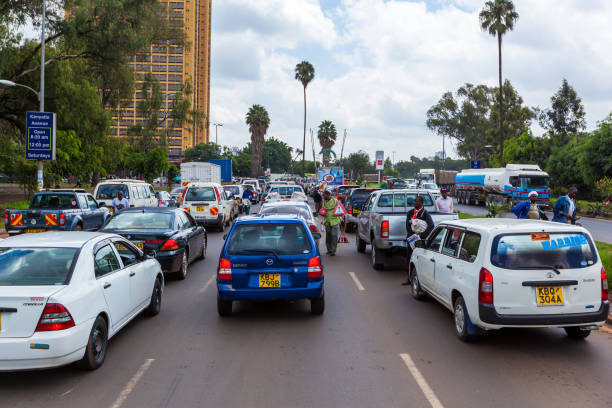
Nairobi Traffic Survival: Best Times to Drive to the Airport and Parks
Nairobi traffic survival begins with understanding when the city’s roads become congested and how to plan journeys to airports, national parks and popular tourist attractions. Kenya’s capital is an important gateway for East African safaris, but heavy traffic can turn a short transfer into a stressful journey.
Whether you are travelling to Jomo Kenyatta International Airport, catching a safari flight from Wilson Airport or visiting Nairobi National Park, choosing the right departure time makes a significant difference.
Morning and evening rush hours, school traffic, rainfall and road incidents can affect journey times. Fortunately, travellers can reduce delays by leaving early, choosing suitable routes and allowing extra time for important connections.
Understanding Nairobi’s Traffic Patterns
Nairobi has a busy road network serving residential neighbourhoods, business districts, airports and surrounding counties.
Traffic becomes particularly heavy when commuters travel between homes, schools and workplaces.
The most challenging periods are generally weekday mornings and evenings.
Nairobi Traffic at Different Times
| Time | Typical traffic conditions |
|---|---|
| 5:00–6:30 am | Usually light |
| 6:30–9:30 am | Morning congestion |
| 9:30 am–3:30 pm | Generally more manageable |
| 3:30–5:00 pm | Traffic starts building |
| 5:00–8:00 pm | Evening congestion |
| After 8:30 pm | Often lighter |
These are planning estimates rather than guaranteed conditions. Accidents, rain and roadworks can create delays at any hour.
Why Nairobi Traffic Gets Heavy
Several factors contribute to congestion.
Rapid urban development has increased the number of vehicles using major roads.
School transport adds pressure during morning and afternoon periods.
Commercial trucks and public transport vehicles also compete for road space.
Roads That Often Experience Delays
Mombasa Road carries traffic between Nairobi and Jomo Kenyatta International Airport.
Uhuru Highway connects important sections of the city.
Waiyaki Way serves western Nairobi, including Westlands.
Lang’ata Road connects the city centre with Wilson Airport and Nairobi National Park.
Understanding these corridors helps travellers plan more realistic journeys.
Getting to Jomo Kenyatta International Airport
Jomo Kenyatta International Airport, commonly called JKIA, is Nairobi’s main international airport.
It lies approximately 15 kilometres southeast of the central business district.
Travel times depend heavily on your starting location and the route selected.
Best Times to Travel to JKIA
Early morning, before commuter traffic builds, is often convenient.
Mid-morning and early afternoon can also provide more predictable road conditions.
Travellers departing during evening rush hour should leave substantially earlier.
Estimated Transfer Times
| Starting area | Approximate journey |
|---|---|
| Nairobi CBD | 25–75 minutes |
| Westlands | 30–90 minutes |
| Karen | 35–90 minutes |
| Kilimani | 30–75 minutes |
| Airport-area hotels | 10–30 minutes |
These broad estimates are not live traffic predictions. Severe congestion can make journeys longer.
How Early Should You Reach JKIA?
Arriving at the airport is only one part of the departure process.
Travellers must also complete check-in, baggage procedures, security screening and, for international flights, immigration.
Recommended Airport Arrival Times
| Flight type | Recommended airport arrival |
|---|---|
| International flight | 3 hours before departure |
| Domestic flight | 2 hours before departure |
| Large group departure | Allow additional time |
| Travelling with children | Allow additional time |
Always follow your airline’s specific reporting and check-in deadlines.
Calculate road travel separately from these airport processing periods.
Using the Nairobi Expressway
The Nairobi Expressway provides an alternative to parts of the busy Mombasa Road and Uhuru Highway corridor.
It connects western sections of Nairobi with the eastern side of the city, making it useful for some airport transfers.
Is the Expressway Faster?
During busy periods, the expressway can significantly reduce time spent in congestion.
However, delays can still occur at entrances, exits and connecting roads.
It also requires toll payments.
Before travelling, confirm whether your taxi fare includes expressway charges.
The fastest option depends on your location and current traffic.
Travelling to Wilson Airport
Wilson Airport is a smaller airport used by several domestic and safari aviation operators.
Many travellers depart from Wilson for destinations such as the Maasai Mara, Amboseli and other safari regions.
It is located near Lang’ata Road, south of Nairobi’s central business district.
When Should You Leave?
For early morning safari flights, arrange transport before rush-hour traffic develops.
If travelling from Westlands, Karen or another distant neighbourhood, allow more time.
Wilson Airport and JKIA are separate airports, so travellers connecting between them must arrange a road transfer.
Never assume that arriving at one airport means your next flight departs from the same location.
Transferring Between JKIA and Wilson Airport
Airport-to-airport connections require particularly careful planning.
International arrivals may involve immigration, luggage collection and customs before travellers can leave JKIA.
They must then travel across Nairobi and complete another check-in process.
Planning a Safe Connection
Allow approximately four to five hours or more between an international arrival at JKIA and a separate safari flight from Wilson.
This is a planning buffer, not a guaranteed connection time.
Travellers with separate tickets should consider longer connections or an overnight stay.
Best Time to Visit Nairobi National Park
Nairobi National Park is located just south of the city.
Its main entrance lies along Lang’ata Road.
The park opens at 6:00 am and closes at 6:00 pm for ordinary day visitors.
Why Early Morning Works Best
Arriving around opening time helps visitors avoid some commuter traffic.
Wildlife may also be more active during cooler morning temperatures.
Lions, rhinos, giraffes and antelopes can be encountered during game drives.
Starting early also provides time for photography before the strongest afternoon sunshine.
Driving From Nairobi Hotels to the Park
Visitors staying in different neighbourhoods experience different journey conditions.
Practical Departure Guide
| Hotel location | Suggested departure |
|---|---|
| Nairobi CBD | Around 5:15–5:30 am |
| Westlands | Around 5:00–5:15 am |
| Karen | Around 5:15–5:30 am |
| Lang’ata | Around 5:30–5:45 am |
| Airport-area hotel | Check the most suitable entrance |
These times are approximate suggestions for reaching the park near opening. Confirm the journey with your driver beforehand.
Visiting the Giraffe Centre
The Giraffe Centre is located in Lang’ata, near Karen.
It opens at 9:00 am.
Visitors can feed Rothschild’s giraffes from an elevated viewing platform under staff supervision.
Avoiding Traffic
An early departure from central Nairobi may help travellers arrive around opening time.
Visitors combining the centre with other attractions should account for transfers between locations.
The centre can become busy during weekends and school holidays.
Allow approximately one to two hours for the experience.
Getting to Karen Blixen Museum
Karen Blixen Museum is situated in the Karen suburb.
It is a popular cultural attraction associated with the author of Out of Africa.
The museum generally opens at 8:30 am.
Recommended Travel Time
Travellers departing from central Nairobi may prefer mid-morning travel after the busiest commuter period.
However, anyone planning an early guided tour should leave before traffic builds.
Karen Blixen Museum and the Giraffe Centre can be combined in one half-day itinerary.
Planning the Sheldrick Wildlife Trust Visit
The Sheldrick Wildlife Trust Nairobi Nursery offers a public elephant viewing experience at a scheduled time.
Ordinary public visits take place between 11:00 am and noon, subject to advance booking.
Late arrival can mean missing part of the experience.
Important Planning Advice
Arrange transport before the visit.
Confirm the correct entrance and access instructions.
Avoid scheduling distant morning activities immediately beforehand.
Allow a generous traffic buffer.
The nursery’s visiting arrangements are separate from ordinary Nairobi National Park game drives.
Driving to Parks Outside Nairobi
Many safari travellers depart Nairobi for destinations farther away.
These journeys commonly use highways leading towards Nakuru, Naivasha, Amboseli and central Kenya.
Leaving early often reduces time spent crossing the city.
Safari Departure Planning
| Destination | General recommendation |
|---|---|
| Lake Naivasha | Leave before morning congestion |
| Hell’s Gate | Early morning departure |
| Mount Longonot | Arrive early for hiking |
| Amboseli | Begin the road journey early |
| Lake Nakuru | Avoid peak city departure times |
| Maasai Mara | Allow a full travel day |
Long-distance journeys also depend on road conditions beyond Nairobi.
Rain and Nairobi Traffic
Heavy rainfall can significantly affect travel times.
Poor visibility, standing water and vehicle breakdowns may slow traffic.
Some smaller roads become difficult to navigate after prolonged rain.
Travelling During Wet Weather
Increase your departure buffer.
Avoid flooded roads.
Use reliable transport operators.
Check current road conditions before leaving.
Never pressure a driver to travel at unsafe speeds because of a delayed schedule.
Choosing Reliable Transport
Nairobi offers private taxis, ride-hailing services, hotel transfers and organised safari vehicles.
The best choice depends on luggage, group size and travel purpose.
Comparing Transport Options
| Transport | Best suited for |
|---|---|
| Hotel transfer | Airport journeys |
| Ride-hailing taxi | City attractions |
| Private driver | Multiple sightseeing stops |
| Safari vehicle | National park excursions |
| Shuttle service | Group transfers |
For airport departures, advance arrangements reduce uncertainty.
Confirm the vehicle, pickup point, luggage capacity and total fare.
Useful Traffic Planning Tips
Simple preparation can prevent unnecessary stress.
Check live traffic information before departure.
Keep the driver’s contact details available.
Share your flight number when arranging an airport pickup.
Carry drinking water and essential medication.
What to Avoid
Do not plan important transfers using the shortest possible journey estimate.
Avoid scheduling several distant attractions within a narrow time window.
Never assume weekend roads will always be empty.
Allow additional time during major public events and holidays.
Suggested Nairobi Sightseeing Schedule
Travellers with one full day can combine wildlife and cultural attractions.
A Practical Day Plan
6:00 am: Enter Nairobi National Park for an early game drive.
9:30 am: Finish the game drive and continue towards Karen or Lang’ata.
11:00 am: Enjoy the pre-booked Sheldrick Wildlife Trust nursery visit, if travelling time and admission arrangements permit.
Afternoon: Visit the Giraffe Centre or Karen Blixen Museum.
This programme requires careful advance planning and may be tiring for some visitors.
Why Traffic Planning Matters
Nairobi offers remarkable attractions, but poor transport planning can reduce the time available to enjoy them.
A traveller who departs late may miss a safari flight or arrive after a scheduled wildlife activity begins.
Early departures, realistic travel buffers and knowledgeable local drivers make journeys easier.
Surviving Nairobi traffic is largely about planning rather than speed.
The best strategy is to avoid weekday rush hours whenever possible, leave sufficient time for airport procedures and begin wildlife excursions early.
Travellers should remember that conditions can change unexpectedly.
With sensible departure times and flexible arrangements, Nairobi can become an enjoyable starting point for exploring Kenya’s wildlife, national parks and cultural attractions.






No comment