
Meru National Park: Quiet Game Drives and the Story of Elsa the Lioness
Meru National Park in Kenya is one of East Africa’s most rewarding wilderness destinations, offering peaceful game drives, beautiful river landscapes, diverse wildlife and a remarkable conservation history. Located in eastern Kenya, the park is famous for Elsa the lioness, whose extraordinary relationship with conservationists George and Joy Adamson inspired the internationally celebrated book and film Born Free.
Unlike the Maasai Mara and Amboseli, Meru receives relatively few safari visitors. Its open grasslands, riverine forests, palm trees and scattered hills create excellent opportunities for wildlife photography and unhurried exploration.
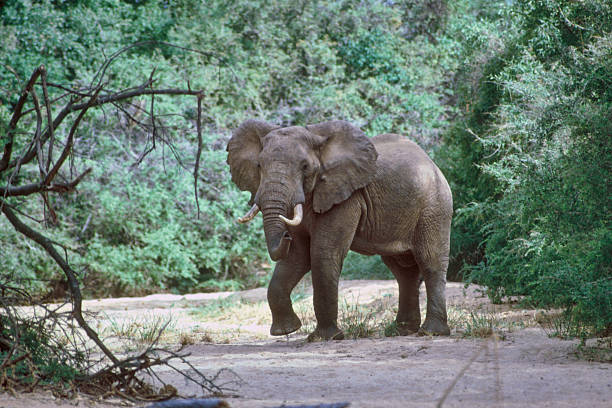
Visitors can encounter elephants, lions, giraffes, buffaloes and endangered rhinoceroses while discovering the story of a lioness that changed how people understood wildlife conservation.
Where Is Meru National Park Located?
Meru National Park lies in eastern Kenya, northeast of Mount Kenya, within Meru County.
The park covers approximately 870 square kilometres and borders the wider Bisanadi and Kora conservation landscapes.
It is accessible from Nairobi through Meru town and Maua.
Quick Facts About Meru National Park
| Feature | Description |
|---|---|
| Country | Kenya |
| County | Meru |
| Park size | 870 km² |
| Established | 1966 |
| Main attraction | Wildlife and Elsa’s conservation history |
| Famous lioness | Elsa |
| Major wildlife | Elephants, lions, rhinos and giraffes |
| Main activities | Game drives, birdwatching and nature experiences |
| Main entrance | Murera Gate |
| Recommended stay | Two to three nights |
Why Is Meru National Park Special?
Meru offers a safari atmosphere that feels remote and peaceful.
Its landscape contains open plains, wooded grasslands and rivers lined with beautiful vegetation.
The park has several permanent rivers, creating important habitats for wildlife throughout the year.
Visitors may spend long periods exploring without encountering many other tourist vehicles.
This makes Meru particularly attractive for photographers, couples and travellers who prefer quieter wildlife experiences.
The Story of Elsa the Lioness
Elsa was an orphaned lioness raised by conservationists George and Joy Adamson.
In 1956, George Adamson encountered three young lion cubs after their mother was killed.
The cubs were named Elsa, Big One and Lustica.
George and Joy cared for them during their early development.
Why Elsa Became Famous
The Adamsons eventually sent two of the lionesses to a zoo, but they decided to prepare Elsa for life in the wild.
They gradually introduced her to hunting and independent survival.
Elsa successfully returned to the wild and later produced cubs.
Her story demonstrated that a hand-raised lion could potentially develop the skills required for independent life.
Joy Adamson and the Book Born Free
Joy Adamson documented Elsa’s remarkable journey in her book Born Free, published in 1960.
The book became internationally successful and introduced readers to the emotional lives of wild animals.
A film adaptation followed in 1966.
How Born Free Changed Conservation
Elsa’s story encouraged greater public interest in wildlife protection.
It challenged attitudes that regarded wild animals mainly as dangerous creatures or hunting trophies.
The account also raised questions about captivity, rehabilitation and the responsibilities of humans towards wildlife.
Today, Elsa remains an important symbol of Kenya’s conservation heritage.
Visiting Elsa’s Grave
Elsa died in January 1961 after becoming ill.
She was buried in Meru National Park, where her grave remains a recognised historical attraction.
Visitors can arrange to see the memorial during a suitable game drive.
Why the Memorial Matters
The grave connects visitors with one of Africa’s most influential wildlife stories.
It also honours the work of George and Joy Adamson.
A knowledgeable guide can explain Elsa’s life and the importance of early wildlife rehabilitation.
Visitors should approach the memorial respectfully.
Elsa’s Kopje and the Adamsons’ Camp
Elsa’s Kopje is a safari lodge situated on Mughwango Hill within Meru National Park.
The property overlooks the landscape associated with the Adamsons’ original camp.
Its elevated setting offers beautiful views across the surrounding wilderness.
The lodge takes its name from Elsa and preserves the connection between tourism and conservation history.
Quiet Game Drives in Meru
Game drives are the main attraction in Meru National Park.
Visitors explore designated roads through grasslands, woodland and river habitats.
What Makes Meru Different?
Wildlife viewing takes place without the large vehicle gatherings sometimes experienced in more heavily visited parks.
Guides can spend time observing animal behaviour.
The varied scenery also creates excellent photographic opportunities.
However, animals may be widely dispersed, so patience is important.
Wildlife Found in Meru National Park
Meru supports an impressive variety of African wildlife.
Animals to Look For
| Animal | Viewing experience |
|---|---|
| African elephant | Family herds |
| Lion | Grassland predators |
| Leopard | Secretive woodland predator |
| Cheetah | Open-country predator |
| African buffalo | Herds near grassland and water |
| Black rhinoceros | Protected sanctuary population |
| White rhinoceros | Rhino conservation area |
| Reticulated giraffe | Distinctively patterned giraffe |
| Grevy’s zebra | Rare northern Kenya zebra |
| Beisa oryx | Dry-country antelope |
Wildlife sightings depend on habitat, season and animal movements.
Rhino Conservation in Meru
Meru contains a protected rhinoceros sanctuary.
The sanctuary supports black and white rhinos under specialised management.
Rhinoceros conservation remains important because poaching and habitat loss threaten populations across Africa.
Visiting the Rhino Sanctuary
Visitors can arrange appropriate viewing experiences through authorised safari guides.
Access conditions and wildlife sightings vary.
The sanctuary demonstrates the importance of monitoring, anti-poaching protection and long-term habitat management.
Rivers and Wildlife Habitats
Meru contains numerous rivers, including the Rojewero, Ura and Tana systems.
These waterways support riverine forests and provide important resources for wildlife.
Why Rivers Matter
Animals visit water sources to drink.
River vegetation provides shade and feeding opportunities.
Hippos and crocodiles occupy suitable aquatic habitats.
Birds also gather around waterways.
Game drives near rivers can therefore be particularly rewarding.
Birdwatching in Meru
Meru is an excellent destination for birdwatching.
More than 400 bird species have been recorded in the park.
Its varied habitats support woodland birds, waterbirds and birds of prey.
Birds Worth Looking For
Visitors may encounter kingfishers, bee-eaters, hornbills, rollers and starlings.
Pel’s Fishing Owl and African Finfoot are among the more specialised species associated with suitable river habitats.
Bird sightings vary according to season and location.
Binoculars are useful during early morning excursions.
Best Time to Visit Meru National Park
Meru can be visited throughout the year.
However, relatively dry periods generally provide convenient conditions for wildlife viewing.
January to March and June to October are often favourable.
Seasonal Safari Guide
| Period | General conditions |
|---|---|
| January–March | Often warm and relatively dry |
| April–June | Increased rainfall |
| July–October | Generally favourable game drives |
| November–December | Variable rainfall |
Rain can make some internal roads difficult.
How to Reach Meru National Park
Meru is approximately 348 kilometres from Nairobi by road.
Travellers can approach through Nyeri, Nanyuki and Meru or through Embu.
Murera Gate is approximately 35 kilometres from Maua.
Private safari vehicles are convenient because public transport does not provide complete access to wildlife-viewing routes.
Flying to Meru
The park has airstrips, including Kinna, Mulika and Mughwongo.
Charter and selected flight arrangements may be available.
Visitors should confirm operating services before travelling.
Meru National Park Entrance Fees
Kenya Wildlife Service applies separate charges according to visitor category.
Published Entry Fees
| Visitor category | Adult fee |
|---|---|
| East African citizen | KES 800 |
| Kenya resident | KES 1,100 |
| African citizen outside East Africa | USD 40 |
| International non-resident | USD 70 |
Children qualify for reduced fees.
Vehicle, camping and specialised activity charges may apply separately.
Confirm current tariffs before departure.
Accommodation in Meru
The park offers several accommodation options, including safari lodges, guesthouses and campsites.
Elsa’s Kopje is among its best-known luxury properties.
Other accommodation includes Rhino River Porini Camp and Kenya Wildlife Service guesthouses.
Accommodation Choices
| Type | Suitable travellers |
|---|---|
| Luxury safari lodges | Couples and families |
| Tented safari camps | Wildlife enthusiasts |
| KWS guesthouses | Independent travellers |
| Public campsites | Adventurous visitors |
Booking accommodation inside or near the park reduces unnecessary travelling time.
Suggested Two-Day Meru Safari
Day One: Arrival and Elsa’s History
Travel towards Meru National Park and complete entry arrangements.
Enjoy an afternoon game drive through the grasslands.
Visit Elsa’s grave when access and the planned route permit.
Return to your lodge for dinner.
Day Two: Wildlife and Rhino Conservation
Begin with an early morning game drive.
Search for elephants, giraffes, buffaloes and predators.
Explore appropriate areas around the rhino sanctuary.
Enjoy birdwatching near suitable river habitats before departing.
Photography in Meru
Meru’s open landscapes provide beautiful settings for wildlife photography.
Morning and evening light can enhance the colours of grassland and riverine vegetation.
A telephoto lens helps photograph wildlife without approaching too closely.
Avoid blocking animals or leaving designated roads.
Responsible Tourism in Meru
Meru is an important protected wildlife ecosystem.
Visitors should respect park regulations and maintain appropriate distances from animals.
Do not feed wildlife.
Avoid littering or disturbing nesting birds.
Support responsible safari operators and local communities.
Conservation depends on protecting habitats as well as individual animals.
Why Meru National Park Is Worth Visiting
Meru National Park offers a remarkable combination of quiet wilderness, diverse wildlife and important conservation history.
Its peaceful game drives provide opportunities to observe elephants, lions, rhinos, giraffes and numerous birds without the crowds associated with some famous safari destinations.
The story of Elsa the lioness gives Meru an especially meaningful identity.
For travellers interested in conservation, photography and authentic wilderness experiences, Meru provides one of Kenya’s most rewarding safari adventures.



No comment