
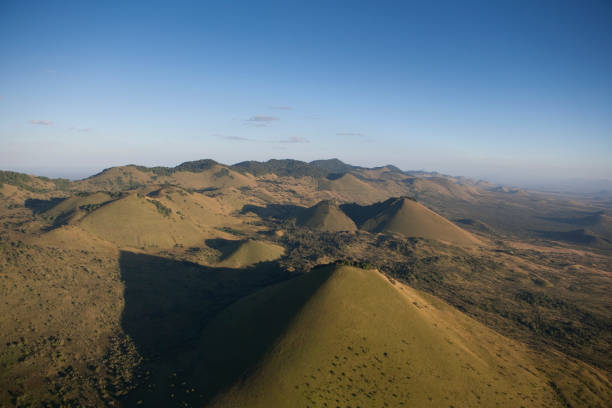
Chyulu Hills National Park: Volcanic Cones, Lava Tubes and Elephants
Chyulu Hills National Park in Kenya is one of East Africa’s most beautiful volcanic landscapes, offering visitors rolling green hills, ancient lava formations, underground caves and opportunities to encounter elephants and other African wildlife. Located between the Amboseli and Tsavo ecosystems, the park combines spectacular scenery with adventurous hiking and important wildlife conservation.
Often described as the Green Hills of Africa, Chyulu is particularly attractive to travellers seeking quieter safari experiences. Its grassy slopes, forested ridges and volcanic cones create dramatic views, with Mount Kilimanjaro appearing on the horizon during clear weather.
Unlike Kenya’s busy wildlife reserves, Chyulu Hills attracts fewer visitors and is especially rewarding for hiking, birdwatching, landscape photography and geological exploration.
Where Is Chyulu Hills National Park Located?
Chyulu Hills National Park lies in southeastern Kenya, within Makueni County, between Amboseli and Tsavo West National Parks.
The protected landscape covers approximately 471 square kilometres and forms part of the wider Chyulu Hills ecosystem.
Visitors commonly approach the park through Kibwezi, travelling along the Nairobi–Mombasa highway.
Quick Facts About Chyulu Hills
| Feature | Description |
|---|---|
| Country | Kenya |
| County | Makueni |
| Park size | Approximately 471 km² |
| Main gateway | Kithasyo Gate |
| Main attractions | Volcanic cones and lava caves |
| Famous cave | Leviathan Cave |
| Wildlife | Elephants, buffaloes and antelopes |
| Popular activities | Hiking, camping and birdwatching |
| Opening hours | 6:00 am–6:00 pm |
| Recommended visit | One to three days |
Why Are Chyulu Hills Special?
Chyulu Hills are among Kenya’s youngest volcanic mountain ranges.
Their landscape consists of numerous volcanic cones, lava fields and forest-covered slopes.
Unlike mountains formed mainly through folding and erosion, Chyulu’s distinctive shapes developed through repeated volcanic eruptions.
The hills also play an important environmental role by collecting rainfall and supplying underground water to neighbouring ecosystems.
How Were Chyulu Hills Formed?
Chyulu Hills developed through volcanic activity along the East African Rift system.
Repeated eruptions produced lava flows and volcanic cones across the landscape.
Over time, vegetation colonised older volcanic surfaces, creating the green hills visible today.
Understanding Volcanic Cones
Many cones formed when eruptions released volcanic fragments around individual vents.
These materials accumulated into raised hills.
Other eruptions produced flowing lava that spread across the surrounding ground.
The resulting landscape contains rounded cones, rocky slopes and hardened lava formations.
Exploring the Volcanic Landscape
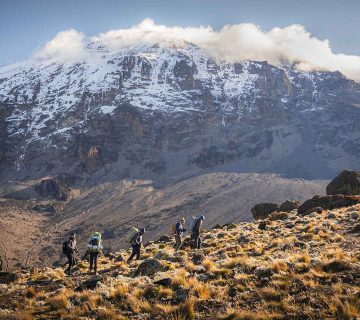
Walking through Chyulu Hills reveals the contrast between green vegetation and black volcanic rock.
Some areas contain open grassland, while others support dense woodland.
What Makes the Scenery Attractive?
Visitors can enjoy expansive views across the surrounding plains.
The volcanic ridges provide excellent locations for landscape photography.
During clear weather, Mount Kilimanjaro may be visible in the distance.
Local guides help identify interesting geological features and suitable viewpoints.
The Famous Leviathan Cave
Leviathan Cave, also known as Kisula Cave, is among Chyulu Hills’ most remarkable attractions.
The cave system extends approximately 11.5 kilometres and is recognised as one of the world’s longest lava tubes.
It developed when flowing lava formed underground passages.
How Do Lava Tubes Form?
During an eruption, the outer surface of a lava flow may cool and harden.
Molten lava continues moving beneath this solid surface.
When the flowing lava drains away, it can leave a hollow underground tunnel.
These passages may remain preserved long after volcanic activity ends.
What Happens During Cave Exploration?
Cave exploration introduces visitors to dark volcanic passages, uneven rock surfaces and unusual underground formations.
However, Leviathan Cave is not an ordinary tourist walking tunnel.
Its length and difficult terrain require careful planning.
Important Cave Safety
Visitors should arrange authorised access and experienced local guiding.
Never enter unfamiliar passages independently.
Suitable helmets, reliable lighting and protective clothing are essential.
Some sections may contain loose rocks or difficult footing.
Travellers should confirm which areas are officially accessible before booking.
Hiking Across Chyulu Hills
Hiking is among the park’s main attractions.
The rolling hills offer opportunities for scenic walks and more demanding excursions.
Routes pass through grassland, woodland and volcanic landscapes.
Hiking Difficulty
Short guided walks may suit reasonably active visitors.
Longer expeditions require good fitness because of changing elevation and uneven ground.
Weather can also affect conditions.
A local guide is recommended, particularly when exploring unfamiliar trails.
Elephants in the Chyulu Ecosystem
Elephants are among the most impressive animals associated with Chyulu Hills.
The broader landscape connects important habitats around Amboseli and Tsavo.
These connections allow wildlife to move between suitable feeding and watering areas.
Why Wildlife Corridors Matter
Elephants require extensive habitats.
They move according to vegetation, rainfall and water availability.
Protecting movement corridors helps reduce habitat fragmentation.
It also supports healthier wildlife populations across neighbouring conservation areas.
Visitors may encounter elephants during suitable game drives, although sightings are not guaranteed.
Other Wildlife in Chyulu Hills
The ecosystem supports several large mammals and smaller wildlife species.
Animals Visitors May Encounter
| Animal | Habitat |
|---|---|
| African elephant | Woodland and open plains |
| African buffalo | Grassland and forest edges |
| Giraffe | Open woodland |
| Plains zebra | Savannah grassland |
| Eland | Open grazing areas |
| Bushbuck | Dense vegetation |
| Leopard | Woodland and rocky habitats |
| Reedbuck | Suitable grassland areas |
Large predators are generally more difficult to encounter.
Wildlife density varies across the landscape.
Birdwatching in Chyulu Hills
Chyulu offers interesting birdwatching opportunities because of its varied habitats.
Montane forests support species different from those found in lower savannah areas.
Birds to Look For
Hartlaub’s Turaco may be encountered in suitable forest habitats.
Trumpeter Hornbills occupy wooded areas.
Sunbirds visit flowering vegetation.
Other birds include barbets, starlings and woodland species.
Early morning walks are particularly rewarding for birdwatchers.
Chyulu Hills and Mzima Springs
One of Chyulu’s most important ecological features is its underground water system.
Rainwater enters porous volcanic rocks and moves through underground channels.
Some of this water eventually emerges at Mzima Springs in Tsavo West National Park.
Why the Springs Matter
Mzima Springs provides freshwater for wildlife and surrounding communities.
The water also contributes to regional supply systems serving Kenya’s coastal areas.
This underground connection demonstrates the environmental importance of protecting Chyulu’s forests and volcanic landscape.
Shetani Lava Flow Near Chyulu
The Shetani Lava Flow is a striking volcanic attraction in nearby Tsavo West National Park.
Its black lava formations contrast with the surrounding vegetation.
The landscape provides an opportunity to observe hardened volcanic material.
Can You Visit Shetani From Chyulu?
Travellers can combine both areas within a longer safari.
However, Shetani lies within Tsavo West and requires the appropriate park access arrangements.
Visitors should not confuse the two protected areas.
Best Time to Visit Chyulu Hills
Chyulu Hills can be visited throughout the year.
Relatively dry months are generally convenient for hiking and road travel.
January to March and June to October often provide favourable conditions.
Seasonal Visiting Guide
| Period | General conditions |
|---|---|
| January–March | Often warm and relatively dry |
| April–May | Increased rainfall |
| June–October | Generally convenient for hiking |
| November–December | Green scenery with possible rain |
Rain can make some trails slippery.
Mountain views depend on cloud cover.
How to Reach Chyulu Hills
The park is accessible from Nairobi through the Nairobi–Mombasa highway.
Visitors travelling by road turn off near Kibwezi and continue towards Kithasyo Gate.
The park headquarters are approximately nine kilometres from the main highway turn-off.
Transport Advice
A private safari vehicle is convenient.
Some internal roads may require a suitable four-wheel-drive vehicle.
Travellers can also reach Kibwezi using the Standard Gauge Railway before arranging onward road transport.
Chyulu Hills Entrance Fees
Kenya Wildlife Service publishes separate conservation fees according to visitor category.
Published Park Entry Fees
| Visitor category | Adult fee |
|---|---|
| East African citizen | KES 500 |
| Kenya resident | KES 675 |
| African citizen outside East Africa | USD 20 |
| International non-resident | USD 40 |
Children qualify for reduced rates.
Guiding, camping and vehicle charges may apply separately.
Confirm current fees before travelling.
Accommodation Around Chyulu Hills
Visitors can choose camping facilities or accommodation in the wider conservation landscape.
The park lists public campsites including Kithasyo, Kisula and Satellite.
Some travellers stay at established safari lodges in neighbouring protected areas.
Accommodation Options
| Accommodation | Suitable visitors |
|---|---|
| Public campsites | Adventurous travellers |
| Luxury safari camps | Couples and families |
| Nearby lodges | Wildlife safari guests |
| Kibwezi accommodation | Budget-conscious visitors |
Confirm location and park access before making reservations.
Suggested Two-Day Chyulu Hills Safari
Day One: Arrival and Volcanic Landscapes
Travel towards Chyulu Hills and complete park entry arrangements.
Meet your guide for an introduction to the landscape.
Enjoy a scenic walk through suitable grassland and volcanic viewpoints.
Spend the afternoon photographing the hills.
Return to your accommodation or campsite.
Day Two: Hiking and Wildlife
Begin with an early morning guided hike.
Observe birds, vegetation and volcanic formations.
Explore an authorised cave experience if appropriate arrangements have been made.
Continue towards Tsavo West or return to Nairobi.
Combining Chyulu With Amboseli and Tsavo
Chyulu Hills fits naturally into a longer southeastern Kenya safari.
Amboseli is famous for elephants and views of Mount Kilimanjaro.
Tsavo West offers volcanic landscapes, Mzima Springs and diverse wildlife.
Combining these destinations provides contrasting scenery and rewarding conservation experiences.
Responsible Tourism in Chyulu Hills
Chyulu’s volcanic formations and wildlife habitats require careful protection.
Remain on approved routes.
Avoid disturbing animals or entering caves without authorisation.
Do not remove volcanic rocks or plants.
Carry away all rubbish.
Support local guides and conservation businesses.
Why Chyulu Hills Is Worth Visiting
Chyulu Hills National Park offers one of Kenya’s most distinctive combinations of geological scenery and wildlife conservation.
Its rolling volcanic cones, underground lava tubes and green highland landscapes create rewarding opportunities for outdoor adventure.
The surrounding ecosystem also supports elephants and other animals moving between important protected areas.
For travellers seeking quieter destinations beyond Kenya’s famous safari circuits, Chyulu Hills provides beautiful scenery, fascinating geological history and memorable nature experiences.



No comment