
What Vaccines Do You Need for an East African Safari?
Planning an East African safari involves more than choosing national parks, booking accommodation and deciding when to travel. Your health preparations matter just as much, especially if you are visiting remote wildlife destinations where medical facilities may be several hours away. Before travelling to Uganda, Kenya, Tanzania or Rwanda, it is worth checking your vaccination history and finding out which vaccines are recommended for your itinerary.
Some vaccines protect against diseases that travellers may encounter through contaminated food and water. Others protect against infections spread by mosquitoes, animals or close contact with infected people. Certain vaccinations may also be required for entry into a country, depending on where you are travelling from and whether you have passed through a country with a risk of particular diseases.
There is no single vaccination list that applies to every safari traveller. Someone spending a week at established lodges may have different needs from a visitor planning several weeks of gorilla trekking, rural travel and camping. Your age, medical history, previous vaccinations and planned activities also influence the advice you receive.
Preparing early gives you time to complete any required vaccine doses and obtain the necessary documentation before departure. It also allows a travel health professional to discuss malaria prevention, food safety and other precautions that vaccines alone cannot provide.
Yellow Fever: One of the Most Important Vaccines to Check
Yellow fever deserves particular attention when planning travel in East Africa. It is a viral disease transmitted by infected mosquitoes and can cause serious illness. Vaccination is recommended for travellers visiting certain areas where yellow fever transmission occurs, and some countries require proof of vaccination as a condition of entry.
Uganda is a yellow fever risk country, and yellow fever vaccination is generally recommended for eligible travellers visiting areas at risk. Uganda also requires qualifying arriving travellers to present a valid yellow fever vaccination certificate under its entry rules. Check the current requirements for your nationality, route and age before departure.
Kenya has areas where yellow fever vaccination may be recommended, depending on the destination and activities. Tanzania and Rwanda generally have lower potential for yellow fever exposure, but entry requirements can still apply to travellers arriving from countries with yellow fever transmission risk. A safari combining several countries therefore needs more careful checking than a visit to one destination.
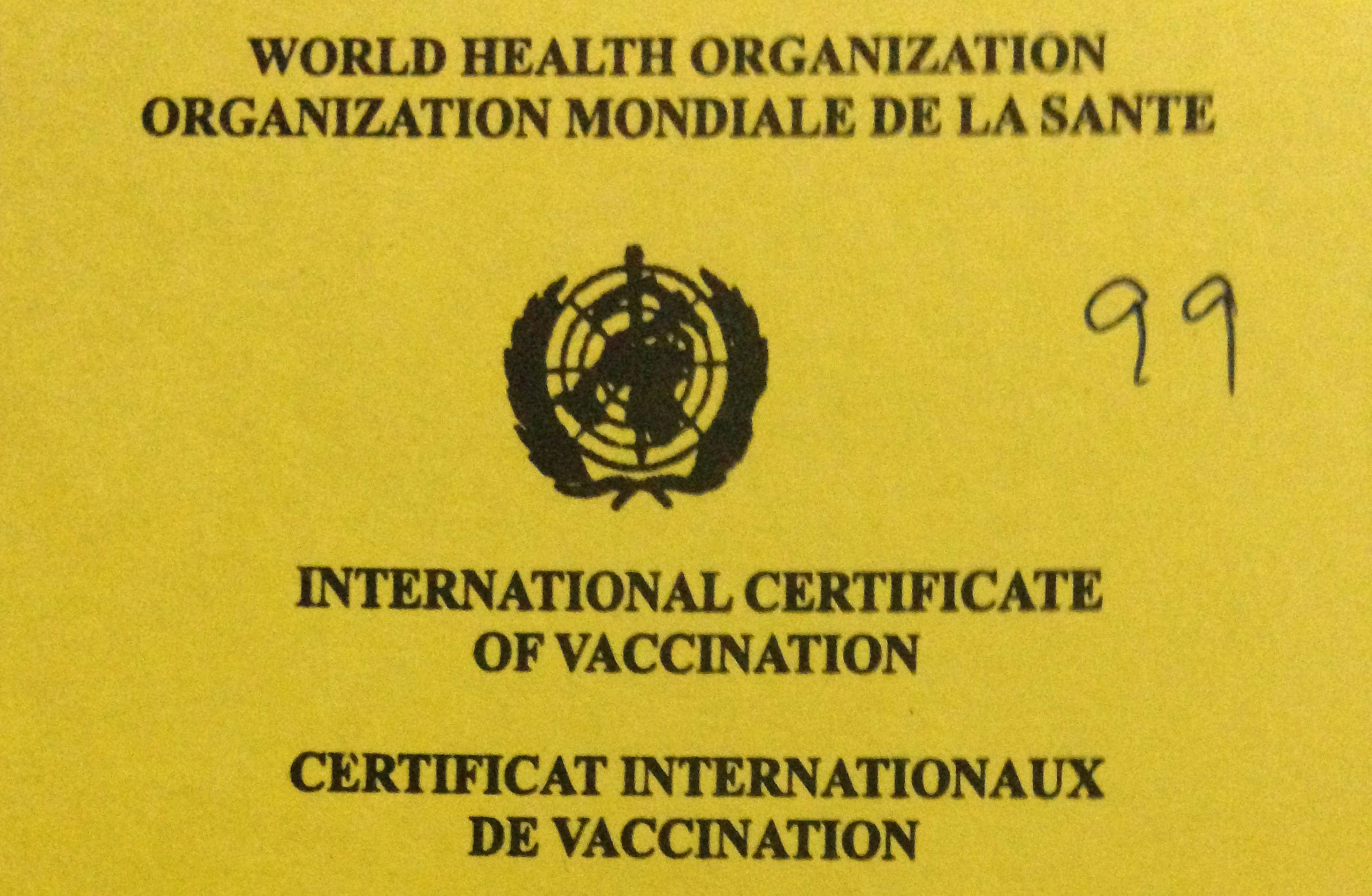
The official document used to record yellow fever vaccination is the International Certificate of Vaccination or Prophylaxis, commonly known as the yellow card. Following a first yellow fever vaccination, the certificate generally becomes valid ten days after vaccination. Under international health regulations, a properly issued certificate is valid for life.
Do not assume that every traveller needs the vaccine simply because they are visiting Africa. Yellow fever vaccination has specific medical precautions and contraindications. Infants below the recommended minimum age, some people with weakened immune systems and certain other travellers may need individual assessment before vaccination. If you cannot receive the vaccine for medical reasons, a travel health professional can explain the available documentation and entry implications.
Check yellow fever requirements well before booking connecting flights or crossing land borders. Airline routes, transit stops and changes to your itinerary can affect the documentation you need.
Routine Vaccines: Check Your Existing Protection First
Before considering additional travel vaccines, make sure your routine immunisations are up to date. These vaccines protect against diseases that can circulate internationally, not just in East Africa.
Measles, mumps and rubella vaccination is particularly important because measles outbreaks can occur in many parts of the world. Travellers who are not immune may be exposed in airports, hotels, crowded public areas and other places where people from different countries meet. Your healthcare provider can check whether you have completed the recommended measles-mumps-rubella vaccination schedule.
Tetanus, diphtheria and pertussis vaccination should also be reviewed. Tetanus can follow contaminated wounds, which is relevant when travelling through remote areas, walking on uneven trails or participating in outdoor activities. A traveller who falls during a trek or suffers a deep cut may need prompt medical assessment, especially if vaccination protection is incomplete.
Polio vaccination is another important consideration. International travellers should follow current recommendations and ensure their routine polio immunisation is up to date. Additional requirements or recommendations may apply during periods of international polio transmission.
Depending on your age, medical history and vaccination record, your clinician may also recommend protection against chickenpox, influenza, COVID-19 or other routine vaccine-preventable diseases. Older travellers may have additional routine vaccines to consider.
Do not assume that vaccinations received during childhood still need no review. Some vaccines require boosters, and people may have incomplete records or missed doses. Bring any available vaccination documentation to your pre-travel appointment so that your healthcare professional can identify what you actually need.
Hepatitis A: Protection Against Food and Water Exposure
Hepatitis A is an important vaccine to discuss before travelling to East Africa. The virus affects the liver and can spread when a person consumes contaminated food or water. Exposure can occur in restaurants, markets, rural communities and other settings where food hygiene or sanitation is inadequate.
Symptoms may include tiredness, nausea, abdominal discomfort, loss of appetite, dark urine and yellowing of the skin or eyes. Illness can range from mild to severe, and recovery may take weeks or longer. Adults often experience more noticeable symptoms than young children.
Vaccination is recommended for many travellers visiting destinations where hepatitis A exposure is a concern, including Uganda, Kenya, Tanzania and Rwanda. The exact schedule depends on the vaccine used, the traveller’s age and medical circumstances.
It is best to arrange vaccination before departure because protection takes time to develop. Travellers leaving soon should still seek advice rather than assuming it is too late. Depending on the circumstances, a clinician may recommend vaccination even shortly before travel or discuss additional measures for people at higher risk.
The vaccine does not remove the need for safe food and water habits. Drink water from a reliable source, wash your hands before eating and choose food that has been cooked and handled safely. These precautions also reduce the risk of other intestinal infections that hepatitis A vaccination does not prevent.
Typhoid: Important for Travellers Exploring Beyond Major Hotels
Typhoid fever is caused by Salmonella Typhi, a bacterium that spreads through contaminated food and water. It can cause prolonged fever, headache, weakness, abdominal pain and digestive symptoms. Without appropriate treatment, serious complications can develop.
Travellers visiting Uganda, Kenya, Tanzania and Rwanda may be advised to receive typhoid vaccination, particularly when their plans include rural areas, visits to friends and relatives, longer stays or places where access to reliably safe food and water may be limited.
Two main types of typhoid vaccine are used in many travel health settings: an injectable vaccine and an oral vaccine. They have different schedules, age restrictions and practical considerations. Your clinician can recommend the appropriate option and explain how far in advance it should be taken.
Typhoid vaccination is useful, but it is not completely protective. You can still develop typhoid after vaccination, and the vaccine does not protect against other causes of travellers’ diarrhoea.
Food hygiene therefore remains essential. Avoid drinking untreated water, be cautious with ice when its source is uncertain, wash your hands before meals and choose food that is freshly prepared and thoroughly cooked. If you develop a persistent fever during or after your trip, seek medical attention and tell the clinician where you have travelled.
Hepatitis B: When Should Safari Travellers Consider It?
Hepatitis B is a viral infection that affects the liver and can become chronic. It spreads through infected blood and certain body fluids, including during sexual contact, through contaminated needles and through some medical or dental procedures involving unsafe equipment.
The vaccine is worth discussing with a travel health professional before an East African trip. Recommendations depend on the destination, previous vaccination, age, medical circumstances and the likelihood of potential exposure.
Although a typical wildlife safari does not usually involve activities that directly expose travellers to hepatitis B, unexpected situations can occur. A road accident, an injury requiring medical care, a dental emergency or a procedure involving needles may create a potential exposure risk. Travellers planning extended stays, volunteering, healthcare work or other activities involving close contact with local communities may have additional reasons to consider vaccination.
The standard vaccination course involves more than one dose, although accelerated schedules may be available for certain vaccines and circumstances. Starting early is preferable because it gives you time to complete the recommended schedule and develop protection.
If you have already received hepatitis B vaccination, check your records before repeating doses. Your healthcare professional can determine whether you need any further action based on your history and risk factors.
Rabies: An Important Consideration for Gorilla Trekking and Rural Travel
Rabies is a viral disease transmitted mainly through the bite or scratch of an infected mammal. Once symptoms develop, it is almost always fatal, making prevention and prompt treatment after exposure extremely important.
Dogs are a major source of human rabies in many countries, including parts of East Africa. Other mammals can also be involved. Travellers may encounter animals around towns, villages, accommodation facilities and roads leading to national parks.
Pre-exposure rabies vaccination may be recommended for people whose activities or itinerary increase their likelihood of animal contact, or for those who may have difficulty obtaining prompt medical care after a bite. This can include some travellers planning extended rural stays, cycling trips, fieldwork, caving or frequent outdoor activities in remote areas.
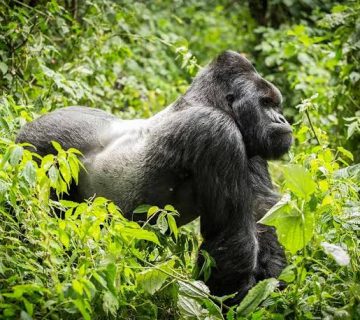
Gorilla trekking does not automatically mean you need a rabies vaccine. However, if your itinerary involves remote locations where access to appropriate post-exposure treatment may be delayed, it is sensible to discuss the vaccine with a travel health professional. Your individual risk matters more than the activity’s name.
Even if you have received rabies vaccination before travelling, you must seek medical care after a possible exposure. Wash a bite, scratch or other potentially contaminated wound immediately and thoroughly with soap and running water for around fifteen minutes, then obtain urgent medical assessment. Further rabies treatment may still be necessary, depending on your vaccination history and the exposure.
Do not touch, feed or approach unfamiliar animals. Avoid handling monkeys, dogs, bats or other mammals, even if they appear tame or are commonly seen around tourist facilities.
Cholera: Is It Necessary for an East African Safari?
Cholera is an intestinal infection caused by bacteria that can spread through contaminated water or food. Severe cases can cause rapid fluid loss and dangerous dehydration. However, the cholera vaccine is not routinely required for every traveller visiting East Africa.
Whether vaccination is appropriate depends on the current disease situation, your planned activities, access to safe water and sanitation, and your individual risk. Travellers visiting areas affected by an outbreak or working in conditions where safe water and sanitation are limited may need a more detailed assessment.
For most ordinary safari itineraries, careful food and water practices are an important part of prevention. Drink safe water, maintain hand hygiene and avoid food that has been left exposed or stored improperly.
If cholera vaccination is being considered, your clinician can explain which vaccine is available, the recommended schedule and whether it is appropriate for your circumstances. Requirements and recommendations can change during outbreaks, so advice should be based on the latest information rather than a general list of safari vaccines.
Meningococcal Disease: Does Your Route Matter?
Meningococcal disease can cause serious infections, including meningitis and bloodstream infection. It spreads through respiratory and throat secretions during close contact, and vaccination recommendations depend on the destination, season, activities and current public health situation.
Parts of Africa lie within the region commonly called the African meningitis belt. Travellers visiting affected areas during periods of increased transmission may be advised to receive meningococcal vaccination, particularly if they will spend time in crowded settings or remain in the region for an extended period.
For a safari focused on Uganda, Kenya, Tanzania or Rwanda, the vaccine is not automatically necessary for every visitor. The recommendation depends on the specific route and current guidance. If your journey includes other countries farther north or west in Africa, ask your travel health clinician to review those stops as well.
Vaccination history matters because meningococcal vaccines protect against particular groups of bacteria, and not every product covers the same strains. A clinician can identify the appropriate vaccine if it is recommended for your itinerary.
Malaria Is Not Prevented by a Routine Travel Vaccine
Malaria is one of the most important health risks to assess before travelling to many parts of East Africa. However, travellers should understand that the usual malaria prevention plan for visitors is not a routine vaccination.
For many travellers, prevention involves prescription antimalarial medication combined with mosquito-bite precautions. Medicines such as doxycycline, atovaquone-proguanil and mefloquine may be appropriate for some people, depending on the destination and medical history.
Malaria risk varies across East Africa. It can be significant in many rural and lowland areas, including wildlife destinations. A traveller visiting several national parks may have a different exposure profile from someone staying mainly in a large city.
Discuss your full itinerary with a travel health professional before departure. Ask when to start your prescribed medicine, how long to continue it after leaving a risk area, and what to do if you miss a dose or develop side effects.
Mosquito protection remains essential. Use a suitable insect repellent, wear clothing that reduces exposed skin, sleep under a properly fitted mosquito net where appropriate and choose accommodation with effective screening when possible.
If you develop a fever during the trip or after returning home, seek urgent medical assessment and mention your travel history. Malaria can become severe, and taking preventive medication does not eliminate the possibility of infection.
When Should You Get Your Safari Vaccinations?
Ideally, arrange a travel health appointment at least four to six weeks before departure. This provides time to review routine vaccinations, receive recommended travel vaccines and complete any doses that require a longer schedule.
Some vaccines need multiple doses over several weeks or months. Others can be administered closer to departure, so a short timeline does not automatically mean that you should skip the appointment. Seek advice as soon as possible if your safari is approaching.
During the consultation, explain every country you plan to visit, including transit stops and any extensions before or after the safari. Mention whether you will be trekking, camping, visiting rural communities, working with animals or staying for a prolonged period.
Bring your vaccination records, a list of current medicines and information about allergies or significant medical conditions. Pregnancy, immune-system conditions, certain medications and previous serious vaccine reactions can affect which vaccines are suitable.
Ask the clinician which vaccines are recommended for your personal health and itinerary, which are required for entry, and which are optional. These categories are not interchangeable. A vaccine may be medically recommended even when no border official asks to see proof of it.
Keep Your Vaccination Certificate and Travel Documents Ready
If yellow fever vaccination applies to your itinerary, keep your International Certificate of Vaccination or Prophylaxis with your passport and other essential travel documents. Carrying it in your hand luggage helps ensure that it remains accessible during check-in, transit and border checks.
Check that your name and other identifying details match your travel documents and that the vaccination record has been completed correctly by the authorised vaccination provider. A certificate issued after a first yellow fever vaccination generally becomes valid ten days later, so leaving the appointment until the day before departure may create problems.
Entry requirements can differ according to the country you are entering, your country of departure and your transit history. A traveller flying directly to one destination may face different requirements from someone arriving after visiting a country where yellow fever transmission occurs.
Before departure, verify the latest requirements with the relevant government or embassy and your airline. Do not rely solely on old travel advice, a previous visit or a certificate check performed for a different itinerary.
Preparing for a Healthier East African Safari
The most useful vaccination plan is one tailored to your route and medical history. Routine vaccines, hepatitis A and typhoid are important topics to discuss for many safari travellers. Yellow fever deserves particular attention because of destination-specific health recommendations and entry requirements. Hepatitis B, rabies and other vaccines may be appropriate depending on your activities, length of stay and individual risks.
No vaccine protects against every illness you might encounter during a safari. Safe drinking water, careful food handling, hand hygiene, mosquito protection and appropriate malaria prevention remain important parts of your preparation.
Book your travel health appointment early, keep your vaccination records accessible and make sure you understand which precautions apply to each destination. If you are visiting several East African countries, ask for your whole itinerary to be reviewed rather than preparing for only the first stop.
With the right preparation, you can approach your safari with greater confidence and spend more time enjoying East Africa’s wildlife, landscapes and cultural experiences.
Medical note: This article provides general travel-health information and does not replace personalised medical advice. Vaccine recommendations and border requirements can change. Confirm your needs with a qualified travel health professional and check official entry rules before departure.


No comment