
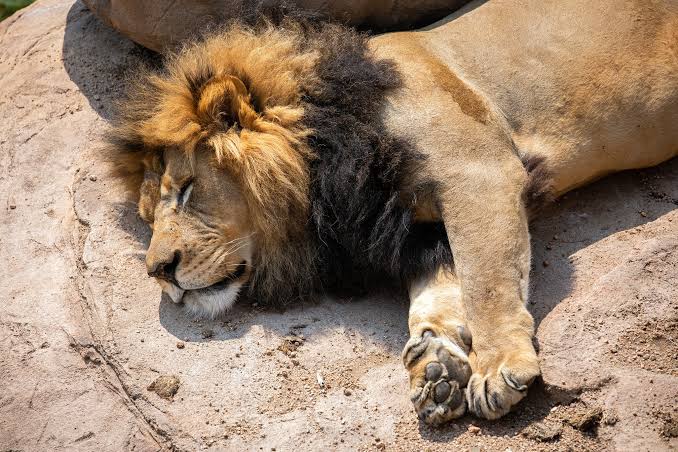
Why Lions Sleep So Much
Why Lions Sleep So Much: A Day in the Life of a Pride
The morning sun rises over Uganda’s Queen Elizabeth National Park, revealing a pride of lions resting beneath an acacia tree. A lioness stretches her front legs, two cubs play beside their mother, and an adult male lies almost motionless in the shade. Hours later, the same lions may still be resting.
Visitors sometimes wonder why Africa’s most famous predators spend so much time sleeping instead of hunting. The answer lies in their energy requirements, hunting strategies and adaptations to hot savannah environments.
Understanding why lions sleep so much reveals how these powerful animals survive in the wild. Lions may spend approximately 16 to 20 hours of a day resting or sleeping, although their activity varies with weather, food availability and social circumstances.
This guide follows a typical day in the life of a lion pride and explains what safari travellers can learn from its resting, feeding and hunting behaviour.
1. How Many Hours Do Lions Sleep Each Day?
Lions are among the least active large carnivores during daylight hours.
Wild lions commonly spend most of a 24-hour period resting, with some studies documenting up to 20 hours of inactivity.
However, an important distinction exists between sleeping and resting.
A lion lying quietly with its eyes open is not necessarily asleep. It may be listening, watching nearby animals or waiting for an opportunity to hunt.
Sleeping vs Resting
| Behaviour | What It Means |
|---|---|
| Deep sleep | The lion is genuinely sleeping |
| Light sleep | Resting with reduced awareness |
| Resting awake | Lying down while monitoring surroundings |
| Grooming | Cleaning fur or interacting with pride members |
| Active movement | Walking, hunting, patrolling or feeding |
The commonly quoted 16–20 hours generally refers to combined rest and sleep rather than uninterrupted deep sleep.
2. Why Do Lions Need So Much Rest?
Hunting requires enormous physical effort.
Although lions may appear relaxed while resting, they are powerful predators capable of sudden bursts of speed.
Chasing and overpowering animals such as buffaloes, zebras and wildebeest consumes substantial energy.
A successful hunt can also involve injuries and considerable physical stress.
Resting allows lions to conserve energy for future activity.
Unlike grazing animals that must feed repeatedly throughout the day, lions can consume a substantial amount of meat during a feeding session.
They may then spend long periods resting before becoming active again.
3. A Typical Day in the Life of a Lion Pride
Lions do not follow a strict daily timetable. Their movements depend on prey, temperature and local conditions.
However, understanding their general activity patterns helps safari travellers anticipate what they might observe.
| Time | Typical Lion Activity |
|---|---|
| 5:00–7:00 am | Hunting, feeding, walking or returning from night activity |
| 7:00–10:00 am | Grooming, social interactions and settling into resting areas |
| 10:00 am–3:00 pm | Extended resting, particularly during hot weather |
| 3:00–5:00 pm | Resting, occasional movement and social interaction |
| 5:00–8:00 pm | Increased activity, travelling and possible hunting |
| Night-time | Hunting, feeding, patrolling and intermittent resting |
These are illustrative patterns, not fixed schedules. Lions can hunt, feed and rest at any hour.
4. Early Morning: The Pride Returns From Night Activity
Early morning is often an excellent time to observe active lions.
Some pride members may be returning from hunting or territorial movements.
Others might still be feeding on prey captured during the night.
Lionesses may gather around resting places while cubs greet adults returning to the group.
You could also observe lions grooming one another or walking towards shade.
For travellers, the cooler hours provide useful opportunities to see lions before they settle down for the day.
5. Mid-Morning: Finding a Comfortable Resting Place
As temperatures rise, lions often move towards shaded areas.
Trees, bushes, rocky outcrops and tall grass provide resting locations.
Lions may lie close together or spread across a small area.
An adult male may rest separately while lionesses and cubs gather nearby.
Why Is Shade Important?
Hot weather can make physical activity more demanding.
Lions cannot cool themselves through sweating in the same way humans do.
They regulate body temperature through behaviours such as panting, seeking shade and reducing unnecessary movement.
Resting during the hottest hours helps limit heat exposure.
This is one reason lions are frequently more active during cooler periods.
6. Midday: Why Lions Appear So Lazy
By midday, many lions are resting quietly.
Visitors may watch a pride for half an hour without seeing much movement.
However, this apparent inactivity is part of the animals’ survival strategy.
A sleeping lion may wake briefly, change position or lift its head towards an unfamiliar sound.
Some pride members remain alert while others sleep.
A lion resting beneath a tree can still respond quickly when something important happens nearby.
Therefore, never assume a resting lion is harmless or unaware of your presence.
7. Do Male Lions Sleep More Than Lionesses?
Adult males often spend substantial periods resting, but it is misleading to assume that lionesses work all day while males sleep.
Both sexes need considerable rest.
Lionesses perform much of the hunting in many prides, while resident males play important roles in defending territories against rival males.
However, males can also hunt independently or participate in cooperative hunts.
Activity varies according to age, reproductive status, prey availability and social responsibilities.
A male defending territory may travel considerable distances during the night.
Similarly, a lioness caring for young cubs may adjust her movements according to their needs.
8. How Do Lion Cubs Spend Their Day?
Lion cubs follow a different daily pattern from adults.
They sleep and rest frequently but also spend time playing, exploring and interacting with other pride members.
Young cubs may chase siblings, wrestle and practise stalking movements.
These playful activities help develop coordination and social skills.
Mothers regularly groom and nurse their young.
As cubs become older, they gradually begin eating meat and accompanying adults.
What Can Tourists Observe?
During a game drive, you may see:
- Cubs sleeping beside their mothers.
- Youngsters wrestling and chasing each other.
- Lionesses grooming cubs.
- Cubs attempting to stalk birds or insects.
- Young lions watching adults feeding.
Observing cubs can make a resting pride surprisingly entertaining.
9. Late Afternoon: The Pride Begins to Wake Up
As the day becomes cooler, lions may become more active.
One lioness might stand, stretch and walk towards another pride member.
Others may begin grooming or moving through the surrounding grassland.
Adult males sometimes roar or mark territory.
However, this increase in activity is not guaranteed every evening.
A pride that has recently eaten a large meal may continue resting.
Lions respond to opportunities rather than following an exact schedule.
10. Night-time: When Lions Become More Active
Lions are often described as nocturnal predators, although they can be active at any hour.
They frequently hunt and travel during the night and around dawn and dusk.
Cooler temperatures reduce heat stress during movement.
Darkness may also help lions approach prey without being detected.
However, moonlight, vegetation and prey behaviour can influence hunting opportunities.
Research in Tanzania’s Serengeti has shown that lions hunt both during daylight and at night.
Their activity patterns change according to environmental conditions.
11. Do Lions Sleep Immediately After Eating?
Lions often rest after a substantial meal.
Digesting large quantities of meat takes time, and the animals may remain near a carcass until they are ready to move.
However, they do not necessarily fall asleep immediately after feeding.
They may drink water, groom themselves or interact with other pride members.
A hungry lion may also rest rather than hunt continuously.
Hunting depends on suitable opportunities and the likelihood of success.
12. Why Do Lions Sleep Close Together?
Lions are social cats that maintain relationships through physical contact.
Pride members sometimes rest beside one another, touching bodies or placing their heads against companions.
These interactions are associated with social bonds and familiarity.
Close resting can also allow mothers to remain near their cubs.
However, lions do not always sleep together.
Some may choose separate resting areas, particularly when the weather is hot or space is limited.
13. Where Can You Watch Resting Lions in East Africa?
Several East African parks provide rewarding opportunities to observe lion prides.
| National Park | Country | Lion Viewing Experience |
|---|---|---|
| Queen Elizabeth | Uganda | Savannah lions and tree-climbing lions in Ishasha |
| Murchison Falls | Uganda | Lions in grassland and woodland |
| Kidepo Valley | Uganda | Lions in remote savannah landscapes |
| Serengeti | Tanzania | Pride interactions and predator-prey behaviour |
| Maasai Mara | Kenya | Lions resting, hunting and raising cubs |
| Ngorongoro Crater | Tanzania | Lions within a compact wildlife ecosystem |
Sightings and activity levels depend on wildlife movements.
A knowledgeable guide can help identify recent lion activity.
14. Best Time of Day to See Active Lions
For travellers hoping to observe walking, hunting or social activity, early morning and late afternoon are often worthwhile.
However, these periods do not guarantee movement.
A resting pride can still provide opportunities to study behaviour.
Watch for:
- Changes in ear position.
- Lions lifting their heads.
- Grooming and greeting.
- Cubs becoming playful.
- Individuals standing and stretching.
- Attention towards nearby prey.
These movements may indicate increasing activity, but they do not necessarily mean a hunt will begin.
15. How to Photograph Sleeping Lions Responsibly
Resting lions can provide excellent photographic opportunities.
Their relaxed positions allow time to compose photographs without rushing.
Try photographing a lioness grooming her cub, a male resting beneath a tree or several pride members sleeping together.
Use optical zoom and remain inside your safari vehicle where required.
Never shout, clap or throw objects to wake sleeping lions.
Avoid blocking an animal’s escape route or surrounding it with vehicles.
The most rewarding wildlife photographs capture natural behaviour without interference.
Why Lions Spend Their Days Resting
Understanding why lions sleep so much reveals an important survival strategy.
Resting allows lions to conserve energy, avoid unnecessary heat exposure and prepare for demanding activities such as hunting and territorial defence.
Although lions may spend most of the day inactive, their lives also involve cooperation, family care, communication and competition.
A sleeping lion is not simply being lazy. It is behaving in a way that supports survival in the African wilderness.
The next time you find a pride resting beneath an acacia tree, remember that quiet moments are just as much a part of lion life as dramatic hunts.







No comment