
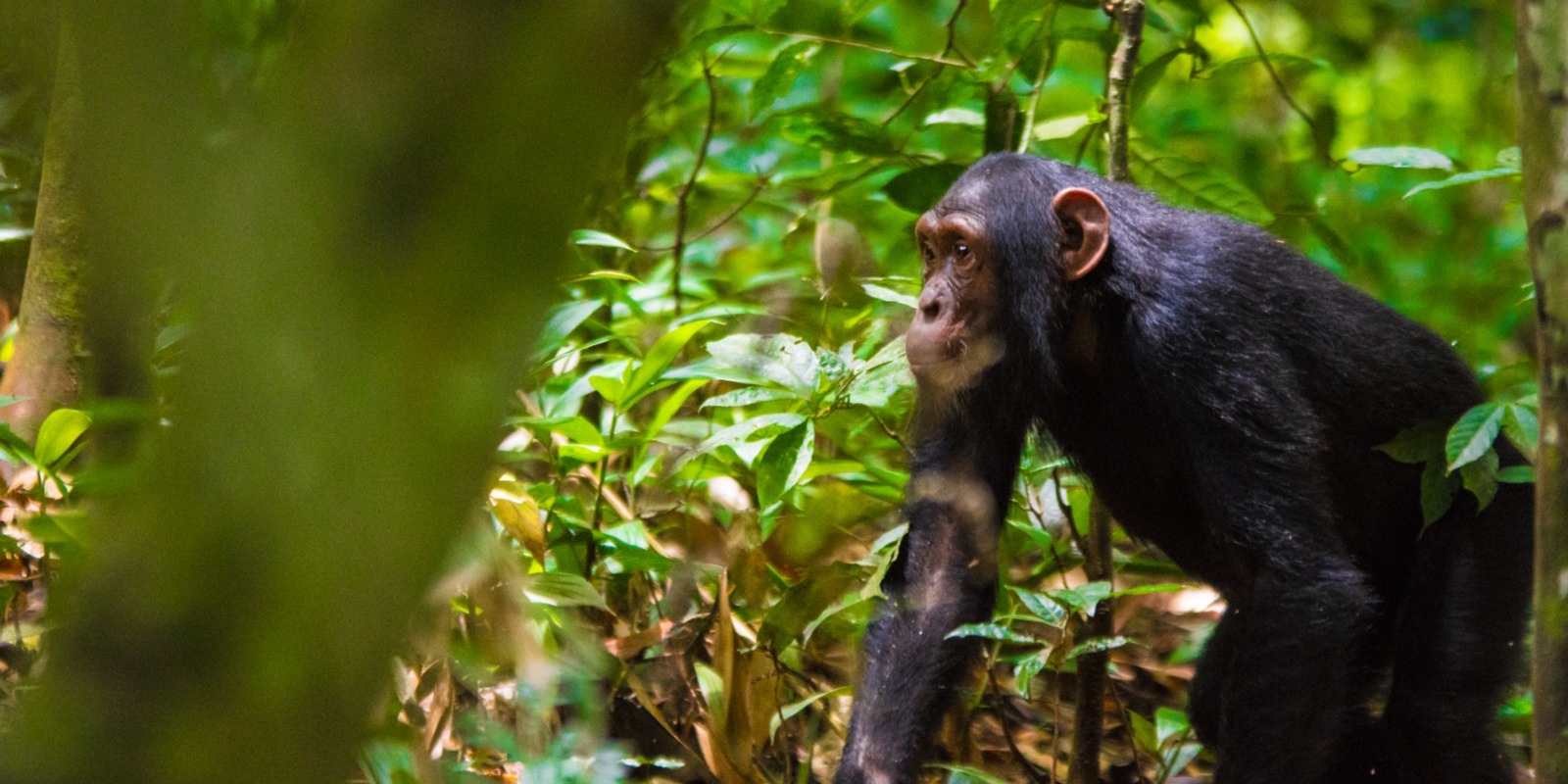
Primate Walks in Mabira Forest
Primate Walks in Mabira Forest: One Morning Near Kampala
Just over an hour’s drive east of Kampala, the busy streets give way to towering trees, thick vegetation and the sounds of tropical forest wildlife. Beneath the green canopy of Mabira Forest, monkeys move between branches, birds call from hidden perches, and butterflies drift through patches of sunlight.
Primate walks in Mabira Forest offer travellers an opportunity to discover Uganda’s forest wildlife without travelling to distant national parks. This large forest reserve, situated along the Kampala–Jinja highway, supports several monkey species, including Uganda mangabeys, red-tailed monkeys and black-and-white colobus monkeys.
A guided morning walk is particularly suitable for visitors with limited time, families, photographers and travellers interested in seeing wildlife near Uganda’s capital.
This guide explains how to plan your morning, which primates to look for and what to expect during a Mabira Forest excursion.
1. Where Is Mabira Forest?
Mabira Central Forest Reserve is located in Buikwe District, between Kampala and Jinja.
The reserve covers approximately 306 square kilometres and protects one of central Uganda’s most significant remaining natural forests.
Its main visitor access area is near Najjembe, along the Kampala–Jinja highway.
The drive from central Kampala is roughly 55 kilometres, although travelling time depends on traffic.
Visitors should generally allow around 1½ to 2 hours for the outward journey, especially when leaving during busy morning periods.
Mabira can also be visited from Jinja or incorporated into a longer eastern Uganda itinerary.
2. Why Visit Mabira for a Primate Walk?
Unlike Bwindi and Kibale, Mabira is not primarily known for gorilla or chimpanzee trekking.
Its attraction lies in observing smaller forest primates and exploring a rich tropical ecosystem.
Guided walks allow travellers to search for monkeys while learning about forest plants, birds and conservation.
The experience is particularly appealing because it combines wildlife observation with a relatively accessible location.
You do not need several days to enjoy the forest.
A well-planned morning provides enough time for a relaxed guided walk and an introduction to Mabira’s remarkable biodiversity.
3. Uganda Mangabeys: Mabira’s Special Primates
One of Mabira’s most interesting animals is the Uganda mangabey, Lophocebus ugandae.
It was previously treated as part of the grey-cheeked mangabey group, so older travel guides often use the name grey-cheeked mangabey.
These monkeys have dark greyish-brown fur, long tails and distinctive facial features.
They spend considerable time in trees, although they may descend to lower vegetation while feeding.
Why Are Mangabeys Interesting?
Mangabeys live in social groups and communicate through vocalisations and body movements.
During a guided walk, you may notice individuals jumping between branches, searching for food or interacting with group members.
Specialised mangabey walks are offered by some Mabira forest tourism operators.
However, sightings depend on the monkeys’ movements and food availability.
Visitors should not assume every ordinary nature walk follows a habituated mangabey group.
4. Red-Tailed Monkeys: Watch for the White Nose
Red-tailed monkeys are another primate species found in Mabira.
These agile forest monkeys have brownish-grey coats, reddish tails and a noticeable pale patch on the nose.
They frequently travel through the middle and upper forest canopy.
During a morning walk, you might see them feeding on fruits or moving rapidly between branches.
How to Identify Them
Look for the distinctive white nose marking and reddish colouring along the tail.
Red-tailed monkeys are usually smaller than mangabeys.
They also tend to move quickly, making them challenging photography subjects.
A pair of binoculars can help you identify individuals hidden among the leaves.
5. Black-and-White Colobus Monkeys
Mabira also supports black-and-white colobus monkeys.
Their glossy black coats, flowing white fur and long tails make them relatively easy to recognise when clearly visible.
Unlike red-tailed monkeys, colobus monkeys are specialised leaf eaters.
They spend much of their time resting, feeding and travelling through trees.
You may notice their white tails hanging below branches before seeing the rest of their bodies.
Their movements can provide excellent photography opportunities, particularly when they cross gaps between trees.
6. Other Wildlife You Might Encounter
Primate observation is only one part of a Mabira Forest walk.
The reserve supports hundreds of bird species, colourful butterflies and numerous smaller mammals.
Depending on your route and the season, you may encounter hornbills, turacos, forest insects and interesting plants.
Large buttress-rooted trees and dense vegetation also make Mabira an attractive destination for nature photography.
Even when monkey sightings are limited, the forest offers opportunities to learn about tropical ecosystems.
7. One Morning in Mabira: Suggested Itinerary
A successful Mabira visit begins with an early departure from Kampala.
The following itinerary is an example rather than a fixed operating schedule.
| Time | Activity |
|---|---|
| 6:30 am | Depart Kampala |
| 8:00–8:30 am | Arrive near Najjembe and meet your guide |
| 8:30 am | Begin guided forest walk |
| 9:00–10:30 am | Search for mangabeys, red-tailed monkeys and colobus |
| 10:30 am | Short rest and forest interpretation |
| 11:00 am | Finish the walk |
| 11:30 am | Depart for Kampala or continue towards Jinja |
Traffic, the chosen trail and wildlife movements can change these timings.
If your main goal is mangabey observation, arrange a specialist guide before travelling.
8. What Happens During the Forest Walk?
Your guide begins by explaining the walking route and basic safety instructions.
The group then follows forest trails through areas containing tall trees and dense undergrowth.
Walking is generally slow because wildlife can be difficult to locate.
Your guide may stop after hearing monkey calls or noticing movement overhead.
Visitors should watch the branches carefully and remain quiet.
Sometimes the first sign of monkeys is a shaking branch or rustling leaves.
A good forest walk is about patient observation rather than covering the greatest possible distance.
9. Which Mabira Trails Should You Choose?
Mabira has several established walking routes, ranging from short nature trails to longer forest hikes.
Not every route is equally suitable for primate observation.
Some focus on birdwatching, forest ecology or scenic locations such as Griffin Falls.
A guide familiar with current monkey movements can recommend the most appropriate trail.
For a half-day excursion, a walk lasting approximately two to three hours is often practical.
Longer routes may be suitable for enthusiastic hikers.
Confirm trail conditions and meeting points in advance because Mabira has different tourism access areas.
10. Best Time for Primate Watching in Mabira
Morning is a convenient period for forest wildlife observation.
Monkeys may be feeding and travelling after leaving their overnight resting areas.
The earlier hours can also be more comfortable for walking before temperatures rise.
However, primates remain active at different times throughout the day.
Their movements depend on food availability, weather and social behaviour.
Mabira can be visited throughout the year, although heavy rainfall may make trails muddy.
The relatively drier periods, often December to February and June to August, may offer more comfortable walking conditions.
11. How Much Does a Mabira Forest Walk Cost?
Prices vary according to the operator, guiding arrangements, group size and selected activities.
An ordinary guided forest walk may cost less than a specialised mangabey experience.
Some organised excursions include return transport from Kampala, while others cover only the guided activity.
Before booking, confirm whether your quotation includes:
- Forest entry or activity fees.
- An experienced local guide.
- Specialist mangabey tracking, if requested.
- Return transport.
- Drinking water or refreshments.
- Any additional forest activities.
Check current prices directly with the authorised provider instead of relying on old online quotations.
12. What Should You Pack?
You do not need specialised expedition equipment for a short Mabira forest walk.
However, comfortable clothing and a few useful items can improve the experience.
Recommended items include:
- Comfortable walking shoes.
- Lightweight long trousers.
- Rain jacket.
- Drinking water.
- Binoculars.
- Camera or smartphone.
- Insect repellent.
- Small backpack.
Avoid carrying heavy luggage.
Forest paths may be slippery after rainfall, so shoes with good grip are particularly useful.
13. Responsible Primate Watching
Wild monkeys should always be observed respectfully.
Never feed them or attempt to attract their attention using food.
Keep a suitable distance and avoid following animals into thick vegetation.
Do not imitate monkey calls or play recordings to provoke reactions.
Avoid flash photography and sudden movements.
Always remain with your guide and follow the forest’s access rules.
These precautions help minimise disturbance and protect both visitors and animals.
14. Can You Combine Mabira With Other Attractions?
Mabira’s location makes it convenient for travellers exploring the Kampala–Jinja corridor.
After your forest walk, you can continue towards Jinja for activities around the River Nile.
Ssezibwa Falls is another attraction that can be included in a longer day trip, depending on your schedule.
However, if your main interest is primate observation, avoid rushing through the forest simply to fit in additional stops.
A dedicated morning often provides a more enjoyable experience.
A Forest Escape Close to Kampala
Primate walks in Mabira Forest provide an accessible introduction to Uganda’s smaller forest monkeys.
The opportunity to search for Uganda mangabeys, red-tailed monkeys and black-and-white colobus makes the reserve particularly interesting for wildlife enthusiasts.
Its forest trails, abundant birdlife and convenient location create an enjoyable excursion without requiring a long safari journey.
Whether you are visiting Kampala for business or travelling towards Jinja, a morning in Mabira offers a welcome change of scenery.
Sometimes the most memorable wildlife experiences are not found deep inside a national park, but in a remarkable forest only a short journey from the city.







No comment