
Birding with a Local Naturalist: Why It Changes Everything
Birding can start with something simple as hearing a sound you do not recognize in the trees. You stop, look around and try to figure out where the sound came from. Then a small movement catches your eye. Suddenly you are watching a bird you may never have noticed on your own. In East Africa these moments can happen anywhere from quiet forest trails and papyrus wetlands to open savannas and mountain slopes.. The experience becomes much better when someone who knows the area joins you. Birding with a Local Naturalist: Why It Changes Everything is a question thinking about because local knowledge can turn a regular trip into a deeper understanding of nature.
A local naturalist does more than name birds. They understand the places where birds live the way the seasons change how birds act, the names people use locally the way the weather moves and the small signs that show what is happening around you. They might hear a call from away before you even take out your binoculars. They might know that a certain bird often eats along one side of a forest edge in the morning or that a particular wetland has different birds after the rain. These details can make the difference between seeing birds and really understanding the places where those birds live.
Seeing More Than You Would Alone
One of the things you notice is that a skilled local naturalist helps you see more. African landscapes can seem quiet at first especially if you are not used to the area. A woodland might appear to have nothing than a few trees and dry grass. A naturalist sees movement between branches spots feeding behavior and knows which trees are likely to have fruit-eating birds.
This knowledge is very helpful in areas. Forest birds can stay hidden for a time while some species are easier to find by listening than by looking. A local naturalist can listen for calls at once and tell them apart very well. Of walking past a patch of plants you might stop and find a sunbird feeding among flowers a turaco moving through the top of the trees or a quiet forest bird calling from deep inside the leaves.
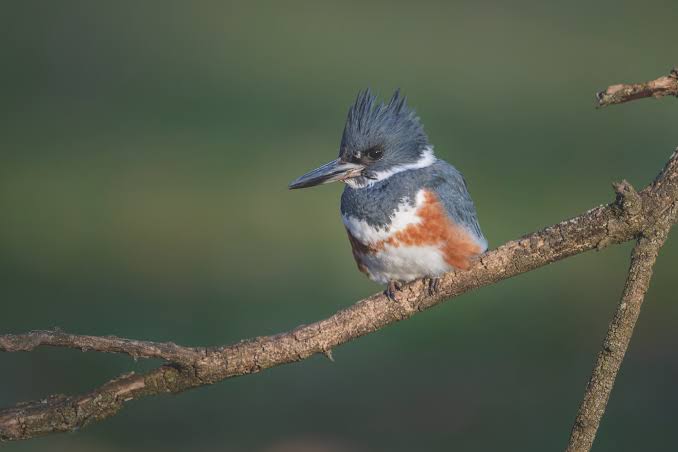
The same idea works in wetlands. A trained person can look at mudflats plants that float on water, reeds and shallow areas and quickly see what is happening. One person might see a stretch of papyrus. A naturalist might see an area of herons, jacanas, kingfishers, warblers and other wetland birds.
Learning the Language of Bird Calls
Bird calls are one of the useful things you can learn. Many birds are heard long before they are seen and learning their sounds can make you feel more confident when you are outside. A local naturalist can teach you about calls helping you connect each sound with a bird, a place and how the bird acts.
You might hear a repeating sound from the top of the forest. Learn that it belongs to a bird you would have otherwise missed. Over time you start to recognize sounds you have heard before. This is one of the satisfying parts of Birding, with a Local Naturalist: Why It Changes Everything because the learning does not stop when the trip is over.
You keep those sounds with you. On your walk you might hear a familiar sound and immediately know where to look.
Understanding the Landscape
Birds are deeply tied to the places they live. Where you find them tells you about food, water, plants, elevation, weather and the time of year. A local naturalist can help you see these connections clearly.
In Uganda, Kenya, Tanzania and Rwanda the environment can shift quickly. A short trip might take you from wetlands to farmland through woodlands, savanna, montane forests and lakeshores. Each place hosts birds and each has its own pace.
A naturalist can explain why some birds stay in grasslands while others prefer thick bushes. They can show you where birds build nests, where they feed, which plants bloom, which trees bear fruit and where water flows. This makes the land easier to understand. You begin to realize that every bird you see has a reason for being
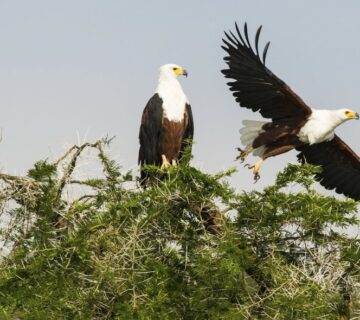
That knowledge also gives meaning to birds you already know. Watching an African fish eagle becomes more meaningful when you know how it hunts near lakes and rivers. Seeing a weaver making a nest becomes more memorable when you understand what the nest means and how the bird behaves.
Discovering Birds Beyond the Famous Species
Many people start birding with a few names in mind. They hope to see a shoebill, a flamingo, an African fish eagle, a great blue turaco or a lilac-breasted roller. These are all birds to find.. East Africa has so much more to offer.
A local naturalist can guide you to less-known birds that might otherwise go unnoticed. A tiny sunbird drinking nectar from flowers can become one of the unforgettable moments of the day. A flycatcher perched quietly on a branch might show hunting habits. A colorful bee-eater may flash by in a few seconds before flying away.
This is where Birding with a Local Naturalist: Why It Changes Everything becomes obvious. The experience shifts from checking off impressive species to truly appreciating the full range of bird life.
You may go home after a morning walk remembering one bird more clearly than the ones you set out to find.
Connecting Birding With Local Knowledge
naturalists often know things you can’t learn from a book. They understand how people move through the land and how communities have watched birds for generations. In some places birds have names that come from their calls their looks, their actions or their role in stories.
These stories bring the birds to life. You start to see wildlife not as a list of names. As part of a living world around you.
This connection can also support tourism. When your birding trips help local guides and naturalists earn a living it gives communities a reason to protect the land. A healthy wetland, forest or woodland becomes important to people when visitors come to see the birds.
Better Birding Photography and Observation
A naturalist can also improve how you watch birds. If you like taking pictures their knowledge helps you find spots without disturbing the birds. They might know where a bird tends to land how it moves or where the best view is.
Great bird photos often come from patience, not speed. A naturalist can help you slow down and wait for behavior instead of rushing from one sighting to the next. You may end up with quick encounters but more meaningful ones.
Even if you’re not taking photos this approach makes the experience richer. You have time to watch a bird clean its feathers eat call out court a mate defend its space or interact with another bird. Those actions often tell you more than an ID ever could.
Making Every Outing More Personal
No two birding trips are the same. The weather changes. Birds move. The seasons affect food and water. Even the same trail can bring different birds on different mornings.
A skilled naturalist adjusts to these changes. If birds are active high in the trees they focus upward. If the morning is quiet they spend time listening. If it starts to rain they may change the route.
This flexibility makes each outing feel personal. Your own interests shape the experience. If you want to learn bird calls the naturalist can focus on sound. If you love photography they can give you time at good spots. If you’re new to birding they can explain basics without overwhelming you.
Building Skills That Stay With You
The best part might come after the trip is over. You might leave with a few birds in mind.. After spending a few hours with someone who truly knows the area you go home with new skills. You learn how to identify birds. You start to recognize calls. You know which habitats to explore. You begin to ask questions you didn’t know to ask
That is why Birding with a Local Naturalist: Why It Changes Everything is more, than a travel choice. It can change how you see nature long after you leave East Africa.
You begin to notice birds in places. You listen before you look. You pay attention to trees, flowers, water and insects. You start wondering why one bird lives in one place and another lives else.
Birding becomes a way of learning about the world.
Choosing the Right Local Naturalist
When you plan a birding trip choose a naturalist who truly knows the local species and habitats. A good local naturalist is patient, observant and ready to explain what they see. Experience is important. Clear communication is also vital for successful birding.
Ask the guide about their knowledge of the places you want to visit. If you have birds on your list tell them before the trip. It helps to talk about how time you want to spend outside whether photography matters to you and whether you want a relaxed day or a hard species hunt in the context of birding.
A good guide will also teach you birding. Birds should never be chased, handled, baited or disturbed to get a better sighting or photo. Respect for wildlife must stay at the heart of every outing and a local naturalist will keep that in mind.
Let Local Knowledge Shape Your Next Birding Adventure
East Africa gives chances for anyone who loves birds. From Ugandas wetlands and forests to Kenyas savannas, Rwandas highlands and Tanzanias varied protected areas each region has its character and birds.
The best discoveries usually happen when you let a local naturalist with deep local knowledge show you what you would otherwise miss. Birding with a Local Naturalist: Why It Changes Everything shows that because local knowledge brings detail, patience, context and a deeper link to the place it changes the birding experience.
You might start a trip hoping to spot one bird with a naturalist. Instead you could come back with a love for the whole habitat. You might hear the song of a bird you never knew learn why birds come to a wetland or spend ten calm minutes watching a bird act naturally in its home during a birding walk.

No comment