
A Guide to Responsible Tourism in Murchison Falls National Park
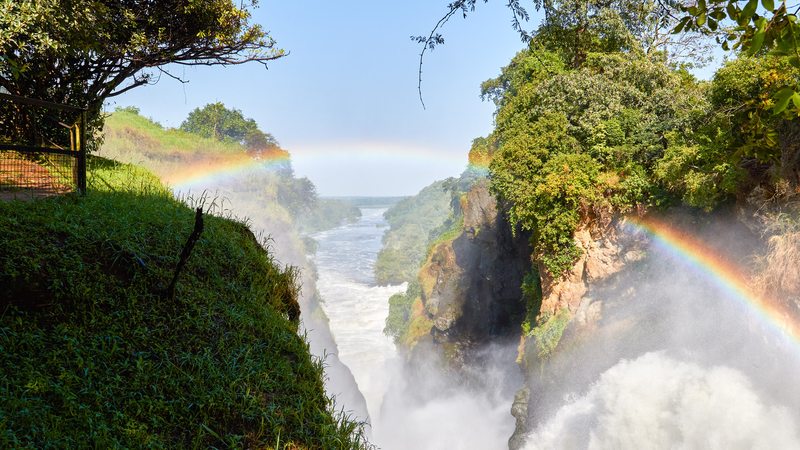
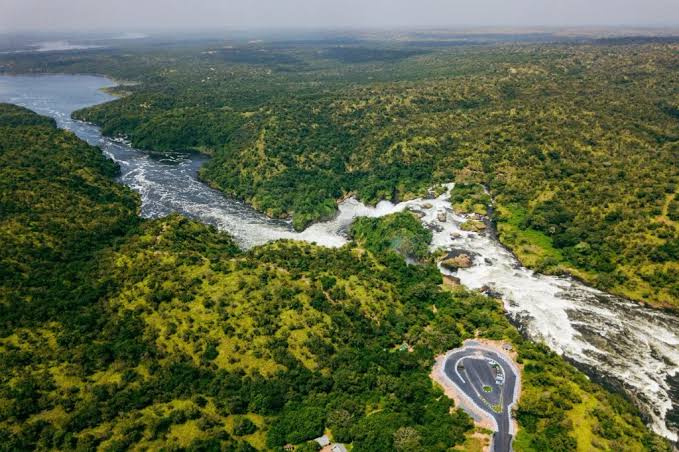
Murchison Falls National Park, where the Nile forces itself through a narrow gorge before cascading dramatically downward, draws travelers with its raw power and abundant wildlife, and understanding how to visit responsibly helps ensure this remarkable ecosystem and its surrounding communities benefit genuinely from tourism rather than bearing its costs.
Choosing Operators Committed to Conservation
Selecting tour operators and lodges with demonstrated conservation commitments, transparent community partnership programs, and genuine environmental practices channels your trip spending toward businesses actively supporting Murchison Falls’ long-term ecological health.
Respecting Wildlife Viewing Distances
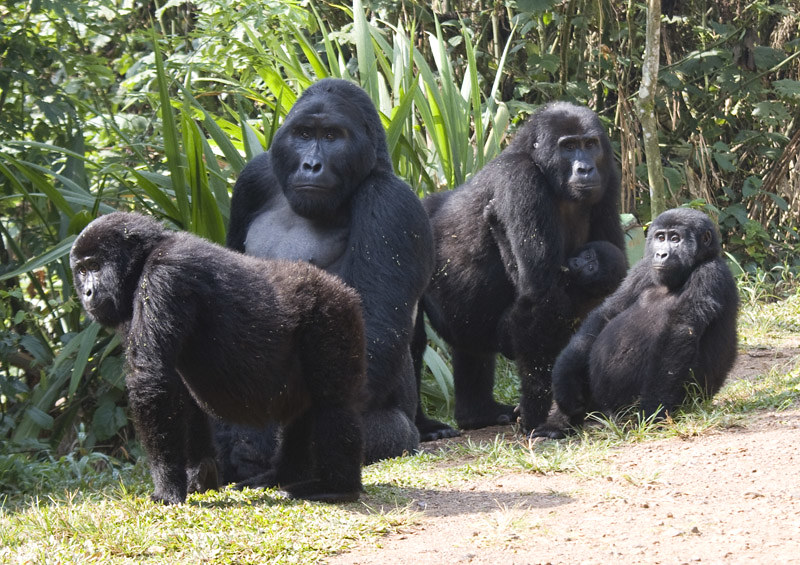
Maintaining appropriate distances from wildlife during game drives, rather than pressuring guides for closer approaches, protects animal welfare and natural behavior patterns while still delivering genuinely rewarding sighting experiences.
Supporting Community-Based Tourism Initiatives
Murchison Falls’ surrounding communities offer various tourism initiatives, cultural visits, craft cooperatives, and homestead experiences, and prioritizing these alongside standard park activities directs meaningful economic benefit toward local livelihoods.
Minimizing Plastic and Waste During Your Visit
Carrying a reusable water bottle, avoiding single-use plastics where possible, and properly disposing of any waste you do generate helps protect Murchison Falls’ ecosystem from the plastic pollution affecting many popular safari destinations.
Staying on Designated Roads and Tracks
Vehicles straying off designated park roads cause genuine habitat damage and disturb wildlife beyond what standard game drives already involve, making strict adherence to marked routes an essential responsible tourism practice.
Understanding the Park’s Oil Development Context
Murchison Falls sits near significant oil exploration and development activity, a genuinely complex conservation issue, and travelers interested in responsible tourism can research current conservation organization positions on this ongoing situation.
Choosing Accommodation With Genuine Sustainability Practices
Lodges implementing real water conservation, responsible waste management, and local employment practices deserve preference over properties offering only superficial “eco” branding without substantive environmental commitment.
Respecting River Wildlife During Boat Cruises
The popular Nile boat cruise past hippos, crocodiles, and abundant birdlife should be conducted at respectful distances and reasonable speeds, protecting both wildlife welfare and other passengers’ genuine viewing experience.
Supporting Anti-Poaching and Ranger Conservation Efforts
Park fees and permit costs directly fund ranger patrols and anti-poaching operations protecting Murchison Falls’ wildlife, making full, transparent payment through official channels a genuine conservation contribution rather than mere bureaucracy.
Practicing Responsible Photography
Avoiding flash photography near wildlife, not using drones without explicit park authorization, and never baiting animals for better photo opportunities protects both wildlife welfare and other visitors’ experience.
Learning About the Park’s Conservation History
Understanding Murchison Falls’ conservation history, including its recovery from significant wildlife population losses during past periods of regional instability, adds genuine context and appreciation to your visit.
Choosing Walking Safaris With Licensed Guides
Walking safaris conducted with properly licensed, experienced guides minimize environmental impact while maximizing safety, and travelers should verify guide credentials rather than joining unofficial or unlicensed walking arrangements.
Respecting Local Cultural Norms
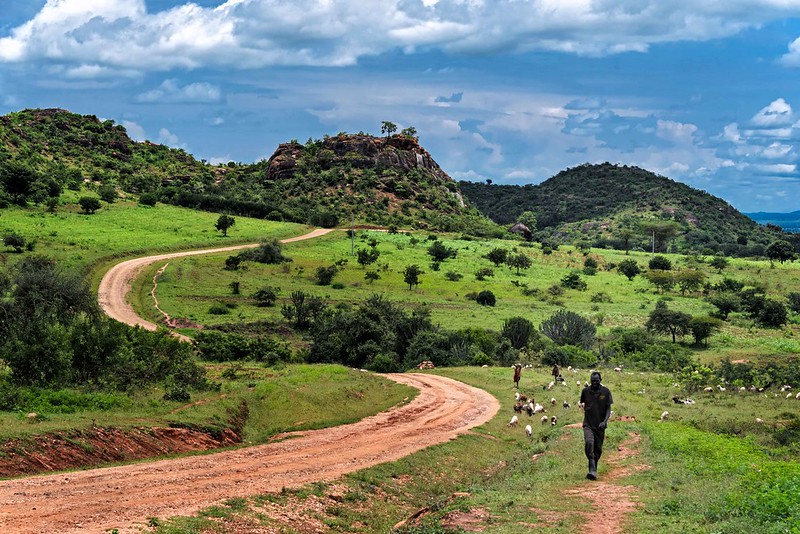
Dressing modestly and respectfully when visiting nearby communities, asking permission before photographing individuals, and engaging genuinely rather than treating community visits as photo opportunities reflects responsible cultural tourism.
Understanding Fair Wages and Working Conditions
Researching whether your chosen operator pays guides and staff fair wages and maintains reasonable working conditions, rather than focusing purely on the lowest available price, supports genuinely ethical tourism employment.
Reducing Your Water Usage at Lodges
Given water resource pressures in many safari destinations, taking reasonably short showers and reusing towels when offered helps reduce your individual environmental footprint during an extended lodge stay.
Supporting Wildlife Research and Monitoring
Some Murchison Falls operators and organizations welcome traveler support for ongoing wildlife research and monitoring programs, an additional way to contribute beyond standard tourism spending for travelers with genuine interest.
Avoiding Wildlife Product Purchases
Never purchasing items made from ivory, animal skins, or other wildlife products, even when offered informally, protects endangered species and avoids inadvertently supporting illegal wildlife trade networks.
Traveling During Appropriate Group Sizes
Choosing smaller group sizes or private vehicle options, where budget allows, reduces cumulative environmental impact compared to larger group tourism, particularly around sensitive wildlife viewing areas.
Understanding the Delta’s Ecological Significance
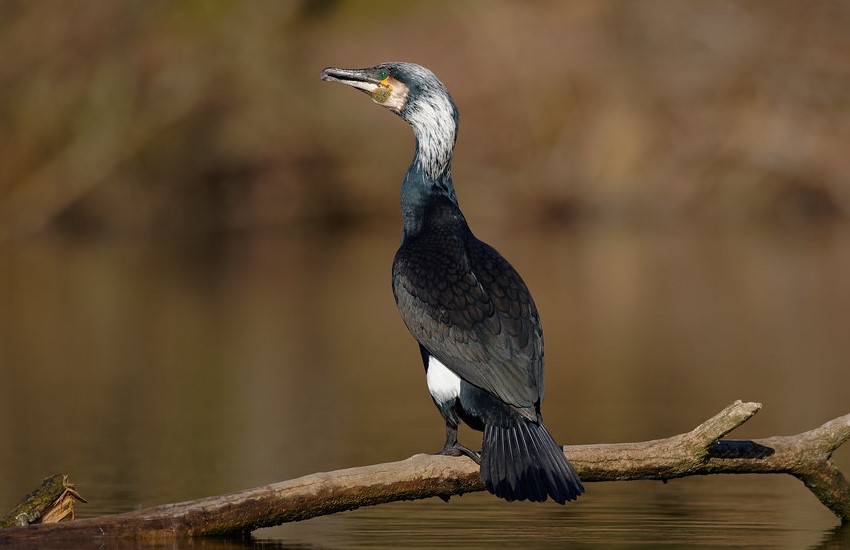
The Nile Delta area within Murchison Falls supports globally significant bird populations, including the rare shoebill stork, and travelers should support birding guides with genuine conservation awareness for this sensitive habitat.
Giving Back Through Verified Conservation Donations
Travelers wanting to extend their impact beyond the trip itself can research verified, reputable conservation organizations working specifically in Murchison Falls for additional financial support beyond standard tourism spending.
Leaving No Trace Beyond Standard Waste Disposal
Beyond formal waste disposal, avoiding any disturbance to natural features, vegetation, or geological formations during your visit preserves the park’s condition for future visitors and continued wildlife habitat.
Educating Yourself Before You Arrive
Learning about Murchison Falls’ ecology, conservation challenges, and cultural context before your visit, rather than arriving with no background knowledge, deepens both your appreciation and your ability to travel responsibly.
Sharing Accurate Information After Your Trip
Sharing honest, accurate accounts of your Murchison Falls experience, including its conservation context, with others after your trip extends responsible tourism’s impact beyond your individual visit.
Why Responsible Tourism Benefits Your Own Experience Too
Travelers who approach Murchison Falls with genuine responsible tourism awareness consistently describe richer, more meaningful experiences than those focused purely on checklist wildlife sightings, suggesting this approach rewards visitors as much as the destination itself.
How Responsible Tourism Supports Long-Term Park Viability
Parks that generate sustainable, well-distributed tourism revenue while protecting core ecological function tend to maintain stronger long-term political and community support than those where benefits concentrate narrowly, making responsible tourism choices a genuine stake in Murchison Falls’ future.
What Travelers Can Learn From Local Conservation Staff
Engaging genuinely with rangers, guides, and conservation staff about their work, rather than treating them purely as service providers, often reveals fascinating insight into the daily realities of protecting a park this significant.
Considering Your Overall Carbon Footprint
While international flights represent the largest carbon component of most Murchison Falls trips, choosing efficient in-country transport and combining destinations sensibly within a single itinerary helps travelers manage their overall environmental impact.
How Reviews Can Help Identify Genuinely Responsible Operators
Reading reviews that specifically mention environmental practices, community engagement, and staff treatment, rather than only service quality, helps travelers identify operators genuinely committed to responsible tourism principles.
Bringing Responsible Habits Home With You
Travelers who reflect on and apply the environmental and cultural respect practiced during a Murchison Falls visit to their everyday lives back home extend responsible tourism’s impact well beyond the trip itself.
Final Thoughts on Traveling With Purpose
Approaching Murchison Falls with genuine responsible tourism awareness transforms a wildlife-viewing trip into meaningful participation in one of Uganda’s most important ongoing conservation stories.
Why Group Size Choices Carry Environmental Weight
Choosing tours that limit vehicle numbers at popular viewpoints and wildlife sightings, rather than joining operators that maximize volume, reduces cumulative pressure on Murchison Falls’ most sensitive and heavily visited areas.
How to Research an Operator’s Actual Track Record
Looking beyond marketing claims to find specific, verifiable examples of an operator’s community projects, conservation partnerships, or environmental certifications provides more reliable signal than general “eco-friendly” branding alone.
What First-Time Visitors Often Overlook
First-time Murchison Falls visitors sometimes focus purely on wildlife checklist goals, overlooking the broader conservation and community context that experienced responsible travelers describe as adding genuine depth to their trip.
Closing Thoughts on Travel as Genuine Stewardship
Viewing your Murchison Falls visit as an act of genuine stewardship, rather than simple consumption of a wildlife experience, shifts both your choices during the trip and the lasting impact your visit leaves behind.
Considering the Boat Cruise Operator’s Practices Specifically
Since the Nile boat cruise represents such a central Murchison Falls activity, specifically researching your chosen boat operator’s approach to wildlife distance, engine noise management, and passenger capacity helps ensure this popular activity remains genuinely low-impact.
How Longer Stays Support More Responsible Tourism
Extending your Murchison Falls stay beyond a rushed one-night visit allows for a more relaxed pace that naturally reduces pressure to rush wildlife encounters or overload a single day with activities, benefiting both your experience and the park.
What Responsible Tourism Doesn’t Mean
Responsible tourism doesn’t mean sacrificing genuine enjoyment or avoiding meaningful wildlife encounters, it means pursuing those encounters through choices that sustain rather than degrade the very resource making your trip possible.
Final Reflection on Your Role as a Visitor
Every choice made throughout a Murchison Falls trip, from operator selection to on-the-ground behavior, contributes either positively or negatively to the park’s ongoing story, a responsibility worth carrying thoughtfully throughout your visit.
One Last Word on Leading by Example
Travelers who visibly practice responsible tourism habits, respecting distances, minimizing waste, engaging communities genuinely, quietly encourage fellow visitors and even guides to maintain these same standards throughout the trip.
Planning Your Responsible Murchison Falls Visit
Traveling responsibly ensures Murchison Falls’ extraordinary wildlife and landscapes endure for generations of future visitors. All in Africa Safaris can connect you with genuinely conservation-committed operators for your Murchison Falls trip, or you can get in touch to plan the details of your visit.

No comment