
Best Time of Year for Chimpanzee Trekking for Birdwatchers
Travelers hoping to combine chimpanzee trekking with serious birding face a genuine planning tension: the timing that suits one activity doesn’t always perfectly align with the other. Understanding how Uganda’s seasons affect both chimp trekking conditions and bird activity helps birdwatchers choose timing that delivers strong results on both fronts.
Why This Combination Requires Thoughtful Timing
Chimpanzee trekking generally favors drier months for easier forest walking, while certain migratory bird species pass through specific windows that don’t always match the driest periods, meaning birdwatchers need to weigh these sometimes-competing priorities rather than assuming one ideal season serves both activities equally.
Dry Season Advantages for Chimp Trekking
Uganda’s dry seasons, roughly December through February and June through August, offer more comfortable forest walking conditions for chimpanzee trekking, with drier trails and generally more predictable weather supporting longer, easier treks through Kibale’s dense understory.
Wet Season Advantages for Birding
Rainy season increases insect activity throughout Uganda’s forests, drawing more active bird behavior and feeding activity, making the wetter months genuinely rewarding for birders despite the more challenging trekking conditions they create for chimp tracking.
Migratory Bird Timing Considerations
Palearctic migratory species pass through Uganda during specific windows, generally November through April, adding another layer of seasonal complexity for birders trying to maximize species diversity alongside their chimp trekking plans.
Finding the Genuine Sweet Spot
Many experienced birders and guides point toward the transitional shoulder periods, particularly November and June, as offering a reasonable balance, relatively manageable trekking conditions alongside still-active bird populations and, in November’s case, arriving migratory species.
Kibale Forest as the Primary Chimp Trekking Destination
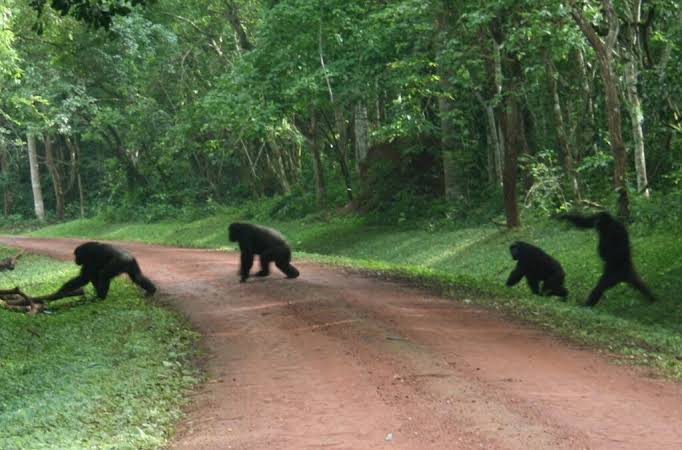
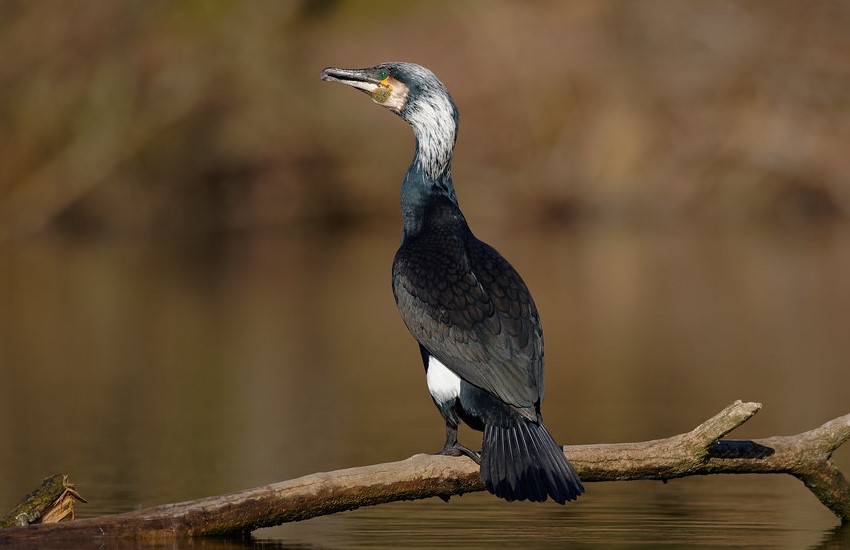
Kibale Forest National Park, home to Uganda’s most reliable chimpanzee trekking, also ranks among the country’s premier birding destinations with over 300 recorded species, making it the natural base for travelers pursuing this specific combined interest.
How Chimp Trekking Itself Supports Birding
The guided forest walks required for chimp trekking naturally expose travelers to excellent birding opportunities along the way, meaning even a trip focused primarily on chimps delivers meaningful birding value without requiring entirely separate excursions.
Adding Dedicated Birding Time Beyond the Chimp Trek
Serious birders should budget dedicated time beyond the standard chimp trekking permit specifically for birding, whether through the nearby Bigodi Wetland Sanctuary or extended forest walks focused purely on bird observation rather than primate tracking.
Bigodi Wetland Sanctuary as a Birding Complement
Adjacent to Kibale, the Bigodi Wetland Sanctuary offers outstanding birding within papyrus swamp habitat distinct from the forest itself, and pairing a chimp trek with a Bigodi walk gives birders access to genuinely varied habitat types within a single, compact area.
Weather Variability Within Any Given Season
Even within Uganda’s broadly defined dry and wet seasons, weather can vary considerably year to year, making it worth checking current seasonal forecasts and recent conditions closer to your actual travel dates rather than relying purely on historical averages.
How Early Morning Timing Affects Both Activities
Both chimp trekking and productive birding reward early starts, with morning offering the most active wildlife behavior for both primates and birds alike, making an early departure time valuable regardless of which broader season you choose.
Physical Considerations for Combined Days
Travelers planning to combine chimp trekking with extended birding on the same day should pace themselves realistically, since both activities demand sustained walking and attention, and back-to-back full-intensity sessions can lead to fatigue affecting enjoyment of either.
Booking Chimp Permits Around Your Birding Priorities
Since chimp permits require advance booking regardless of season, birders should finalize their seasonal timing decision early enough to secure permits for their chosen dates, particularly during Uganda’s busier travel periods.
What Experienced Birding Guides Recommend
Guides with specific birding expertise often recommend travelers prioritize whichever activity matters more to them personally when seasons don’t perfectly align, then treat the other activity’s results as a valuable bonus rather than an equally weighted priority.
Combining Kibale With Other Ugandan Birding Destinations
Birders with flexible itineraries might pair Kibale’s chimp trekking with additional time in Queen Elizabeth National Park or Bwindi, both offering their own strong birding alongside primate trekking opportunities, spreading species diversity across a longer trip.
Photography Considerations for This Combined Interest
Photographers pursuing both chimps and birds should pack versatile equipment covering both closer primate subjects and more distant bird photography, along with patience for the different pacing each subject type demands.
How Rainfall Affects Forest Visibility for Both Pursuits
Heavier rainfall can reduce visibility within dense forest canopy, affecting both chimp spotting and bird identification similarly, another reason the shoulder seasons often represent a genuinely sensible compromise for this combined interest.
Setting Realistic Expectations for a Combined Trip
Travelers pursuing both chimps and serious birding should accept that no single timing choice perfectly maximizes both activities, and arriving with this realistic expectation helps maintain enjoyment regardless of which specific conditions your chosen dates bring.
Working With a Tour Operator on Combined Priorities
Discussing both your chimp trekking and birding priorities explicitly with your tour operator during planning helps them suggest genuinely optimized timing and itinerary structure based on current seasonal knowledge rather than generic seasonal advice alone.
How Long to Plan for This Combined Interest
A trip genuinely built around both chimp trekking and serious birding benefits from several days in the Kibale area specifically, rather than a rushed single-day visit trying to accomplish both priorities in one compressed session.
Final Thoughts on Timing This Combination
Ultimately, the November and June shoulder periods offer birders pursuing chimp trekking a genuinely reasonable balance of conditions, though travelers with strong preferences for one activity over the other should weight their seasonal choice accordingly.
What Species to Prioritize During Each Season
Birders visiting during the dry season should prioritize forest resident species reliably present year-round, while those timing their trip for migratory windows can build a target list around specific Palearctic visitors known to pass through Kibale’s ecosystem during those months.
How Local Bird Guides Add Value Beyond General Trekking Guides
Serious birders should consider hiring a guide with specific birding expertise for dedicated sessions, separate from the standard chimp trekking guide, since bird identification skill and general primate guiding don’t always overlap in the same individual.
Recording and Tracking Your Sightings
Keeping a detailed sightings log across both chimp encounters and bird species helps travelers build a genuine record of their combined trip, useful both for personal reference and for contributing observations to broader citizen science birding databases.
What Repeat Visitors Recommend for This Combination
Travelers who have visited Kibale multiple times across different seasons often recommend a first trip during the more reliable dry season for chimps, saving a dedicated wet-season birding-focused return trip for those with deeper interest in both pursuits.
Why This Combined Interest Rewards Return Visits
Given how much seasonal variation affects both chimp trekking conditions and bird activity, travelers with genuine long-term interest in both pursuits often find that multiple trips across different seasons deliver a fuller picture than any single visit could provide.
Bringing the Two Priorities Together in Practice
Ultimately, most travelers pursuing this combination find genuine satisfaction regardless of exact timing, since Kibale’s baseline quality for both chimps and birds remains strong enough that even a compromise season delivers a rewarding trip on both fronts.
A Final Word on Managing Expectations
Birders who arrive with genuine flexibility about exact species outcomes, rather than a rigid must-see checklist, consistently report the most satisfying combined chimp-and-birding experiences regardless of which specific season they ultimately chose.
How to Prioritize If You Can Only Choose One Season
Travelers forced to choose a single season should generally favor dry-season timing if chimp trekking reliability matters most, or the November shoulder window if migratory bird diversity ranks as the higher priority, a simple decision rule that simplifies otherwise complex planning.
Why Kibale Rewards This Kind of Dual-Interest Planning
Few destinations anywhere in Africa offer this particular combination, reliable chimp trekking alongside genuinely world-class birding within a single compact park, making Kibale a uniquely suitable base for travelers unwilling to compromise entirely on either interest.
Closing Thoughts on Timing This Trip Well
With realistic expectations, thoughtful seasonal timing, and a willingness to accept some trade-offs, birders pursuing chimp trekking in Kibale consistently come away with a trip that satisfies both interests meaningfully, even if neither reaches its theoretical seasonal peak simultaneously.
One Last Practical Tip
Confirming your exact travel dates against both current permit availability and the latest seasonal forecasts shortly before departure gives you the most accurate possible picture heading into this dual-purpose trip.
Bringing the Right Mindset to This Trip
Travelers who approach this combined interest with curiosity about both subjects, rather than treating birding as a secondary afterthought to the main chimp trekking event, tend to notice and appreciate far more along the way than those focused narrowly on a single target species.
Planning Your Chimp Trekking and Birding Trip
Combining chimpanzee trekking with serious birding rewards travelers who plan their timing thoughtfully around both activities. All in Africa Safaris can help you plan a Kibale itinerary balanced for both priorities, or you can get in touch to plan the details of your trip.

No comment