
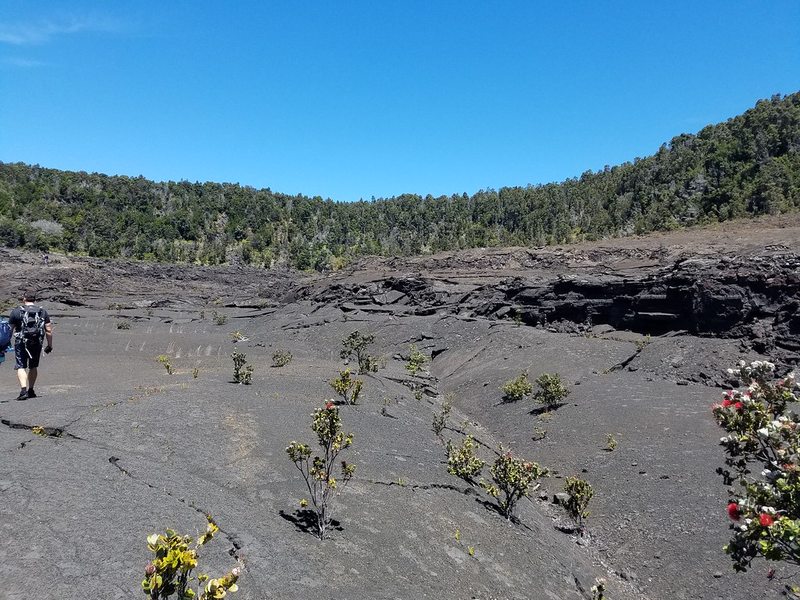
First Impressions: What Surprises Travelers Most About Mount Bisoke
Mount Bisoke rises within Rwanda’s Volcanoes National Park, one of five volcanoes forming the Virunga chain shared between Rwanda, Uganda, and the Democratic Republic of Congo, and a day hike to its crater lake ranks among the most popular non-gorilla activities in the park. Travelers arrive with a general sense of what to expect from an active volcano hike, but Bisoke consistently delivers a handful of genuine surprises that even well-researched visitors don’t fully anticipate until they’re standing on the trail.
The Climb Is More Physically Demanding Than Photos Suggest
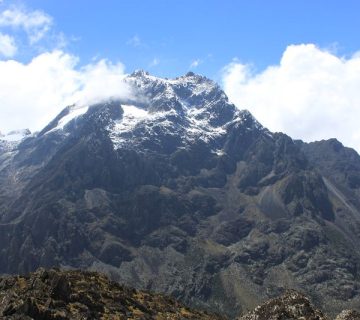
Reaching Bisoke’s 3,711-meter summit involves a steep, often muddy ascent through dense vegetation that photos of the tranquil crater lake at the top simply don’t convey, and many travelers underestimate how strenuous the four-hour climb actually is until they’re partway up. The altitude alone catches people off guard, since even reasonably fit hikers notice their breathing labor more than expected as the trail gains elevation through changing vegetation zones.
How Quickly the Vegetation Changes
One of the most commonly mentioned surprises is how dramatically the landscape transforms during the ascent, moving from bamboo forest at lower elevations through dense Hagenia woodland into a stark alpine zone near the summit, all within a single day’s hike. This compressed progression through multiple ecosystems, something that would normally require traveling vast distances in latitude, genuinely surprises travelers expecting a more uniform forest environment throughout.
The Crater Lake Itself
After hours of demanding, muddy climbing, many travelers describe the crater lake at Bisoke’s summit as smaller and quieter than they imagined, a still, often misty body of water cradled within the volcano’s caldera rather than a dramatic scenic overlook. This understated payoff surprises visitors who expected something more visually dramatic, though most describe the sense of achievement and the eerie stillness of the summit as more memorable than the lake’s visual scale.
Mud Is a Bigger Factor Than Expected
Even during the officially designated dry season, Bisoke’s trail retains significant mud given the volcano’s high rainfall and dense vegetation, and travelers who packed light hiking shoes rather than proper waterproof boots are consistently surprised by how much this affects their comfort and pace. Renting gaiters or waterproof boots locally, something many first-time visitors don’t realize is available until they arrive, becomes an unexpectedly important decision.
Porters Are More Than a Convenience
Many travelers arrive assuming a porter is an optional add-on for those needing extra help, only to discover partway up the mountain that a local porter’s trail knowledge, physical support on the steepest muddy sections, and simple encouragement genuinely change the experience. Hiring a porter also puts money directly into the local community around Volcanoes National Park, a detail that resonates with many visitors once they understand the broader economic context.
The Weather Changes Faster Than Anticipated
Bisoke’s summit region can shift from clear visibility to thick cloud cover within minutes, and travelers frequently express surprise at how quickly conditions change compared to the weather patterns they experienced lower on the mountain or elsewhere in Rwanda. This unpredictability is precisely why guides insist on proper rain gear regardless of how the day starts, advice that surprised-but-grateful hikers often mention appreciating by the time they reach the top.
Encountering Golden Monkeys and Other Wildlife
While Bisoke isn’t primarily marketed as a wildlife activity, travelers are often pleasantly surprised by golden monkey sightings, various forest birds, and occasionally buffalo tracks along the lower sections of the trail. This unexpected wildlife layered onto what many assumed would be a purely scenery-focused hike adds a dimension that surprises visitors who came prepared only for a physical challenge and a view.
How Physically Different It Feels From Gorilla Trekking
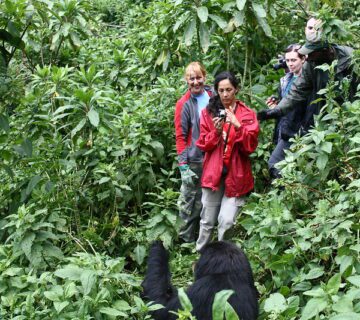
Travelers who have also done gorilla trekking in the same park often comment on how much more sustained and aerobically demanding the Bisoke climb feels compared to gorilla trekking, where pace is dictated by ranger radio updates on the gorilla group’s location rather than a fixed, continuous ascent. This comparison surprises visitors who assumed both activities would feel similarly paced simply because they take place in the same park.
The Sense of Accomplishment at the Summit
Despite the crater lake’s understated visual payoff, an overwhelming number of travelers describe an unexpectedly strong sense of personal accomplishment upon reaching Bisoke’s summit, often stronger than they anticipated feeling before the climb. This emotional response, arriving somewhat independently of the view itself, is one of the most consistently mentioned surprises among travelers reflecting on their Volcanoes National Park experience afterward.
How Cold It Gets Near the Summit
Rwanda’s equatorial location leads many travelers to underpack for cold weather, and the temperature drop near Bisoke’s summit, particularly when wind and mist combine, surprises visitors who associate the country primarily with warm, tropical conditions. Layered clothing, including a genuine warm layer beyond a light jacket, turns out to matter far more than most first-time visitors expect before they experience the summit conditions firsthand.
The Permit and Group Structure
Bisoke hikes operate with a similar permit and briefing structure to gorilla trekking, including an early morning start from park headquarters at Kinigi and a maximum group size, and travelers unfamiliar with this system are sometimes surprised at how organized and regulated the activity feels compared to a more casual, self-directed hike they might have experienced elsewhere.
Comparing Notes With Other Volcanoes National Park Visitors
Many travelers who climb Bisoke as part of a broader Rwanda itinerary that also includes gorilla trekking find themselves comparing the two experiences afterward, and the general consensus tends to favor gorilla trekking for pure wildlife wonder while ranking Bisoke higher for physical challenge and a genuine sense of summiting something. Knowing this going in helps set realistic expectations for what each activity actually delivers.
The Shared Trailhead With Gorilla Trekking Groups
Bisoke hikers depart from the same Kinigi park headquarters used for gorilla trekking, and travelers are sometimes surprised by the buzz of activity at the briefing area each morning, with multiple groups heading toward different destinations within the same park simultaneously. This shared infrastructure means the early morning atmosphere at Kinigi feels more like a small operations hub than the quiet, solitary start many expect before a volcano hike.
How the Descent Differs From the Climb
Many first-time Bisoke hikers focus their mental preparation entirely on the ascent, only to discover that the roughly two-hour descent presents its own distinct challenge, particularly on muddy sections where downhill momentum combined with slippery footing demands careful, deliberate steps. Trekking poles, whether personal or rented locally, prove unexpectedly valuable during this descent phase, something many travelers wish they’d arranged before starting the hike rather than partway through it.
Combining Bisoke With the Broader Volcanoes National Park Experience
Travelers who dedicate multiple days to Volcanoes National Park, combining Bisoke with gorilla trekking and perhaps a golden monkey tracking excursion, often find each activity illuminates a different facet of the same volcanic landscape, from the primates living within it to the raw geology forming its foundation. This layered understanding of the park, built across several distinct activities, tends to surprise travelers who initially planned only a single-day visit.
What to Pack Based on What Actually Surprises People
Given how consistently the mud, cold, and physical demands of Bisoke catch travelers off guard, the most useful packing list prioritizes waterproof, ankle-supporting boots, a genuine warm layer beyond a light fleece, gardening gloves for gripping vegetation on steep sections, and a rain jacket regardless of how the morning weather looks at departure. Travelers who arrive with this list already assembled, rather than discovering the gaps mid-climb, consistently report a noticeably smoother experience.
Talking to Previous Hikers Before You Go
Reading firsthand accounts from travelers who have recently completed the Bisoke hike, rather than relying solely on official park descriptions, tends to surface exactly these kinds of practical surprises well before you’re standing at the trailhead. Tour operators experienced with Volcanoes National Park can also share recent, specific feedback about current trail conditions that a general guidebook description simply can’t capture.
Why First Impressions Vary by Season and Personal Fitness
It’s worth noting that the specific surprises a traveler experiences on Bisoke vary considerably based on personal fitness level and the season of their visit, with rainy season hikers facing amplified mud challenges while dry season visitors more often mention dust and heat as their unexpected factor instead. Reading a range of first-hand accounts rather than a single trip report gives a more complete, realistic picture of what to expect.
Why Setting Expectations Early Matters Most
Ultimately, the travelers who report the most positive Bisoke experiences tend to be those who arrived with accurate, specific expectations rather than a vague sense of “volcano hike,” and this article’s goal is precisely to close that gap before you book. A little honest preparation transforms Bisoke’s genuine surprises from frustrations into simply part of an already memorable day.
Planning Your Mount Bisoke Hike
Bisoke rewards travelers who arrive prepared for a genuinely demanding climb rather than a leisurely scenic walk. All in Africa Safaris can arrange your Mount Bisoke hike alongside gorilla trekking in Volcanoes National Park, or you can get in touch to plan the details of your Rwanda itinerary.


No comment