
Photography Tips for Capturing Quad Biking in Akagera National Park
If you’ve searched for quad biking inside Akagera National Park itself, it’s worth clarifying upfront: Rwanda’s only savannah park is managed as a Big Five wildlife destination, with activities centered on game drives, boat safaris on Lake Ihema, guided walking safaris, and night drives, and quad biking is not currently offered as an activity within the park’s boundaries. Rwanda’s quad biking scene is instead based around Lake Kivu, particularly near Rubavu, where operators run guided quad tours through the surrounding hills and lakeside trails. That said, if you’re planning both a quad biking adventure and an Akagera safari as part of the same Rwanda trip, the photography principles below apply well to both, and this guide covers how to get strong images from whichever combination you choose.
Photographing Quad Biking Near Lake Kivu
Quad biking tours around Rubavu typically move through a mix of open hillside trails, lakeside paths, and small rural communities, giving photographers a genuinely varied backdrop compared to the more uniform savannah setting of a typical game drive. A wide-angle lens works well here, capturing the scale of the rolling volcanic landscape and Lake Kivu’s water in the background while the rider and quad bike occupy the foreground.
Shutter Speed for Motion and Dust
Quad bikes moving across dirt trails kick up visible dust, and this can actually work in your favor photographically if you use it deliberately: a moderately fast shutter speed around 1/500s to 1/1000s freezes the rider crisply while still showing dust trailing behind, conveying a strong sense of speed and movement. Panning shots, where you track the moving quad bike with your camera at a slower shutter speed around 1/60s to 1/125s, blur the background into motion streaks while keeping the rider relatively sharp, a classic technique for conveying action in a single frame.
Composition for Action Shots
Positioning yourself slightly ahead of or beside the trail, rather than directly behind a moving quad bike, gives you a far more dynamic angle than a straight rear-view shot, and getting low to the ground exaggerates the sense of speed and terrain the rider is navigating. Leaving room in the frame in the direction the rider is traveling, rather than centering them tightly, generally produces a more natural, engaging composition than a dead-center shot.
Golden Hour Light Around Lake Kivu
Early morning and late afternoon light around Lake Kivu produces warm, low-angle sunlight that flatters both the landscape and the riders, while midday sun tends to create harsh shadows under helmets and flatten the volcanic hills into less interesting shapes. Scheduling a quad biking session for early morning also tends to mean cooler, more comfortable riding conditions, which works in your favor as a photographer trying to capture genuine smiles rather than heat-fatigued grimaces.
Photographing Akagera’s Wildlife Instead
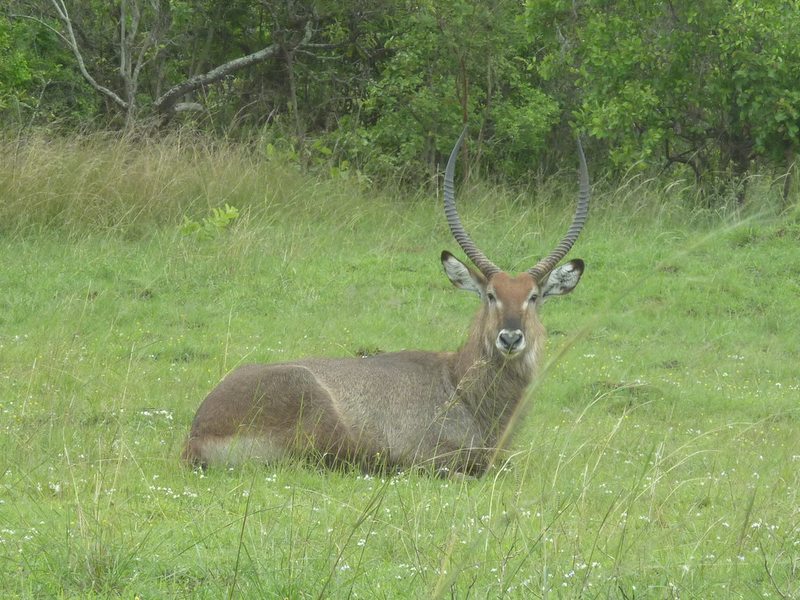
If your Rwanda itinerary centers on Akagera rather than quad biking, the park rewards a more patient, wildlife-focused approach: a telephoto lens in the 200-400mm range suits the open savannah environment well, letting you photograph lions, elephants, and the park’s reintroduced rhinos from a safe, appropriate distance without disturbing them. Akagera’s savannah light is generally more consistent and predictable than a forest environment, giving photographers reliable golden-hour conditions during the first and last hours of daylight game drives.
Boat Safari Photography on Lake Ihema
Akagera’s boat safaris on Lake Ihema offer a different photographic opportunity entirely, bringing you close to hippos, crocodiles, and abundant water birds from a stable, low vantage point on the water. A mid-range zoom lens works well here, since distances to wildlife along the shoreline vary considerably, and a faster shutter speed helps counteract the slight, constant movement of the boat itself.
Camera Settings for Akagera’s Open Savannah
Unlike Kibale’s dim forest canopy, Akagera’s savannah offers abundant light for most of the day, meaning you can generally shoot at lower ISO settings, typically 100 to 800, while maintaining fast shutter speeds for action, and a mid-range aperture around f/5.6 to f/8 keeps both foreground wildlife and background landscape reasonably sharp. Dust and heat haze can affect image clarity during the hottest midday hours, another reason experienced photographers favor early morning and late afternoon game drives.
Practical Gear Considerations for Both Activities
Whether you’re photographing quad biking near Lake Kivu or wildlife inside Akagera, dust protection for your camera gear matters considerably in both settings, and a simple rain cover or dry bag doubles as effective dust protection when trails or roads are dry. A spare memory card and battery are worth carrying regardless of activity, since both quad biking excursions and full-day game drives can run longer than expected once you’re absorbed in the experience.
Building Both Activities Into One Rwanda Itinerary
Many travelers combine an Akagera safari with time near Lake Kivu as part of a broader Rwanda circuit, giving photographers the chance to capture both wildlife images and adventure action shots within a single trip. Planning your route so that Akagera’s early morning game drives and Lake Kivu’s quad biking sessions both fall during optimal light windows takes a bit of itinerary coordination, but it’s well worth arranging in advance.
Why This Kind of Mismatch Shows Up in Travel Searches
Search queries pairing a specific activity with a specific park are common precisely because travelers researching a Rwanda trip often aren’t yet sure which activities are available where, and it’s genuinely useful to get a clear, honest answer rather than content written to simply match the search phrase regardless of accuracy. Akagera’s own activity list has actually expanded meaningfully in recent years as the park’s Big Five status was restored through lion and rhino reintroduction programs, and its focus has understandably remained on wildlife-based experiences rather than adventure sports like quad biking.
Planning Logistics Between Akagera and Lake Kivu
Akagera sits in eastern Rwanda near the Tanzanian border, while Lake Kivu lies to the west along the border with the Democratic Republic of Congo, meaning a trip combining both destinations typically routes through Kigali in between, adding a full day of driving to connect the two regions. Travelers with a week or more in Rwanda can reasonably fit both experiences into one trip, while those with a shorter timeframe may need to choose between prioritizing Akagera’s wildlife or Lake Kivu’s adventure activities and scenery.
Alternative Adventure Activities Within Akagera
For travelers specifically seeking a more active, adrenaline-oriented experience within Akagera itself, guided walking safaris offer a genuine alternative, bringing visitors on foot through areas of the park where vehicle access is limited, accompanied by an armed ranger for safety around larger wildlife. Night game drives are another distinctive Akagera activity, revealing nocturnal species like leopards, genets, and various nightjars that daytime visitors rarely encounter, offering its own kind of adventure distinct from anything Lake Kivu’s quad trails provide.
Choosing the Right Camera Bag for a Two-Activity Trip
Packing for a trip that includes both Akagera’s dusty savannah roads and Lake Kivu’s quad trails means your camera gear faces two distinct environmental challenges within a short span of days, and a single well-padded, weather-resistant bag with easy access for quick shots serves both settings better than switching equipment setups between destinations. A soft lens wrap for your telephoto lens during Akagera game drives, combined with a secure strap system for keeping your camera stable while riding along on a quad-adjacent support vehicle near Lake Kivu, covers the practical needs of both activities without requiring separate specialized gear for each.
The Bottom Line for Photographers
Whether you end up chasing action shots on Rwanda’s Lake Kivu trails, patient wildlife images across Akagera’s savannah, or both within one well-planned trip, the core photography skills of reading light, choosing the right shutter speed for your subject’s movement, and composing with intention carry across every setting. Rwanda’s compact size makes combining genuinely different photographic experiences within a single trip more realistic than in many larger safari destinations, rewarding photographers willing to plan a slightly more varied itinerary.
Editing Photos From Both Environments
Post-processing images from Akagera’s warm, savannah-toned light differs somewhat from editing Lake Kivu’s cooler, volcanic-hill palette, and keeping a consistent editing style across both sets of images, rather than treating them as entirely separate projects, helps a combined trip gallery feel cohesive when you share it afterward. Slightly boosting warmth and contrast tends to suit Akagera’s golden savannah images, while Lake Kivu’s greener, water-heavy scenes often benefit from more careful white balance correction given the mix of overcast and bright conditions common in that region.
When to Book Each Activity
Akagera game drives can generally be arranged with relatively short notice through the park’s own booking system, while Lake Kivu quad biking tours, particularly during peak Rwanda travel season, benefit from advance booking given limited operator capacity around Rubavu. Building both into a single itinerary works best when planned several weeks ahead rather than improvised once you’re already in the country, since coordinating transport between the two regions adds a layer of logistics worth settling in advance.
Planning Your Rwanda Photography Trip
Whether you’re chasing wildlife in Akagera or action shots near Lake Kivu, the right light and settings make all the difference. All in Africa Safaris can build a Rwanda itinerary that combines Akagera’s Big Five safari with a Lake Kivu quad biking excursion, or you can get in touch to plan the details around your photography goals.

No comment