
Cultural Etiquette Tips for Visiting the Ruhija Sector
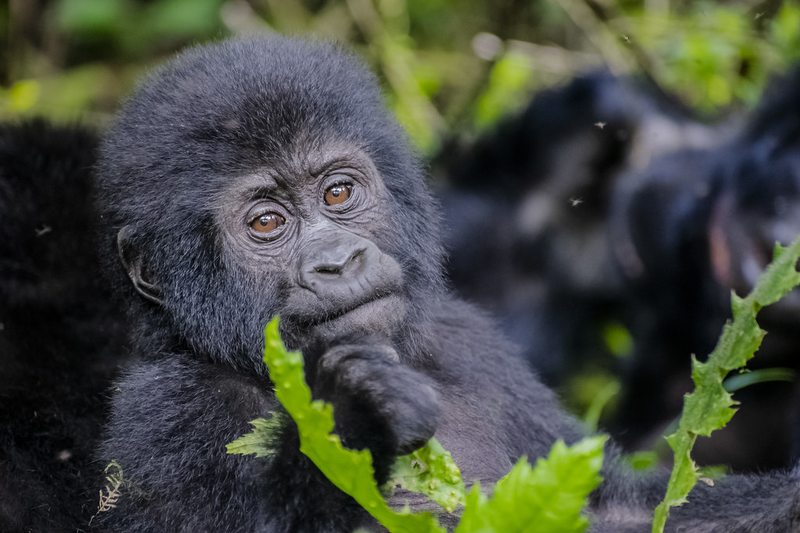
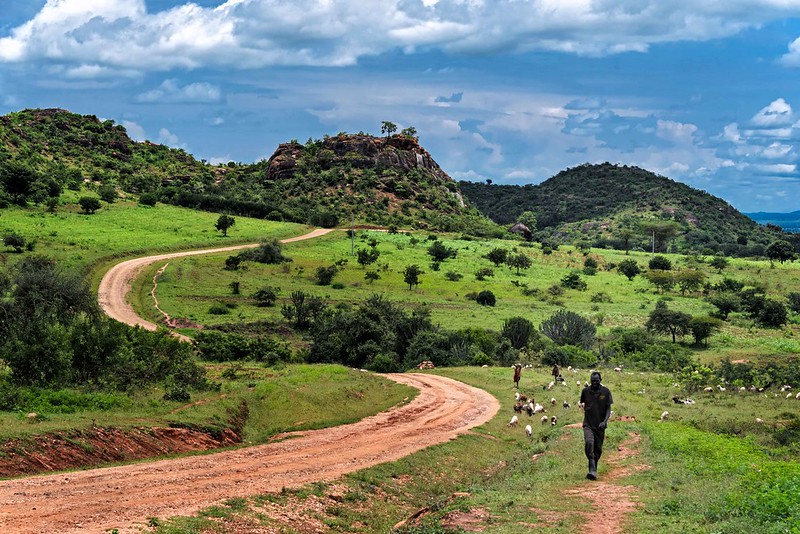
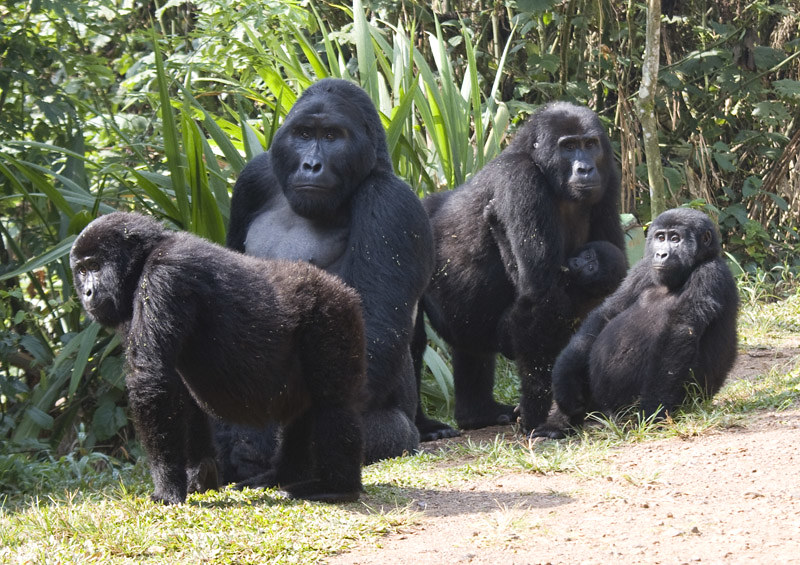
The Ruhija sector sits on the eastern edge of Bwindi Impenetrable National Park, perched at Uganda’s highest gorilla trekking altitude and known for the Bitukura and Oruzogo gorilla families as well as excellent birding around Mubwindi Swamp. Beyond the trekking itself, Ruhija is home to local Bakiga communities and, nearby, Batwa families whose ancestors lived in the forest before it became a protected park, and understanding a few cultural expectations before you arrive makes for a far more respectful and rewarding visit.
Greetings Matter More Than You Might Expect
A warm, unhurried greeting is genuinely important in Ugandan rural culture, and taking a moment to greet someone properly before launching into a question or request is noticed and appreciated. A simple “Oraire ota” (good morning) or “Agandi” (how are you) in the local Rukiga language, even pronounced imperfectly, tends to be met with genuine warmth, and locals are generally happy to teach visitors a phrase or two if you show interest.
Dress Modestly in Village Settings
While trekking gear is entirely appropriate on the forest trails themselves, dressing modestly when visiting the village or interacting with community members around Ruhija is respectful of local norms, particularly for women. Covering shoulders and knees, especially during community visits or when stopping in local trading centers, is a small adjustment that goes a long way toward showing respect for the community you’re visiting.
Ask Before Photographing People
Always ask permission before photographing local residents, and understand that some people, particularly Batwa community members who have historically been photographed without consent by visitors treating them as a spectacle, may prefer not to be photographed at all. A polite request, even through gesture if there’s a language barrier, is the standard expectation, and accepting a “no” gracefully matters as much as asking in the first place.
Tipping Rangers, Guides, and Porters
Tipping is customary and genuinely appreciated for the ranger guides, trackers, and porters who make gorilla trekking possible, and hiring a local porter, even if you feel physically capable of carrying your own bag, is a widely encouraged way to put money directly into the local community rather than only into park fees and lodge bills. Many trekkers set aside a fixed daily tipping budget in Ugandan shillings specifically for this purpose, distributed at the end of the trek based on the service received.
Follow Ranger Instructions During Briefings
Every gorilla trek begins with a safety and etiquette briefing from your head ranger, covering distance rules, noise levels, and what to do if a gorilla approaches, and treating this briefing with full attention rather than as a formality is both a safety matter and a sign of respect for the rangers’ expertise. The same etiquette extends to any nature walks or birding excursions in the Ruhija area, where guides carry genuine local knowledge worth listening to closely.
Respecting the Batwa’s Relationship With the Forest
The Batwa people lived within what is now Bwindi Impenetrable National Park for generations before conservation policy relocated them outside its boundaries, and this history is worth understanding before visiting a Batwa cultural experience near Ruhija. Approaching these visits with curiosity and respect for a genuinely difficult history, rather than treating the encounter as simple entertainment, changes the tone of the interaction for the better on both sides.
Buying Crafts and Supporting Local Livelihoods
Purchasing handmade baskets, woven items, or carvings directly from local artisans around Ruhija channels income straight to the people who made them, and taking a genuine interest in how an item was made, rather than simply negotiating the price down as far as possible, is generally received far more warmly by sellers. Bargaining is common practice in Uganda, but doing so with good humor and a sense of fairness matters more here than an aggressive negotiating style would.
Environmental Etiquette on the Trails
Staying on marked trails, carrying out all trash rather than leaving anything behind, and avoiding picking plants or disturbing wildlife beyond the gorillas themselves are all expected norms during any activity in the Ruhija area. Given Bwindi’s status as a UNESCO World Heritage Site and one of the last strongholds of the mountain gorilla, these small individual behaviors collectively matter a great deal to the park’s ongoing conservation.
General Ugandan Etiquette Worth Knowing
Across Uganda more broadly, using your right hand for greetings, eating, and passing items is the polite norm, since the left hand is traditionally associated with personal hygiene tasks. Addressing elders with particular respect, removing hats when entering someone’s home, and accepting offered food or drink graciously, even if you only take a small amount, are all small habits that read as considerate rather than performative once you’re actually in the moment.
Language and Patience
English is widely spoken in tourism contexts throughout Uganda, including around Ruhija, but patience with accents, phrasing, and occasional translation gaps goes a long way toward a smoother, warmer interaction. Guides and community members generally appreciate visitors who ask questions genuinely curious to learn, rather than visitors who arrive with fixed assumptions about what they’re going to see.
Understanding Ruhija’s Place Within Bwindi
Ruhija sits at a notably higher altitude than Bwindi’s other trekking sectors, and this elevation shapes both the cooler climate visitors experience and the particular character of the forest itself, with cloud forest vegetation and excellent birding conditions around Mubwindi Swamp distinguishing it from the lower-altitude Buhoma or Rushaga sectors. Because Ruhija receives somewhat fewer visitors than Bwindi’s more established sectors, communities here have had less exposure to large volumes of tourism, and this makes thoughtful, respectful behavior from visitors particularly meaningful in shaping how the sector’s relationship with tourism continues to develop.
Community-Based Tourism Initiatives Near Ruhija
Several community-based tourism projects operate around Ruhija, offering visitors genuine opportunities to support local income through guided village walks, traditional meal preparation demonstrations, or craft-making sessions rather than passive observation alone. Choosing to book these community experiences through registered local initiatives, rather than informal arrangements, generally ensures that a fairer share of the income reaches the community members actually providing the experience.
Handling Requests for Money or Gifts
Visitors are sometimes approached by children or community members requesting money, sweets, or gifts directly, and while the impulse to give is understandable, many conservation and community organizations discourage this practice because it can inadvertently encourage begging behavior and disrupt normal school attendance patterns among children. Channeling generosity instead through registered community projects, tips to guides and porters, or purchases from local artisans tends to have a more constructive, lasting impact than spontaneous gift-giving on the trail.
Learning a Little History Before You Go
Taking even a small amount of time before your trip to understand Uganda’s broader history, the Buganda and other kingdoms, the colonial period, and the more recent history of conservation policy around Bwindi, gives visitors useful context for conversations that naturally arise during a Ruhija visit. Guides and community members generally respond warmly to visitors who arrive with some baseline understanding rather than a completely blank slate, since it signals genuine interest rather than a purely transactional approach to the visit.
What Ranger Guides Wish Visitors Knew
Ranger guides in Ruhija often mention that the visitors who have the most rewarding experiences are the ones who ask questions throughout the trek rather than treating the guide purely as a photo-taking assistant, since guides carry deep knowledge about individual gorillas’ personalities, forest ecology, and conservation history that most visitors never think to draw out. Arriving with genuine curiosity, and treating your ranger and trackers as knowledgeable experts rather than simply staff facilitating a checklist experience, tends to produce a noticeably warmer, more informative trek for everyone involved.
Bringing These Principles Together
None of these etiquette points require dramatic effort, and most simply come down to treating Ruhija’s communities, rangers, and forest with the same basic respect you’d want shown to your own home and neighbors. Visitors who approach the sector with genuine curiosity, patience, and a willingness to learn consistently report that these small courtesies are what they remember most warmly alongside the gorilla trekking itself.
Weather and Practical Etiquette on Trek Days
Ruhija’s higher altitude brings cooler, often wetter conditions than lower Bwindi sectors, and arriving properly prepared with rain gear and warm layers is itself a form of consideration toward your guides and porters, since a poorly prepared visitor who struggles or falls ill on the trail disrupts the experience for the whole group. Being ready on time for the morning briefing, rather than keeping rangers and fellow trekkers waiting, is a small but genuinely appreciated courtesy that reflects well on visitors generally.
Planning Your Ruhija Sector Visit
A little cultural awareness goes a long way toward making your time in the Ruhija sector feel like genuine connection rather than a transaction. All in Africa Safaris can arrange gorilla trekking and community visits in the Ruhija sector with respectful, well-briefed guides, or you can get in touch to plan your Bwindi itinerary in more detail.

No comment