
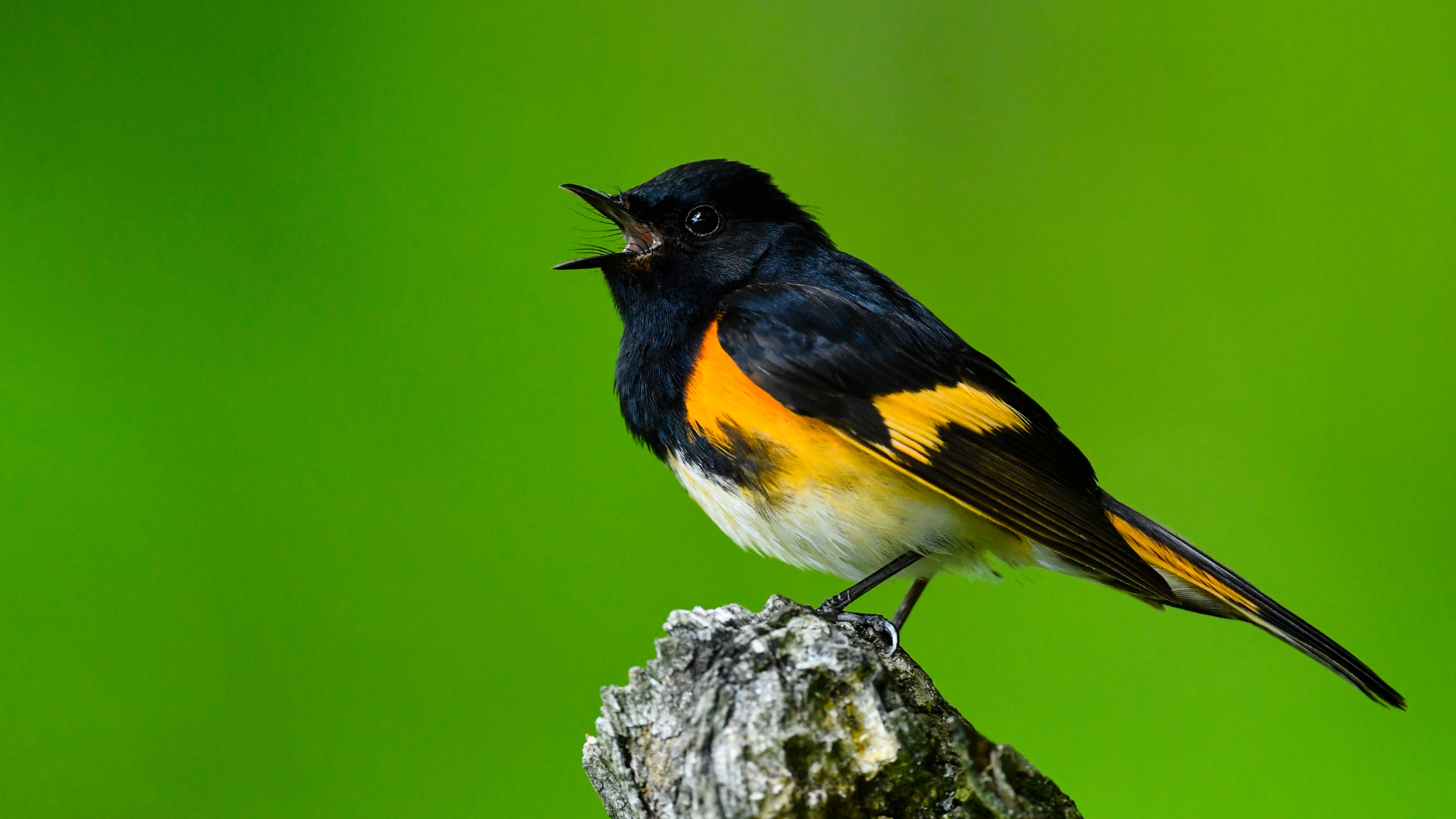
Forest Bird Calls: Learning to Bird by Ear in the Tropics
The tropical forest can feel overwhelming at first. Leaves rustle above me insects hum around my feet distant calls echo through the canopy and birds appear for a few seconds before vanishing into the vegetation. I may hear a whistle from ahead a series of soft notes behind me or a strange metallic sound high in the trees yet see nothing at all. This is where Forest Bird Calls: Learning to Bird by Ear in the Tropics becomes a part of exploring East Africas forests. Of depending entirely on my eyes I begin to understand the forest through sound. Every call becomes a clue. Every repeated note can lead me toward a species hidden among branches and leaves.
Learning to Bird by Ear takes patience. It can change the way you experience tropical forests. In places such as Ugandas Bwindi Impenetrable Forest, Rwandas Nyungwe Forest, Kenyas Kakamega Forest and Tanzanias Eastern Arc Mountains sight is often poor. A bird may be feeding high above you moving through vines or sitting quietly behind broad leaves. Your ears can hear what your eyes cannot. With practice the forest gradually becomes less mysterious. You begin to recognize voices guess where a sound came from and notice small differences between calls that once seemed the same.
Why Birding by Ear Matters in Tropical Forests
forests hold many different birds and many species spend most of their time hidden by plants. Bright feathers do not always make a bird easy to find. Some of the memorable meetings start with a sound instead of a sight. You might hear a turaco calling from the canopy before you find it among leaves or notice the repeated song of a sunbird before you locate the bird among flowering branches.
Sound also helps you understand bird behaviour. A short alarm call may show that a predator is near. Repeated contact calls can show that several birds are moving together through the undergrowth. A territorial song may come from a male defending a place while softer calls can happen between mates or family members. When you learn these differences you are no longer just listening to noise. You are starting to read conversations happening throughout the forest.
For anyone exploring Africa, Forest Bird Calls: Learning to Bird by Ear in the Tropics gives a practical way to find species that are hard to see. It is especially useful, during early morning walks when birds sing the most. The hours after sunrise can bring a wonderful mix of songs, whistles trills, clicks and calls. When the forest looks quiet careful listening can show that it is full of activity.

Learn the Rhythm Before the Species
Many beginners focus much on single notes. Rhythm can be more useful. Imagine hearing a bird that gives a note pauses, then repeats the same pattern several times. Another species may produce a burst of notes with almost no pause. Even when the exact pitch is hard to remember the rhythm may stay clear in your mind.
This is especially helpful when several forest species have vocal qualities. Of asking only “What does this bird sound like?” ask, “How does this bird organize its sounds?” Notice the length of each phrase the number of repetitions and the silence between them.
Recording a bird call can also help. If local conditions allow, use your phone or a small audio recorder to capture examples. You can listen again later. Compare the recording with a trusted bird guide or identification application. The goal is not to record every sound. A few clear examples can become study material.
Use Your Guide as a Set of Ears
A knowledgeable local guide can make a major difference when learning tropical bird calls. Experienced guides often recognize species before they become visible. They may hear a call point toward the correct section of the forest and wait patiently for the bird to appear.
Pay attention to how the guide listens. Does the guide identify the pitch first? Does the guide focus on rhythm? Does the guide know whether a particular species usually calls from the canopy or understory? Learning the guide’s listening process can be as valuable as learning the bird itself.
If you are unsure about a sound ask questions. Of simply asking for the bird’s name ask what feature makes the bird call distinctive. You might learn that the bird repeats a phrase three times begins with a note or has a particular pause at the end. Such information stays in your memory longer than a name
Make Listening Part of Every Forest Walk
The beauty of Forest Bird Calls: Learning to Bird by Ear in the Tropics is that you can practice anywhere. You do not need an expedition or expensive equipment. Spend ten minutes in a garden, woodland, wetland edge or forest trail. Focus entirely on sound.
Choose one morning each week to listen. Find a place and record the bird calls you hear. Write down the time, habitat, weather and approximate location. Later compare your notes with field guides or recordings. After weeks you may notice patterns. Some species call frequently at certain times while others become active after rainfall or during particular seasons.
This habit also teaches patience. You may spend minutes listening to a bird without seeing it. That is not a failed encounter. You have still learned something about the bird’s presence, behavior and habitat. Eventually your ears may guide your eyes to the branch where the bird is sitting.
From Confusion to Recognition
At the beginning tropical bird calls can sound like one wall of noise. That is normal. Your brain needs time to separate the layers. Do not become discouraged when you cannot identify a sound immediately.
Progress often happens quietly. One morning a familiar whistle suddenly stands out from everything. Later you recognize a species, from two notes. Eventually you hear a bird call. Instinctively know which direction to look. These moments are deeply rewarding because they show that your listening skills are developing.
You can make progress faster by revisiting the places. Familiar habitats give you repeated opportunities to hear the species. A forest trail walked times can become a natural classroom. You begin to recognize the voices and notice unfamiliar sounds entering the soundscape.
Discovering East Africa Through Sound
East Africa gives chances to grow these skills. Ugandas forests hold a variety of forest birds. Rwandas Nyungwe forest lets you hear species from the Albertine Rift. Kenyas Kakamega Forest is another spot for listening especially early in the morning. Tanzanias mountain forests bring their special set of calls.
Every habitat has its sound style. A lowland forest can feel warmer and full of insects. A high‑altitude forest can feel quieter marked by bird songs. Wet weather can change how far sounds go. Wind can make it harder to tell sounds apart. These differences push you to listen instead of sticking to one single method.
The time you spend listening the stronger your bond grows with the places you visit. You start to notice when the forest wakes, when activity slows and when different species take turns calling. Forest Bird Calls: Learning to Bird by Ear in the Tropics shifts from memorizing recordings to building a relationship with the living landscape around you.
Let Your Ears Lead the Way
Learning to identify birds by sound is a skill that grows with repetition, curiosity and patience. Mistakes will happen. Similar calls may be confused. Sometimes a beautiful song will lead you through the forest only to find the bird has moved before you arrive. Those moments are part of learning.
Keep listening. Learn a few calls each time. Study rhythm, pitch, repetition and location. Work with guides and revisit familiar habitats whenever possible. Important allow yourself to enjoy the sounds before you know their names.
With time Forest Bird Calls: Learning to Bird by Ear in the Tropics can change how you explore forests. The canopy feels more alive hidden birds become easier to understand and ordinary walks turn into chances, for discovery. You may still look for the visual sighting but you will no longer rely on just one. Often the unforgettable bird encounter starts with a sound you recognize before the bird appears.






No comment