
Ten Tips for Better Bird Photography in East Africa
East Africa gives some of the chances for bird photography in the world. From Uganda wetlands and forests to Kenya savannas from Tanzania parks to Rwanda mountain scenes East Africa holds many species. You may see sunbirds eating flowers, bright turacos flying through forest canopies flamingos gathering on salty lakes and strong raptors perched on high branches. Every landscape offers a photography challenge and every bird encounter lets you share a story with your camera.
Excellent bird photography is rarely about having the expensive camera. Patience, preparation, knowledge of bird behavior and skill with light are usually more important than equipment cost. If you plan a birding trip through East Africa these practical tips can help you bring home sharper meaningful images.
1. Learn About the Birds Before Your Trip
One of the useful steps is learning about target species before you go into the field. Study where each bird lives what it eats, when it is most active and how it behaves while feeding, calling, resting or displaying.
For example a shoebill in Uganda may stay still for periods before suddenly striking at prey. A kingfisher may keep returning to the branch after diving into water. Weaverbirds can move quickly around colonies while raptors may spend long times scanning the ground before taking flight.
Understanding these patterns helps you anticipate action of merely reacting. Knowledge of bird behavior can give you a few seconds to set focus and compose your shot.
Know Your Subject
Carry a field guide or bird identification app and spend time learning species you hope to photograph. Knowing each species preferred habitats can also help your guide plan locations and times.
2. Make the Most of Early Morning Light
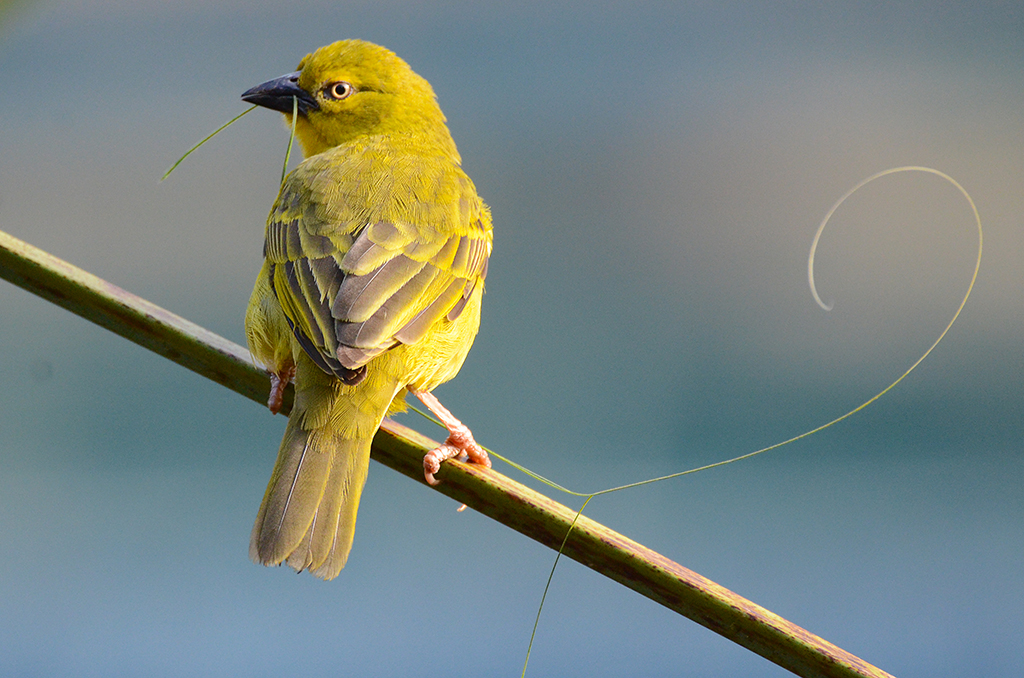
Early morning is often one of the times for bird photography in East Africa. Light is softer temperatures are cooler and many birds feed actively after sunrise. These conditions can produce colors and natural shadows.
Morning light can also make feathers look more detailed. Of harsh overhead sun you usually get warm light from a lower angle. This gives images depth while keeping details, in white, black and bright feathers.
Arriving before birds become highly active gives another advantage. You can settle into position check camera settings and observe the area before the interesting behavior begins.
Use a Fast Shutter Speed for Action
Birds almost never stay still for long. Even if a bird is sitting quietly that bird might suddenly fly away shake its feathers or move its head. If you use a shutter speed you might turn a great moment into a blurry photograph.
If you are shooting birds that are perched a shutter speed of around 1/1000 second is a place to start especially if you are using a long telephoto lens. If you want to catch birds in flight or birds doing things you might need 1/1600, 1/2000 or even faster.
Your exact settings will change based on the light, your lens and how much the bird is moving. Most modern cameras let you turn up the ISO when you need to. Do not be afraid to have a bit of digital noise if it means you get a sharp image.
4. Focus on the Eye
The eye is often the important part of any bird photograph. Even if the rest of the picture is sharp a bird photograph can feel weak if the birds eye is not in focus.
Use the animal or bird eye-detection autofocus on your camera if your gear has it. If not pick an autofocus point and aim carefully at the head. When you are shooting birds in flight using autofocus can help you keep the bird in focus while the bird moves across the frame.
A sharp eye makes a bird photograph feel alive. It also helps people connect with the bird of just seeing the bird as part of the trees or grass.
Watch the Background
A beautiful bird can get lost if the background is too busy. Before you press the button look at what’s behind your subject. You can move a steps change the angle you are shooting from or just wait for the bird to move to get a much cleaner image.
5. Keep Your Equipment Simple and Reliable
You do not need a pile of gear to take good bird photographs. Having a camera with autofocus and a telephoto lens is usually all you need.
A lens between 400mm and 600mm is very helpful for birds that’re far away. A sturdy monopod can help your arms from getting tired during days and it helps you move fast. Always bring batteries and memory cards and keep your gear away from dust, water or rain.
Before you go out practice using your camera controls without looking. You should be able to change your shutter speed ISO, autofocus settings and exposure compensation quickly.
6. Respect Distance and Bird Behavior
Good bird photography should never hurt the animal. Do not chase birds do not get too close to nests do not make loud noises to get a bird to look at you and do not mess with how birds eat or breed.
Using a lens lets you take bird photographs from a distance that respects the bird. This is very important near nests, wetlands, breeding colonies or birds in the forest.
If you see that a bird is getting stressed because you are there please move away. A missed bird photograph is not as important as keeping the bird and its home safe.
7. Use Your Guides Local Knowledge
Local guides who know the area can really help your bird photography. They often know where to find certain birds and can hear bird calls or see movement that you might miss.
In Uganda for example a guide can be very helpful when you are looking through wetlands, forests, lakeshores and protected areas. In Kenya and Tanzania guides can show you the spots across the big savanna. In Rwanda forest guides can help you find birds that hide high up in the trees.
Tell your guide what kind of bird photographs you want to take. If you want shots of birds flying, portraits or birds acting natural let them know. Talking to each other helps you work better as a team.
8. Photograph More Than Birds Sitting Still
Taking portraits is nice. Bird photography gets much more exciting when you catch birds doing things. Look for birds feeding birds courting, birds fighting for space birds bathing, birds cleaning feathers, birds flying birds hunting or birds interacting with each other.
A fish eagle catching food from the water tells a better story than a bird just sitting on a branch. Seeing a pair of birds feeding their chicks shows how bird families live. Seeing flamingos moving together across a lake shows how big a wetland really is.
Try using shooting when you see action starting. You can take pictures in just one second, which gives you a better chance of getting the perfect wing position or expression.
9. Compose With the Environment
Do not always try to fill the frame with just the bird. Sometimes showing the place where the bird lives tells a story.
A sunbird near some flowers a heron by a wetland or a raptor above the savanna can make the picture feel much stronger. If you are shooting a bird in flight leave some space in front of the bird so it looks like the bird has room to move through the frame.
Try taking pictures both vertically. Look at the branches the grass, the water or the mountains to help tell your story.
This way of shooting is great when you are photographing the habitats, in East Africa. Your bird photographs can show people that protecting birds also means protecting the land they live on.
10. Be Patient and Keep Practicing
The lesson is simple: patience improves photographs. I might spend an hour watching a bird. Not capture the image I imagined. Then in a seconds the bird may spread its wings call, take flight or catch prey.
Of becoming frustrated use quiet periods to observe. Study the birds movements. Predict what might happen next. The time you spend in the field the better you become at recognizing these moments.
Do not judge your progress by the number of spectacular photographs you bring home. Every outing teaches you something about light, focus, composition, behavior and timing.
Turning Memories Into Meaningful Images
Ten Tips for Better Bird Photography in East Africa can help you approach photography with confidence but your best results will come from combining technical knowledge with genuine curiosity. I have found that a camera records an instant while your choices determine the story that instant tells.
East Africa gives you opportunities to practice. You can photograph wetland species at sunrise forest birds beneath canopies colorful species around gardens and dramatic raptors over open landscapes. I have seen that each location presents light, weather, backgrounds and behavior.
The memorable photographs often come from moments you could not have planned perfectly. I have seen a bird suddenly taking flight sunlight breaking through clouds two species interacting or a quiet bird appearing through vegetation and these moments can transform a morning into something unforgettable.
Build Your Skills One Photograph at a Time
Ten Tips for Better Bird Photography in East Africa should therefore be treated as a starting point than a strict formula. Experiment with shutter speeds try compositions study your results and learn from photographs that did not work. I have found that practice is key.
Review your images after every outing. Ask yourself whether the eye is sharp whether the background is distracting, whether the exposure is correct and whether the photograph communicates something about the bird. I have found that small improvements accumulate quickly when you practice regularly.
Importantly allow yourself time to enjoy the experience. You are photographing living creatures in some of Africas remarkable landscapes. Put the camera down occasionally. Simply watch.
Let Photography Support Conservation
Bird photography can also encourage appreciation for conservation. A compelling photograph can introduce someone to a species they have never seen inspire interest in wetlands or forests and encourage people to value protected habitats.
When you photograph responsibly you become part of an effort to celebrate East Africas natural heritage without disturbing it. Share your images with species information support responsible conservation projects and encourage others to protect important habitats.
Ten Tips for Better Bird Photography in East Africa ultimately comes down to preparation, patience, respect and practice. You do not need every piece of equipment or perfect conditions. You need time in nature an understanding of your subject and the willingness to keep learning.
With each sunrise, forest trail, wetland excursion and savanna drive you have another chance to improve. The photograph you take tomorrow may be sharper, more expressive and more powerful, than the one captured today. Keep observing keep practicing and let East Africas extraordinary birdlife give you stories worth preserving.

No comment