
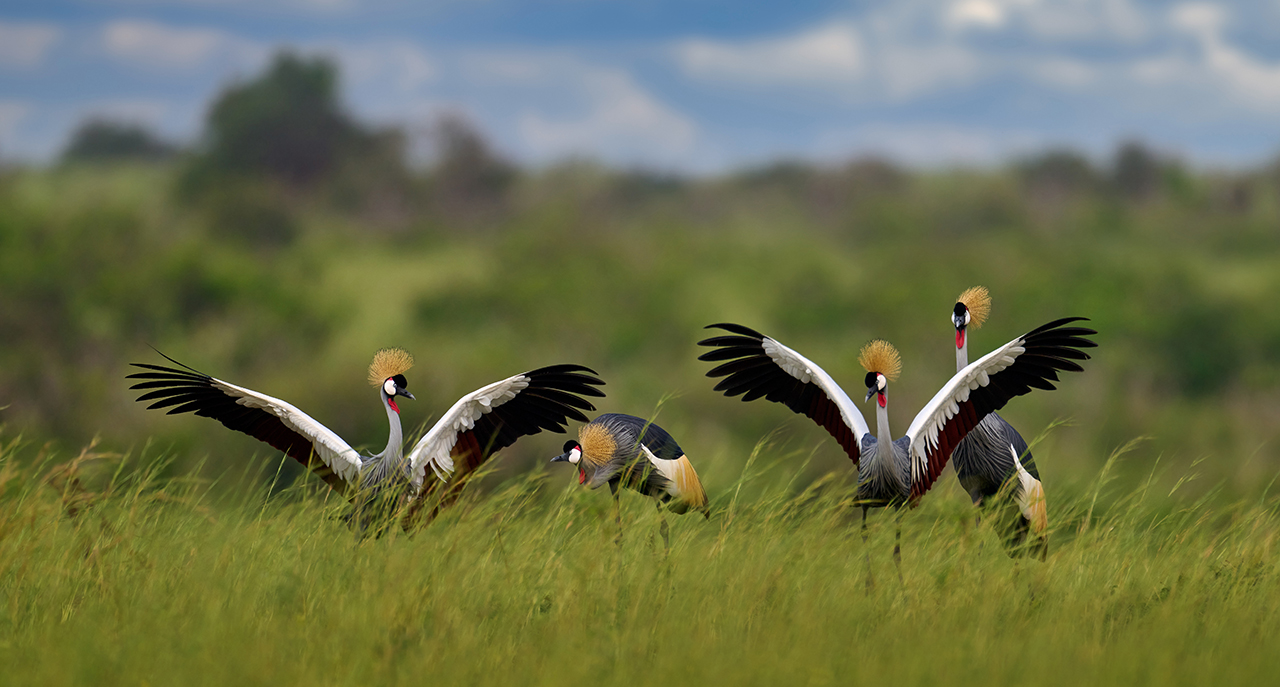
Local Communities and Bird Conservation: Success Stories from Uganda
Ugandas landscapes host remarkable bird species, from the famous shoebill of wetlands to colourful turacos, kingfishers and forest specialists that live in Ugandas protected areas. Behind conservation achievements are the people who live closest to these natural habitats. Their daily choices, knowledge and commitment to protecting wildlife have become a powerful force in preserving Ugandas birdlife.
Local Communities and Bird Conservation: Success Stories from Uganda shows how conservation becomes stronger when communities are partners. Across regions people have moved from merely living near important bird habitats to becoming guardians of forests, wetlands and wildlife areas. These efforts prove that protecting birds is not about creating protected areas but also about supporting the people who share these spaces.
How Communities Became Partners in Protecting Uganda’s Birds
In Uganda for years conservation projects focused mainly on government agencies and international organisations. While these groups played a role long‑term protection depended on cooperation from communities living around forests, lakes and wetlands. When local people understand the value of birds and their habitats they become some of the defenders of nature.
In Uganda many communities have developed ways to benefit from conservation without damaging the environment. Bird‑guiding projects, eco‑tourism activities, tree‑planting programmes and wetland‑protection groups have created opportunities that link conservation with livelihoods. These approaches encourage people to protect areas because healthy ecosystems provide direct benefits.
Protecting Wetlands Through Community Action
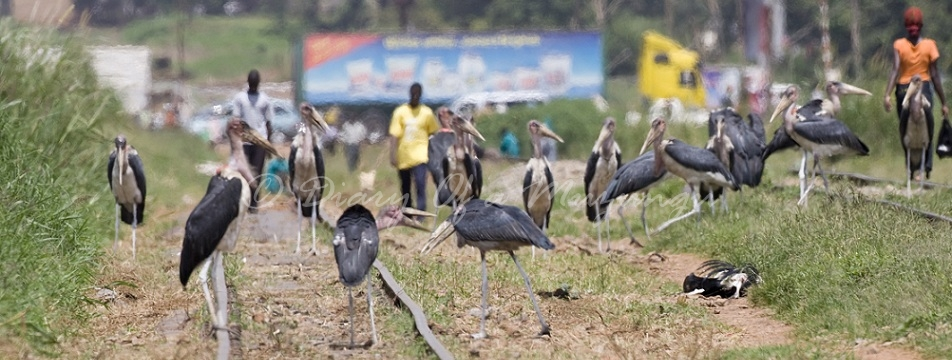
Ugandas wetlands are among the important habitats for birds. Places such as Mabamba Swamp provide shelter for the shoebill and many other waterbird species. Local residents around these wetlands have played a role in protecting these fragile environments by guiding visitors reporting illegal activities and promoting responsible use of natural resources.
Community members who once depended heavily on activities that harmed wetlands have found income through bird tourism and conservation work. Local canoe operators and guides have gained knowledge about bird behaviour, habitat protection and responsible tourism practices. Their connection with the wetlands gives them an understanding of changes, in bird populations and environmental conditions.
These community‑led efforts demonstrate that conservation succeeds when people are given a reason to protect nature. A wetland that supports birds can also support families through activities creating a relationship where both wildlife and communities benefit.
Local Communities and Bird Conservation: Success Stories from Uganda
over Uganda different groups of people have shown that small steps can make a big difference. In places near forests people live close to the trees. Take part in planting trees and fixing habitats. This work helps protect the birds that need natural plants to survive. These efforts help different birds, especially the many birds found within the Albertine Rift region.
Local groups have also helped stop the damage to bird habitats. They do this by teaching ways to farm and stopping things that destroy the land. When farmers use ways to grow food the land stays healthy. Healthy land means birds have a place to eat build nests and fly to new homes.
One big win has been the rise of bird tourism led by people. Local guides now share what they know with visitors who come to Uganda to see all the birds. These local guides know the land the bird calls, when birds move and the secret spots that strangers might miss. This work brings in money. Makes everyone want to keep protecting the natural areas.
The Role of Education in Conservation Success
Education is a part of how bird conservation is working in Uganda. When children and adults learn why birds matter they feel closer to nature. Schools, conservation organisations and community groups have started activities to teach people how to protect wildlife and take care of the earth.
Young people who care about nature can change their families and their towns by sharing what they learn. Simple things like planting trees guarding areas and stopping bad habits can lead to great changes over time.
Bird education also helps people see that birds are more than pretty animals. Birds show us if the environment is healthy or not. If bird numbers change it might mean there is much pollution, habitat destruction or climate problems. So protecting birds really means protecting the world that people need to live.
Building Futures Through Bird Conservation
The way community conservation works in Uganda teaches us a lot for the future. Conservation works better when we listen to the local people and what they know. These communities have lived near these lands for a long time and what they see can help us find better ways to protect nature.
Local Communities and Bird Conservation: Success Stories from Uganda shows a movement where regular people are taking the lead in protecting the earth. From people looking after wetlands to forest guardians and local bird guides Ugandans are proving that protecting nature is a job for everyone.
Many of these community projects also help people make a living. Bird tourism creates jobs for guides people running hotels, drivers and small shops. When visitors come to see the birds, in Uganda they help the economy and give people a reason to keep protecting important bird habitats.
Good tourism is a way to link bird conservation with the daily needs of people. When a community makes money from an environment those people will work even harder to protect those ecosystems for their children.
Challenges Communities Continue to Face
Many success stories exist. Community conservation still faces many challenges. Habitat loss, climate change, illegal activities and limited resources keep threatening Ugandas birds. Communities often need support, training and equipment to continue community conservation work effectively.
Some areas need partnerships between local leaders, conservation groups and government institutions. Long‑term success depends on programmes that respect needs while protecting important habitats.
Supporting communities means investing in education sustainable livelihoods and conservation skills. When communities have the tools and opportunities needed to protect nature communities can create lasting change.
The Future of Uganda’s Bird Conservation Depends on People
The story of Ugandas birds is closely connected to the story of its people. Every protected wetland, restored forest and successful bird tourism project represents cooperation between communities and conservation supporters. These achievements show that ordinary communities can make contributions to protecting wildlife.
Local Communities and Bird Conservation: Success Stories from Uganda continues to inspire conservation efforts by showing that positive change can begin within villages, families and local groups. Protecting Ugandas birds is not about saving individual species; protecting Ugandas birds is about preserving the natural systems that support life.
Everyone can contribute to this journey. Visitors can choose tourism experiences communities can continue protecting their environments and organisations can support local conservation leaders. Even small actions can strengthen the connection between communities and nature.
Uganda’s birdlife represents a natural heritage that deserves protection. The dedication of communities gives hope that future generations will continue to see vibrant wetlands, healthy forests and skies filled with diverse Ugandas birds.
The future of conservation depends on cooperation, respect and shared responsibility. Local Communities and Bird Conservation: Success Stories, from Uganda proves that when communities come together protecting nature becomes an achievement that benefits wildlife and communities alike.

No comment