Why the Shoebill Is Uganda’s Most Wanted Bird Sighting
Uganda is a place for people who like to watch birds. The country has more than 1,000 different kinds of birds. This makes it a wonderful place for people who are just starting to watch birds and for those who have been doing it for a time. There is one bird that stands out from all the others. The Shoebill is a bird that many people want to see when they visit Uganda. They ask why the Shoebill is so special. When they see the Shoebill in the wild, they understand why it is so famous.
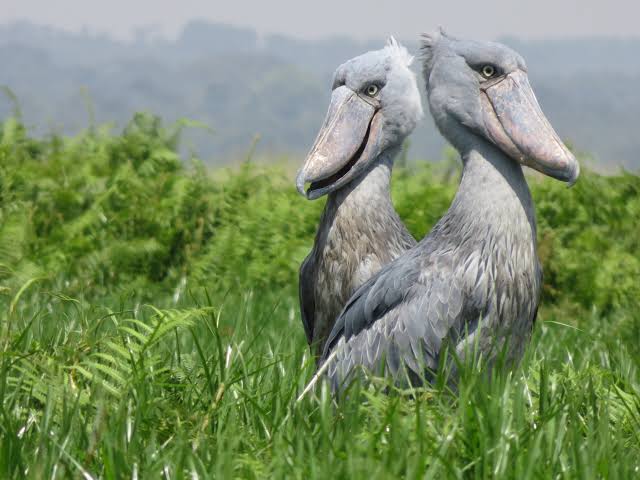
The Shoebill is a unique bird. It has a bill that looks like a shoe. It is very tall. Has sharp eyes. The way it moves is slow and careful. This makes the Shoebill look like it has not changed in millions of years. People who love birds come from around the world to see the Shoebill. Many of them say that seeing the Shoebill is the highlight of their trip.
Uganda is one of the places in the world to see a Shoebill in the wild. The country has wetlands where the Shoebill can live. Some people work hard to protect the Shoebill and its home. The Shoebill is a bird that people want to see. Uganda makes it easy for them to do so. Photographers, researchers, and people who love animals all come to Uganda to see the Shoebill.
Uganda Is One of the World’s Best Places to Find a Shoebill
The Shoebill needs a lot of space to live. It likes to be in wetlands where there are fish and not many people. Uganda has protected areas that are perfect for the Shoebill.
Mabamba Swamp is a place to see the Shoebill. It is near Lake Victoria. Not far from Entebbe. People can take a boat to get to the swamp, and a guide will help them find the Shoebill.
The Nile Delta in Murchison Falls National Park is another place to see the Shoebill. People can drive through the park. Then take a boat to look for the bird.
There are places in Uganda where people can see the Shoebill, like Ziwa Rhino Sanctuary and Queen Elizabeth National Park. Even though people cannot guarantee that they will see the Shoebill, Uganda is one of the places in the world to try.
The Ancient Appearance That Captivates Everyone
A Bird That Looks Frozen in Time
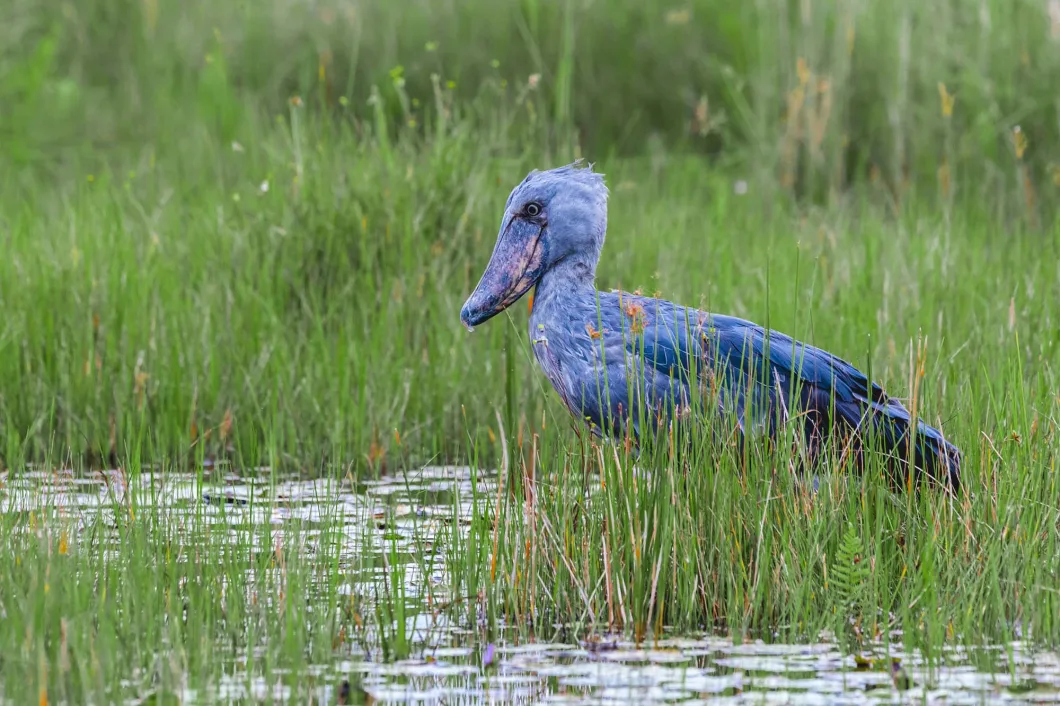
One reason people love the Shoebill is that it looks like a bird from a time ago. It is very tall, up to five feet. Its wings are almost eight feet wide. The Shoebill’s bill is big and gray. It looks like a wooden shoe. The bill has edges that help the Shoebill catch fish.
The Shoebill’s feathers are gray, which helps it blend in with the plants in the wetlands. This makes it hard to see the Shoebill until it moves. When it looks at people, it stares without blinking. The Shoebill moves slowly. Stands up straight, which makes it look like a statue. Many people who take pictures of the Shoebill wait for a time before they realize that the bird has been watching them the whole time. The Shoebill is a special bird and people come from all around the world to see it in Uganda. The Shoebill is a bird that’s worth seeing, and Uganda is the perfect place to do so.
A Patient Hunter With Skill
The shoebill is a very special bird when it comes to hunting. It does not chase its prey like birds that live in the water. Instead, the shoebill is very patient.
The shoebill can stay still for a long time, sometimes twenty minutes or more, just watching the water. Then, when the time is just right, it moves fast and puts its strong beak into the water to catch its prey.
The shoebill likes to eat lungfish, catfish, tilapia, frogs, water snakes, and even young crocodiles. The shoebill’s strong beak makes it easy for it to catch prey that other birds might have trouble with.
Watching the hunt in the wild is a very amazing thing to see. It teaches us about how important it’s to be patient in nature.
Why Birdwatchers Travel Across the World
Some people like to watch birds and keep a list of all the kinds they see. The shoebill is one of the birds that these people want to see the most.
The shoebill does not live in many places; it lives only in some wetlands in East and Central Africa. This makes it very special to see one.
For people who like to take pictures, the shoebill is a fun and challenging bird to photograph. You have to be patient and wait for the moment to take a good picture.
Scientists also study the shoebill in Uganda to learn more about its behavior and how to help protect it.
Wetlands That Make Survival Possible
Healthy Marshes Support Extraordinary Wildlife
The wetlands in Uganda are very important. They help keep the water clean, stop floods, and provide a home for plants and animals.
For the shoebill, the wetlands are essential. The shoebill needs the wetlands to nest, hide, and find food.
So when we help protect the wetlands, we are helping animals, not just the shoebill. We are helping otters, sitatungas, monitor lizards, fish, frogs, butterflies, and many kinds of birds.
People who live near the wetlands are starting to see that tourism can help them and also help protect the environment.
The Best Time to Search
You can go to Uganda to see birds at any time of the year, but the weather can make a difference.
The best time to go is during the seasons from December to February and June to August. It is easier to get to the wetlands and take boat trips during this time.
It is also better to go in the morning when the shoebill is most active. The guides usually start their trips at sunrise when the light is soft, and there are animals around.
You have to be patient, though. Some people see a shoebill away, but others have to wait for a few hours.
The Importance of Local Bird Guides
The guides in Uganda are very helpful when you are trying to see a shoebill. They know the wetlands well and can show you where to find the birds.
They have spent years learning about the birds and can tell you a lot about them. They can also help you see birds, like kingfishers, bee-eaters and herons.
The guides are important for the community too. They help people see that protecting the wetlands is an idea, and they provide jobs for people who live there. This helps people want to protect the wetlands instead of using them for something else.
Conservation Challenges Still Exist
Even though Uganda has chances for seeing the bird, the shoebill is still dealing with big problems when it comes to keeping it safe.
Wetlands are being drained, which makes space for the bird to live. More farming, pollution, uncontrolled burning without control, and illegal fishing are making it hard for the bird to have a place to breed.
Changes in the weather because of climate change are making things more uncertain by changing how much rain falls and how high the water gets in special places where the bird lives.
Some areas have had the bird taken illegally for selling in the wildlife trade, which is making it important to have rules to protect the bird.
Luckily, the government, groups that work to protect nature, local people, and tour companies that do things right are all working together to keep places safe for the bird to live.
Responsible Birdwatching Makes a Difference
People who visit the area are very important in helping to protect the bird.
Keeping a distance from the bird helps the bird feel less stressed and lets it act normally. Watching quietly gives more chances to take pictures than trying to get too close.
Listening to the guide helps protect the plants in the wetlands and stops people from disturbing the places where the bird nests.
Choosing companies that are allowed to take visitors and programs that help the local people makes sure that the money from tourism helps the people who live there and also helps protect the birds’ home.
Every careful person becomes part of the work to keep one of Africa’s special birds safe.
More Than a Birdwatching Experience
Many people come to see the bird to add it to a list of birds they have seen. They often leave with something more important.
Watching the bird stand still in a place makes people slow down and appreciate nature more. Time spent moving through the plants takes the place of busy days and helps people watch more carefully.
The experience makes people remember that amazing animals can still live when their homes are protected. It also shows how protecting nature helps people, and tourism can all work together for the good of everyone.
Pictures can show what the bird looks like. They can’t show the quiet of the wetlands, the waiting before the bird moves, or the joy of finally looking the bird in the eye.
Planning Your Shoebill Adventure
People who come to Uganda can easily add seeing the bird to their trips.
Many people start at Mabamba Swamp after arriving at Entebbe International Airport. Then go to national parks to see the gorillas, the chimpanzees, the animals on a drive or a boat ride, or to learn about the culture.
Bringing binoculars, a camera with a lens, clothes that are not bright, sun protection, water to drink, and bug spray helps make the trip more comfortable when being in the wetlands.
It is a good idea to book guides who know the area before the busy times when many people from around the world come to Uganda to see the bird.
A Wildlife Encounter Worth Waiting For
The excitement about why the shoebill’s the most wanted bird to see in Uganda goes beyond how it looks. The experience mixes patience, keeping the bird safe, adventure, and the chance to see one of Africa’s birds where it really lives.
Each time someone sees the bird shows that the wetlands are healthy, that people are working hard to protect it, that the guides know a lot, and that visitors respect nature. Uganda keeps giving one of the chances on Earth to see this unforgettable bird, making each time feel like something that was earned instead of something that was expected.
For anyone who loves animals, pictures, or real nature experiences, seeing the bird is more than another thing on a trip. It becomes a memory that shows the beauty of Uganda’s nature and the importance of keeping the places where amazing animals still live.