Reedbuck Watching in Queen Elizabeth: The Underrated Antelope
There is a quiet elegance to the reedbuck that most visitors to Queen Elizabeth National Park completely miss. They drive past, eyes fixed on the horizon for elephants or lions, and the reedbuck melts into the grass without a second glance. But for those who slow down, who really look, this understated antelope offers something the bigger animals cannot. It offers stillness, grace, and a window into the quieter rhythms of the savannah.
Let us talk about the reedbuck. It deserves more than a passing glance.
What Is a Reedbuck?
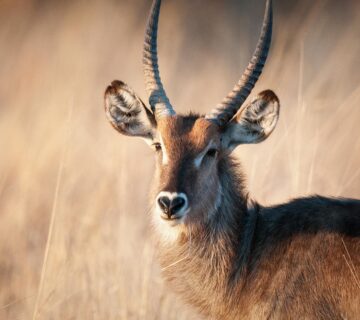
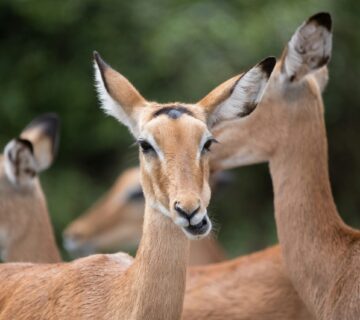
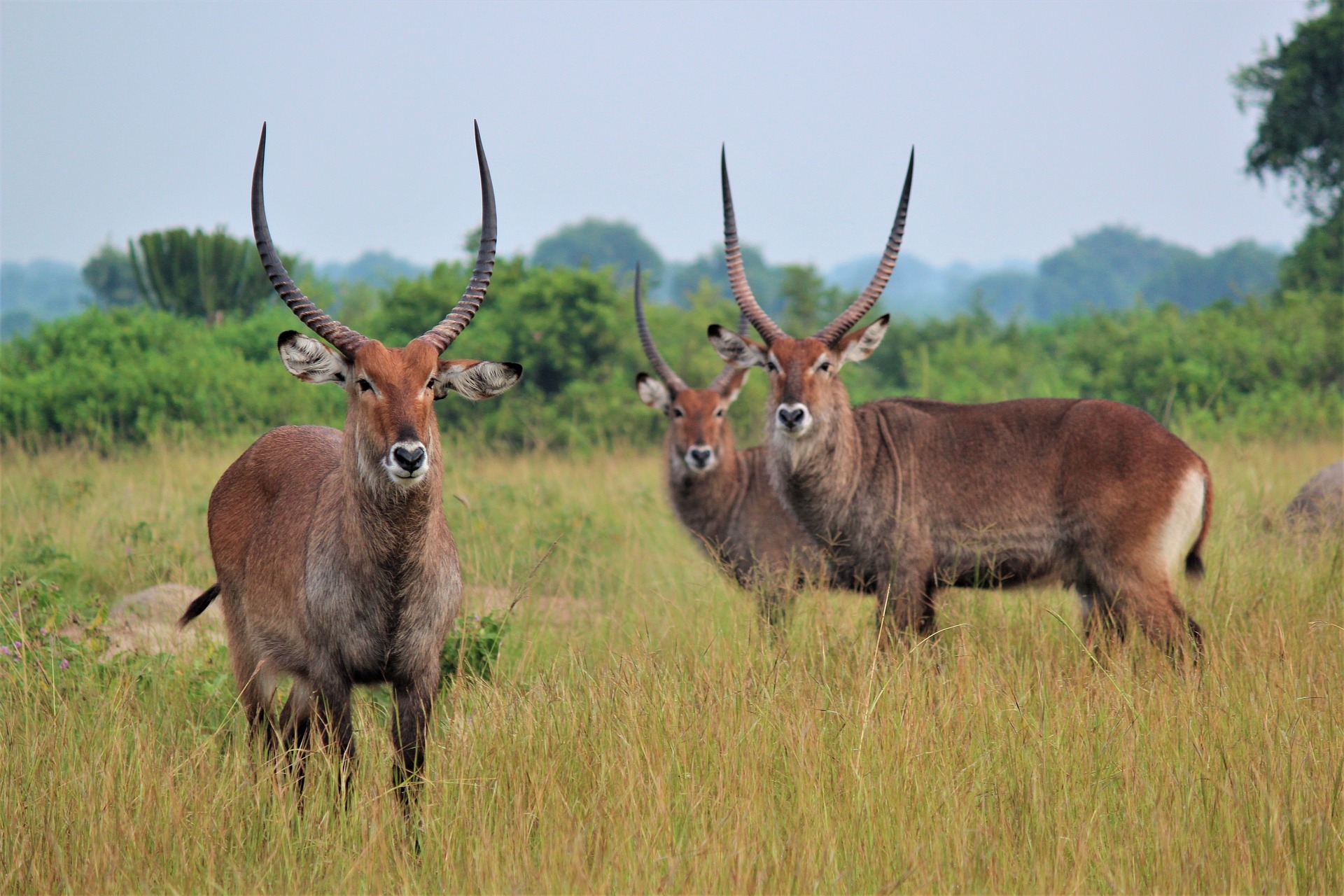
The reedbuck is a medium-sized antelope with a sandy brown coat that blends almost perfectly into the dry grass of Queen Elizabeth’s plains. It has a distinct white ring around the eye and a fluffy white tail that it flicks nervously when alarmed. Only the males carry horns, which curve forward in a gentle arc, giving them a slightly regal appearance.
But the most striking feature of the reedbuck is its posture. It carries its head low and its back slightly hunched, which makes it look permanently alert. It is an animal that is always listening, always watching, always ready to vanish into the reeds at the first sign of danger.
Why Do They Call It a Reedbuck?
The name gives away its secret. Reedbucks love water. They are rarely found far from marshes, swamps, and rivers. Unlike many antelope that avoid wet ground, the reedbuck thrives in it. It feeds on the lush grasses that grow in damp soil, and it retreats into the reeds when threatened, trusting the thick vegetation to hide it from predators.
In Queen Elizabeth, this means they are most commonly found along thee. T Kazinga Channel and the edges of Lake George damp grasslands there are perfect for them, and the proximity to water gives them a constant source of fresh grazing.
Behaviour: Shy but Predictable
Reedbucks are shy animals. They do not like open spaces and they do not like crowds. If you approach too quickly or too noisily, they will bound away in a series of stiff-legged leaps, making a whistling sound through their nostrils as they go. It is a warning to other reedbucks and a signal to predators that they have been spotted.
They are most active in the early morning and late afternoon, preferring to rest in the shade during the heat of the day. This makes them perfect for the classic game drive schedule, when the light is soft and the animals are moving. During the dry season, they gather near permanent water sources, which makes them easier to find.
Socially, reedbucks live in small groups. A territorial male will usually have one or two females and their offspring. The male is fiercely protective of his territory and will chase off any rival males that wander too close. When you see a small group grazing peacefully by the water, you are likely watching a family unit going about its daily business.
Best Sighting Spots in Queen Elizabeth
Queen Elizabeth is arguably the best park in Uganda for reedbuck watching. The habitats are ideal and the population is stable, but you need to know where to look.
The Kazinga Channel
This is the holy grail for reedbuck sightings. The banks of the Kazinga Channel are lined with lush grass and reeds, and the reedbuck love it here. They graze openly in the early morning, often within sight of the boats that cruise the channel. If you take a boat launch, you will almost certainly see them standing at the water’s edge, watching the hippos and the buffalo with cautious curiosity.
Lake George Flats
The open grasslands around Lake George are another hotspot. The area is less visited than the main tourist circuits, which means the reedbucks here are less disturbed. They are more relaxed and more visible, especially in the late afternoon when the light turns golden. This is where the serious wildlife photographers head.
Kasenyi Plains
Kasenyi is famous for its lions and its kobs, but the reedbucks are here too, often hiding in the taller grass near the seasonal streams. They are not as abundant here as along the channel, but they are present. The trick is to look for movement in the grass rather than scanning for a full animal. A flick of an ear or a flash of white is often your first clue.
When to Go
Reedbucks are present year-round, but the best time for watching them is during the dry season. From December to February and June to September, the grass is shorter and the reedbucks are forced to concentrate around water sources. This makes them much easier to spot.
The wet season brings its own rewards. The landscape is green and lush, and the reedbucks are active and well-fed. But they are harder to find because the grass is taller and they have more places to hide.
Early mornings are always best. The animals are feeding, the light is beautiful, and the park is quiet. The late afternoon is a close second, especially if you position yourself near the channel to catch the sunset.
Why Reedbuck Watching Is So Rewarding
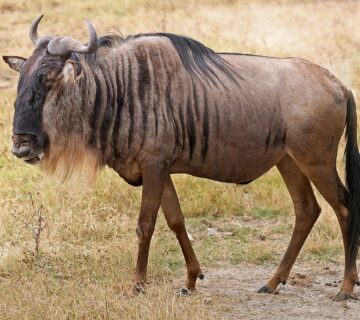
There is a reason this antelope stays under the radar. It does not have the dramatic horn display of a kudu, the massive herd formations of a wildebeest, or the raw power of a buffalo. But reedbuck watching is a different kind of experience. It is about patience and observation. It is about noticing the small things, the flick of the tail, the tilt of the head, the way the animal melts into the grass when it senses you.
When you stop searching for the big, flashy animals and start paying attention to the quieter residents of the park, you see the savannah differently. You notice the intricate web of life that keeps everything running. The reedbuck grazes, and the grass it crops provides new shoots for other animals. The territorial male keeps his patch healthy, and his family thrives. It is a small story, but it is part of a larger one.
And honestly, there is something humbling about watching an animal that has survived here for generations, quietly going about its day, ignoring the jeeps and the cameras and the endless chatter. It has been here longer than the park. It will be here long after we have all gone home.
A Few Tips for First-Time Watchers
Bring binoculars. Reedbucks are small and often half-hidden in the grass. You will see so much more with a good pair of lenses.
Be patient. Do not move on after a few minutes. Sit still, turn off the engine, and wait. The reedbucks will relax and come back into the open.
Do not chase them. If you approach too quickly, they will bolt and you will lose the moment. Let them come to you.
Listen. Reedbucks make a whistling call when they are nervous. If you hear it, pay attention. There is a reedbuck nearby, and it is warning the others that you are there.
Final Thoughts
Queen Elizabeth National Park is famous for its tree-climbing lions, its enormous elephant herds, and its bustling Kazinga Channel. But there is something special about the animals that do not make the postcards. They are the soul of the park, the quiet background music that makes the experience complete.
The reedbuck is one of those animals. It is not flashy. It does not demand attention. But it is beautiful in its own quiet way, and when you take the time to watch it, you realize that the savannah is full of stories that do not need to be loud to be memorable.
So on your next game drive in Queen Elizabeth, slow down. Look beyond the lions. Scan the edges of the channel, the shores of the lake, the damp patches of grass. Somewhere out there, a reedbuck is watching you just as closely as you are watching it. And that silent connection is worth every minute of the wait.