Oribi Antelope in Uganda: Behaviour, Habitat and Best Sighting Spots
There is something quietly captivating about the oribi. It does not have the towering presence of an eland or the dramatic horns of a greater kudu. It is small, delicate, and easy to miss if you are not paying attention. But for those who take the time to look, the oribi offers a glimpse into a world of intricate social behaviour and quiet resilience.
Uganda is home to this graceful antelope, and while it may not grab headlines like the mountain gorilla or the tree-climbing lion, it is a species worth knowing. Here is what makes the oribi special and where you can find it in Uganda’s parks.
What Does an Oribi Look Like?
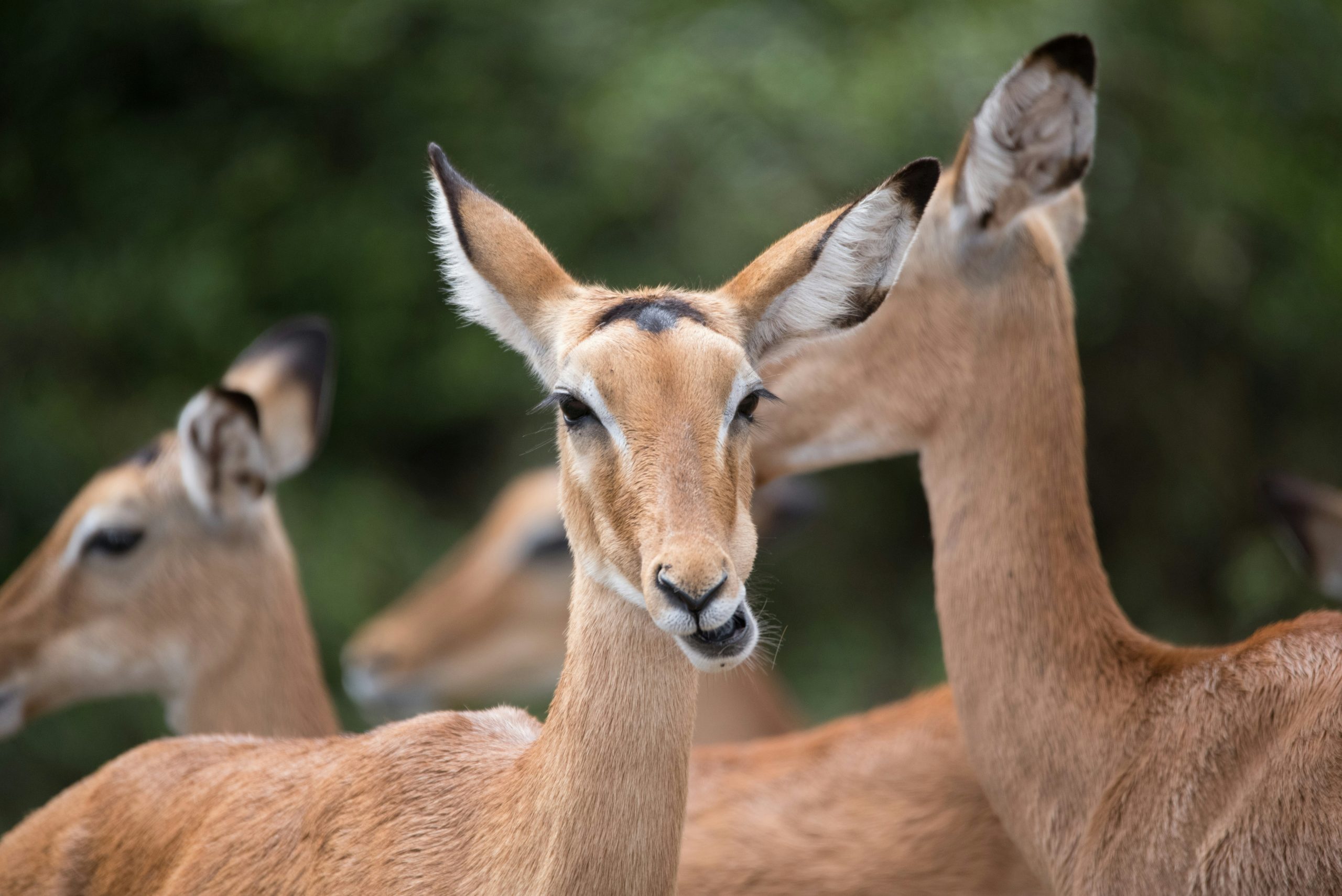
The oribi is one of Uganda’s smallest antelopes, standing at about knee height. It weighs about as much as a medium-sized dog and carries itself with a lightness that makes it seem almost dainty. Its coat is glossy and ranges from yellowish to rufous brown, with a striking white chin, throat, underparts, and rump.
A distinctive white line sits just above each eye, which makes it easier to spot when you are scanning the grasslands. Only the males carry horns, which are thin, straight, and ringed at the base. These horns give the males a certain elegance, though they are not as flashy as the spiralled horns of other antelope species.
Behaviour: A Social and Territorial Antelope
Oribi are diurnal, meaning they are active mainly during the day. This is good news for visitors on game drives, as you have a solid chance of seeing them out in the open. They are primarily grazers, with grasses making up most of their diet. They also visit mineral licks regularly, which is something to watch for if you are patient.
Socially, oribi are fascinating. They typically form small groups of up to four members, often consisting of a male with one or two females. In some areas, you might spot solitary males. Males are highly territorial and will defend their patches of grassland aggressively against other males. Territories can vary in size depending on the quality of the habitat, but they are usually large enough to support a small family group.
When a predator is nearby, the oribi uses a clever trick. It sinks to the ground and lies completely still, folding its ears flat. It stays hidden until the very last moment, then bursts into a run and leaps into the air with a stiff-legged bounce called stotting. This sudden movement often confuses the predator and buys the oribi precious seconds to escape.
Where Do They Live?
Oribi are adaptable creatures, but they have their preferences. They favour open grasslands, floodplains, and lightly wooded savannahs. They avoid dense forests and swampy areas. Water is not a strict requirement, as they can get much of the moisture they need from the grasses they eat, though they will drink when water is available.
They are found across much of sub-Saharan Africa, but in Uganda, their populations are scattered. They are not as abundant as the Uganda kob or the waterbuck, but they are still present in several key locations.
Best Sighting Spots in Uganda
If you want to see an oribi in Uganda, you need to know where to look. They are not the easiest antelope to find, but a few parks and reserves offer reliable sightings.
Queen Elizabeth National Park
Queen Elizabeth is the best place to see oribi in Uganda. The Kasenyi Plains, in particular, are a stronghold for the species. These open grasslands are perfect for grazing, and you will often spot small groups of oribi mingling with herds of kob and waterbuck. The park’s flat terrain makes scanning for wildlife easy, and oribi are usually visible from the main tracks.
The Ishasha sector, famous for its tree-climbing lions, also has oribi, though they are less common there. Stick to the northern sectors of the park for the highest chances.
Lake Mburo National Park
Lake Mburo is small but rewarding. It is one of the best places in Uganda for antelope watching, with species like the impala, eland, and bushbuck. Oribi are present here too, particularly in the open grasslands around the lake shores. The park’s compact size means you can cover a lot of ground in a single game drive, and the lack of big predators like lions keeps the antelope population flourishing.
Murchison Falls National Park
Murchison Falls offers a different landscape. The northern bank of the Nile is dominated by savannah grassland and scattered acacia trees. Oribi are present here, though they are more elusive than in Queen Elizabeth. They are often seen in the open areas near the Nile and in the woodlands further north. The population is not huge, but patient visitors can usually find them in the quieter corners of the park.
Kidepo Valley National Park
Kidepo is Uganda’s most remote park, and it is a treasure trove for wildlife lovers. Oribi occur here, but they are less commonly sighted than in Queen Elizabeth or Lake Mburo. The park’s vast open plains and narina valleys provide good habitat, but the dry conditions can make sightings sporadic. If you are determined, Kidepo’s stunning scenery makes the search worthwhile.
Tips for Spotting Oribi
Oribi are not particularly shy, but they are small and can be easy to overlook. Here are a few tips to improve your chances:
Look for the white markings. The white patches on the rump and chin are the easiest features to spot from a distance. They catch the light even when the rest of the animal blends into the grass.
Focus on open areas. Oribi prefer short grass where they can see approaching predators. They are less likely to be found in thick vegetation or woodland.
Visit during the dry season. Grass is shorter during the dry months, which makes it easier to see oribi grazing. The best months are December to February and June to September.
Be patient. Oribi often freeze when they sense danger. If you stop your vehicle and wait quietly, they may calm down and resume grazing, giving you a much better view.
Conservation Status
The oribi is classified as Least Concern by the International Union for Conservation of Nature. It is widespread across Africa and has a stable population overall. However, in Uganda, it faces challenges. Habitat loss, poaching, and competition with livestock are all pressures. The oribi’s reliance on open grasslands means it is vulnerable to changes in land use, and protected areas are increasingly important for its survival.
The good news is that Uganda’s major national parks provide safe havens. Tourism revenue helps fund anti-poaching patrols and habitat management, which benefit not just oribi but the entire ecosystem.
Final Thoughts
The oribi may not have the star power of a lion or an elephant, but that is part of its charm. It is a quiet, graceful presence in Uganda’s grasslands, a reminder that not every wildlife encounter needs to be dramatic to be memorable. When you spot an oribi grazing peacefully on the Kasenyi Plains, with the sun setting behind the hills, you will understand why this small antelope has earned a place in the hearts of those who take the time to look.
So on your next game drive, do not just scan for the big cats and the elephants. Keep an eye on the grass. Somewhere out there, a pair of white-ringed eyes is watching you back, and that is a moment worth savouring.