How Tree Roots Prevent Soil Erosion and Save Farmland
Soil Feels Permanent Until It Starts Moving
You step on a field and it feels solid. Nothing about it suggests it can disappear.
Then heavy rain arrives. Water starts cutting small paths through the land. Soil moves downhill. What looked stable starts changing shape right in front of you.
This is soil erosion. It usually begins quietly. Most people only notice it after the land has already lost strength.
Tree roots are one of the main things that stop this process from getting worse.
Soil Erosion Starts Slowly
Soil erosion happens when wind or water removes the top layer of soil faster than it can rebuild.
That top layer matters most because it holds nutrients, organic matter, and the living organisms that support crops.
When it starts to go, you see changes on the farm:
crops stop growing evenly
soil becomes harder and less fertile
water runs off instead of soaking in
small channels appear after rain
yields drop even when farming practices stay the same
At first, it looks small. Over time, it becomes serious.
Tree Roots Hold Soil in Place
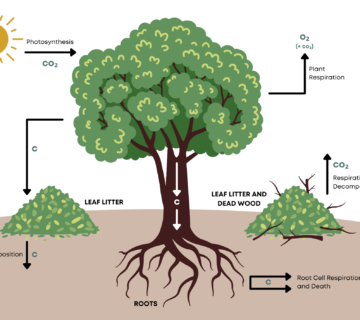
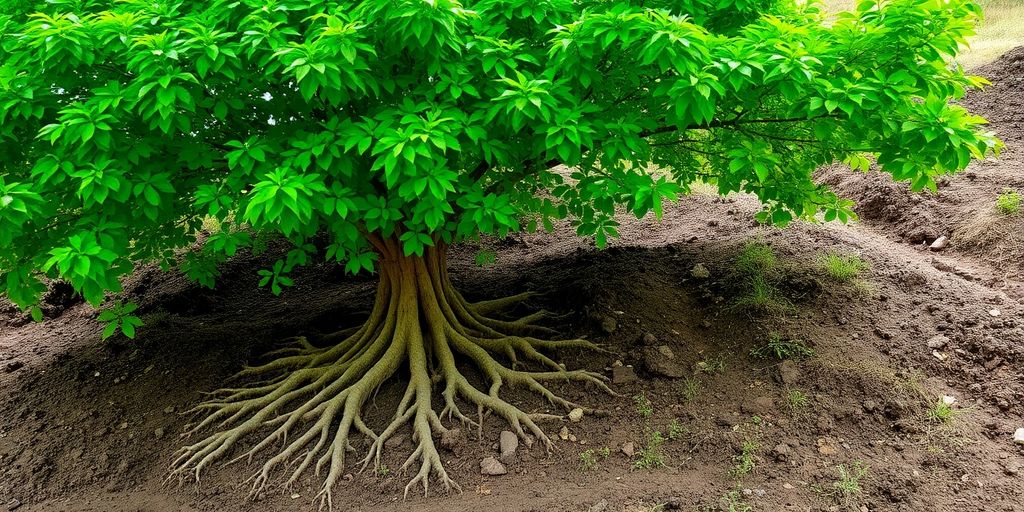
Tree roots spread deep and wide under the ground. They form a natural holding system that keeps soil from breaking apart.
Instead of loose soil washing away during rain, roots bind it together and keep it stable.
Different trees help in different ways:
deep roots anchor the soil and stabilize slopes
wide shallow roots protect the surface layer of soil
When many trees grow together, their roots connect underground and strengthen the land even more.
Rain Causes Damage When Land Has No Protection
Rain seems harmless until it hits bare soil directly.
Each drop lands with force. It breaks soil particles apart. Water then starts moving across the surface and carries soil with it.
Trees reduce this damage.
Leaves slow the rain before it hits the ground. Roots help water soak into the soil instead of rushing across it.
The result is simple. Land with trees holds together better after storms.
Bare Land Loses Soil Quickly
A field without trees can still grow crops for a while. That is why erosion often goes unnoticed at first.
But small changes build up:
topsoil gets thinner every season
nutrients slowly wash away
soil holds less water
erosion lines deepen into gullies
Farmers often respond with fertilizer, but fertilizer does not fix the structure of the soil. It only replaces part of the nutrients.
Once the soil structure breaks down, productivity keeps falling.
Roots Improve Soil From Inside
Tree roots do more than hold soil in place. They improve the soil itself.
As roots grow, they break compacted ground and create space for air and water. When roots die and decompose, they add organic matter back into the soil.
This improves:
water retention
soil fertility
soil structure
microbial life
crop root growth
Over time, land with trees becomes stronger and more stable.
Trees Protect Rivers and Water Sources
Soil that washes away does not disappear. It often ends up in rivers.
When this happens, rivers fill with sediment. Water becomes cloudy. Flow changes. Flooding becomes more likely.
Trees along riverbanks help prevent this.
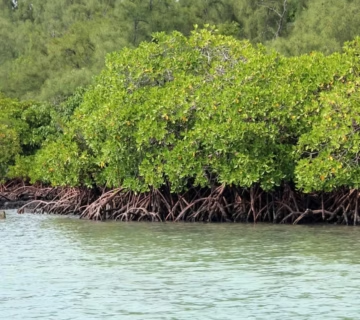
Their roots hold the soil in place. They reduce collapse during heavy rain. They also slow down water running into rivers, which reduces erosion pressure.
This protects both farmland and water systems.
Wind Also Removes Soil
In dry regions, wind can remove as much soil as rain.
When land is bare, strong winds lift loose soil and carry it away. The most fertile layer is often the first to go.
Tree lines help reduce this.
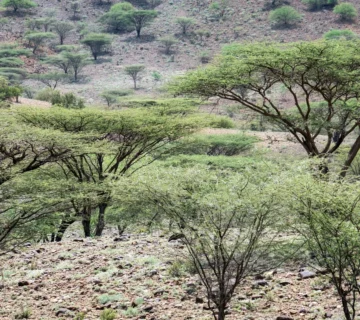
Even simple rows of trees can reduce wind speed across farmland. That keeps soil in place and protects crops during dry seasons.
Trees and Farming Can Work Together
Some farmers now grow trees inside their fields instead of removing them completely.
This approach is called agroforestry.
It works because trees support farming in practical ways:
they reduce erosion
they improve soil moisture
they protect crops from wind
they improve soil fertility over time
they reduce heat stress on crops
For example, planting trees along slopes slows water flow and prevents soil from sliding downhill during rain.
Over time, the land becomes more stable and productive.
Removing Trees Weakens Soil Fast
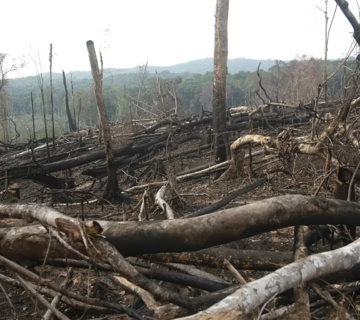
When trees are cleared, the soil becomes exposed immediately.
Rain hits harder. Water flows faster. Wind moves soil more easily. Nothing holds the ground together.
At first, farming may continue as normal. But erosion builds quietly underneath.
After a few seasons, yields drop. Water becomes harder to manage. Gullies start forming.
At that point, damage is already advanced.
Tree Planting Helps Restore Land
Damaged soil can recover, but it takes time.
When trees are planted, their roots slowly rebuild soil structure. Organic matter increases. Water begins to soak into the ground again instead of running off.
The process is slow. You do not see results immediately.
But over time, land stability improves and farming becomes more reliable again.
Climate Stress Makes Soil More Vulnerable
Weather patterns are becoming less predictable in many regions.
Some areas experience heavier rainfall that increases erosion. Others face longer dry seasons that weaken vegetation.
Both conditions damage soil.
Trees help reduce these effects by stabilizing moisture in the ground and protecting soil from extreme weather conditions.
Soil Is What Farming Depends On
Everything in farming starts with soil.
If soil is weak, farming becomes harder every year. If soil is stable, crops grow more consistently.
Tree roots play a direct role in keeping that stability.
They reduce erosion, improve soil quality, and protect farmland from long-term damage that is hard to reverse.
All In Africa Safaris’ Recognition Towards Tree Planting
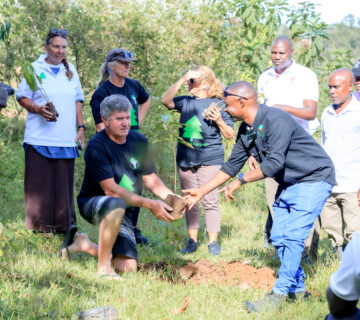
At All In Africa Safaris, environmental conservation is recognized as an important part of protecting Africa’s landscapes, farming systems, water resources, and wildlife habitats.
Healthy tree cover reduces soil erosion, supports farmland stability, improves water retention, and strengthens long-term environmental resilience across many regions.
Through responsible tourism, conservation awareness, and support for environmental restoration efforts, continued attention can go toward tree planting, land restoration, and practical environmental protection across Africa.
These actions help protect soil, support farming, and keep land productive for future generations.