Deforestation Dries Out Africa’s Rivers
Africa’s Water Shortage Tied to Disappearing Forests
Life, economies, farming, species variety, human well-being, and natural balance in Africa rely on water. From rivers to lakes, wet areas below ground, highland zones that gather rain, woodlands, stored groundwater, and patterns of yearly rains – these supply communities and uphold critical habitats found almost nowhere else.
Still, across Africa, rising pressures on water stem from shifting climates alongside expanding populations. Environmental harm plays a role, as does contamination of resources. Deforestation stands among the gravest issues weakening natural systems there.
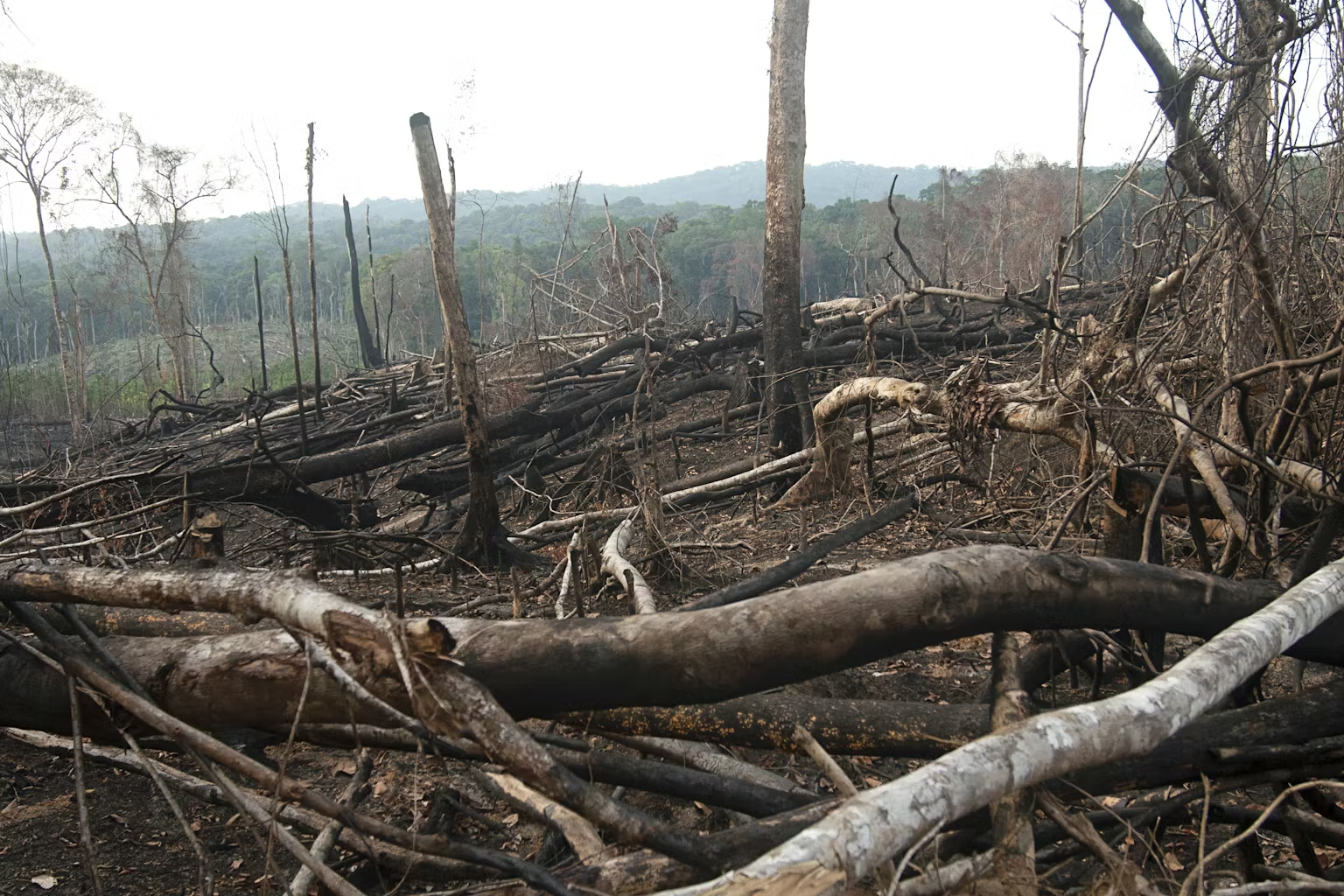
Among actions taken by people, removing vast areas of trees stands out. Where logging occurs frequently, forest loss follows closely. Though farming expands, woodlands shrink at a notable rate. In regions where land is repurposed, tree cover declines sharply. When timber extraction intensifies, natural canopy diminishes accordingly
Logging
Charcoal production
Agricultural expansion
Settlement growth
Mining
Road construction
Industrial development
Fuelwood harvesting
Falling tree cover marks numerous nations throughout Africa. Forests vanish quickly in varied regions across the continent.
Though talk of deforestation usually centers on warming climates and vanishing species, its impact on rivers and rainfall draws little notice despite being just as serious. Water cycles shift silently under tree loss – less known, yet deeply altered.
Water cycles depend on forests to stay balanced. Because of tree cover, rain patterns remain steady, rivers flow reliably, underground supplies refill, wet areas survive, flood risks drop, water stays clean, soil holds hydration. Without forested land, nature’s way of managing water weakens gradually.
As deforestation increases across Africa, many regions are experiencing:
Declining rainfall
Drying Rivers And Lakes
Groundwater depletion
Water shortages
Longer droughts
Flooding and erosion
Poor water quality
Reduced agricultural productivity
Because forests disappear, Africa’s future access to water now faces clear danger. Food production links tightly to these changes. Ecosystems shift under growing pressure. Economic stability weakens as natural resources fade. Human life itself hangs within this chain of consequences.
Forests and water how they connect
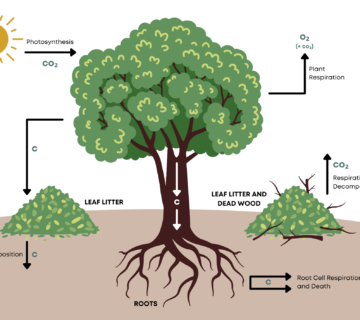
Water movement across the planet links closely to forest systems. These natural networks influence how moisture travels through air and soil. Trees affect rainfall patterns by releasing vapor into the atmosphere. This exchange shapes regional climates over time. Evaporation from leaves contributes to cloud formation far beyond woodland borders. Forests act as regulators within Earth’s continuous water circulation.
The water cycle involves the continuous movement of water between:
Atmosphere
Oceans
Rivers
Lakes
Soils
Plants
Groundwater systems
Fresh growth shapes moisture movement above tree canopies. Beneath, root networks guide water into soil layers slowly. Leaf surfaces release vapor during daylight hours. Over time, these actions balance local humidity levels. Through such routines, woodland areas influence rainfall patterns nearby
Transpiration
Evapotranspiration
Rainfall interception
Water infiltration
Groundwater recharge
Humidity regulation
Soil stabilization
Healthy forests function as natural water management systems.
They help:
Water remains held, then exits slowly over time
Maintain atmospheric moisture
Protect watersheds
Stabilize rainfall patterns
Reduce runoff and flooding
Facing forest loss, water patterns shift unpredictably while ecological resilience declines sharply under prolonged dry spells and soil deterioration. At their core, these systems weaken when temperature swings intensify.
Forests Create Air Moisture
Few realize how deeply tree activity shapes moisture patterns across Africa. Water movement within forest systems often determines regional availability. Through leaves, trees release vapor into air. This process quietly feeds cloud formation far beyond woodland edges. Moisture lifted by roots returns to atmosphere above canopies.
From soil, trees draw moisture via root systems. Upward movement follows pathways inside trunks, then limbs. Release occurs later, high above ground, where leaf surfaces allow exit through microscopic pores known as stomata.
This phenomenon goes by the name of transpiration.
Through transpiration:
From trees, water vapor moves upward into the air
Humidity levels increase
Formation of clouds receives support under certain atmospheric conditions
Rainfall systems are strengthened
Each morning, vast woodlands emit great volumes of water vapor into the air. Though unseen, these flows shape regional humidity levels significantly. Where trees dominate, invisible plumes rise steadily above canopies. Moisture moves upward, altering cloud formation patterns nearby. From remote regions, such emissions influence weather far beyond forest borders.
From deep within the Congo Basin, tropical rainforests move vast amounts of water upward, releasing it steadily into the air above. While rooted in soil, these ecosystems push humidity skyward through constant natural cycles. Moisture travels aloft, guided by unseen forest-driven flows. Beneath dense canopies, evaporation unfolds without pause. The land breathes outward, feeding clouds from below.
It is currently known: trees play a role in returning rainwater through their effect on air humidity patterns. With ongoing study, this connection has become clearer over recent years.
Without forests:
Humidity declines
Cloud formation weakens
Rainfall becomes less reliable
Dry conditions intensify
As a result of deforestation, rain patterns weaken – droughts deepen in numerous areas. Though trees disappear, moisture retention falls, leaving landscapes drier. Where forests once held water, scarcity now spreads gradually. Without canopy cover, evaporation rises unexpectedly. Rainfall declines sharply where land is stripped bare. Drought risks grow stronger across broad zones. Forest loss links clearly to reduced precipitation trend.
The Congo Basin Is Africa’s Key Rainforests
This ranks second globally among tropical rainforests, trailing only the Amazon. Its presence shapes climate patterns across continents. One key function involves storing vast amounts of carbon within trees and soil. This forest supports biodiversity found nowhere else on Earth. Moisture released here influences rainfall far beyond its borders. Stability in this region affects global atmospheric conditions. Size alone does not explain its significance – function matters more. Ecosystem services extend well past national boundaries. Life cycles within adapt slowly to external shifts. Human activity increasingly tests its resilience limits
Rainfall generation
Carbon storage
Climate regulation
Biodiversity protection
Water cycle stability
Each day, trees send vast amounts of moisture skyward through quiet evaporation. From leaf surfaces, invisible streams rise without pause. This flow shapes air patterns far beyond tree lines. Moisture travels where winds lead, unseen yet constant. Rising vapor becomes clouds over time, shifting the sky’s balance. The cycle continues with little notice. Earth breathes through these slow exhalations.
Occasionally, shifts in humidity help shape where rain falls throughout Central Africa; such changes also support broader climatic balance well outside the core woodland zones. From time to time, water vapor released by trees affects both local downpours and distant weather rhythms. Rarely does one environmental factor extend its influence so widely – moisture rising here often plays a role thousands of kilometers away. In some cases, airborne dampness maintains seasonal predictability far from the canopy. Where forests exhale, climates elsewhere may quietly adjust.
Forest loss grows in the Congo Basin
Rainfall systems
River flows
Agriculture
Hydroelectric power generation
Wetland ecosystems
Regional water security
Should this forest vanish, the impact might overwhelm countless lives relying upon consistent rain and clean water sources. A collapse here may ripple outward, altering patterns that communities have followed for generations. Without these trees, watersheds risk imbalance – threatening farms, towns, even distant cities. Stability fades when nature’s quiet regulators disappear without notice. Few foresee how deeply one ecosystem can shape human survival across regions.
Deforestation Reduces Rainfall
Among outcomes tied to tree loss, reduced rain stands out as notably severe.
From trees, water rises into air, shaping rain patterns across regions. This cycle steadies seasonal wetness over time. Evaporation followed by condensation supports consistent drops of moisture below. Repeated movement maintains balance in weather rhythms far beyond woodlands.
When forests are removed:
Transpiration decreases
Atmospheric moisture declines
Humidity drops
Cloud formation weakens
Rainfall patterns become unstable
Research has shown that heavily deforested regions often experience:
Longer dry seasons
Reduced annual rainfall
Increased drought frequency
Higher surface temperatures
This creates destructive environmental feedback loops:
Forest loss reduces rainfall
Reduced rainfall weakens vegetation growth
Falling plant cover intensifies soil deterioration
With time, moisture fades while stability weakens. Unpredictable shifts emerge as aridity spreads slowly. Gradually, dampness declines alongside steady disruption. Moisture diminishes where disturbance grows frequent. Dry phases extend when balance falters repeatedly
Gradually, rich terrains can shift toward barren stretches under prolonged stress. With changing conditions, once-productive soils lose vitality, slipping into arid states. Eventually, areas thick with life support fewer plants, becoming more like desert edges. Through slow processes, moisture fades, altering ecosystems step by step. In many regions, green expanses thin out, giving way to dry, fragile grounds.
Forests Keep Water Basins Safe
A region that collects rainwater defines what is known as a drainage basin. Where water flows shapes how it reaches streams, ponds, storage basins, marshes, or hidden layers beneath the ground. This collected flow follows natural slopes toward larger bodies. Each drop traces a path determined by elevation changes across terrain. What gathers above feeds systems below through gradual movement. Rainfall landing here does not stay put – it moves onward.
Where trees grow, water flow slows, allowing earth to absorb moisture more effectively. This natural process supports watershed stability without mechanical aid or human design.
When rain falls in forested areas:
Tree canopies intercept rainfall
Water moves slowly through vegetation and soils
Roots improve infiltration into the ground
Groundwater reserves are replenished
River systems receive steady water flow over time
Water uptake by trees slows runoff, their roots anchoring moisture below ground. Release happens later, drip by drip through soil layers into streams. This flow regulation prevents sudden surges downstream during heavy rain events.
When trees disappear, natural cycles falter.
Without trees:
Rainwater flows rapidly across bare ground
Water moves more slowly into the ground
Groundwater recharge declines
Flooding increases
River systems become unstable
Across numerous parts of Africa, shrinking water supplies often trace back to damaged watersheds. Though overlooked, land erosion near river sources plays a quiet but steady role. From there, natural absorption weakens, then runoff increases without balance. Where roots once held soil, now rain rushes away too fast. Over time, less moisture reaches aquifers below ground level. Because landscapes lose retention capacity, seasonal streams vanish earlier each year. Thus, communities face shortages even after normal rainfall periods.
Drying Rivers and Lakes
Many African rivers and lakes are increasingly affected by deforestation.
Forest loss reduces:
Rainfall generation
Groundwater recharge
Soil moisture retention
River flow stability
As a result:
Rivers shrink during dry seasons
Seasonal rivers disappear earlier
Wetlands dry out
Lake levels decline
Communities that depend on rivers and lakes for:
Drinking water
Fishing
Agriculture
Transport
Hydropower generation
become increasingly vulnerable.
Now flowing only part of the year, certain rivers once constant have shifted due to weakened capacity in nearby environments to hold enough moisture. Water that stayed now escapes, caught less by land that used to preserve it. Flow patterns change where green cover fades, root systems thin. What ran before without pause falters under altered natural balance. Seasonal presence marks what was steady, driven by diminished holding ability around its path.
Groundwater Depletion
Groundwater is one of Africa’s most important freshwater resources.
From below the surface, water reaches communities via drilled holes and simple shafts. Millions depend on these hidden reserves beneath the ground.
Forests help recharge groundwater systems by:
Allowing rainwater to infiltrate soils slowly
Reducing surface runoff
Improving soil structure and permeability
When forests are removed:
When soil has no cover, it takes in reduced amounts of moisture
Water from rain flows away fast
Evaporation increases
Less water reaches underground aquifers
Over time:
Groundwater levels decline
Wells dry up
Water shortages increase
Where rainfall is scarce, groundwater becomes vital when surface sources run low. Such areas face serious risk if aquifers decline too far. Droughts worsen the strain on hidden reserves beneath dry landscapes. Pressure grows steadily where replenishment lags behind withdrawal.
Soil Erosion and Sedimentation
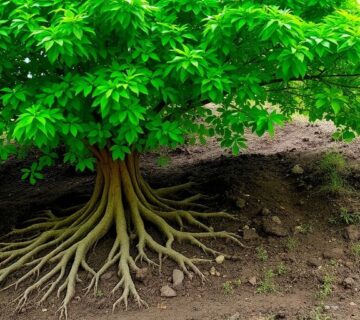
Where roots spread beneath trees, earth stays fixed against shifting forces. Though unseen below ground level, these networks hold terrain firm during rainfall events. When winds rise or water flows strong, anchored layers resist movement effectively. Without such underground frameworks, surface material would wash away more easily. Stability emerges where plant life takes deep hold across landscapes.
Deforestation exposes soils to:
Heavy rainfall
Wind erosion
Surface runoff
Without vegetation:
Topsoil washes into rivers and reservoirs
Sedimentation increases
Water quality deteriorates
Sedimentation creates multiple problems:
Reduced reservoir capacity
Blocked waterways
Declining aquatic biodiversity
Increased water treatment costs
Damaged irrigation systems
Where mountains rise, losing trees raises landslide chances – these then disrupt rivers and harm water structures. When slopes stand bare, earth moves more easily, affecting flow paths along with supply networks nearby. With forest cover gone, ground stability drops sharply, leading to shifts that alter stream behavior plus undermine engineered solutions. Where roots once held soil, sliding mass now advances, impacting aquatic environments together with human-built facilities.
Flooding and Extreme Weather Events
Flood risks drop when forests manage the movement of water. When trees slow runoff, excess water finds safer paths underground.
Where tree roots enhance how much water soil takes in, the cover above lessens rain impact through filtered drops. Though underground networks draw moisture inward, overhead layers break heavy downpours into softer flows.
When forests are destroyed:
Water runoff accelerates
Flood peaks become more severe
Riverbanks become unstable
Drainage systems become overwhelmed
Flooding occurs more often, also grows worse in impact.
Flooding damages:
Homes
Roads
Agricultural land
Water infrastructure
Public health systems
Surprisingly, areas dried out by tree loss might later drown when rain overwhelms broken land systems. Though stripped of forests, these zones lose their ability to manage water flow. As a result, dry turns to deluge where soil can no longer absorb or slow runoff.
Wetland Destruction
Freshwater habitats across Africa include wetlands, a key type. These places hold major significance within the continent’s natural systems.
They provide:
Natural water filtration
Flood control
Fish breeding habitats
Biodiversity support
Groundwater recharge
Where trees grow, water moves more slowly through landscapes. This steadiness supports areas rich in standing water. Moisture stays longer where roots hold soil together. Such conditions allow wetland life to persist across seasons. Balance emerges without sudden shifts in supply or loss.
Deforestation disrupts these systems, causing:
Wetland shrinkage
Biodiversity loss
Water pollution
Declining fisheries
Fragile marshlands, once stable, now face decline affecting nature alongside human survival. Ecosystem imbalance follows where water systems weaken unexpectedly. Communities relying on wet resources observe shifts without clear warning. Environmental strain emerges quietly yet spreads widely across regions.
Deforestation and Agriculture
Agriculture is heavily dependent on stable water systems.
Deforestation affects agriculture by:
Reducing rainfall reliability
Increasing drought frequency
Lowering soil fertility
Increasing erosion
Reducing groundwater availability
Facing greater risks, farmers find stability harder when harvests decline. Food access grows uncertain under these conditions.
When farm output falls, hardship tends to grow alongside financial uncertainty.
Hydroelectric Power and Water Supply
Many African countries depend on rivers for hydroelectric power generation.
Deforestation threatens hydropower systems because:
River flows become less stable
Sedimentation damages dams and turbines
Drought reduces water availability for electricity production
Water shortages caused by forest loss also affect:
Urban water supply systems
Industries
Public sanitation
Such outcomes lead to wider difficulties across both economy and society. Yet ripple effects touch communities in uneven ways. Still, patterns emerge when systems face prolonged stress. Even small shifts can alter long-term stability.
cities grow forests shrink
Close to city edges, trees face more stress as populations rise quickly. Forests shrink when land gets claimed for homes and roads instead. Expanding towns mean fewer wooded spaces remain untouched nearby. Growth does not stop – neither does the loss of green areas around urban zones.
Urban expansion often causes:
Forest clearing
Wetland destruction
Increased pollution
Watershed degradation
City dwellers subsequently encounter:
Water shortages
Flooding
Poor water quality
Rising water treatment costs
With cities growing, planting trees in urban areas supports long-term environmental balance. Watershed preservation follows similar needs, shaping resilient infrastructure quietly. Growth brings pressure; thoughtful planning answers without noise.
Climate Shifts Disrupt Water Patterns
Climate change is intensifying Africa’s water challenges.
Rising temperatures increase:
Evaporation
Drought severity
Water demand
Where trees disappear, weather patterns grow less stable. Forests shape atmospheric conditions across broad areas. Their removal weakens natural climate buffers. Climate risks rise when canopy cover declines.
Climate change and deforestation together create highly dangerous environmental feedback loops:
Forest loss weakens rainfall systems
Reduced rainfall worsens drought
Drought damages vegetation further
Environmental degradation accelerates
This pattern places future water access at risk throughout many African regions.
Planting Trees and Protecting Nature
Protecting and restoring forests is essential for safeguarding Africa’s water supply.
Reforestation helps:
Restore rainfall systems
Improve groundwater recharge
Reduce erosion
Protect watersheds
Stabilize river systems
Improve biodiversity
Successful conservation efforts require:
Sustainable land management
Community participation
Environmental education
Strong environmental policies
Long-term forest protection
While trees are planted, destruction in other areas cancels progress. Yet growth in one place means little when loss persists nearby. Even so, new saplings cannot balance ongoing clearing far away. Therefore, efforts shift without real gain where damage continues unchecked.
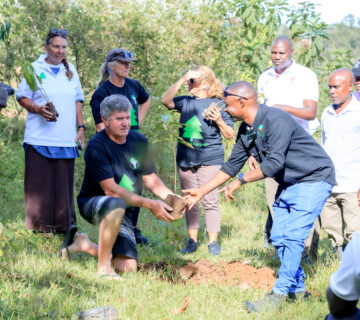
People Helping Save Water Together
Among those who safeguard natural resources, local residents hold significant responsibility. Forests remain under care because of nearby groups taking part. Water networks benefit when inhabitants act. Involvement from close populations shapes environmental outcomes. Protection often comes where people live near ecosystems.
Community conservation initiatives can include:
Tree planting
Watershed restoration
Sustainable farming
Wetland protection
Environmental education
Should people recognize how trees influence clean water supply, protection of nature gains stronger long-term results. Yet clearer awareness often leads to steadier commitment across seasons. With insight into forest roles, actions shift toward lasting impact without relying on short fixes.
Africa s Water Future Tied to Forests
Across Africa, removing forests does more than eliminate woodlands. Entire water cycles begin to unravel when tree cover vanishes – disrupting habitats, farming patterns, local markets, animal survival, and the daily existence of countless people.
Where trees grow, rain follows a steadier pattern. Groundwater levels rise due to forest cover. Rivers remain shielded when woodlands are intact. Flood risks drop where root systems hold water back. Soils stay firm under leafy canopies. Climate remains steady through natural cycles supported by woods.
Without forests:
Rainfall declines
Water shortages increase
Agricultural systems weaken
Ecosystems collapse
Communities become more vulnerable
For this reason, safeguarding woodlands stands central to lasting water access across Africa. Stability in natural systems follows when tree cover remains intact.
Clearly, evidence shows intact woodlands rank high as nature’s safeguards across the region when facing dry spells, irregular rainfall, or shifting climates.
Forest conservation stands at the heart of what happens across much of Africa, shaping how water moves, life thrives, climates hold steady. Because these woodlands anchor entire regions, their presence influences everything from seasonal rains to river flow patterns. While often seen through a lens of animals and scenic views, they function beyond scenery – as active forces in replenishing underground reserves. Where trees remain intact, communities tend to find more reliable access to clean water sources. Yet even unseen processes beneath canopies affect faraway lands, linking distant areas through shared environmental rhythms. Stability within such ecosystems does not appear by chance – it follows consistent patterns shaped over long spans.
Across Africa, loss of forest cover increasingly disrupts ecological stability, farming output, local economies, alongside future adaptability to shifting climates. Instead of unchecked exploitation, travel that respects nature helps highlight preservation needs – strengthening care for woodlands, marsh areas, river sources, along with wider native habitats found on the continent.
Future access to clean water depends on how carefully ecosystems are managed today. When habitats remain intact, climate patterns face less disruption. Protection of species ties directly to long-term resource availability. What thrives now shapes what survives later. Stability in nature supports human needs across time. Efforts made at present influence conditions far ahead.
When people back tree-planting efforts, knowledge-sharing on nature care emerges. Restoration work shaped by local groups gains momentum through such support. Protection of Africa’s water supply grows where these actions take root. Life-sustaining ecosystems gain resilience over time because of this involvement. Across the region, long-term balance becomes more possible when communities lead ecological recovery.