How One Tree Changes an Entire Ecosystem
The Extraordinary Power of a Single Tree
A single tree may appear small and insignificant within a vast landscape, but in reality, one tree can influence an entire ecosystem in powerful and complex ways. Trees are among the most important living organisms on Earth because they support environmental stability, biodiversity, climate regulation, soil health, water systems, and human survival.
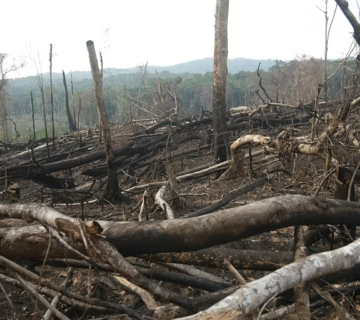
In Africa and across the world, ecosystems depend heavily on vegetation to function properly. Forests, wetlands, savannahs, riverbanks, mountain slopes, and agricultural landscapes all rely on trees to maintain ecological balance. When trees disappear, ecosystems become weaker, less productive, and more vulnerable to environmental collapse.
Conversely, when even one tree is planted and allowed to mature, it begins creating environmental changes that affect plants, animals, microorganisms, water systems, and surrounding communities.
One tree can:
Provide habitat for wildlife
Improve soil fertility
Absorb carbon dioxide
Produce oxygen
Regulate temperature
Protect water systems
Reduce erosion
Support biodiversity
Improve rainfall infiltration
Provide food and shelter
Over time, the ecological influence of one healthy tree expands far beyond its trunk and branches.
Trees as the Foundation of Ecosystems
An ecosystem is a network of living organisms interacting with each other and with their physical environment.
Within ecosystems, trees often serve as foundational species because they create conditions that allow many other organisms to survive.
A mature tree supports:
Birds
Insects
Fungi
Mosses
Microorganisms
Mammals
Reptiles
Pollinators
Surrounding vegetation
The presence of one tree can increase biodiversity in areas that would otherwise remain environmentally poor or degraded.
Trees influence:
Light availability
Humidity levels
Nutrient cycles
Temperature regulation
Water retention
Air quality
This means a single tree can shape environmental conditions for an entire local ecosystem.
A Tree Creates Habitat for Wildlife
One of the most immediate ecological impacts of a tree is habitat creation.
Even a single mature tree can become home to many living organisms.
Birds may build nests within branches while insects feed on leaves, bark, flowers, or fruit. Small mammals use trees for shelter and protection, while reptiles may hide within roots or tree cavities.
Dead leaves and decaying organic matter around the tree support fungi, worms, bacteria, and soil organisms that are essential for ecosystem health.
In Africa, trees support important wildlife species such as:
Monkeys
Birds
Butterflies
Bees
Antelope species
Pollinating insects
Insects attracted to trees also become food sources for birds and reptiles, creating interconnected food chains.
Without trees, many ecosystems lose biodiversity and become ecologically unstable.
Trees Improve Soil Fertility
Healthy soil is essential for plant growth, agriculture, and ecosystem productivity.
Trees contribute significantly to soil improvement through several natural processes.
Leaves that fall from trees decompose and add organic matter to the soil. This organic material increases nutrient content and improves microbial activity.
Tree roots also help:
Break compacted soils
Improve soil aeration
Increase water infiltration
Stabilize nutrients within the ground
Nitrogen-fixing tree species enrich soil fertility even further by increasing nitrogen availability for nearby plants.
As soil quality improves, grasses, shrubs, crops, and microorganisms become more productive, supporting greater biodiversity and ecological resilience.
Trees Prevent Soil Erosion
Soil erosion is one of the biggest environmental challenges in many African regions.
Heavy rainfall, strong winds, deforestation, and poor land management often remove fertile topsoil from the land.
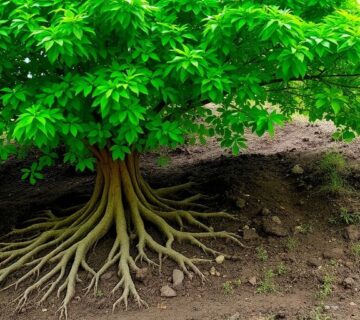
Tree roots play a critical role in stabilizing soils and preventing erosion.
Roots bind soil particles together while tree canopies reduce the impact of rain hitting the ground directly.
This helps:
Reduce runoff
Prevent landslides
Protect riverbanks
Maintain fertile agricultural land
In hilly areas, even a single tree can significantly reduce localized erosion and land degradation.
Trees and Water Conservation
Trees are essential components of healthy water systems.
A single tree helps regulate water movement within the environment by:
Absorbing rainfall
Reducing runoff
Increasing groundwater infiltration
Reducing evaporation
Tree roots create channels within the soil that allow water to penetrate deeper underground rather than flowing away rapidly across the surface.
This contributes to:
Groundwater recharge
Improved soil moisture
Healthier rivers and streams
Trees planted near wetlands, lakes, and rivers help protect water quality by reducing sedimentation and pollution runoff.
In dry environments, trees also create shaded microclimates that reduce water loss from soils.
Trees Influence Rainfall and Humidity
Trees contribute to local and regional climate systems through transpiration.
During transpiration, trees release water vapor into the atmosphere from their leaves.
This process helps:
Increase humidity
Support cloud formation
Influence rainfall patterns
Cool surrounding air temperatures
Large forests play major roles in regional climate regulation, but even individual trees contribute to local atmospheric moisture and environmental cooling.
In hot climates, trees significantly lower surrounding temperatures by providing shade and reducing heat absorption from exposed surfaces.
Carbon Storage and Climate Change Mitigation
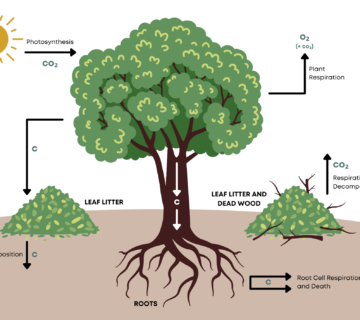
One of the most important environmental roles of trees is carbon sequestration.
Trees absorb carbon dioxide from the atmosphere during photosynthesis and store carbon within:
Trunks
Branches
Leaves
Roots
Surrounding soils
Carbon dioxide is one of the major greenhouse gases driving climate change.
As trees grow, they remove carbon from the atmosphere and help reduce global warming.
Even a single mature tree stores substantial amounts of carbon over its lifetime.
When multiplied across landscapes and communities, tree planting becomes one of the most effective natural climate solutions available.
Trees Produce Oxygen and Improve Air Quality
Trees improve air quality by absorbing pollutants and producing oxygen.
During photosynthesis, trees absorb carbon dioxide and release oxygen necessary for human and animal survival.
Trees also filter:
Dust particles
Airborne pollutants
Smoke and toxins
Urban areas especially benefit from tree cover because vegetation helps reduce pollution levels and improve respiratory health.
One tree may not completely transform air quality alone, but collectively, trees create healthier and cleaner living environments.
Pollinators Depend on Trees
Pollinators such as bees, butterflies, birds, and bats play essential roles in ecosystem productivity and food production.
Many pollinators rely on trees for:
Nectar
Flowers
Shelter
Breeding sites
Without pollinators, many crops and wild plants cannot reproduce effectively.
Trees therefore indirectly support agriculture and biodiversity by maintaining healthy pollinator populations.
Flowering tree species are especially valuable for sustaining pollinator networks.
Trees Support Food Chains
Trees form important parts of ecological food chains.
Fruits, leaves, flowers, seeds, bark, and insects associated with trees become food sources for many organisms.
For example:
Birds feed on fruits and insects
Herbivores eat leaves and shoots
Predators feed on smaller animals living within tree habitats
This interconnected system supports biodiversity and ecological balance.
When trees disappear, food chains weaken and ecosystems lose stability.
Trees Create Microclimates
A tree changes environmental conditions around it by creating a microclimate.
Under a tree canopy, temperatures are often cooler and humidity levels higher than surrounding exposed areas.
This microclimate benefits:
Seedlings
Insects
Soil organisms
Animals seeking shade
Nearby vegetation
In dry environments, shaded areas beneath trees often become important refuges for biodiversity.
These cooler conditions also help reduce evaporation and improve soil moisture retention.
Trees and Human Communities
The ecological influence of trees also directly affects human populations.
Communities benefit from trees through:
Food production
Medicinal resources
Shade and cooling
Fuelwood
Construction materials
Improved agricultural productivity
Trees also improve mental well-being and environmental aesthetics within urban and rural areas.
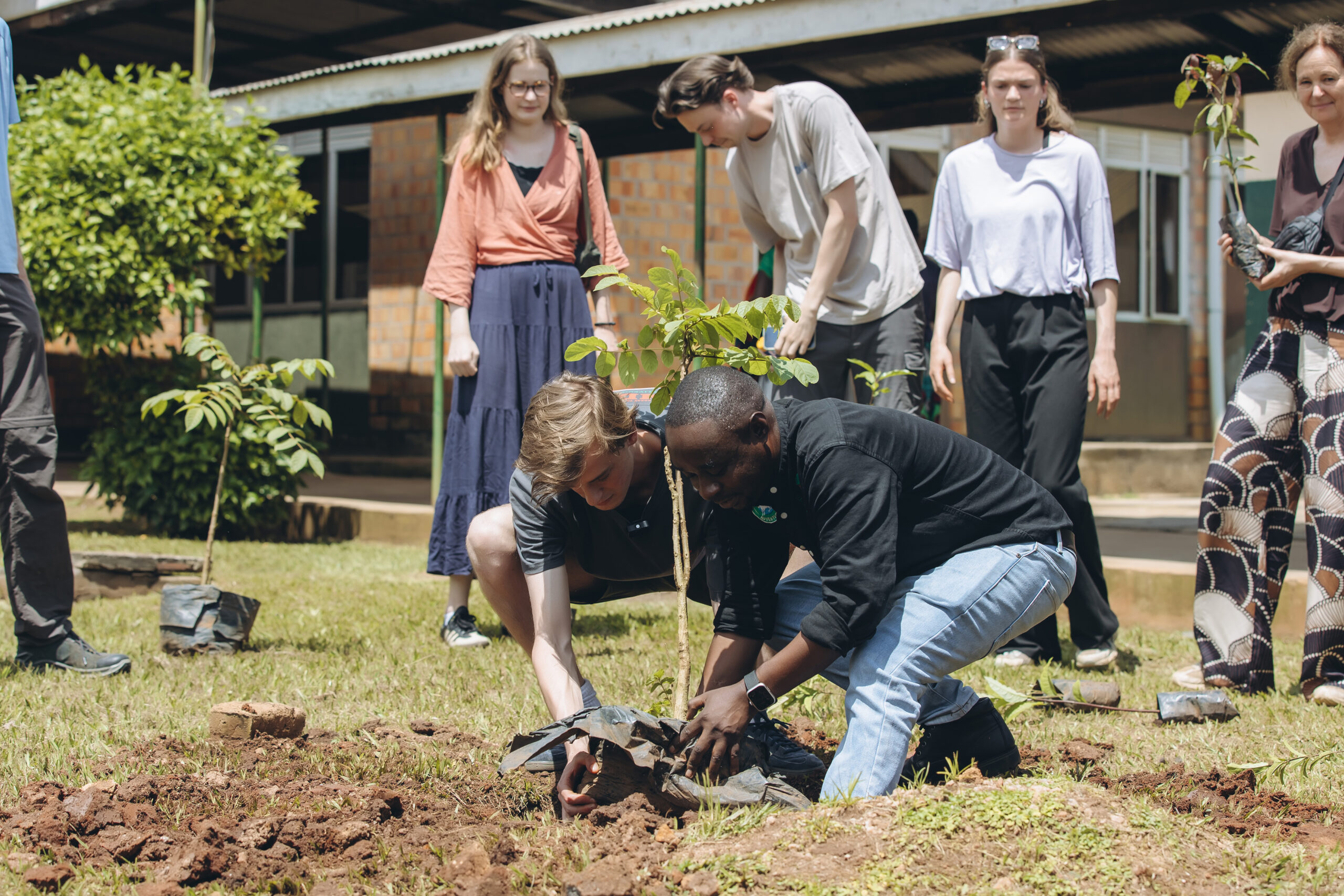
Community tree planting programs strengthen environmental awareness and encourage long-term stewardship of natural resources.
One Tree Can Trigger Ecosystem Recovery
In degraded landscapes, a single tree can begin ecological restoration processes.
Birds attracted to the tree may disperse seeds from other plant species into the area.
Improved soil conditions beneath the tree can allow grasses and shrubs to grow more successfully.
Over time, biodiversity increases and environmental conditions improve.
This process, sometimes called ecological succession, demonstrates how one tree can initiate broader ecosystem recovery.
Indigenous Trees and Ecological Balance
Native tree species are especially important because they evolved alongside local wildlife and ecosystems.
Indigenous trees support:
Native pollinators
Bird species
Soil microorganisms
Local food webs
They are also better adapted to local climates and environmental conditions.
Planting indigenous trees strengthens ecosystem resilience and biodiversity more effectively than many non-native species.
The Long-Term Ecological Value of Trees
Trees become more environmentally valuable as they mature.
Older trees:
Store more carbon
Support greater biodiversity
Produce larger canopies
Develop deeper root systems
Create more stable habitats
Protecting mature trees is therefore just as important as planting new ones.
A single mature tree may support hundreds of organisms throughout its lifetime.
Challenges Facing Trees and Ecosystems
Despite their importance, trees face many threats including:
Deforestation
Urban expansion
Climate change
Wildfires
Pollution
Illegal logging
Protecting ecosystems requires not only planting trees but also ensuring long-term tree care, conservation, and sustainable land management.
Tree planting campaigns are most effective when combined with:
Environmental education
Community involvement
Conservation policies
Monitoring and maintenance
One Tree Is Never Just One Tree
A tree is far more than a piece of vegetation growing from the ground. It is a living environmental system that supports biodiversity, climate stability, water conservation, soil health, food chains, and ecological resilience.
One tree can create shade, restore degraded soil, attract wildlife, regulate temperatures, support pollinators, store carbon, and influence surrounding ecosystems in ways that continue for decades.
When multiplied across communities, landscapes, and nations, tree planting becomes one of the most powerful tools for restoring environmental balance and protecting the future of both people and wildlife.
Every forest begins with a single tree.
All In Africa Safaris’ Entire focus on the Ecosystem
At All In Africa Safaris, we recognize that trees are the foundation of Africa’s ecosystems and the survival of its wildlife, landscapes, and communities. Every forest, national park, wetland, and savannah ecosystem depends on healthy vegetation to maintain ecological balance and environmental resilience. A single tree may seem small, but its long-term impact on biodiversity, climate regulation, water protection, and ecosystem restoration is extraordinary.
Through conservation awareness, sustainable tourism practices, and support for environmental initiatives, we encourage communities and travelers to understand the importance of protecting and restoring Africa’s natural environment. Tree planting is not only about environmental conservation today but about safeguarding the future of Africa’s wildlife habitats, tourism destinations, agricultural systems, and local livelihoods.
We believe that responsible environmental stewardship begins with small but meaningful actions that collectively create lasting change. By supporting tree planting programs, ecosystem restoration projects, and community conservation efforts, individuals become active participants in protecting Africa’s extraordinary natural heritage for future generations while helping build a greener, healthier, and more sustainable continent.