Why Only Eight People Trek Each Gorilla Family Per Day: The Science
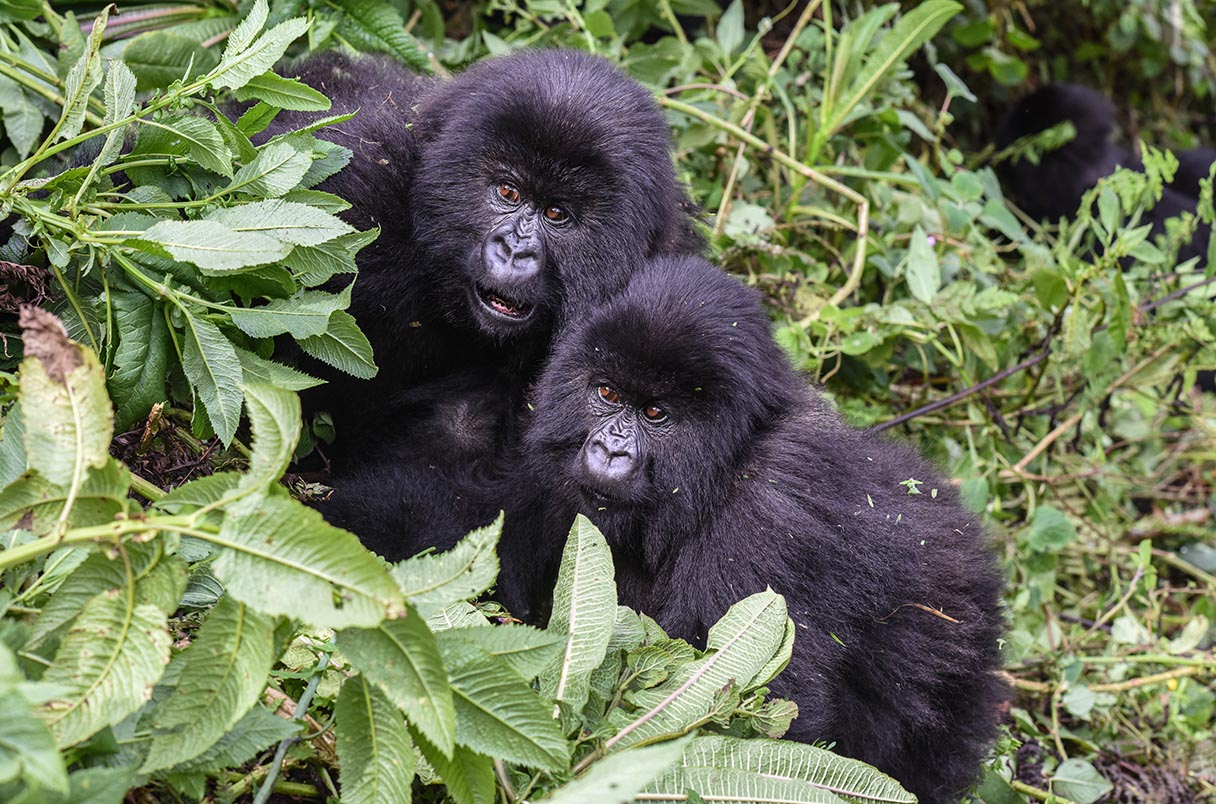
Gorilla trekking is one of the most exclusive wildlife experiences in the world, with access to each family limited to just eight people per day. This restriction is not arbitrary; it is grounded in decades of scientific research on gorilla behavior, conservation biology, and the impact of human interaction on these endangered primates. Understanding why these limits exist provides insight into the careful balance between tourism, habitat preservation, and gorilla welfare.
This guide explains the scientific rationale behind the eight-person rule, how it protects gorillas, ensures visitor safety, and contributes to sustainable tourism. By following these regulations, trekkers play a critical role in conserving one of the planet’s most iconic species while enjoying a safe, meaningful, and unforgettable encounter.
The Vulnerability of Mountain Gorillas
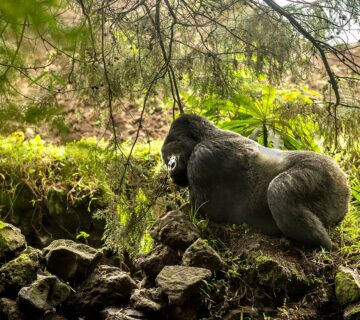
Mountain gorillas are highly sensitive to human disturbance. These primates have complex social structures, strong bonds within families, and highly defined territories. Exposure to large groups of humans can disrupt feeding, resting, and social behaviors, leading to stress, aggression, or changes in movement patterns. Scientific studies show that repeated human interference can even affect reproductive success and infant survival rates.
Diseases transmitted by humans are a major threat. With over 98% genetic similarity to humans, gorillas can contract respiratory infections, flu, or even tuberculosis from minimal exposure. Limiting the number of visitors reduces the potential for pathogen transmission, protecting the health of the gorilla population while allowing tourists to observe them safely.
Origins of the Eight-Person Rule
The eight-person limit was established based on long-term behavioral studies. Conservationists and primatologists observed that larger groups caused increased stress in gorillas, disrupted natural routines, and reduced the quality of wildlife observation. By restricting access to a maximum of eight visitors per family per day, researchers found that gorillas maintained normal behaviors while still allowing controlled human interaction.
This policy was first implemented in Bwindi Impenetrable Forest and Volcanoes National Park. Rangers and guides monitor each gorilla family closely, tracking their movements, health, and social dynamics. Observations confirmed that smaller tourist groups minimized disturbances and enabled a safer and more immersive experience for visitors, aligning tourism practices with conservation goals.
Protecting Gorilla Social Dynamics
Gorilla families have complex social hierarchies led by a dominant silverback. Sudden changes in the environment, unfamiliar human scents, or large crowds can provoke anxiety or defensive behaviors, potentially putting both gorillas and tourists at risk. Limiting groups to eight people reduces the likelihood of triggering aggressive interactions and ensures that gorillas can maintain normal social routines.
Smaller groups allow for better monitoring by guides. Guides can position trekkers strategically, maintain safe distances, and respond quickly to signs of distress or aggression. This close supervision protects both the gorillas and visitors, creating a controlled, respectful environment for observation.
Minimizing Habitat Impact
Tourism has an ecological footprint, even in protected areas. Large groups can trample vegetation, erode trails, and disturb other wildlife. By restricting daily access, parks reduce cumulative damage, preserving the integrity of gorilla habitats. This ensures that the forest ecosystem remains healthy and resilient, supporting not only gorillas but other endemic species such as golden monkeys, forest birds, and rare plant life.
Research supports the link between group size and habitat degradation. Smaller trekking groups leave less impact on trails, reduce noise pollution, and maintain the natural conditions critical for gorilla survival. Over time, this approach balances visitor access with long-term conservation goals, ensuring that future generations can enjoy these forests as they exist today.
Enhancing Visitor Experience
The eight-person limit is also designed to maximize visitor experience. Small groups allow for more intimate encounters, better photography opportunities, and closer observation of natural behaviors without interference. Trekkers benefit from personalized guidance, enhanced safety, and a deeper understanding of gorilla ecology and conservation practices.
Group size affects the quality of the interaction. Large crowds often result in hurried visits, obstructed views, and less meaningful wildlife observation. In contrast, the restricted number ensures that each participant receives a memorable and educational experience, while still upholding strict safety and conservation standards.
Scientific Studies Supporting Group Limits
Multiple studies have informed current trekking regulations. Long-term research on Bwindi’s habituated gorilla families demonstrates that increased human contact correlates with higher stress hormones in gorillas, reduced resting times, and alterations in foraging behavior. Similar research in Rwanda’s Volcanoes National Park confirms that small visitor groups maintain more natural behaviors, supporting reproductive success and infant survival.
Behavioral monitoring continues to guide policy. Rangers record activity patterns, monitor interactions with tourists, and track health indicators to evaluate the effects of trekking. Data consistently supports the eight-person rule as the optimal balance between tourism and conservation, demonstrating that both gorilla welfare and visitor satisfaction are maximized under this system.
Safety Considerations for Tourists
Limiting group size also enhances safety. Forest trekking involves navigating steep slopes, muddy trails, and dense vegetation. Smaller groups are easier for guides to manage, reducing risks of accidents or getting lost. Visitors can move at a controlled pace, maintain safe distances from gorillas, and receive immediate assistance if needed.
Emergency response is more efficient with smaller groups. If a medical or safety issue arises, guides can provide faster support, ensure evacuation if necessary, and maintain control over the group. This reduces potential hazards while preserving a safe and respectful environment for the gorillas.
Implications for Conservation Tourism
The eight-person rule is a model for sustainable wildlife tourism. By prioritizing animal welfare, minimizing ecological impact, and enhancing visitor experience, parks ensure that gorilla trekking remains a viable source of income for local communities. Tourism revenue supports ranger patrols, habitat protection, and community development projects, directly benefiting both wildlife and human populations.
Sustainable tourism practices safeguard gorilla populations for future generations. Limiting visitor numbers reduces stress and disease transmission, maintains healthy social dynamics, and protects habitats from degradation. By adhering to these guidelines, travelers contribute to long-term conservation goals while enjoying one of the most extraordinary wildlife experiences on Earth.
Conclusion
Only eight people trek each gorilla family per day because science dictates it is the safest and most sustainable approach. This limit minimizes stress on gorillas, preserves forest habitats, reduces disease risks, enhances visitor experience, and allows guides to provide effective supervision. By understanding the rationale behind this rule, visitors appreciate the delicate balance between tourism and conservation, ensuring that gorilla trekking remains an ethical, safe, and unforgettable adventure.
Following these guidelines ensures that both humans and gorillas thrive in shared spaces, making each encounter a privilege and a vital contribution to the long-term survival of these magnificent primates.