Volcanoes National Park Rwanda: Complete First-Timer Visitor Guide
Volcanoes National Park is Rwanda’s most iconic wildlife destination, renowned worldwide for its mountain gorillas, breathtaking volcanic landscapes, and rich cultural experiences. Nestled in the northwestern corner of Rwanda, along the Virunga Massif bordering Uganda and the Democratic Republic of Congo, the park covers approximately 160 square kilometers of dense tropical forest, bamboo zones, and volcanic slopes.
For first-time visitors, Volcanoes National Park offers an unforgettable combination of adventure, wildlife encounters, and ecological learning. From trekking habituated gorilla families and golden monkeys to exploring crater lakes and volcanoes, this park provides immersive experiences that cater to nature enthusiasts, photographers, and conservation-minded travelers alike. Understanding what to expect, how to prepare, and the park’s key attractions is essential for maximizing your visit.
Gorilla Trekking: The Star Attraction
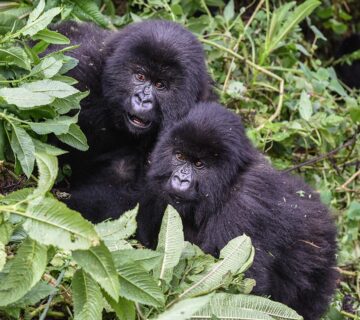
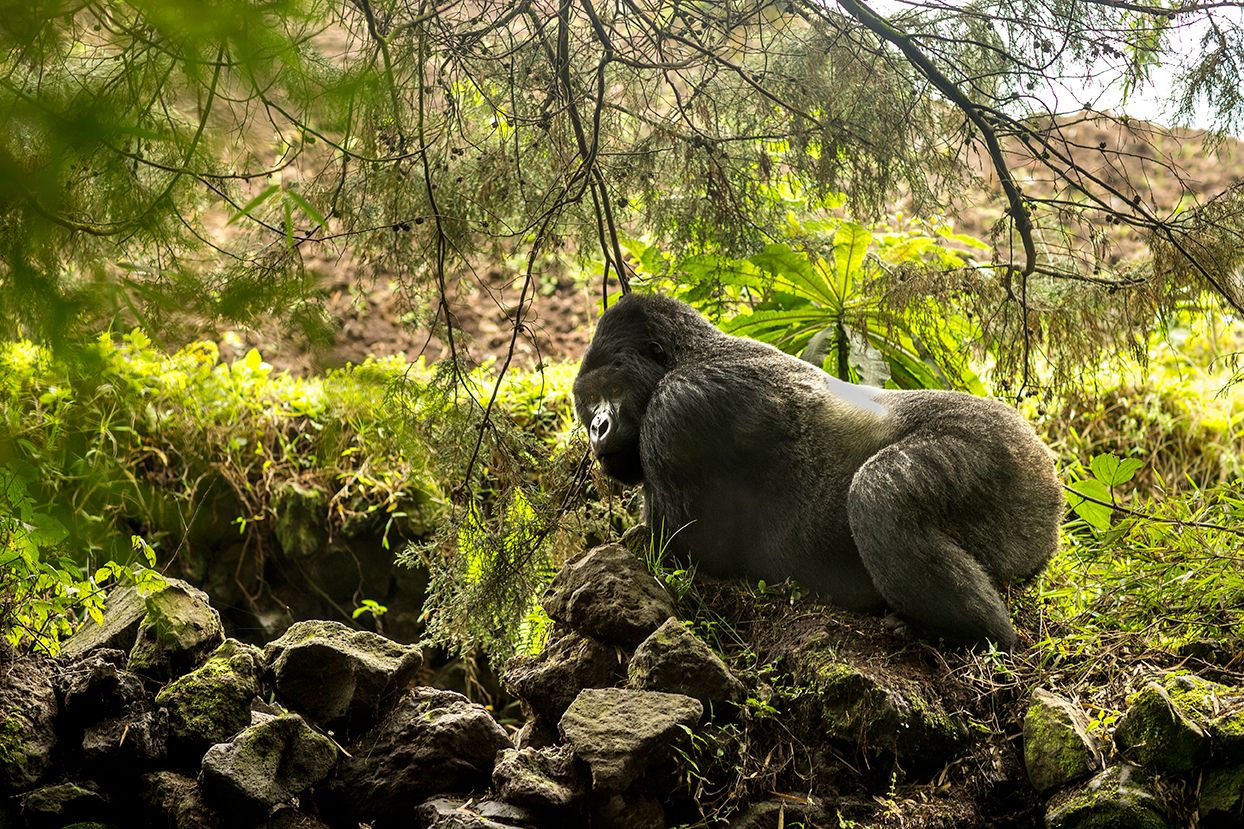
Mountain gorilla trekking is the primary draw of Volcanoes National Park and a bucket-list experience for wildlife enthusiasts. Trekkers follow trained guides and trackers into the forest to spend up to one hour observing gorilla families in their natural habitat. Each gorilla group is limited to eight visitors per day, ensuring minimal disturbance and an intimate wildlife encounter.
Trekking requires preparation and fitness. Trails vary in difficulty, from gentle slopes to steep, muddy terrain, with treks lasting between two to six hours depending on gorilla movement and forest density. Visitors should wear sturdy hiking shoes, long-sleeved clothing, and carry water and light snacks. Guides provide instructions on maintaining distance, behavior protocols, and photography etiquette to ensure safety and gorilla welfare.
Observing gorillas offers a unique opportunity to witness their complex social behaviors. From silverback dominance displays and playful interactions to grooming and feeding, the experience provides profound insights into the intelligence, family structure, and conservation challenges of these endangered primates.
Golden Monkey Tracking
Golden monkeys, a strikingly colorful primate species, offer an additional trekking experience. Found mainly in bamboo zones at higher altitudes, golden monkey tracking is less strenuous than gorilla trekking but equally rewarding for wildlife enthusiasts. Groups of these monkeys are often seen feeding, leaping across branches, and interacting socially, providing excellent photography opportunities.
Golden monkey treks are shorter, typically lasting two to three hours. Visitors benefit from experienced guides who locate the groups and provide commentary on the species’ behavior, habitat, and conservation status. This activity complements gorilla trekking, offering a broader understanding of the park’s primate diversity.
Volcanoes and Scenic Hiking
Volcanoes National Park is part of the Virunga volcanic chain, offering spectacular hiking opportunities. Visitors can explore dormant and active volcanoes, including Mount Karisimbi, Mount Bisoke, and Mount Muhabura. Hikes range from day excursions to multi-day adventures, with panoramic views of crater lakes, rolling hills, and dense forested slopes.
Mount Bisoke, with its crater lake, is a popular hike for first-timers. Trekkers often witness hippos inhabiting the crater lake and diverse birdlife along the trail. These hikes provide insight into Rwanda’s unique volcanic geology, ecological diversity, and the interconnection between altitude, vegetation zones, and wildlife distribution.
Cultural and Community Experiences
Volcanoes National Park is also rich in cultural heritage, offering interactions with local communities. Traditional Rwandan villages, craft markets, and conservation programs provide visitors with insights into local lifestyles, sustainable agriculture, and community-based tourism initiatives.
Community visits complement wildlife experiences by highlighting conservation efforts. Programs funded by tourism revenue support education, healthcare, and anti-poaching initiatives, ensuring that local communities benefit directly from preserving the park. Visitors gain a deeper appreciation for the interplay between ecological preservation and human development.
Planning Your Visit
Volcanoes National Park is accessible from Kigali, with a drive of approximately two to three hours. Most first-time visitors arrange guided tours or stay in nearby lodges, ranging from luxury accommodations to eco-friendly campsites. Advance booking is highly recommended, especially for gorilla trekking permits, as the park limits daily visitors to protect the gorillas and enhance the trekking experience.
Best visiting periods are during the dry seasons, from June to September and December to February. Trails are easier to navigate, wildlife is more visible, and weather conditions are more favorable for photography and hiking. Morning treks provide cooler temperatures and better lighting for wildlife observation, while afternoon hikes often offer dramatic volcanic scenery.
Visitors should prepare practical essentials. Hiking boots, long-sleeved clothing, rain gear, insect repellent, water, and cameras are recommended. Following guide instructions and adhering to health and safety rules ensures a safe and memorable experience while minimizing ecological impact.
Conservation and Research Initiatives
Volcanoes National Park plays a crucial role in mountain gorilla conservation and ecological research. Through habituation programs, ranger patrols, and scientific monitoring, the park has contributed to the steady recovery of mountain gorilla populations in the Virunga Massif. Conservation efforts also include habitat restoration, anti-poaching campaigns, and monitoring of other endangered species such as golden monkeys and forest elephants.
Tourism revenue directly supports conservation initiatives. Gorilla trekking and associated activities fund park management, local community development, and ongoing scientific research, creating a sustainable model where wildlife protection and tourism reinforce one another. Visitors become active participants in preserving one of Africa’s most remarkable ecosystems.
Conclusion
Volcanoes National Park is a must-visit destination for first-time visitors to Rwanda, offering unparalleled wildlife encounters, volcanic landscapes, and cultural immersion. From the awe-inspiring experience of observing mountain gorillas to the thrill of golden monkey tracking, scenic volcanic hikes, and community interactions, the park provides a comprehensive and unforgettable adventure.
By preparing adequately, following park guidelines, and engaging responsibly with both wildlife and local communities, visitors ensure a safe, educational, and transformative experience. Volcanoes National Park exemplifies Rwanda’s commitment to conservation, sustainable tourism, and the protection of one of the world’s most endangered primate species, offering experiences that leave lasting memories while supporting the future of these incredible ecosystems.