
As travelers seek unforgettable experiences amidst the natural wonders of the Wildebeest Great Migration, it’s imperative to consider the environmental impact of safari packages and embrace sustainable tourism practices. Balancing the conservation of fragile ecosystems, wildlife habitats, and local communities with the desire for adventure is key to preserving Africa’s biodiversity for future generations. In this guide, we delve into the environmental impact of Wildebeest Great Migration safari packages and highlight sustainable tourism practices that promote conservation and responsible travel.
Preserving Wildlife Habitats
Safari operators and lodges within migration areas play a crucial role in conserving wildlife habitats. By adhering to eco-friendly construction practices, minimizing land disturbance, and supporting wildlife corridors, these initiatives help preserve crucial habitats for migratory species and resident wildlife.
Reducing Carbon Footprint
Sustainable safari packages prioritize reducing carbon emissions and promoting eco-friendly transportation options. This includes using fuel-efficient vehicles for game drives, offering electric or hybrid safari vehicles where feasible, and supporting carbon offset initiatives to mitigate the environmental impact of travel.
Water and Energy Conservation
Luxury lodges and camps implement water and energy conservation measures to minimize their ecological footprint. Practices such as rainwater harvesting, solar energy utilization, energy-efficient appliances, and waste management systems contribute to sustainable operations while maintaining guest comfort.
Supporting Local Communities
Sustainable tourism practices extend to supporting local communities adjacent to safari destinations. Safari packages that engage in community-based tourism, employ local staff, source products from local suppliers, and contribute to community development projects foster positive socio-economic impacts and empower local residents.
Wildlife Protection and Conservation
Responsible safari operators prioritize wildlife protection through anti-poaching efforts, wildlife monitoring programs, and collaboration with conservation organizations. Educating guests about wildlife conservation, ethical wildlife viewing guidelines, and supporting conservation research initiatives are integral components of sustainable safaris.
Cultural Respect and Preservation
Sustainable safari experiences respect and preserve indigenous cultures and traditions. Guided cultural interactions with local communities are conducted ethically and with mutual respect, emphasizing cultural exchange, preservation of heritage, and fair representation of indigenous lifestyles.
Educational and Awareness Programs
Safari packages can incorporate educational programs and wildlife conservation talks to raise awareness among guests about environmental challenges, conservation efforts, and the importance of sustainable travel practices. These initiatives empower travelers to become ambassadors for conservation in their communities.
Waste Reduction and Recycling
Minimizing waste generation and promoting recycling are integral to sustainable safari operations. Lodges and camps implement waste reduction strategies, encourage guests to use reusable items, provide recycling facilities, and practice responsible waste disposal to mitigate environmental impacts.
Certifications and Partnerships
Look for safari operators and lodges that hold certifications such as eco-tourism certifications, sustainable tourism awards, or memberships in conservation alliances. Collaborations with conservation NGOs, wildlife reserves, and community initiatives demonstrate a commitment to sustainable practices and ethical tourism.
Promoting Responsible Wildlife Viewing
Encouraging responsible wildlife viewing practices, such as maintaining safe distances from animals, avoiding wildlife harassment, and respecting wildlife habitats, is paramount in sustainable safaris. Guides trained in ethical wildlife interactions ensure that guests can enjoy wildlife encounters while minimizing disturbances.
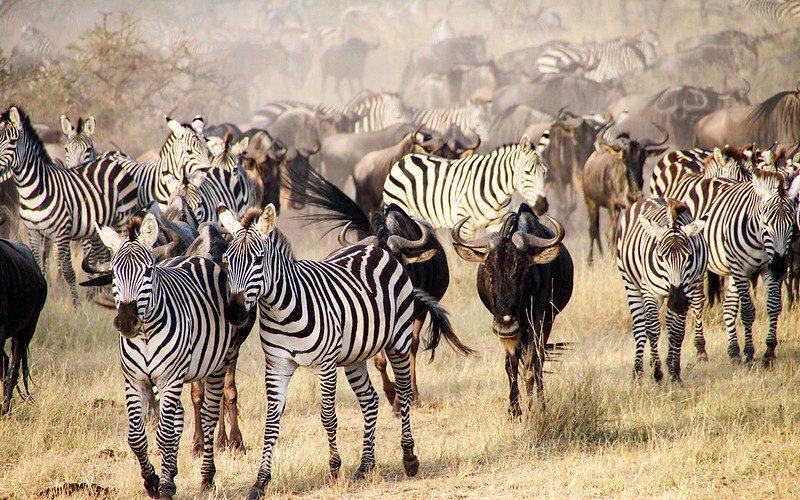
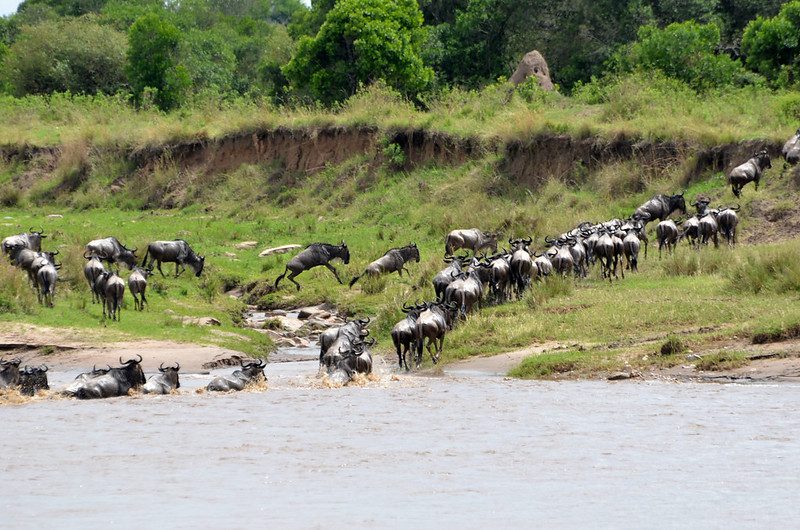
The environmental impact of Wildebeest Great Migration safari packages can be mitigated through a collective commitment to sustainable tourism practices. By choosing safari operators and packages that prioritize conservation, community engagement, and environmental stewardship, travelers can contribute positively to the preservation of Africa’s natural heritage while enjoying memorable and responsible safari experiences. Embracing sustainability ensures that the magic of the Wildebeest Great Migration can be enjoyed by future generations in harmony with nature.
Why Migration Tourism Carries Genuine Environmental Stakes
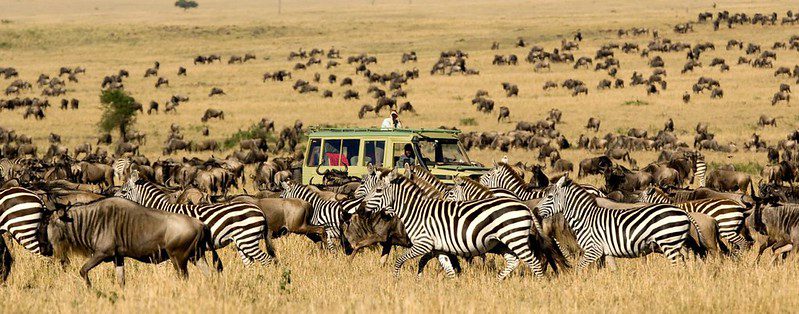
Given how much vehicle traffic concentrates around popular crossing points during peak migration season, the cumulative environmental impact of tourism itself becomes a genuine consideration, one that responsible operators actively work to manage through vehicle limits and designated viewing zones rather than unrestricted access.
How to Evaluate an Operator’s Sustainability Claims
Beyond marketing language, looking for concrete evidence, documented conservation partnerships, verifiable community projects, actual certifications rather than self-declared labels, helps travelers distinguish operators genuinely committed to sustainable migration tourism from those using the term loosely. All in Africa Safaris works exclusively with lodges and operators who can speak specifically to these practices.
Vehicle Density at Crossing Points and Why It Matters
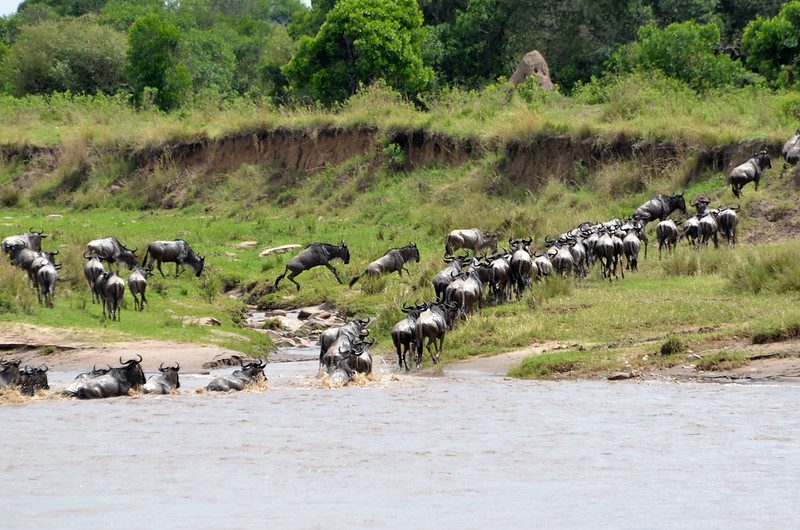
Overcrowding at popular river crossing sites during peak migration weeks doesn’t just affect visitor experience, it genuinely stresses wildlife and can disrupt natural crossing behavior, making an operator’s approach to managing vehicle numbers a meaningful sustainability indicator worth asking about directly.
The Role of Conservancies in Protecting Migration Corridors
Private conservancies bordering the Maasai Mara and Serengeti play a genuinely significant role in protecting the wider migration corridor beyond formal park boundaries, often through community partnerships that give local landowners direct economic incentive to preserve wildlife habitat rather than convert it.
How Your Choice of Accommodation Affects Your Footprint
Smaller, lower-impact camps built with genuine attention to water and energy conservation generally leave a lighter environmental footprint than large-scale developments, a factor worth weighing alongside comfort and price when choosing where to stay during a migration safari. All in Africa Safaris can recommend accommodation that balances comfort with genuine environmental responsibility.
What Travelers Can Do Beyond Choosing the Right Operator
Packing reef-safe sunscreen, minimizing single-use plastics, and respecting photography and distance guidelines around wildlife are all small but meaningful ways individual travelers extend sustainable practices beyond simply booking with a responsible operator.
Why Community-Based Tourism Genuinely Matters Here
Migration safari revenue that flows directly to Maasai and other local communities creates a genuine economic incentive to protect wildlife and habitat rather than pursue alternative land use, making community-based tourism models a foundational piece of the migration’s long-term sustainability.
Anti-Poaching Efforts Behind the Scenes
Beyond visible tourism activities, well-funded anti-poaching patrols supported by park fees and lodge partnerships protect the migration’s herds and the predators that follow them, an often invisible but genuinely essential piece of the conservation infrastructure travelers indirectly support through their trip.
Balancing Hot Air Balloon Tourism With Environmental Impact
While hot air balloon safaris deliver a genuinely memorable aerial perspective on the migration, responsible operators limit flight numbers and altitude near wildlife to minimize disturbance, a balance worth understanding if this activity interests you.
Why Off-Peak Travel Can Be a Sustainability Choice Too
Traveling slightly outside the most crowded migration weeks, while still within a broadly rewarding window, genuinely reduces the cumulative vehicle pressure on popular crossing points, a consideration worth weighing alongside your own scheduling flexibility.
How Lodges Measure and Reduce Their Water Usage
Given how water-scarce much of the migration ecosystem genuinely is, lodges implementing greywater recycling and low-flow fixtures make a meaningful difference to local water tables, a detail worth asking about when comparing accommodation options.
Supporting Research That Protects the Migration Long-Term
Several lodges and conservancies fund ongoing wildlife research and monitoring programs that track migration patterns and ecosystem health, work that directly informs the conservation policies protecting this phenomenon for future decades. All in Africa Safaris can highlight which properties on your itinerary actively support this kind of research.
Why Employing Local Guides and Staff Matters So Much
Beyond the direct income it provides, hiring local guides, trackers, and lodge staff builds genuine long-term community investment in wildlife conservation, since livelihoods tied to tourism give surrounding populations a direct stake in protecting the migration rather than viewing wildlife as competition for land and resources.
Questions Worth Asking Before You Book
Asking a prospective operator directly about their specific conservation partnerships, community revenue-sharing arrangements, and vehicle limits at crossing points reveals far more than marketing brochures alone, giving you genuine confidence in your final choice. All in Africa Safaris is happy to answer these questions transparently for any itinerary you’re considering.
The Long-Term Case for Responsible Migration Tourism
Ultimately, well-managed tourism revenue remains one of the strongest arguments for preserving the migration corridor against competing land uses, meaning choosing sustainable operators isn’t simply an ethical preference but a genuinely practical contribution to the ecosystem’s survival.
How Certifications Help, and Where They Fall Short
While eco-tourism certifications provide a useful starting screening tool, the certification landscape genuinely varies in rigor, meaning pairing certification with direct questions and independent research gives a more complete picture than certification alone.
A Migration Worth Protecting for Generations to Come
Given how genuinely irreplaceable this natural spectacle is, the small additional effort of choosing responsible operators and mindful travel habits represents a meaningful investment in ensuring the migration remains intact for travelers decades from now.
Bringing These Principles Into Your Own Trip
None of these sustainable travel principles require sacrificing comfort or adventure, they simply ask travelers to make informed, deliberate choices at each stage of planning, from operator selection through daily behavior in the field.
Planning a Genuinely Sustainable Migration Safari
From choosing operators with verifiable conservation commitments to understanding how your accommodation and daily choices contribute to the migration’s long-term health, sustainable travel genuinely enhances rather than diminishes this remarkable experience. All in Africa Safaris can turn this overview into a fully confirmed itinerary built around genuinely responsible tourism practices, ensuring the Wildebeest Great Migration remains a spectacle future generations can witness too.

No comment