
Tanzanias Northern Circuit: A 10-Day Birding and Safari Trip
There are trips that give you pictures trips that give you memories and trips that change the way you look at a place. The Northern Circuit of Tanzania can do all of these. Over ten days that are carefully planned you can travel through open grasslands, old volcanic areas, acacia forests, places with fresh water and areas full of animals while finding a great number of birds and other animals. Tanzanias Northern Circuit: A 10-Day Birding and Safari Trip combines two parts of Tanzania giving an experience where each morning can start with birds singing and each afternoon can bring a new unforgettable wildlife moment.
The northern part of Tanzania is very interesting because the land changes a lot in a space. Arusha is a starting point and then you can go to Lake Manyara, the Ngorongoro Conservation Area and Serengeti National Park, each of which has different kinds of places. Tarangire National Park adds more to the trip with its groups of elephants dry land plants, wet areas that change with the seasons and a wide range of birds. Of thinking of birding as something separate from a regular safari this plan lets you enjoy all the good things that each place has to offer.
Days 1 and 2: Start in Arusha and Tarangire
Your journey can start in Arusha, a city that is surrounded by mountains and green hills. After you arrive take time to get settled and get ready for the coming days. If you have time the first afternoon can include bird watching near where you are staying or in nearby gardens. Before going into a national park Tanzania can show you bright sunbirds, weavers, doves, hornbills, starlings and hawks.
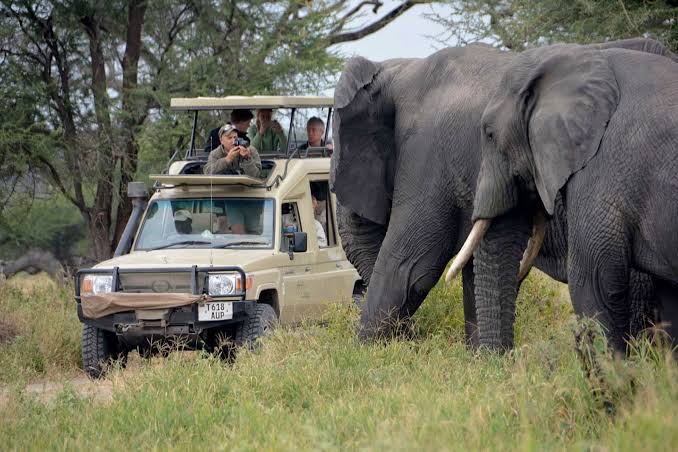
On the day you will go toward Tarangire National Park. The changing views are part of the fun. Farmland slowly turns into land forests and scattered big trees called baobabs. Tarangire is known for its elephants. The birds there are just as special. Depending on the time of year you might see necked spurfowl red-and-yellow barbets, superb starlings, northern pied babblers, rollers, hornbills and many kinds of birds that hunt.
Take Time to Read the Landscape
Tarangire is better when you take your time. Of moving quickly from one animal sight to another look at the trees the grass, the water areas and the open land. Birds often show you what is happening around you. A quick movement in a tree might mean a group of birds is feeding and birds flying in circles might mean something is happening on the plains.
During the season animals gather near the few water places left and during the wet season new plants grow and more birds are around. Your guide can help you find birds and explain how the time of year affects how animals act. By the end of your full day of exploring you will already know why the Northern Circuit of Tanzania is so great, for anyone who loves birds and big animals.
Days 3 and 4: Lake Manyaras Forests and Wetlands
Continue toward Lake Manyara National Park, where the environment changes again. Lake Manyara National Park contains groundwater forests, open grasslands, woodland and wetland areas surrounding Lake Manyara. This variety creates opportunities for birdwatching.
Early morning is a productive time. Cooler air encourages bird activity and soft light can make forest edges especially beautiful. Keep an eye out for hornbills, kingfishers, storks, herons, egrets, bee-eaters, rollers and smaller woodland species. Lake Manyara can attract numbers of waterbirds especially when seasonal conditions are favorable.
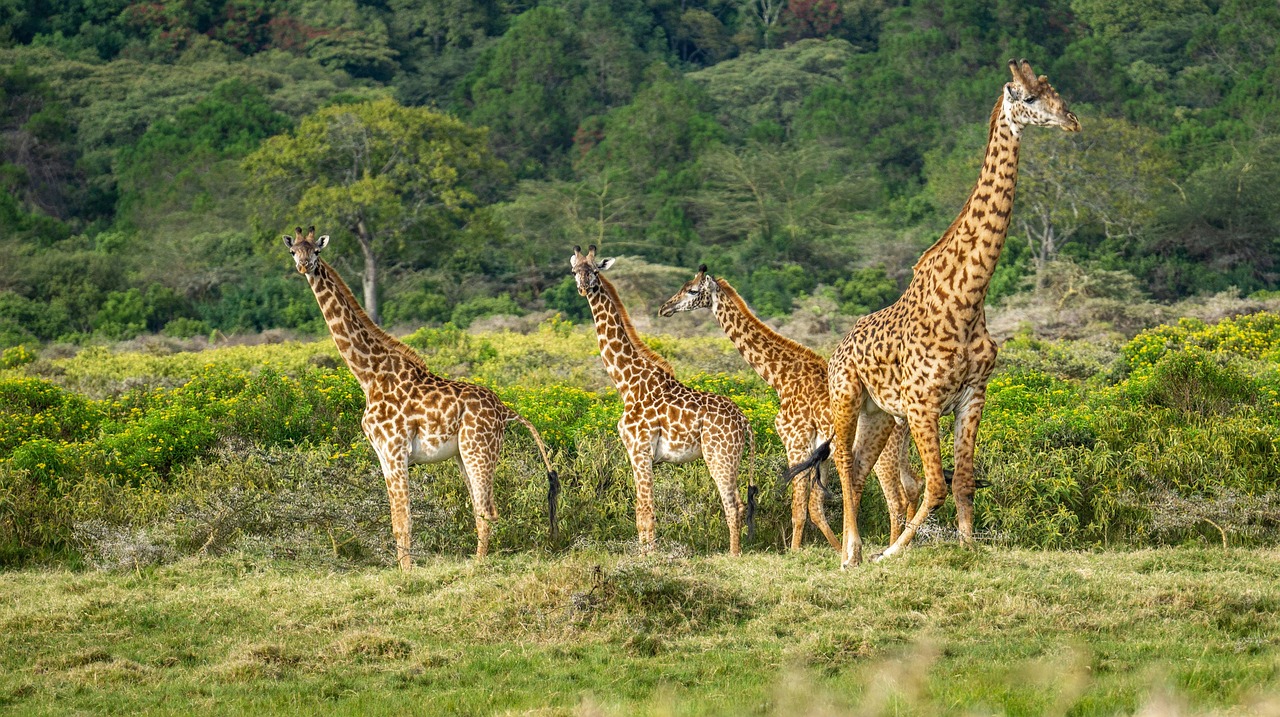
Lake Manyara also adds mammal encounters to the itinerary. Elephants move through woodland giraffes browse among trees and buffalo can appear in areas. Baboons are common in some sections while other primates may be found around forested habitats.
A second day in this region gives flexibility. Of trying to see everything in one drive focus on habitats that produced interesting sightings the previous day. This slower approach often leads to observations and a deeper appreciation of Lake Manyara National Park.
Days 5 and 6: Ngorongoros Volcanic Wilderness
From Lake Manyara continue toward Ngorongoro Conservation Area. Landscape rises toward highlands and air becomes cooler. Enormous Ngorongoro Crater is one of Tanzanias remarkable natural settings with grasslands, woodland, wetlands and a permanent water supply supporting abundant wildlife. I felt the air become cooler as the landscape rose.
A crater descent can produce a concentration of mammals. Lions, zebras, wildebeest, buffalo, hippos and gazelles may all appear during a game drive. For bird enthusiasts Ngorongoro Crater also provides opportunities to see ostriches crowned cranes, Kori bustards, raptors, storks, flamingos and other species depending on habitat and season.
Look Beyond the Famous Wildlife
The Ngorongoro experience becomes richer when resist temptation to focus on largest animals. Watch for birds moving through grass raptors perched on distant trees and waterbirds around wetlands. Ngorongoro Craters broad floor creates opportunities to observe interactions between predators, herbivores and birds.
Outside Ngorongoro Crater highland environment provides a different atmosphere. Forest patches and cultivated areas can support species that’re less associated with open savanna. Spending another day in Ngorongoro Conservation Area gives time to appreciate these transitions than viewing Ngorongoro as a single attraction.
Days 7 to 9: Serengeti and the Rhythm of the Plains
The journey toward Serengeti National Park brings some of Tanzanias iconic scenery. Vast plains stretch toward horizons interrupted by rocky kopjes, grassland, woodland and seasonal water sources. This is where Tanzanias Northern Circuit: A 10-Day Birding and Safari Trip reaches one of its exciting stages. I could feel the excitement build.
Serengeti is internationally known for its mammal populations and annual wildebeest movements yet its birdlife is equally impressive. Depending on where travel within Serengeti National Park and time of year may encounter secretarybirds, kori bustards, ostriches, vultures, eagles, storks, plovers, lapwings, rollers and numerous smaller species.
Three days allow experience Serengeti without watching the clock. One morning might focus on plains while another takes you toward woodland or rocky areas. Diversity of habitats means each drive can feel different.
Let the Serengeti Set the Pace
Patience becomes especially valuable here. Distant raptor may turn into a sighting if wait. Quiet patch of woodland may suddenly become active when flock moves through. Apparently empty plain can contain countless small details when take time to observe it.
Serengeti also provides some of the opportunities to connect bird behavior with wider ecosystem. Vultures gather around feeding predators oxpeckers associate with mammals and insect-eating birds take advantage of disturbed grass. Every encounter becomes part of a story about survival and seasonal change.
Day 10: Return to Arusha With Lasting Memories
After Serengeti adventure begin journey back toward Arusha or continue to destination according to travel arrangements. If time permits, enjoy one morning drive. Early hours can produce some of the wildlife activity of entire trip giving one last chance to search for favorite bird or watch mammals moving across plains. I felt a sense of completion.
Final day is also a chance to reflect on how much variety experienced in ten days. Moved through woodland, forest, wetlands, volcanic landscapes and expansive savanna. Seen African icons while discovering smaller species that might become equally memorable.
Making the Most of Your Ten Days
Planning matters when combining birding and safari. Private vehicle with guide gives greater flexibility to stop for unusual birds spend extra time on interesting sightings and adjust route according to seasonal conditions. Good pair of binoculars is essential while camera with telephoto lens can help capture both distant birds and larger wildlife.
Early starts are worthwhile. Many birds and mammals active during cooler morning hours and light is often better for photography. Carry water, sun protection, comfortable clothing and layers, for highland mornings. Field guide or bird identification app can also make journey more engaging.
Expectations should remain flexible. Wildlife unpredictable and no itinerary can guarantee species. That uncertainty is part of what makes safari rewarding. Species expected to see may remain hidden while unexpected encounter can become memory carried home. I have learned that surprises are the part.
A Journey That Stays With You
Tanzanias Northern Circuit: A 10-Day Birding and Safari Trip offers a way to experience one of Africas most celebrated wildlife regions. This journey brings together parks and many different habitats giving travelers chances to enjoy both breathtaking mammals and the amazing birdlife around them.
What makes this experience special is how each day feels different. Tarangire introduces baobabs and woodland birds. Lake Manyara offers forests and wetlands. Ngorongoro shows scenery and packed wildlife. Serengeti opens onto plains where every distant movement can spark another moment of discovery.
When you leave you may recall animals, unforgettable landscapes and rare birds.. You will also remember the quiet moments between the big sights. A bird calling from an acacia at sunrise elephants crossing a track cranes moving across open grassland or a raptor circling above the Serengeti can become lasting memories.
For anyone who wants a safari that mixes wildlife viewing with appreciation for Tanzanias birds and habitats Tanzanias Northern Circuit: A 10-Day Birding and Safari Trip offers an inspiring plan. Ten days may fly by. With careful planning they can show an extraordinary amount of Tanzanias natural beauty and leave you eager to return for another season another park and another morning, in the wild.


No comment