Sokoke Forest: Kenya’s Coastal Endemic Bird Hotspot
Sokoke Forest is a special place for birds in Kenya. It is near the ocean. Has a lot of old trees. When you walk in the forest, you can hear birds making noise before the sun comes up. This forest is not very big. It is very important for birds. There are a lot of types of trees and plants, and the ground is sandy. Sometimes there are streams, and all of these things together make a home for birds that you cannot find elsewhere.
If you like birds, Sokoke Forest is a place to go. You have to be patient. Then you can have some really amazing experiences. Some birds are very rare. Can only be found in this forest. When you see one, it feels very special. You might hear a bird making a noise. Then you see it moving around in the leaves. That is what makes looking for birds in Sokoke Forest so much fun.
Sokoke Forest is part of an area along the coast. This area has been around for a long time, and it has changed a lot over the years. The forest is known for its trees and animals. The birds are also very interesting. Different parts of the forest have birds. If you look carefully, you can see a lot of birds in a small area.
The forest has types of habitats
Some areas are very dense. Some areas are more open. This means that different birds like to live in parts of the forest. If you walk quietly you can learn a lot about where the birds like to eat and live. You might see a bird eating on the ground. Then you might see another bird high up in a tree.
Sokoke Forest is also near the beach and other coastal areas. This means you can look for birds in the forest. Then you can also go to the beach and look for birds there. If you like nature Sokoke Forest is a place to visit.
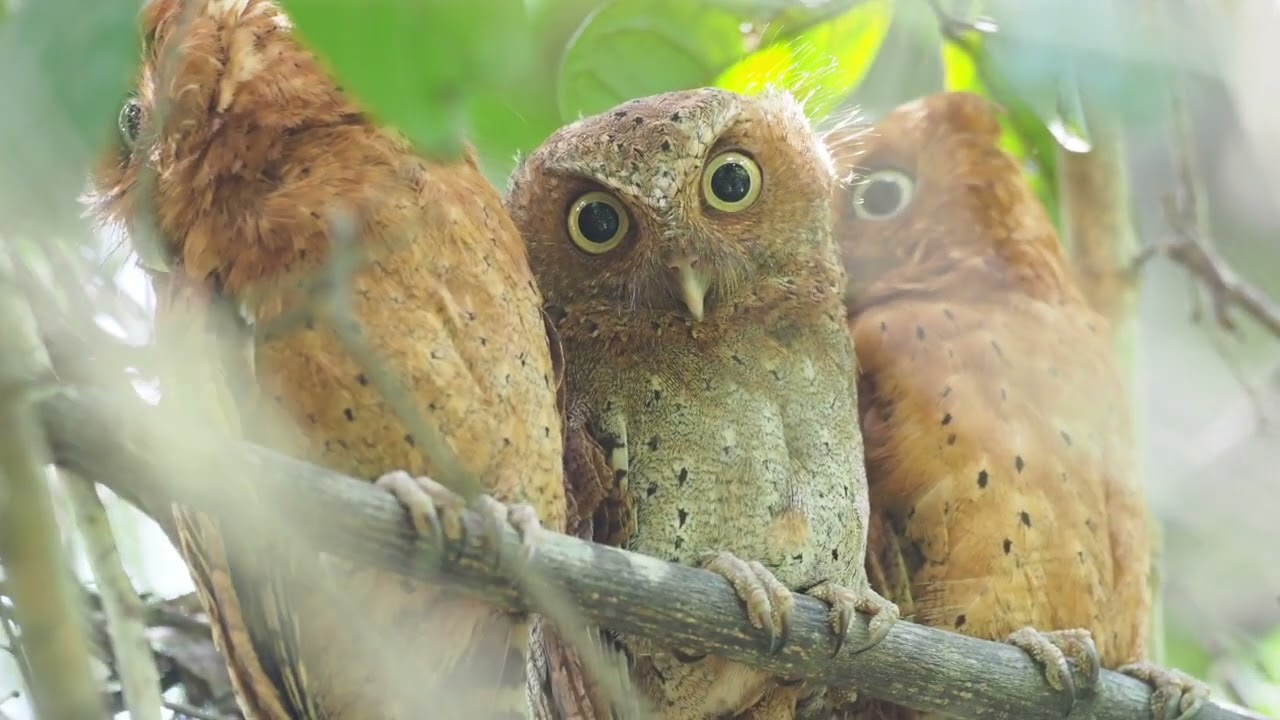
There are some birds that make Sokoke Forest very special. One of these birds is the Sokoke scops owl. It is very small. It is hard to find. You have to be very patient and listen carefully. If you do find it it is very exciting. You have to slow down and pay attention to the noises the birds make.
Another special bird is the Clarkes weaver. It is an important bird for people who like African birds. It is hard to find. If you have a guide who knows the forest you might be able to see it. Looking for these birds makes walking in the forest very exciting.
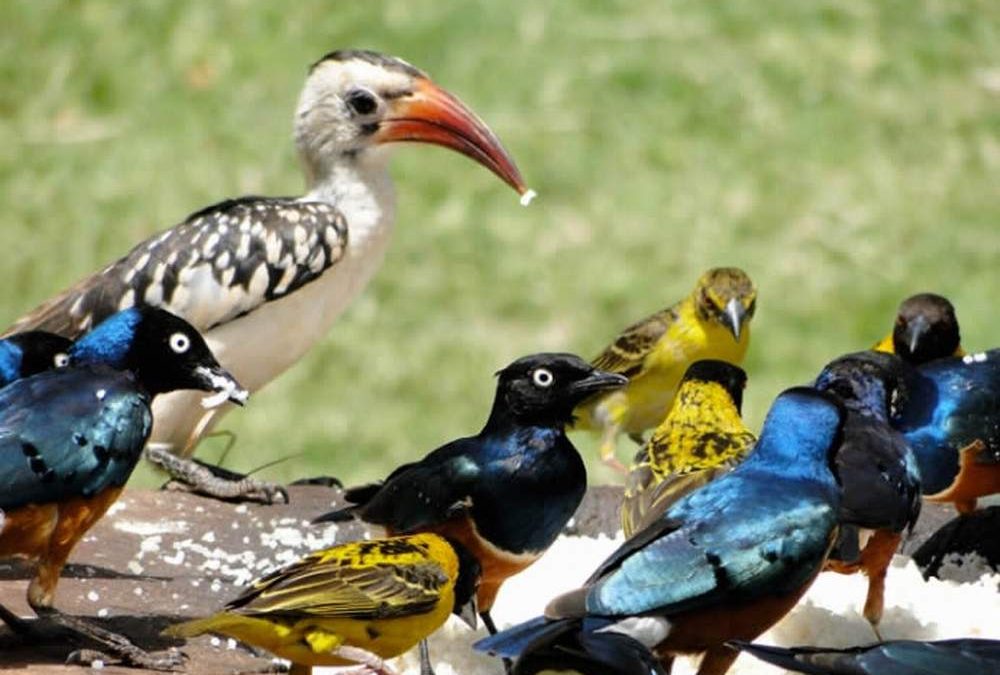
There are a lot of birds in the forest too. You might see hornbills, sunbirds, barbets, woodpeckers, rollers, doves and flycatchers. Some birds are very loud. Some birds are very quiet. You might not see them until they suddenly appear on a branch, near you.
Birding Through the Forest
Sokoke Forest: Kenyas Coastal Endemic Bird Hotspot becomes most rewarding when explored slowly. Early morning is usually the time to begin because birds are active temperatures are more comfortable and the forest is filled with calls. The hours after sunrise can produce a steady sequence of sightings as birds move between feeding and resting areas.
Walking quietly is essential. Forest birds often respond to disturbance by moving into vegetation so a relaxed pace gives you more opportunities to observe natural behaviour. Of rushing from one location to another spend time listening. Learn to separate the calls of species and watch the canopy for movement.
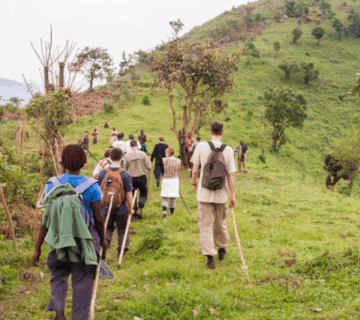
A knowledgeable local guide can make a difference. Experienced guides know the trails, seasonal changes, feeding areas and calls of species. They can also help you understand the forest than simply identifying birds. A short pause beside a tree may reveal why a particular species is present there while a distant call can lead to an exciting search through dense vegetation.
The Art of Finding Rare Forest Birds
Forest birding can challenge experienced observers. Visibility is often limited by leaves, branches, vines and shadows. You may hear species without seeing any of them clearly. This is normal and accepting it makes the experience more enjoyable.
Carry binoculars that perform well in light because many forest encounters occur beneath shaded vegetation. A field guide or birding application can help with identification while a notebook allows you to record calls, locations and unusual behaviour. You do not need equipment to enjoy the forest but good preparation improves your chances.
Listening deserves much attention as looking. A bird hidden behind foliage may be identifiable by its call long before you see it. Once you become familiar with forest sounds unusual calls stand out more easily. This can transform a walk into an active search with every sound offering a new clue.
Patience also matters when searching for owls and other secretive species. Than repeatedly moving through the same area give yourself time to scan branches and shaded spaces. Sometimes the bird is already nearby still and waiting for you to notice it.
A Forest Rich in More Than Birds
Sokoke Forest: Kenyas Coastal Endemic Bird Hotspot is also a destination for people who want to experience the wider biodiversity of Kenyas coast. The forest supports mammals, butterflies, reptiles, insects and a remarkable variety of plants. These species interact within a habitat that has developed its character over generations.
The sight of a butterfly moving across a forest opening can be just as memorable as a bird encounter. Small reptiles may disappear into leaf litter while monkeys can create movement in the canopy. When a particular bird remains hidden the forest continues to offer something to observe.
The surrounding coastal region adds opportunities. Watamu and nearby areas contain wetlands, creeks, mangroves, beaches and other habitats where additional bird species can be found. Combining forest walks, with birding can significantly expand your species list while giving you a broader understanding of Kenyas coastal biodiversity.
When to Visit Sokoke Forest
Sokoke Forest is a place to go birding at any time of the year.. The weather can make a big difference in what you see. When it is wet the plants are fresh. There are more insects. When it is dry it is easier to walk on some of the trails.. When the birds are migrating you can see many different species.
I think the best time to go is early in the morning. It is cooler. The birds are very active. The forest is also very peaceful before it gets hot. If you have time you can go for another walk later in the day. See different birds.
You should be ready for humid weather. It is an idea to wear light clothes and comfortable shoes. You should also bring water something to keep the insects away and a raincoat. A small notebook and binoculars can be very helpful.
Protecting a Rare Coastal Habitat
Sokoke Forest is not a place to go birding. It is also an important place for many species of birds. These birds need the forest to survive. So we need to protect the forest and make sure it is safe for the birds.
If you visit Sokoke Forest you can help by staying on the paths and not making much noise. You should not play bird calls over because it can scare the birds.. You should give the birds that are nesting a lot of space. If you are careful you can have a time and not hurt the birds.
The people who live near the forest are also very important. They need to understand why the forest is so important. If you hire a guide who cares about the forest you can help make sure the forest is protected. Every time you visit you can help keep the forest safe.
Take Time to Experience Sokoke
Visiting Sokoke Forest is not like going on a wildlife tour. You will not see animals just standing by the road. Instead you need to pay attention and be quiet. You might go to the forest looking for one kind of bird. You will see many other things. You might hear a bird calling see a flash of color or see sunlight coming through the trees. You might even see an owl.
Many people remember Sokoke Forest long after they leave. The birds are special because you cannot see them many other places.. The forest is also special because it is alive. Every sound makes you want to stop and listen.
If you are planning a trip to Kenya to go birding you should definitely visit Sokoke Forest. Give yourself time to walk slowly and listen carefully. You might be surprised, at how much you can see. The best moments are not always the ones. In Sokoke Forest a quiet trail and a strange bird call can be the start of an adventure.