Ostrich: East Africa’s Flightless Giant
The ostrich is an amazing bird that lives in East Africa. It does not need to fly to get attention. This bird is the largest bird on Earth. It is a runner and a very good parent. The ostrich is also very important to the places where it lives. It has a neck and strong legs. Its eyes are big. It has a special way of walking. Because of this, the ostrich is one of the recognizable animals in Africa. The story of the ostrich is about survival and being free in a place where running fast can mean life or death.
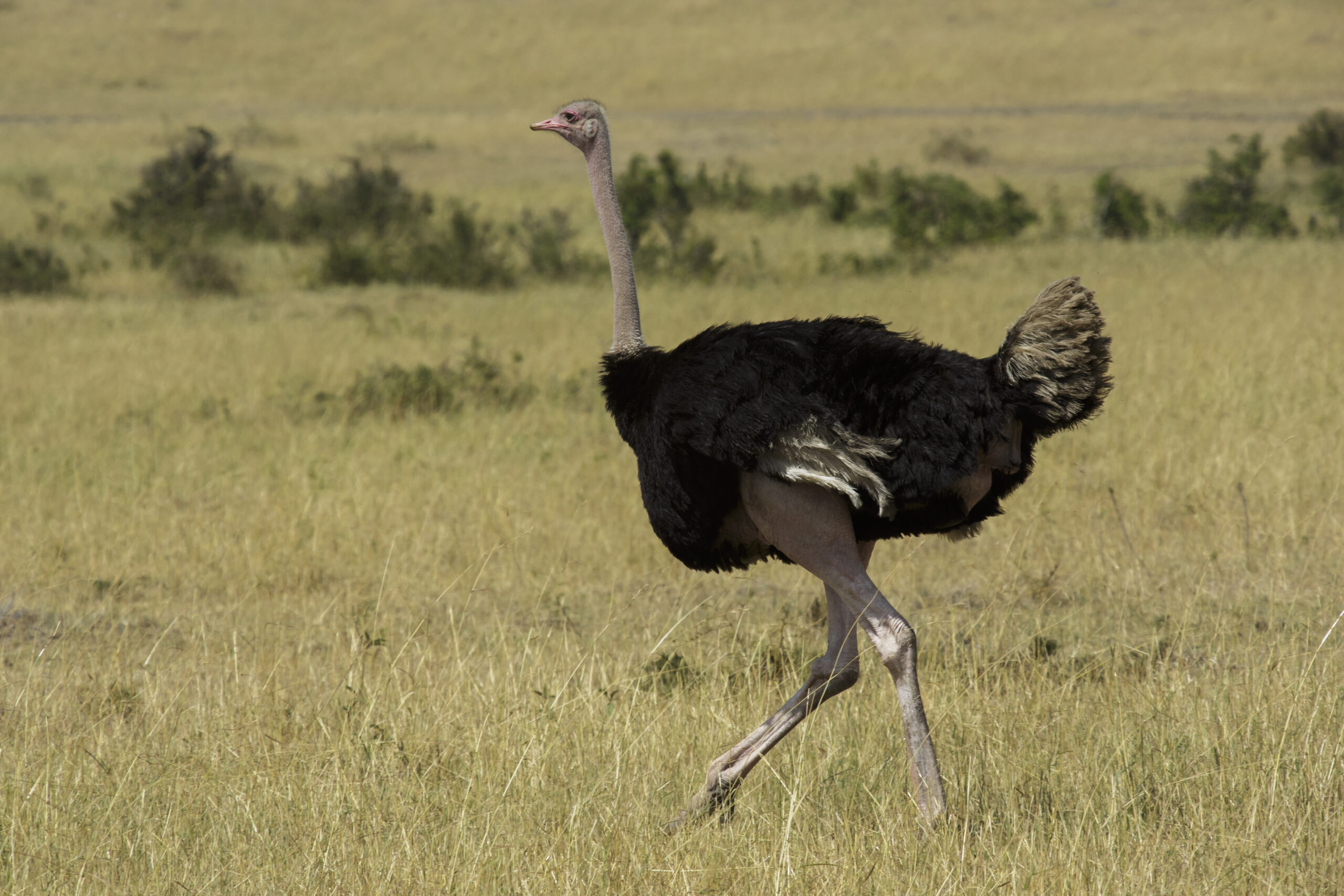
When you see an ostrich walking in the savanna, you will never forget it. It looks like it is not even trying as it runs far with its long and powerful legs. Sometimes it can run as fast as 70 kilometers per hour. The ostrich does not need its wings to move around as most birds do. Its wings are used for things like helping it balance and showing off to other ostriches. The ostrich’s body is an example of how animals can change in amazing ways when they need to survive.
A Bird Built for Life on the Savanna
The ostrich is perfect for living in the savanna. Its long legs help it see far because its eyes are high above the grass and plants. This is very helpful because it can see predators coming from away. The ostrich has big eyes that are among the biggest of any animal that lives on land. This helps it stay alert and see things moving around it.
Speed as a Survival Strategy
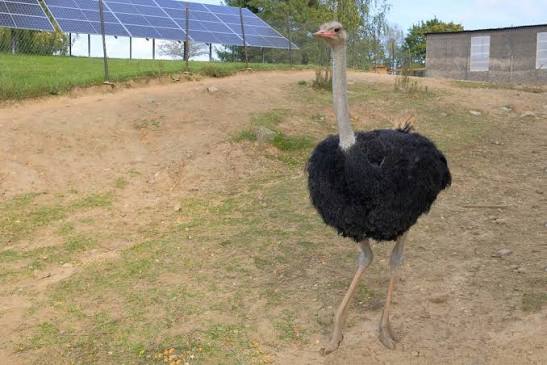
When the ostrich is in danger it does not try to hide in plants. Instead it uses its speed and agility to get. Each of its legs can take a big step, which helps the ostrich run very fast. The ostrich has two toes and one of them has a claw that it can use to defend itself.
The ostrich is very good at living in the savanna because it is fast and strong. A predator may be sneaky or strong. Catching a healthy adult ostrich is not easy. The ostrich can run fast and keep running, which helps it escape from predators.
Life Among East Africas Grasslands
You can find ostriches in parts of East Africa like Kenya, Tanzania, Uganda and other places around them. They like living in places where they can see very far and eat plants without anything getting in their way. Ostriches can live in grasslands, savannas and semi-desert places which shows that they can handle difficult conditions.
The ostrich diet is also very adaptable. They mostly eat plants like grass, seeds, flowers and leaves. Sometimes they eat insects and small animals if they can find them. Like birds ostriches swallow small stones that help them digest their food because they do not have teeth.
Water is very important. Ostriches can survive without much water because they can get some moisture from the food they eat. This is very helpful, in places where the rain changes a lot during seasons.
The Importance of Family Groups
Ostriches are birds and may be seen in pairs or groups. These birds have behavior that allows several individuals to stay alert while others eat. In country many eyes can help spot predators coming from far away.
During breeding times males do displays to get the attention of females. Their actions can include spreading their wings lowering their heads and making movements. These shows show a side of a bird that is usually liked for its speed.
The female puts her eggs in a nest, where multiple females may add eggs. Ostrich eggs are very big when compared to eggs of birds and their thick shells protect them during the time they are being warmed. The way they breed shows both teamwork and competition making it an interesting part of life on the savanna.
Raising Young in a World
Ostrich babies have many dangers from the moment they are born. Predators can attack birds and their survival depends a lot on being watchful running fast and getting protection from grown-ups. Parents watch for dangers while babies grow strong and learn to move
Young ostriches grow quickly. Their long legs start turning into limbs that help adult birds run really fast. Watching a group of baby birds following grown-ups across the grasslands is a reminder that living in the wild’s a constant process of learning and changing.
A Powerful Symbol of Adaptation
The ostrich challenges the idea that birds must fly to be successful. Its wings are part of its body. Its survival depends mostly on its legs, eyesight, speed and ability to live in tough places. This makes Ostrich: East Africas Flightless Giant more than a way to describe a big animal. It shows the amazing range of ways nature can solve problems.
Not being able to fly is not always a problem. For the ostrich being a runner has allowed it to live in a special place in nature. Its body is made for the ground. It has developed amazing skills that make up for what it can’t do, in the air.
A Role in the African Ecosystem
Every species has a place within the world and ostriches contribute to the ecosystems they live in. By eating plants and seeds they help move nutrients through the environment. Their eating habits can also change where plants are found and how easy it is for them to grow.
Ostriches eggs, baby birds and grown birds are part of the food chain. Animals that hunt may eat the eggs or young birds. Adult ostriches are not as easy to catch because they are big fast and can protect themselves. In this way ostriches stay connected to the balance of life in the savanna.
The presence of these birds also adds to the look of East Africas landscapes. A savanna without its animals would lose a lot of what makes these places special. Ostriches are part of what makes the open African plains look the way they do where their shapes can be seen moving across the sky.
Protecting the Future of the Ostrich
Even though ostriches are still found in parts of Africa their future still depends on homes and smart ways of using the land. Turning grasslands into something people getting too close building fences hunting in some places and changes in nature can all affect animals. Conservation is not about saving individual birds. It is about keeping the places where they eat have babies and move.
Keeping the Savanna Open and Wild
Healthy grasslands are home to kinds of life including big animals that eat plants, animals that hunt, bugs, snakes and other birds. Protecting these places helps all kinds of wildlife. When nature stays connected animals have chances to find food, water places to have babies and safe places to be.
Good tourism can also help with saving wildlife when it helps protected areas and people who live nearby. Visitors who see ostriches in the wild can start to care about keeping open spaces safe. That caring can last long after the trip is over.
The Beauty of a Bird That Never Needed to Fly
There is something very moving about watching an ostrich run across an African plain. Its long legs move with a rhythm while its head stays very steady. Dust might come up behind it as it moves across the grass. The bird keeps going with confidence and a clear purpose.
Its life shows that there is than one way to survive. The ostrich did not have to become a version of a bird that flies. It became something different. It became faster stronger, taller and very good at living on the ground.
Ostrich: East Africas Flightless Giant shows the spirit of a bird that has kept going through changing places and many years. Its presence in the savanna is a reminder that wildlife changes over time through patience, change and the passing of years.
When you look at East Africas grasslands and see an ostrich on the edge of the horizon you are not just seeing a bird. You are seeing one of the examples of change in nature. Its strong legs, eyes, strange wings and amazing speed tell a story that was written over generations.
The future of this bird depends on keeping its world alive. Saving grasslands, respecting animals supporting conservation and keeping nature places safe can help make sure that future people will still see ostriches running freely across East Africa.
Ostrich: East Africas Flightless Giant finally shows a bird that found strength in the ground of the sky. Its story is about the savanna, the golden grasslands and everyone who thinks that keeping Africas wildlife safe is important, for protecting its natural history.