
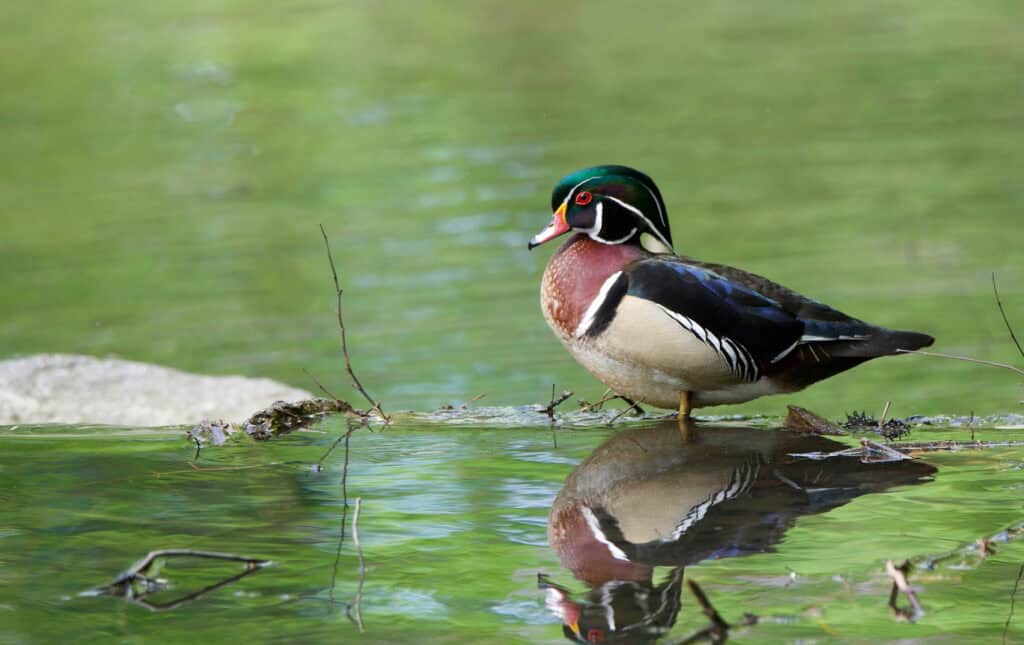
Macro to Wide-Angle: Diverse Approaches to Bird Photography
Bird photography gives a chance to look at familiar lands and wildlife in new ways. One bird can look like a different subject when you change the lens, the distance the light or the story you want to tell. A close portrait can show the texture of feathers while a wide landscape can put the same bird inside wetlands, forests, savannas or mountains that shape its life. Macro to Wide-Angle: Diverse Approaches to Bird Photography is about looking at these options and learning how different views can make bird images stronger.
The beauty of bird photography is that there is no right way. You can spend a morning waiting for one species to land on the perfect branch or you can take pictures of birds as small parts of a much bigger scene. You might focus on a sunbird eating flowers then change your focus to a flock crossing a sky. Every situation asks you to think in a way. The more approaches you know the better you are ready when unexpected moments come before your camera.
Seeing Birds Beyond the Standard Portrait
Many people start with the bird portrait. The bird fills most of the frame the background is soft. The viewer can clearly see the birds colors, shape and expression. This is still one of the ways for bird photography to take wildlife pictures especially when using a long telephoto lens. Still it is one part of the creative process.
Try stepping back when the surroundings look interesting. A lilac-breasted roller on a branch can be beautiful as a portrait but showing the grassland around it can give more information. The picture then tells you where the bird lives of only what the bird looks like.
This method is very strong in East Africa. A secretarybird walking through grass an African fish eagle looking over a lake or a shoebill standing among papyrus can share information about habitat when you give enough space around the bird. The landscape becomes part of the picture of fading into an artificial blur.
Using Long Lenses
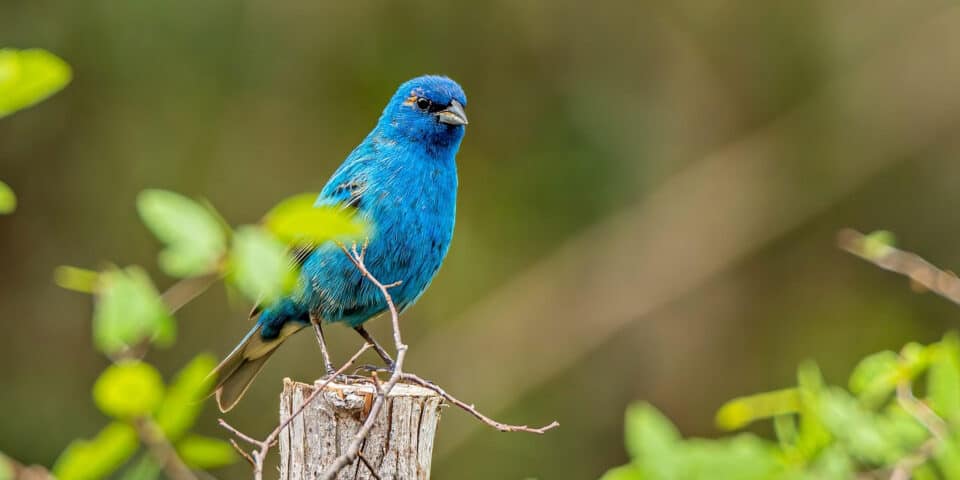
Long lenses are usually linked to tight bird portraits but they can help many ways for bird photography. A 400mm or 600mm lens can separate a bird from a clean background compress layers of plants or make a very simple composition. You can also take pictures of groups of birds without getting close to them.
Distance matters because birds are sensitive to disturbance. Staying enough away lets you watch natural behavior without repeatedly making the bird move. Patience becomes a part of the skill set. Of chasing the bird find a comfortable spot watch its movements and wait for a good moment.
A long lens can also let you play with composition. Put the bird toward one side of the frame. Give empty space in front of its eyes. Include reflections when taking pictures of waterbirds. Use branches, grasses or leaves to make a frame. Small shifts, in your position can totally change the background.
Exploring the Details With Close-Focus Photography
Close-focus photography brings another dimension to bird images. True macro lenses are not always necessary for photographing birds. A lens with a short minimum focusing distance can help you capture remarkable details when the opportunity arises. Feathers, eyes, claws, bills and intricate patterns can become subjects in their own right.
Macro to Wide-Angle: Diverse Approaches to Bird Photography encourages you to slow down and examine details that might otherwise be overlooked. The iridescent feathers of a sunbird can reveal colors that change with the direction of light. A bee-eaters bill may show texture. Even the eye of a bird can become a focal point when photographed with precision.
Close images require focusing. When photographing a birds head place the focus point on the eye. Use a fast shutter speed to account for small movements even when the bird appears still. At 1/1000 second or faster you have a chance of preserving sharp details when your subject suddenly moves.
Light also becomes important. Soft morning light can reveal feather texture without producing highlights. Overcast conditions can work well for detailed portraits because the light is naturally diffused. If the sun becomes intense look for shade than forcing yourself to photograph in difficult conditions.
Finding Stories in Large Landscapes
Wide-angle photography changes your relationship with the subject. Of asking, “How can I fill the frame with this bird?” you begin asking, “What does this birds environment tell me?”
This is where environmental bird photography becomes especially meaningful. A bird standing beside a wetland can communicate the importance of that habitat. A flock resting in a forest canopy can show the scale and complexity of the ecosystem. Birds flying above a landscape can connect wildlife with geography.
A wide-angle lens works best when you can safely and ethically position yourself close to the subject. You should never approach a bird simply to achieve a composition if doing so causes stress or changes its behavior. Wildlife photography always benefits from respecting distance and allowing animals to remain comfortable.
When conditions permit wider lenses can also create images of birds in flight. Position yourself so the landscape occupies much of the frame then wait for birds to enter the composition. This technique can produce photographs that feel spacious and connected to place.
Choosing the Right Perspective in the Field
Macro to Wide-Angle: Diverse Approaches to Bird Photography becomes practical when you learn to recognize which perspective suits the moment. Carrying lenses can help, but you do not need an enormous collection of equipment. A versatile telephoto lens, a zoom and a wide-angle lens can cover many situations.
Before changing lenses consider what you want the photograph to communicate. If a bird is displaying plumage a tighter composition may work well. If it is interacting with its surroundings step back. If the bird is feeding, watch for clues that explain the behavior. If it takes flight prepare for a faster shutter speed and a composition with space for movement.
Your camera settings should support your intention. For action shutter speed usually becomes the priority. Speeds around 1/1600 to 1/3200 second can help freeze wingbeats. For a perched bird in light 1/1000 second may provide a useful balance between sharpness and ISO. Aperture determines how much of the scene remains sharp so experiment than automatically shooting wide open.
Creating Images That Tell a Story
Bird photography becomes more powerful when your photographs work together. A portfolio does not need to contain dozens of portraits of different species. Instead build variety through behavior, habitat, perspective, light and composition.
Imagine a sequence from a Ugandan wetland. The first image could establish the landscape with a view. The second could show a bird perched among vegetation. The third might concentrate on the birds eye and feather detail. The fourth could capture feeding behavior, followed by an image of the bird taking flight. Together these photographs provide an account of the experience.
This approach also makes your photography more memorable. Viewers can understand where the bird lives what it looks like. How it behaves. Your images become connected by a sense of place and observation.
Working With Light and Weather
perspectives respond differently to changing conditions. Strong sunlight can create shadows in wide landscape compositions while soft cloud cover can be excellent for close portraits. Morning and late afternoon light can produce tones across grasslands and wetlands.
Do not abandon a session simply because the weather changes. Rain can create reflections and atmospheric backgrounds. Wind can add movement to grasses and feathers. Mist can simplify a forest scene. The key is to adjust your expectations and settings to match the conditions.
You should also protect your equipment. In environments carry rain protection, for your camera and lens keep spare batteries dry and use a microfiber cloth to remove moisture from the front element. Good preparation gives you freedom to keep photographing when conditions become unpredictable.
Exploring Details With Close-Focus Photography
Close-focus photography gives a level to bird images. You do not always need a macro lens for bird photography but a lens that can focus very close can help you capture amazing details when you find a chance. Feathers, eyes, claws, bills and fine patterns can become subjects on their own.
Macro to Wide-Angle: Diverse Approaches to Bird Photography encourages you to slow down and look at details that might be missed. The shiny feathers of a sunbird can show colors that shift when the light changes direction. A bee-eaters bill can show a texture. Even the eye of a bird can become a point of focus when you photograph it with care.
Close images need focus. When you take a picture of a bird head set the focus point on the eye. Use a fast shutter speed to catch movements even when the bird seems still. At 1/1000 second or faster you are more likely to keep details when the bird moves.
Light is also important. Soft morning light can show feather texture without highlights. Overcast weather can be very good for portraits because the light is naturally soft. If the sun becomes bright look for shade of forcing yourself to take pictures in hard light.
Finding Stories in Large Landscapes
Wide-angle photography changes how you relate to the bird. Instead of asking, ‘How can I fill the frame with this bird?’ you start asking, ‘What does this birds environment tell me?’
This is where environmental bird photography becomes very meaningful. A bird standing near a wetland can show the importance of that habitat. A flock resting in a forest canopy can show the size and complexity of the ecosystem. Birds flying over a landscape can link wildlife with the land.
A wide-angle lens works best when you can safely and kindly stay close to the bird. You should never get close to a bird just to get a picture if that makes the bird stressed or changes its behavior. Wildlife bird photography always benefits from keeping a distance and letting animals stay comfortable.
When conditions allow wide lenses can also make pictures of birds in flight. Put yourself so the landscape fills most of the frame then wait for birds to come into the picture. This method can give photos that feel wide and linked to the place.
Choosing the Right Perspective in the Field
Macro to Wide-Angle: Diverse Approaches to Bird Photography becomes useful when you learn to know which perspective fits the moment. Carrying lenses can help, but you do not need a huge set of gear. A flexible telephoto lens, a zoom and a wide-angle lens can cover many situations.
Before you change lenses think about what you want the picture to show. If a bird shows plumage a tighter composition may work well. If the bird is interacting with its surroundings step back. If the bird is feeding, look for clues in the environment that explain the action. If the bird takes flight prepare a faster shutter speed and a composition that gives space for movement.
Your camera settings should support your goal. For action shutter speed is usually the priority. Speeds from 1/1600 to 1/3200 second can freeze wingbeats. For a perched bird in light 1/1000 second can give a good balance between sharpness and ISO. Aperture decides how much of the scene stays sharp so try values instead of always shooting wide open.
Creating Images That Tell a Story
Bird photography becomes stronger when your pictures work together. A portfolio does not need identical portraits of different species. Instead create variety through behavior, habitat, perspective, light and composition.
Picture a series from a Ugandan wetland. The first picture could show the landscape with a view. The second could show a bird perched among plants. The third could focus on the birds eye and feather detail. The fourth could show feeding behavior, followed by a picture of the bird taking flight. Together these pictures give a story of the experience.
This approach also makes your bird photography more memorable. Viewers can see where the bird lives what it looks like. How it behaves. Your pictures become linked by a sense of place and observation.

No comment