Lake George Wildlife Reserve: The Hippo and Bird Watching Hotspot
There are certain places in Uganda where the landscape feels as though it has been painted by a hand that understood the profound beauty of water meeting land. Lake George Wildlife Reserve is one such place, a serene and captivating sanctuary that sits on the northeastern shores of Lake George, nestled within the vast and biologically rich Queen Elizabeth National Park ecosystem. This reserve, though often overshadowed by its more famous neighbor, offers an experience that is uniquely its own, a quiet haven where the trumpeting of hippos is the nightly symphony and the skies are perpetually alive with the wings of birds. It is a place of tranquil waters, papyrus-fringed shores, and an abundance of wildlife that thrives in this interface between aquatic and terrestrial environments. For those who seek the soulful rhythms of Africa’s wetland ecosystems and the thrilling spectacle of its birdlife and hippo pods, Lake George Wildlife Reserve stands as an essential and unforgettable destination.
The Geographical Heart of a Ramsar Site
Lake George itself is a shallow, freshwater lake that is part of the larger Queen Elizabeth National Park complex, and the wildlife reserve that bears its name protects a vital portion of its shoreline and surrounding habitats. The lake is situated in the western arm of the East African Rift Valley, a region of extraordinary geological activity that has shaped the landscape over millions of years. The waters of Lake George are relatively warm and nutrient-rich, fed by a network of rivers and streams that flow down from the surrounding hills and mountains. This abundance of nutrients supports a remarkable growth of algae and aquatic plants, which in turn sustains a vast population of fish and other aquatic life.
The reserve itself covers an area of approximately one thousand square kilometers, encompassing not only the lake’s shore but also extensive papyrus swamps, lush grasslands, and patches of dry savannah. This diversity of habitats is what makes the reserve such a hotspot for wildlife, as it provides the food, water, and shelter that a wide variety of species need to thrive. The wetland areas are of particular importance, forming one of the largest and most intact papyrus swamp systems in East Africa. These swamps act as natural water filters, trapping sediment and pollutants, and they provide critical breeding grounds for fish and a home for numerous specialized species of birds and mammals. The entire wetland system is recognized as a Ramsar site, a designation that highlights its international importance as a wetland of global significance.
The Hippo City of Lake George
If there is one animal that defines the character of Lake George Wildlife Reserve, it is the hippopotamus. The lake and its surrounding waters support one of the densest concentrations of hippos in all of Africa, a population that numbers in the thousands and provides one of the most extraordinary wildlife spectacles on the continent. Hippos spend the majority of their days submerged in the water, their eyes, ears, and nostrils barely visible above the surface as they rest and digest the vast quantities of grass they consume during the night. Watching a pod of hippos from a boat or from the shore is an unforgettable experience, a reminder of the sheer scale and power of nature.
The best time to observe hippos is during the early morning or late afternoon when they are most active. In the cooler hours, the hippos begin to move, with grunts and bellows echoing across the water as they jostle for position in the crowded pods. The occasional yawning display, with mouths opening impossibly wide to reveal formidable tusks, is a striking sight that never fails to impress. During the night, the hippos emerge from the water to graze on the surrounding grasslands, often venturing considerable distances inland. The paths they create through the vegetation, known as hippo trails, are a distinctive feature of the landscape. The sheer volume of hippos in Lake George has earned the lake the nickname “Hippo City,” and for good reason. A boat cruise along the shores of the lake offers an unparalleled opportunity to witness this incredible congregation and to understand why this place is so vital for the survival of these magnificent animals.
A Birder’s Paradise of Epic Proportions
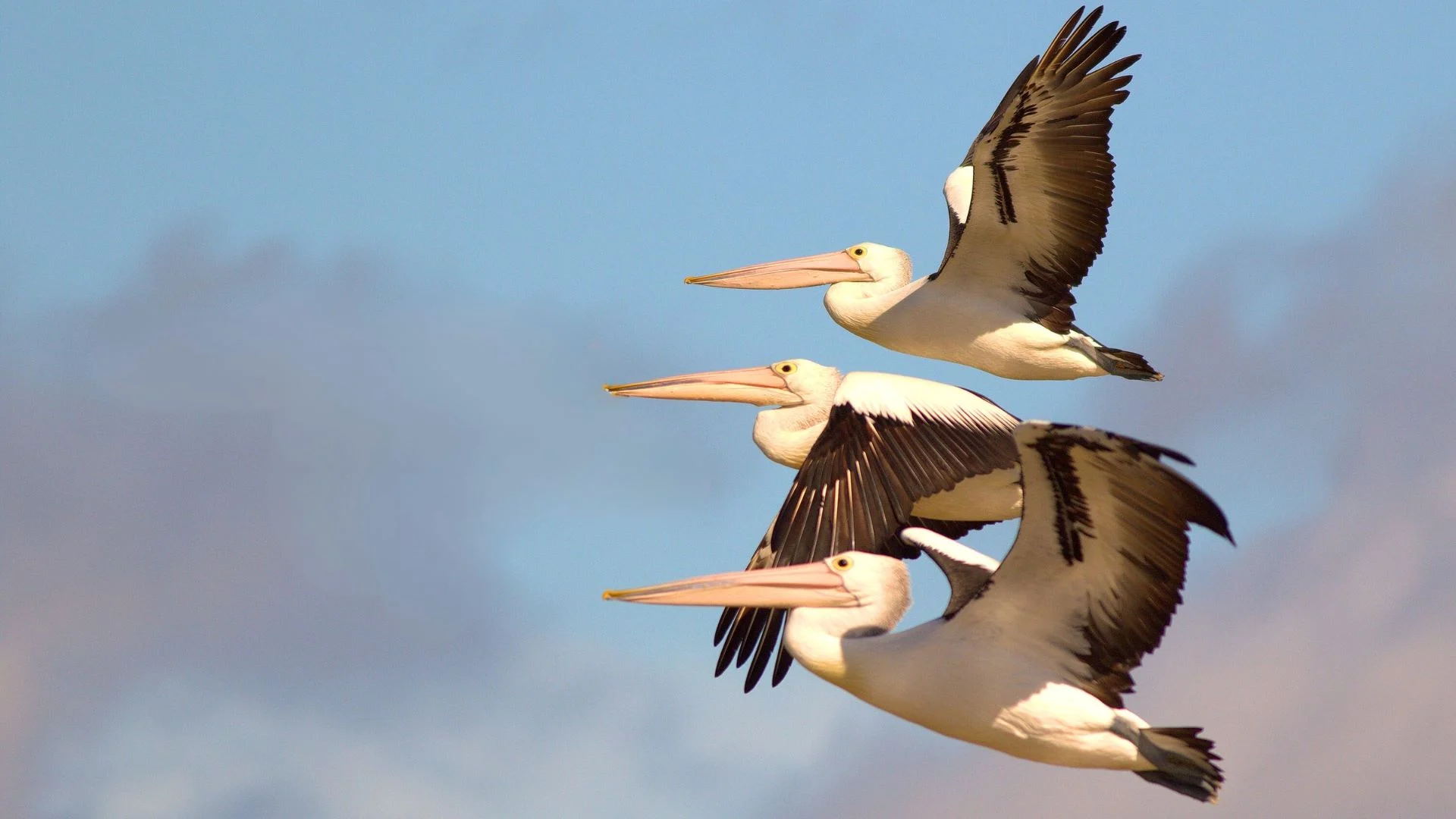
Lake George Wildlife Reserve is a mecca for birdwatchers, a place where the diversity and abundance of avian life are simply staggering. The reserve is home to an impressive array of birds, with hundreds of species recorded, including many that are rare, endemic, or migratory. The wetland habitats, with their extensive papyrus swamps, open water, and muddy shores, attract a wide variety of waterbirds that are a joy to observe. The great egret, with its immaculate white plumage, stands majestically in the shallows, while the African fish eagle, a symbol of the continent’s wild waterways, perches in a nearby tree, its distinctive call ringing out across the lake. A boat trip on the lake is the perfect way to explore this avian wonderland, gliding silently through the channels and open waters to get close-up views of the birds in their natural habitat.
Among the most sought-after species in the reserve are the shoebill stork and the saddle-billed stork, two of Africa’s most impressive and prehistoric-looking birds. The shoebill, with its massive, shoe-shaped bill and its patient, statue-like hunting technique, is a holy grail for many birders, and Lake George is one of the best places in Uganda to see them. The papyrus gonolek, a beautiful and elusive bird that is endemic to the papyrus swamps of central Africa, is another speciality of the reserve. This striking black and red bird is a joy to spot, its loud, musical call often heard before it is seen. The African jacana, with its huge feet that allow it to walk on floating vegetation, is another common and fascinating sight. The list goes on and on, with countless species of herons, kingfishers, ducks, and warblers adding to the incredible diversity of the reserve.
Exploring the Waterways by Boat
A boat safari on Lake George is the quintessential experience of the reserve and the best way to appreciate the richness of its aquatic life. The waterways are a labyrinth of channels, open water, and papyrus beds, each turn revealing new vistas and new encounters. Gliding across the still water, with the sun shimmering on the surface and the sound of bird calls filling the air, is a profoundly peaceful and meditative experience. The boats are often quiet and low-impact, allowing you to approach the wildlife without disturbing them, providing unparalleled opportunities for photography and observation. As you drift through the channels, you will see hippos surfacing all around, their snorts and grunts providing a constant, slightly intimidating, background music.
The birdlife from a boat perspective is truly phenomenal. You will see birds feeding, bathing, preening, and flying overhead, offering a window into their daily lives that is rarely seen from the shore. The guides are deeply knowledgeable about the lake’s ecosystem and are expert at spotting wildlife, pointing out camouflaged birds and explaining the behaviors you observe. They will also share stories about the lake and its history, connecting you to the landscape on a deeper level. A boat safari is not just a wildlife viewing activity; it is a journey of discovery, a chance to immerse yourself in the beauty and complexity of the wetland ecosystem. For those who want to extend their time on the water, full-day or half-day trips are available, allowing you to explore the further reaches of the lake and the channels leading into the swamps.
Beyond the Water: The Savannah Encounters
While the water is the heart of the reserve, the surrounding savannah and grasslands also offer rewarding wildlife viewing. The open areas provide a different perspective on the ecosystem, allowing you to see a different suite of species. Elephants are frequently seen in this area, often emerging from the bush to drink at the lake’s edge. The sight of a family of elephants, with their majestic presence and gentle interactions, is always a moving experience. Other large mammals include buffalo, antelope species such as the Uganda kob and waterbuck, and the graceful bushbuck. In the drier areas, you may also see warthogs, with their distinctive tusks and entertaining behavior.
The savannah also provides a different birdwatching experience, with species that are less reliant on water. The beautiful secretary bird, with its long legs and striking crest, can be seen striding across the grasslands in search of snakes. The helmeted guineafowl, with its distinctive helmet and loud calls, is another common sight. The savannah is also a good place to spot raptors, including the martial eagle and the long-crested eagle. A game drive through the reserve’s savannah areas offers a chance to experience the diversity of the landscape and the wildlife it supports. The mix of water and grassland, with the backdrop of the Rwenzori Mountains in the distance, creates a stunning visual experience that encapsulates the essence of the African wilderness.
The Crescent of the Kazinga Channel
Although it sits slightly apart from the main reserve, the Kazinga Channel is an integral part of the Lake George ecosystem and a must-see attraction for any visitor. This natural channel connects Lake George to Lake Edward, forming the largest natural water system in Uganda. The channel is renowned for its high concentration of hippos and the incredible birdlife that gathers along its banks. A boat trip along the Kazinga Channel is one of the most popular activities in the region and offers some of the best wildlife viewing in all of Africa. The channel acts as a magnet for wildlife, and you are almost guaranteed to see a vast array of birds, hippos, and other aquatic animals.
The views of elephants, buffalo, and antelope coming down to drink at the water’s edge are common and spectacular. The channel is also a prime location for photographing the African fish eagle in action, as they frequently swoop down to snatch fish from the water. The combination of the dramatic Rift Valley escarpment as a backdrop, the abundance of wildlife, and the sheer beauty of the channel make for an unforgettable safari experience. The Kazinga Channel and the lake together form a contiguous wetland that is vital for the ecological health of the region, and exploring both by boat provides the most comprehensive and immersive experience of this incredible waterworld.
The Best Times to Experience the Reserve
The wildlife viewing in Lake George Wildlife Reserve is generally good throughout the year, but there are certain seasons that offer distinct advantages. The dry seasons, which typically run from December to February and from June to August, are excellent times to visit. During these months, the vegetation is less dense, making it easier to spot wildlife, and animals tend to congregate around the remaining water sources, making them easier to find. The skies are generally clear, and the weather is warm and pleasant. The boat safaris are particularly enjoyable during these months, as the water levels are lower, and the birds are more concentrated around the shrinking water bodies.
The rainy seasons, from March to May and from September to November, bring a different kind of beauty to the reserve. The landscape turns lush and green, and many birds are in their breeding plumage, making for spectacular sightings. However, the heavier rains can make the roads muddy and the trails more difficult to navigate, and some areas of the reserve may become inaccessible. The boat safaris are still very productive during these times, but you will need to be prepared for possible rain showers. Regardless of the season, early mornings and late afternoons are consistently the best times for wildlife viewing, when the animals are most active and the light is soft and beautiful for photography.
Where to Stay and How to Get There
Visiting Lake George Wildlife Reserve requires a certain amount of planning, but the effort is well worth it. The reserve is located in the western part of Uganda, about a five to six hour drive from the capital, Kampala. The road journey takes you through some of Uganda’s most beautiful countryside, with views of tea plantations, rolling hills, and rural villages. From Kampala, the route goes through Mbarara and then heads towards the Queen Elizabeth National Park. There are plenty of accommodation options in and around the reserve, ranging from basic campsites to comfortable lodges and luxury tented camps. Many of the lodges are located on the shores of the lake or the Kazinga Channel, offering stunning views and direct access to the water.
Budget travelers can find simple guesthouses and campsites in the nearby towns, while those seeking a more upscale experience can choose from a selection of well-established safari lodges. The lodges offer a range of amenities, including comfortable rooms, delicious meals, and knowledgeable guides to lead your safaris. Staying within the reserve or close to its boundaries allows you to maximize your time in the wilderness and to experience the peace and tranquility of the African night. The accommodation options in the area are designed to blend in with the natural environment and to provide a comfortable base from which to explore the reserve’s wonders.
Conservation and Community
The Lake George Wildlife Reserve is not just a tourist destination; it is a vital area for conservation and community development. The reserve protects a unique and fragile ecosystem that is of global importance, and its conservation is essential for the survival of the many species that call it home. The Uganda Wildlife Authority, the government body responsible for managing the country’s protected areas, works tirelessly to combat poaching and illegal fishing, and to ensure that the reserve’s resources are used sustainably. The authority also works closely with local communities, providing employment opportunities and supporting community development projects that provide alternatives to activities that would harm the environment.
Eco-tourism plays a crucial role in this conservation effort. The revenue generated from park fees and tourism activities is used to fund the reserve’s management and to support community projects. By visiting the reserve, travelers are directly contributing to the protection of this incredible ecosystem and the livelihoods of the people who live alongside it. The local communities are also involved in the tourism industry, providing services like guiding, accommodation, and cultural experiences. This creates a sense of ownership and pride, and it encourages them to protect the reserve and its wildlife. This model of conservation, which benefits both nature and people, is one of the great success stories of Uganda’s tourism industry.
A Sense of Place and the Soul of Africa
There is a quality to the Lake George Wildlife Reserve that is difficult to put into words. It is a feeling of being in a place that is ancient and timeless, a place where the rhythms of nature are still the dominant force. The sight of the sun setting over the lake, with the silhouette of hippos in the foreground and the calls of birds filling the air, is an experience that touches the soul. The reserve offers a chance to disconnect from the modern world and to reconnect with something more primal and profound. It is a place to slow down, to breathe deeply, and to appreciate the simple, breathtaking beauty of the natural world.
For the traveler who seeks a destination that combines thrilling wildlife encounters with a deep sense of peace and solitude, the Lake George Wildlife Reserve is an ideal choice. It is a place where you can watch the drama of the animal kingdom unfold at its own pace, where the greatest luxury is the silence of the wilderness, and where every dawn brings a new and wonderous chapter in the story of the wild. The memories of its hippo pods, its incredible birds, and its tranquil waters will linger in your mind long after you have left, a reminder of the beauty and majesty of Africa’s